Colorado Window Tint Calculator
If you're thinking about putting 5 percent tint on your car windows in Colorado, you need to stop and check the law first. A 5 percent tint is extremely dark - it lets in only 5 percent of outside light. That’s darker than most police cars. And in Colorado, it’s not legal on the front side windows. Period.
What Colorado Law Actually Says
Colorado’s window tint laws are clear and strictly enforced. According to the Colorado Revised Statutes Title 42, Section 42-4-229, the visible light transmission (VLT) for front side windows must be at least 27 percent. That means any tint darker than 27 percent on the driver and front passenger windows is illegal.
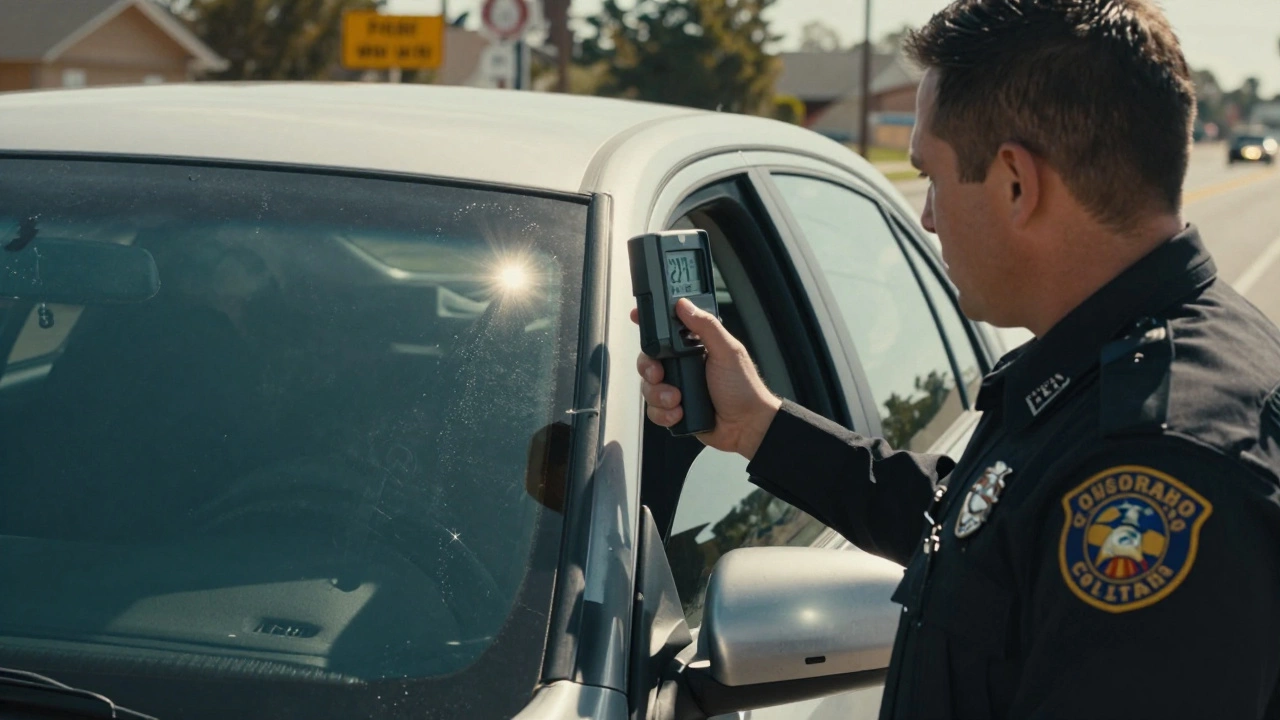
5 percent tint is far below that limit. It’s not even close. Even if you think your tint looks fine at night or you’ve seen others with it, the law doesn’t care about how it looks - it cares about how much light gets through. Police officers use handheld tint meters to measure VLT during traffic stops. If your front windows are below 27 percent, you’re getting a ticket.
What About the Rear Windows?
The rules are different for the rear windows and rear windshield. Colorado allows any level of tint on those windows - even 5 percent is technically legal back there. But there’s a catch: you must have dual side mirrors if you tint the rear windows darker than 27 percent. That’s not optional. If you skip the mirrors, you’re still violating the law.
Many people use 5 percent tint on the rear windows for privacy or to block heat. That’s fine - as long as you have the mirrors. But if you’re planning to tint your entire car with 5 percent, you’re setting yourself up for trouble. The front windows alone will get you pulled over.
Why 5 Percent Is a Bad Idea Even If You Think You Can Get Away With It
Some drivers think they can get away with 5 percent tint because they’ve seen it on luxury cars or SUVs. But those vehicles might be exempt - like limousines, armored cars, or vehicles with a medical exemption. Regular passenger cars? No exceptions.
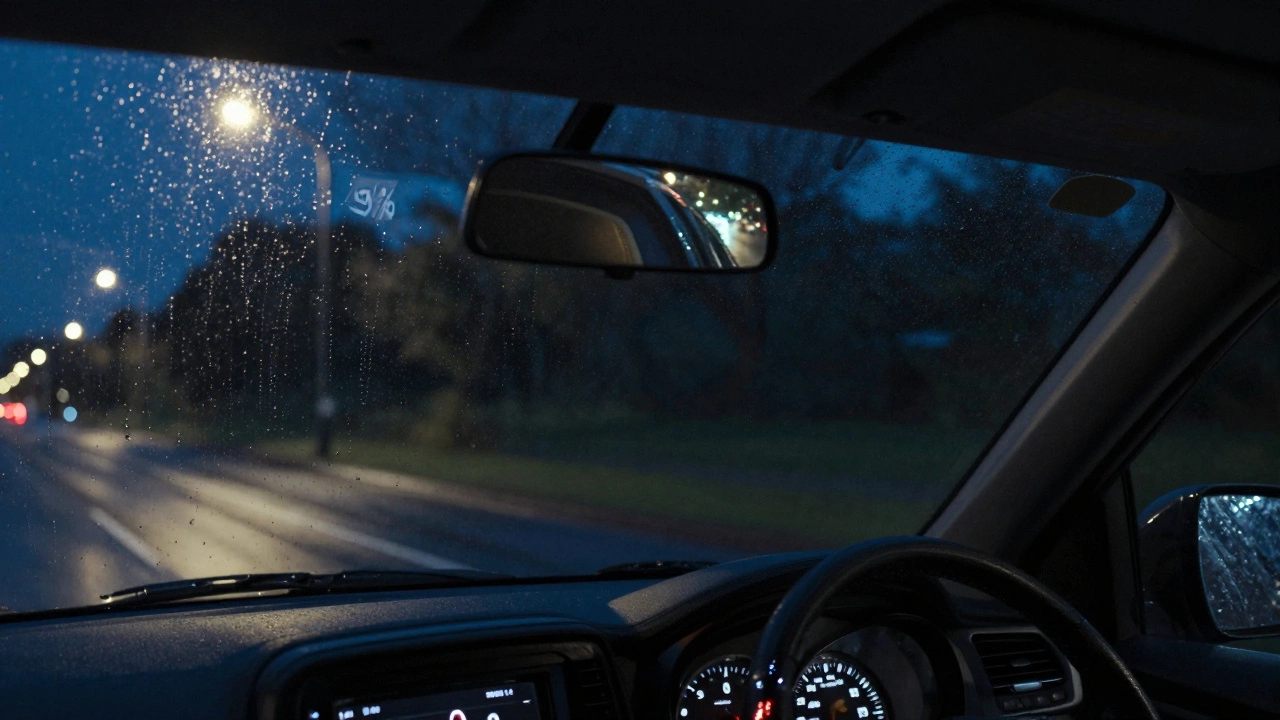
Here’s the reality: 5 percent tint makes it nearly impossible to see out at night, in rain, or in tunnels. It’s not just about the law - it’s about safety. You’re reducing your ability to see pedestrians, cyclists, and other vehicles. Studies from the National Highway Traffic Safety Administration show that excessively dark tint contributes to higher crash rates in low-light conditions.
And if you get pulled over? You’re not just getting a ticket. You’ll likely be ordered to remove the tint immediately. Some officers will give you a warning and a fix-it ticket. Others will write a citation that can cost up to $500, depending on the county and whether it’s a repeat offense.
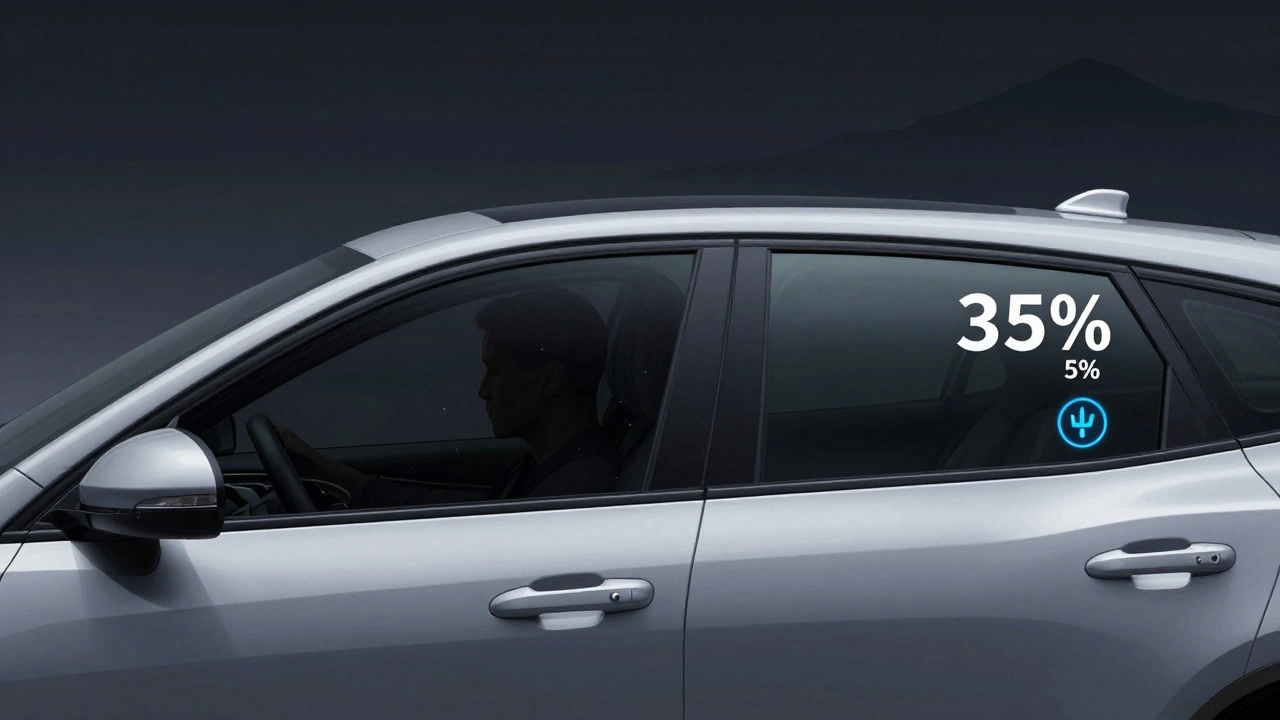
What Tint Percentage Is Legal in Colorado?
Here’s a quick breakdown of Colorado’s legal tint limits:
- Front side windows: Minimum 27 percent VLT
- Rear side windows: Any darkness allowed, but dual side mirrors required if under 27 percent
- Rear windshield: Any darkness allowed, but dual side mirrors required if under 27 percent
- Windshield: Only non-reflective tint allowed on the top 4 inches
So if you want to tint your car legally, aim for 35 percent or 50 percent on the front windows. That gives you good glare reduction, heat blocking, and UV protection - without breaking the law.
Medical Exemptions: Are They Real?
Yes, Colorado does allow medical exemptions for window tint darker than 27 percent. But it’s not something you can just ask for. You need a signed statement from a licensed physician or optometrist that says you have a medical condition that requires reduced light exposure - like lupus, photophobia, or certain skin conditions.
The exemption must be carried in the vehicle at all times. It’s not a free pass to run 5 percent tint on your front windows. Officers can still pull you over and ask to see the paperwork. If you don’t have it, you’re still in violation.
And don’t think you can fake it. Many law enforcement agencies now cross-check medical exemption records with state health databases. Getting caught with a forged letter can lead to fines, court appearances, and even charges for fraud.
What Happens If You Get Caught?
Getting pulled over for illegal tint in Colorado usually starts with a warning or a fix-it ticket. But here’s what can happen if you ignore it:
- You’re given a citation with a deadline to fix the tint
- If you don’t fix it, you’ll get a court summons
- First offense: $50-$200 fine
- Second offense: $200-$500 fine
- You may be required to remove the tint and provide proof to the court
Some counties, like Denver and Boulder, are stricter than others. They’ll ticket you even if the tint is only 25 percent - which is just 2 percent below the limit. There’s no grace period. The law says 27 percent. That’s it.
How to Check Your Tint Legally
Before you install any tint, get it tested. Many professional tint shops have tint meters and will test your windows before they install anything. Ask them to show you the reading. A good shop won’t install illegal tint - they know the risks.
If you already have tint and you’re unsure, you can buy a handheld VLT meter online for under $50. Or, take your car to a local auto shop that does tinting - most will check it for free if you’re considering a re-tint.
Don’t rely on your eyes. A tint that looks like 20 percent might actually be 30 percent. And one that looks like 30 percent might be 20. Only a meter gives you the truth.
Alternatives to 5 Percent Tint
You don’t need 5 percent tint to get privacy or heat reduction. Modern ceramic tints can block over 99 percent of UV rays and 60-80 percent of infrared heat - even at 35 percent VLT. That means your car stays cool, your dashboard doesn’t crack, and your skin is protected - without breaking the law.
Some people think darker tint = better protection. That’s a myth. The darkness of the tint doesn’t determine how much heat or UV it blocks. That’s all about the quality of the film. A good 35 percent ceramic tint performs better than a cheap 5 percent dyed film.
And here’s a bonus: lighter tint looks better. It doesn’t make your car look like a cop car or a prison van. It gives you a clean, subtle look that still turns heads.
Final Advice: Play It Safe
If you want to tint your car in Colorado, stick to 35 percent or higher on the front windows. That’s the sweet spot - legal, safe, and effective. Skip the 5 percent. It’s not worth the ticket, the hassle, or the risk.
And if you’re buying a used car with dark tint? Ask for proof it’s legal. Don’t assume it’s okay because the previous owner kept it. You’re the one who’ll get fined.
Colorado’s laws are there for a reason: safety. Don’t risk your license, your wallet, or your visibility just to make your car look cool. There are plenty of legal ways to get the look and the performance you want - without breaking the law.
Is 5 percent tint legal on the front windows in Colorado?
No, 5 percent tint is not legal on the front side windows in Colorado. The law requires a minimum of 27 percent visible light transmission (VLT) on front side windows. Anything darker is illegal and can result in a ticket.
Can I have 5 percent tint on the rear windows in Colorado?
Yes, you can have 5 percent tint on the rear side windows and rear windshield in Colorado. However, you must have dual side mirrors if the tint is darker than 27 percent. Without the mirrors, it’s still a violation.
How much is a tint ticket in Colorado?
A first-time tint violation in Colorado typically costs between $50 and $200. Repeat offenses can go up to $500. Some counties issue fix-it tickets, requiring you to remove the tint and show proof to the court.
Do medical exemptions for tint work in Colorado?
Yes, Colorado allows medical exemptions for darker tint, but only with a signed letter from a licensed doctor or optometrist stating you have a condition that requires reduced light exposure. You must carry the letter in your vehicle at all times. Fake letters can lead to fraud charges.
Can I use 5 percent tint on my windshield?
No. Colorado law only allows non-reflective tint on the top 4 inches of the windshield. Any tint below that line, even if it’s 5 percent, is illegal and can result in a citation.
What’s the best tint percentage for Colorado?
The best legal tint percentage for Colorado is 35 percent or higher on the front windows. It blocks heat and UV rays effectively, improves visibility, and keeps you compliant with the law. Ceramic films at this level offer the best performance without the risk.