Car Interior Cleaner Safety Checker
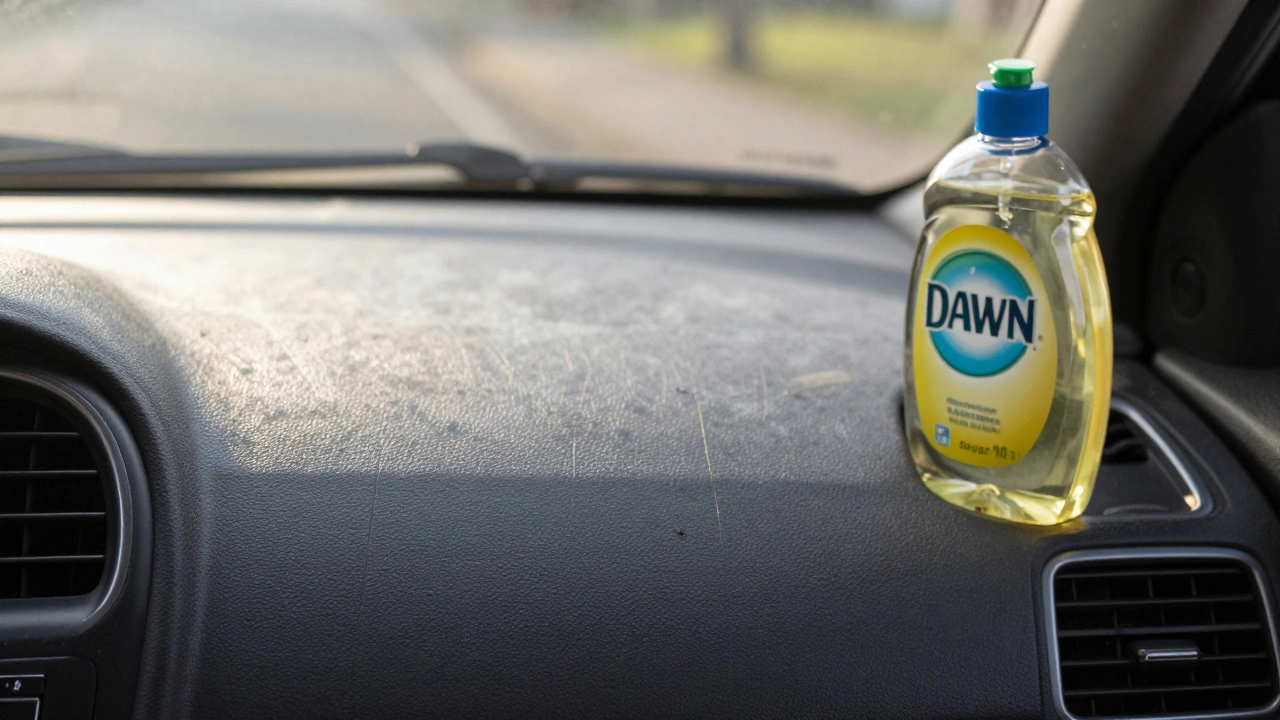
You spilled coffee on your dashboard. Your kids left snack crumbs between the seats. Or maybe you just want to deep clean your car’s interior without buying a fancy product. So you reach for the bottle of Dawn dish soap - it’s cheap, it’s powerful, and it cuts grease like nothing. But is it safe for your car’s interior? The short answer: Dawn dish soap can clean some surfaces, but it’s not safe for most car interiors if used regularly or the wrong way.
Why Dawn Seems Like a Good Idea
Dawn is famous for cutting through grease. It’s the go-to for oily hands, greasy pans, and even oil spills on driveways. Car interiors have grease too - from skin oils, sunscreen, food residue, and even the natural breakdown of plastics over time. So it makes sense to think: if it works on my frying pan, why not my leather seats? The problem isn’t that Dawn doesn’t clean. It cleans too well. It’s designed to strip away oils, not preserve them. And car interiors aren’t made to be stripped.What’s Actually in Your Car Interior?
Most modern car interiors aren’t made of simple materials. They’re complex blends of:- Plastic trim - often coated with a protective UV-resistant layer
- Vinyl and synthetic leather - treated with conditioners to prevent cracking
- Real leather - needs oils to stay soft and prevent drying
- Alcantara and microfiber - delicate fabrics that absorb liquids easily
- Touchscreens and buttons - sensitive electronics with anti-smudge coatings
The Real Damage: What Dawn Does to Car Surfaces
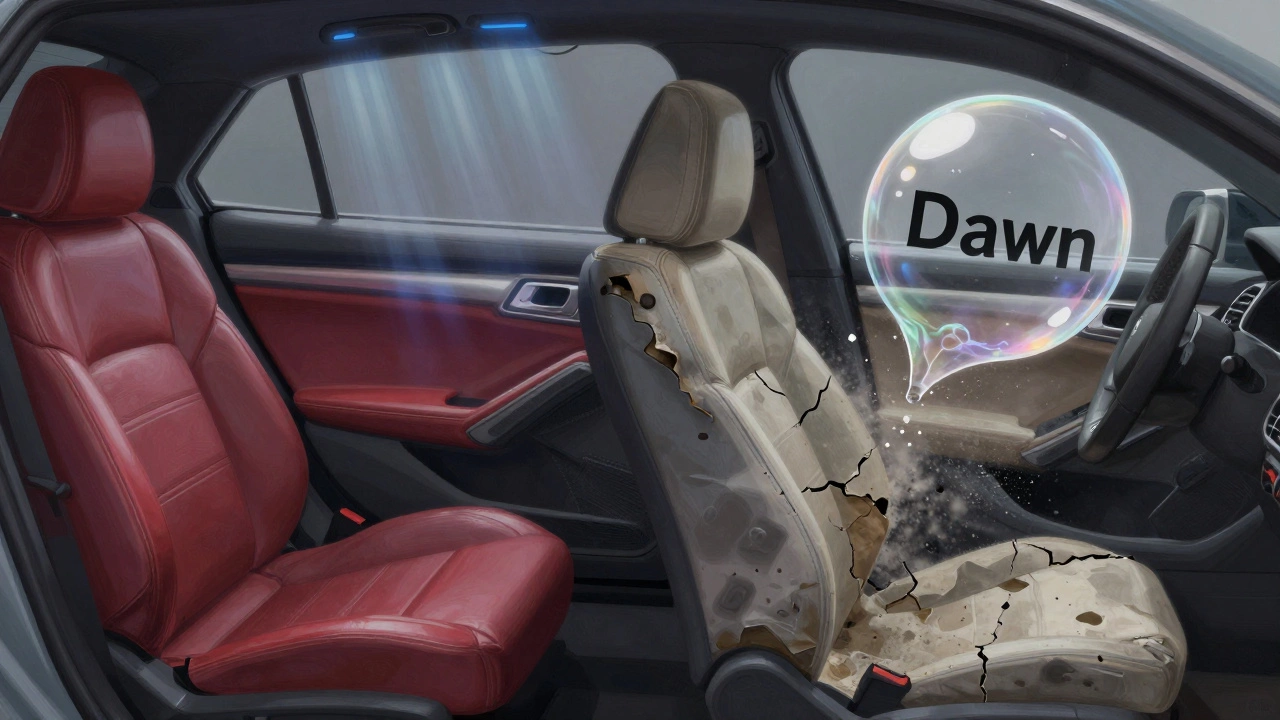
After one use, you might not see anything wrong. That’s the trap. The damage is slow and silent.- Plastic trim turns dull and chalky - Dawn removes the factory-applied UV protectant. Within weeks, your center console looks like it’s been sitting in the sun for years.
- Vinyl cracks faster - Without its protective oils, vinyl becomes brittle. You’ll see fine lines forming around the edges of your door panels.
- Leather dries out - Even if it feels fine after cleaning, the natural oils in leather get stripped. Over time, it loses flexibility and starts to split.
- Microfiber seats stain easier - Dawn leaves a residue that attracts dust and dirt. Your clean seats look dirty again in days.
- Touchscreens get streaky - The anti-glare coating on your infotainment screen is thin. Dawn can wear it off, leaving permanent haze.
What Happens When You Use Dawn on Car Interiors?
Let’s say you mix a few drops of Dawn with water, wipe down your dashboard, and it looks shiny. You feel proud. But here’s what you’re not seeing:- Residue buildup - Dawn doesn’t rinse off completely. It leaves behind surfactants that attract dust like a magnet.
- Accelerated UV damage - The protective layer on plastic is gone. Sunlight now hits bare plastic. That’s why your center console fades faster than the rest of the car.
- Odor retention - Dawn has a strong scent. It doesn’t just clean - it lingers. Combine that with heat inside the car, and you’ve got a chemical smell that won’t go away.
What Should You Use Instead?
You don’t need to spend $50 on a bottle of cleaner. But you do need something designed for cars.- For plastic and vinyl - Use a pH-neutral interior cleaner like Meguiar’s Quik Interior Detailer or Chemical Guys InnerClean. These clean without stripping.
- For leather - Stick to dedicated leather cleaners and conditioners like Lexol or Bick 4. Clean first, then condition.
- For microfiber and Alcantara - Use a specialized upholstery cleaner like Tuff Stuff or Chemical Guys Fabric Clean. Never soak it.
- For screens - Use a microfiber cloth with distilled water. No soap. Ever.
When Is Dawn Actually Okay?
There’s one place where Dawn is fine: the floor mats. Rubber or heavy-duty plastic mats can handle it. Mix one teaspoon of Dawn in a bucket of warm water, scrub with a brush, rinse, and let dry. That’s it. But even then - don’t use it on fabric mats. They’ll absorb the soap and stink for weeks.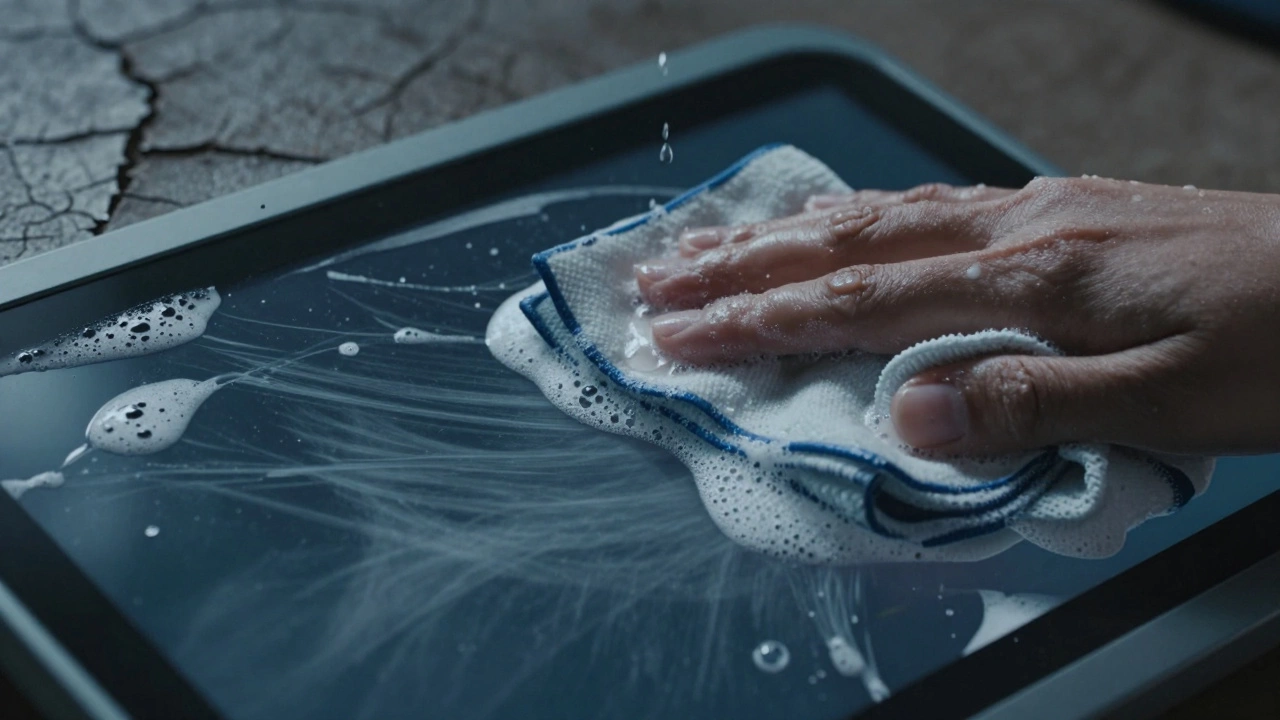
Quick Fix: What If You Already Used Dawn?
You cleaned your dash with Dawn. Now it looks dull. What do you do?- Wipe everything down with a damp microfiber cloth to remove any leftover soap.
- Use a dedicated interior cleaner to restore the surface.
- Apply a UV-protectant spray like 303 Aerospace Protectant. It won’t fix damage, but it’ll slow further degradation.
Myths About Dawn and Car Interiors
- Myth: "Dawn is gentle because it’s used on baby bottles." - False. Baby bottles are made of food-grade silicone or glass. Car dashboards are not.
- Myth: "A little bit won’t hurt." - A little bit used often adds up. Even once a month is too much.
- Myth: "It’s cheaper than car cleaners." - True. But replacing cracked dashboards or faded trim costs 10x more than a $15 bottle of proper cleaner.
Bottom Line: Don’t Risk It
Dawn dish soap is not a car interior cleaner. It’s a kitchen cleaner. Using it in your car is like using laundry detergent to wash your face - it works, but it’s not meant for it. Your car’s interior is expensive. It’s designed to last. Use products made for it. You’ll save money in the long run, avoid headaches, and keep your car looking new.If you’re cleaning your car’s interior, spend $15 on a proper cleaner. Your dashboard will thank you in six months.
Can I use Dawn dish soap to clean car windows?
No. Dawn can leave streaks and damage the anti-glare coating on modern car windows and screens. Use a glass cleaner specifically made for automotive use, or a mix of distilled water and isopropyl alcohol (50/50) with a microfiber cloth.
Is Dawn safe for cloth car seats?
Not recommended. Dawn can strip the fabric’s stain-resistant coating and leave a sticky residue that attracts dirt. Use a dedicated fabric cleaner like Tuff Stuff or Chemical Guys Fabric Clean. Always test in a hidden spot first.
What’s the best way to clean a greasy steering wheel?
Use a pH-neutral interior cleaner and a soft microfiber cloth. For leather wheels, clean with a leather cleaner, then apply a conditioner. Avoid water-heavy solutions - they can seep into stitching and cause mold over time.
Why does my dashboard look cloudy after cleaning with Dawn?
Dawn strips away the factory UV protectant and leaves behind a residue that scatters light. The cloudiness isn’t dirt - it’s damaged surface coating. Once it’s gone, you need to replace it with a UV protectant spray, but the original finish can’t be fully restored.
Can I use Dawn to clean car floor mats?
Yes - but only for rubber or heavy-duty plastic mats. Mix one teaspoon of Dawn in a bucket of warm water, scrub with a brush, rinse thoroughly, and let dry completely. Never use it on fabric mats - it will trap odor and stain.