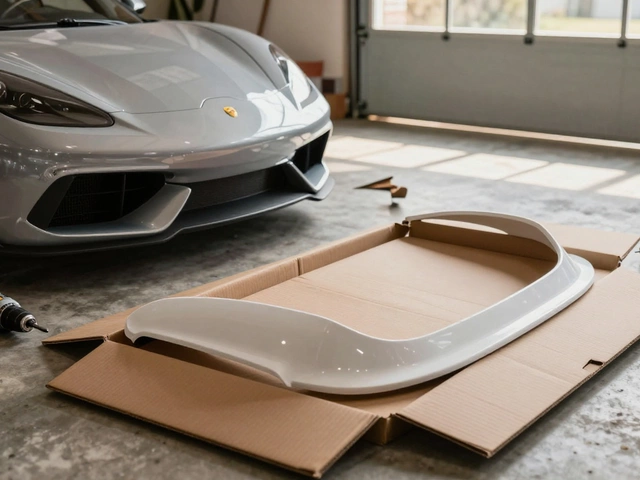
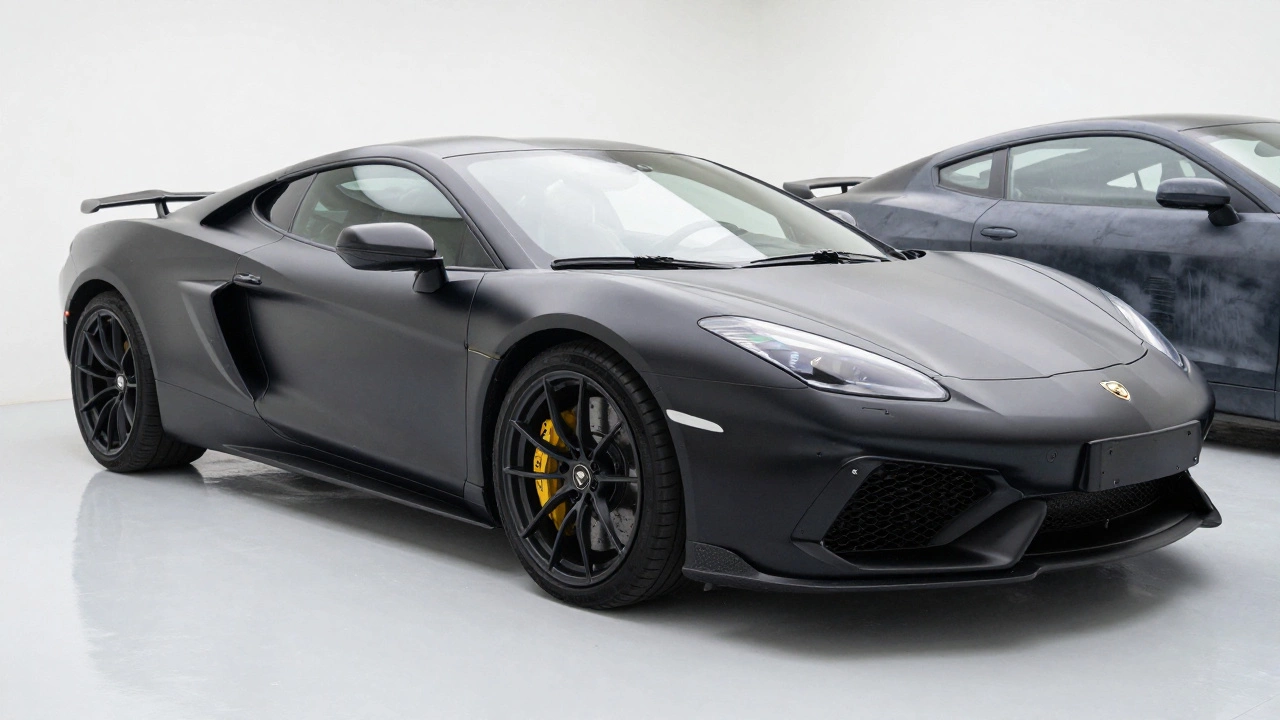
Many people see vehicles with bold matte finishes or striking color changes parked around Brisbane and wonder if they should do the same. You might be thinking about selling a used car soon, or perhaps you just hate your current factory paint color. Car Wrap is a large sheet of vinyl material applied over the original paint to change its appearance and add protection. Also known as Vinyl Wrap, it has become a staple in the automotive customization industry. Before handing over a few thousand dollars, you need to understand exactly what this investment delivers for your specific situation.
Understanding the Core Value Proposition
The biggest question most owners have is whether the cost matches the benefit. A full wrap typically ranges between $2,500 and $4,500 AUD depending on the size of the vehicle and the quality of materials used. In comparison, repainting a vehicle professionally often starts around $3,000 but can quickly exceed $10,000 for high-end OEM matching work. When you pay for a wrap, you aren't just changing the color; you are adding a physical shield over the paint.
Think about how Queensland weather treats cars here. The intense UV radiation breaks down clear coats over time, making paint dull or faded. Vinyl adds a layer of resistance against these rays. However, not all wraps are created equal. Cheaper films use thinner acrylics that crack or fade after two years, while premium cast vinyl lasts five to seven years without degrading. You need to weigh the upfront cost against how long you plan to keep the vehicle.
The Protection Factor vs. Pure Aesthetics
If your main goal is hiding scratches, a standard vinyl wrap helps to a degree, but it is not a miracle cure. It absorbs minor abrasions and protects against light rock chips better than bare paint. For serious stone chip defense, you should look at Polyurethane Film a thicker, self-healing protective layer distinct from standard vinyl wrap. Often called PPF, this material is significantly more expensive per square meter but offers superior impact resistance.
- Standard Vinyl: Best for color changes and branding. Offers moderate protection against UV and minor swirls.
- Paint Protection Film: Best for preserving resale value. Thicker, clearer, and often self-healing when scratched.
- Hybrid Options: Some shops offer colored PPF that combines aesthetics with heavy-duty protection.
In the Brisbane context, where road debris from highways meets coastal salt air, having some barrier is always beneficial. Even if you choose a glossy color change wrap, that layer sits between your clear coat and the harsh environment. Just remember, once the film ages and turns yellowish, removing it leaves behind adhesive residue that can require chemical solvents to clean properly.
Coverage and Longevity Expectations
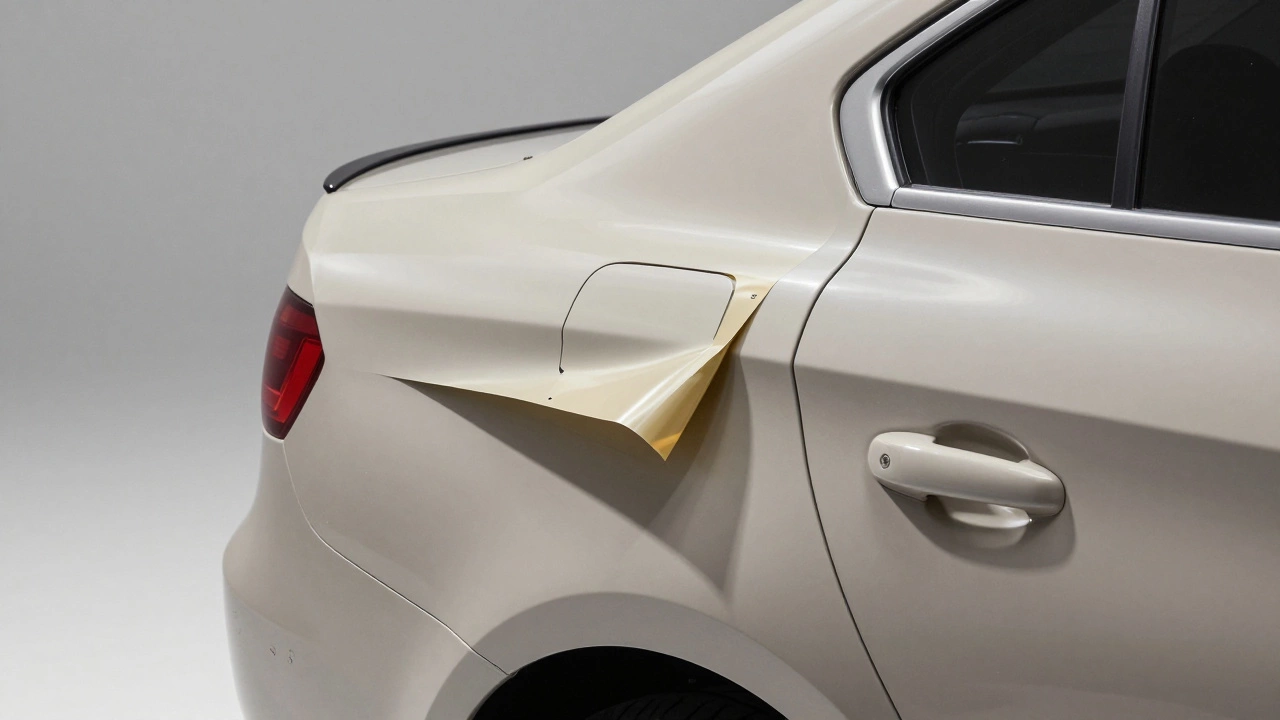
You cannot assume a wrap will last forever. Most manufacturers warranty their film for between 3 and 5 years. After this period, the adhesive begins to break down. When you eventually remove an old wrap, the process requires heat guns to soften the glue. If done incorrectly by an amateur, you risk peeling off the factory paint along with the vinyl. This risk increases significantly on older cars with brittle paintwork.
Installation time matters too. A proper full wrap takes anywhere from 3 days to two weeks depending on the complexity. This means your car is out of commission for nearly a fortnight. During this downtime, you lose convenience and potentially income if the vehicle is essential for work. Budget an extra buffer week because complications happen-complex curves like side mirrors or door handles take longer to cut and trim.
| Type | Lifespan | Cost (Per Meter) | Best Use Case |
|---|---|---|---|
| Casted Vinyl | 5-7 Years | $80 - $150 | Full Vehicle Wrapping |
| Calendered Vinyl | 2-3 Years | $30 - $60 | Fleet Decals or Short Term |
| Paint Protection Film | 7-10 Years | $150 - $250 | High Impact Areas |
Budget Considerations for Australian Markets
Money is the deciding factor for most. Prices fluctuate based on the shop's reputation and location. In major cities like Sydney or Melbourne, prices trend higher due to rent costs. Here in Brisbane, labor rates vary, but expect to pay roughly $400 to $600 per panel for complex areas like hoods or bumpers. Full body coverage is often priced as a package deal. Always ask if the quote includes window tint removal and edge tucking services.
Hiding the sticker price isn't enough. You need to account for maintenance costs. Washed cars regularly, but never use automatic brush tunnels. The bristles catch edges and lift them. Hand wash only, preferably with pH-neutral soap. Waxing is possible on vinyl, but avoid waxes containing abrasives or sealants designed for ceramic coating, as they can leave haze or streaking. These small maintenance steps save you from premature replacement bills.
Impact on Vehicle Resale Value
This is the trickiest part of the equation. A well-maintained wrap can protect the original paint, theoretically keeping the car's condition higher for the buyer. However, buyers are often wary of wrapped cars. They fear the underlying paint is damaged or covered up intentionally to hide defects. If you plan to sell within 2 to 3 years, removing the wrap professionally before listing the car is crucial.
Sellers who leave a wrap on often get lowball offers. Potential buyers calculate the cost of removal and the risk of finding poor paint underneath. To maximize return, document the original paint condition before installation. Take photos of every angle. When the wrap comes off, show proof that the paint underneath is still flawless. This transparency rebuilds trust with potential buyers and validates the extra expense you incurred initially.
When It Makes Sense to Skip the Wrap
Not everyone should wrap their car. If your vehicle already has significant paint damage, oxidation, or bubbling clear coat, applying vinyl will lock those flaws in place and make them worse. The wrap conforms to the surface texture, meaning any imperfections remain visible through the film. Fix the paint first, then consider wrapping.
Also, consider the frequency of ownership change. If you swap cars every 12 months, the ROI is negative. The cost of application plus eventual removal exceeds the added value. It makes sense mostly for daily drivers kept for 5+ years, fleet vehicles needing branding, or classics where you don't want to risk a respray job. Knowing when *not* to invest is just as important as knowing when to pull the trigger.
Installation Risks and Professional Standards
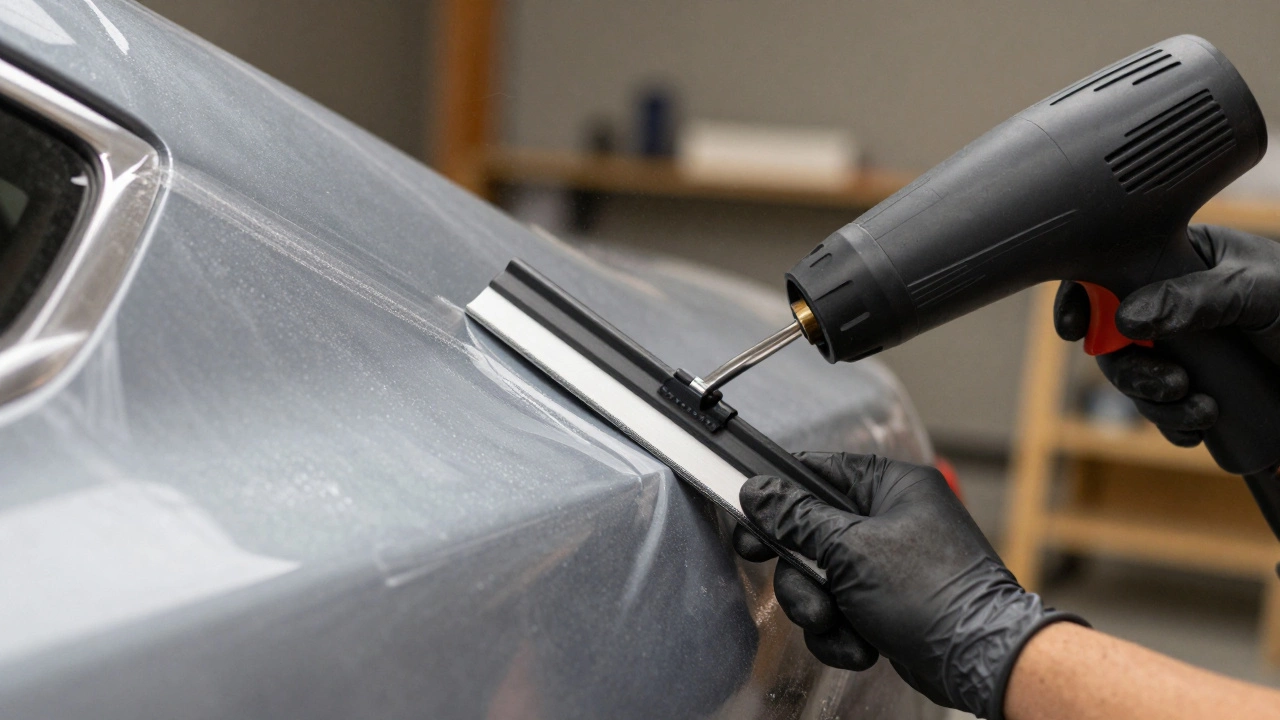
You might think wrapping is just sticking tape on metal. It involves stretching, shrinking, and trimming plastic sheets with surgical precision. Using a heat gun improperly can melt the vinyl, ruining the finish instantly. Professional installers use slip solution to position film before setting the adhesive permanently.
Avoid cheap discount outlets that promise rapid turnarounds. Rushed jobs mean trapped air bubbles and loose edges that fail within months of washing. Verify their portfolio specifically for matte finishes if that is your preference, as matte vinyl shows scratches and oil residue much more easily than gloss finishes. Ask about their cleaning protocols before install; dirt trapped under the film creates permanent bumps you cannot smooth out.
Does a car wrap void my warranty?
Generally, no. Manufacturers like Toyota or Ford do not cover cosmetic damage anyway, so wrapping does not affect mechanical warranties. However, if the installer damages sensors or wiring during the process, that is excluded from warranty claims. Always document the car's condition before installation to protect yourself.
Can I wrap a leased vehicle?
You usually cannot unless you get written permission from the leasing company. The vehicle must be returned in stock color and condition. Removing the wrap later may cost extra, so verify terms before signing. Most companies allow it as long as no adhesive remains upon return.
Will the car be hotter in the sun?
Darker colors absorb more heat, regardless of wrap or paint. Light-colored wraps reflect UV rays better. The vinyl thickness adds negligible insulation compared to the glass windows, so cabin temperature depends mostly on window tinting rather than the exterior wrap material.
How often should I wax a wrapped car?
You should wax approximately every 3 to 6 months using a water-based sealant. Avoid abrasive compounds. Regular washing keeps the surface hydrophobic. Over-waxing can build up a dull layer, so inspect the surface feel frequently to determine maintenance intervals.
Is professional installation mandatory?
For a full vehicle, yes. Small decals might be DIY-friendly. Full wraps require specialized tools like heat guns and squeegees to avoid wrinkles. Poor installation leads to bubbling and early failure, costing more to fix than hiring a pro initially.