Classic Car Interior Revival Estimator
Assess your vehicle's condition and choose a restoration path to get an instant cost estimate and project difficulty rating.
1. Assess Current Condition
2. Choose Restoration Style
Select options and click calculate to see your estimated budget and project scope.
Project Scope
Estimated Cost Range
Recommended Actions
There is a specific kind of heartbreak that comes from sitting in a classic or older vehicle. You know the engine hums with character, the body lines are timeless, but then you look down. The dashboard is cracked like a dry riverbed. The seats smell like a damp basement mixed with old cigarettes. The steering wheel feels sticky. It kills the vibe instantly. But here is the good news: you don’t need a six-figure budget to fix this. With some elbow grease, the right products, and a bit of patience, you can transform a tired cabin into something that looks intentional and clean.
This isn't just about cleaning; it's about styling. Whether you drive a rust-bucket project car or a daily driver with high mileage, the goal is the same: make it feel good to be inside. Let’s break down exactly how to achieve that without turning your garage into a science lab.
Assessing the Damage Before Buying Supplies
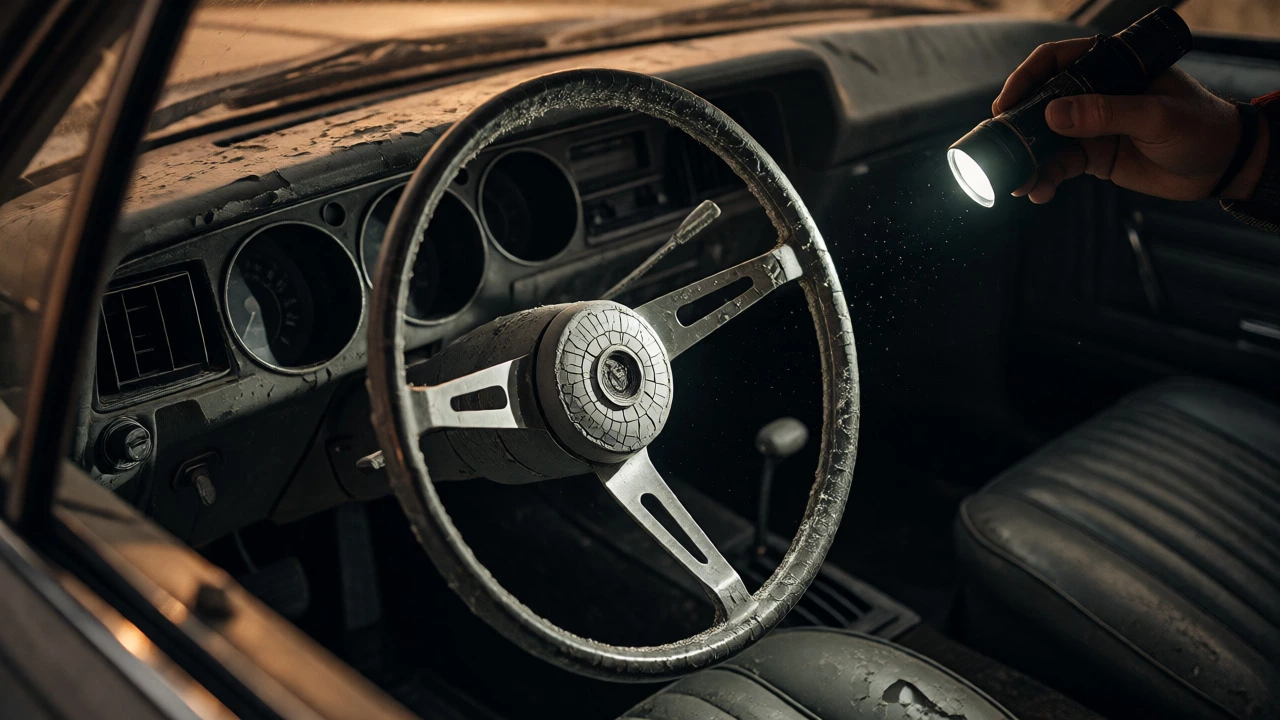
Before you run to the auto parts store, take ten minutes to actually look at what you’re dealing with. Most people skip this step and buy the wrong cleaner, which wastes money. Grab a flashlight and inspect three main areas: the plastics, the fabrics, and the electronics.
Check the dashboard for UV damage. If the plastic is chalky white or has deep cracks, no amount of dressing will hide it. You might need a repair kit or a replacement. Look at the carpet. Is it stained from water leaks? Does it have mold? If yes, you have a bigger problem than just dirt. Finally, test every switch, window, and light. Broken electronics ruin the illusion of quality faster than dirty seats do.
- Plastics: Check for fading, cracking, and stickiness (often called "sticky dash syndrome").
- Fabrics: Look for sun bleaching, tears, and deep-set odors.
- Leather/Vinyl: Inspect for peeling clear coats or hardening/cracking.
- Electronics: Ensure gauges work and lights aren't burnt out.
The Deep Clean: Resetting the Baseline
You cannot style a mess. If your interior is filthy, any cosmetic upgrade will just look like a band-aid on a bullet wound. Start with a top-to-bottom deep clean. This is the most boring part, but it pays off the most.
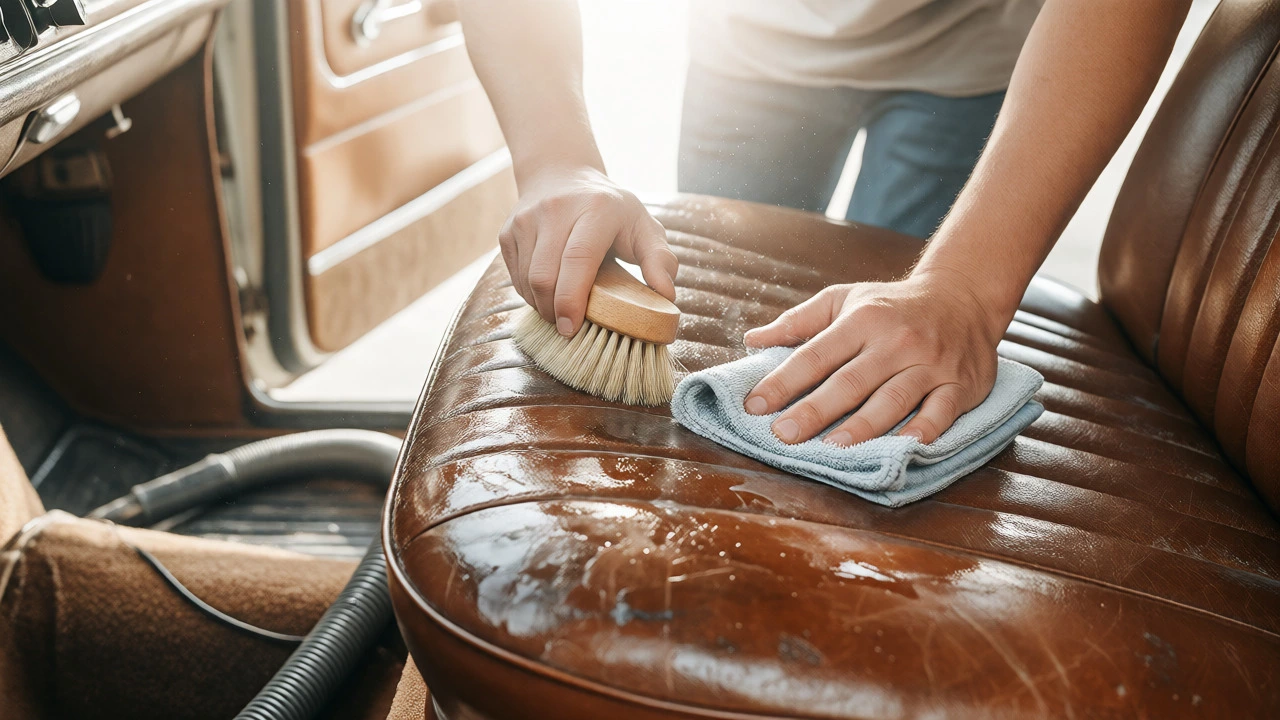
Start by vacuuming. Not just the floor mats-get under the seats, into the crevices of the console, and along the door panels. Use a crevice tool. If you have fabric seats, use an upholstery shampooer or rent one from a local hardware store. For leather, avoid harsh soaps like dish detergent, which strips natural oils. Instead, use a dedicated leather cleaner followed immediately by a conditioner. Dry leather cracks; conditioned leather stays supple.
For hard surfaces, start with a gentle all-purpose cleaner diluted according to the label. Test it on a hidden spot first. Some older vinyl reacts poorly to strong chemicals. Once the grime is gone, rinse with a microfiber towel. Do not let cleaners dry on the surface. This process removes the layer of road film and dust that makes everything look dull and gray.
Fixing Plastics and Vinyl Without Replacing Them
Old cars often suffer from faded interiors. The sun beats down on the dashboard and door cards, turning rich blacks into a sad gray. You have two options: replace the parts (expensive and hard to find) or restore them.
For minor fading, a high-quality vinyl restorer works wonders. These products contain pigments that darken the material back to its original color while providing UV protection. Apply it with a foam applicator, let it sit, and buff it off. It won't fix cracks, but it fixes the color mismatch between your new seat covers and the old dash.
If the plastic is sticky, that’s usually a sign of degrading rubberized coatings or cheap factory treatments breaking down over time. To fix this, you’ll need isopropyl alcohol or a specialized adhesive remover. Scrub gently until the tackiness disappears. It’s messy work, but once it’s done, the touch feels solid again. For severe cracks, consider a plastic welding kit or simply accept the patina if it adds character. Sometimes, a little age looks better than a bad paint job.
| Method | Best For | Cost Estimate | Durability |
|---|---|---|---|
| Cleaning & Conditioning | Mild dirt, slight fading | $20 - $50 | Low (needs monthly upkeep) |
| Vinyl Dye/Restorer | Faded color, minor scratches | $30 - $80 | Medium (lasts 6-12 months) |
| Professional Detailing | Deep stains, heavy odor | $150 - $400 | High (if maintained) |
| Reupholstery | Torn seats, outdated fabric | $500 - $2,000+ | Very High (years) |
Styling Choices: Modern Touches vs. Period Correct
Once the car is clean, you have a blank canvas. Now you decide the direction. Do you want it to look exactly as it did in 1975? Or do you want it to feel modern? There is no wrong answer, but consistency is key.
If you go period correct, research the original options. Did your model come with wood trim? Steel wheels? Specific gauge fonts? Reproduction parts are widely available for popular models like the Ford Mustang or Chevrolet Camaro. Using period-correct materials keeps the soul of the car intact. However, these parts can be pricey and sometimes lower quality than modern equivalents.
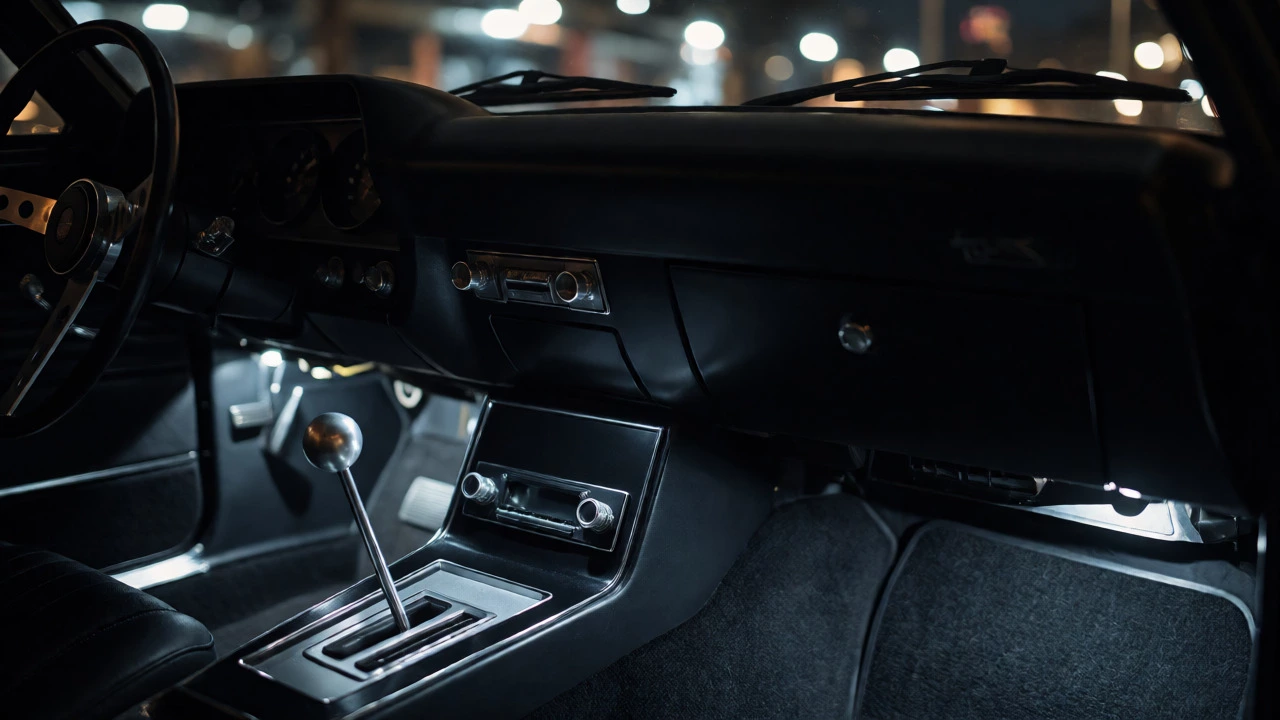
If you prefer a modernized interior, focus on ergonomics and tech. Swapping in a modern head unit that supports Bluetooth and Apple CarPlay changes the daily experience completely. Keep the faceplate simple so it doesn't clash with the vintage aesthetic. Blackout the gauges or add LED backlighting to make them pop at night. Replace worn-out knobs with new ones-they cost five dollars each and make a huge difference.
The Power of Small Details
Big changes get attention, but small details sell the look. Think about the things you touch every day. The shift knob, the steering wheel cover, the pedals.
A new shift knob can anchor the entire center console. Aluminum looks sporty; wood looks luxurious. Just make sure it fits the shifter shaft correctly. Many old cars use non-standard threads, so check compatibility before buying.
Lighting is another secret weapon. Factory bulbs are often dim yellow incandescent. Swap them for cool-white LEDs. This brightens up the footwells and glove boxes, making the cabin feel larger and cleaner. It costs less than twenty bucks and takes thirty minutes to install.
Don't forget the smell. A stale interior smells like neglect. After cleaning, place an open box of baking soda in the trunk overnight to absorb odors. Then, use a subtle air freshener. Avoid the heavy pine trees. Go for neutral scents like vanilla, linen, or unscented activated charcoal bags. They keep the car smelling fresh without overpowering the driver.
Protecting Your Work
You spent hours making it look good. Don't let it fade again next summer. Sun exposure is the number one killer of car interiors. Park in the shade whenever possible. If you must park outside, use a windshield sunshade. It blocks direct UV rays from hitting the dash and front seats.
Apply a UV protectant to all exposed vinyl and plastic surfaces every few months. It creates a barrier against the sun. For leather, continue conditioning quarterly. If you live in a humid climate, run the AC regularly to prevent mildew growth in the vents.
Can I use household cleaners on my car interior?
It depends. Glass cleaners are fine for windows. All-purpose cleaners can work on plastics if diluted properly. However, avoid bleach-based cleaners on fabrics as they can cause discoloration. Never use abrasive scrubbers on soft-touch plastics, as they will scratch the finish permanently.
How do I remove cigarette smell from an old car?
First, vacuum thoroughly and wipe down all hard surfaces. Cigarette tar sticks to everything. Next, shampoo the carpets and seats. If the smell persists, replace the cabin air filter if equipped. As a last resort, use an ozone generator or hire a professional detailer who uses steam cleaning. Ozone breaks down odor molecules at a chemical level.
Is it worth reupholstering old seats?
Yes, if the frames are solid. New fabric transforms the look more than any other single change. If the foam is collapsed, ask the upholsterer to replace it too. Custom stitching allows you to match your exterior color or add contrast piping for a unique look.
What is the best way to fix a sticky dashboard?
Sticky dashes are caused by the breakdown of rubberizing compounds. You can try wiping it down with isopropyl alcohol and a microfiber cloth. Repeat as necessary. If the texture remains uneven, you may need to strip the coating entirely using a degreaser and then apply a matte finish protectant. In extreme cases, replacing the dash pad is the only permanent fix.
Should I install a modern stereo in a classic car?
Absolutely, if you listen to music. Modern head units offer Bluetooth, USB, and smartphone integration. Choose a unit with a removable faceplate or a design that mimics the original era (like retro-style digital radios). This gives you modern convenience without ruining the vintage aesthetic.