Wheel Spacer Offset Calculator
Results
There is a persistent myth in the car community that adding a 1-inch wheel spacer shifts your wheel's offset by exactly one inch. If you are planning to widen your stance or fix rubbing issues, believing this myth could lead to expensive mistakes. The reality is much simpler but requires a quick unit conversion to understand.
When you install a wheel spacer is a metal disc installed between the wheel hub and the wheel itself to push the tire outward, you are physically moving the wheel away from the vehicle. However, automotive engineers measure offset in millimeters, not inches. So, how much does a 1-inch spacer actually change your setup?
The Exact Math: Inches to Millimeters
To answer the question directly: a 1-inch wheel spacer changes your effective offset by 25.4 millimeters. That is it. There is no complex formula involving hub bore or bolt patterns for this specific calculation. It is a straight geometric shift.
Offset is defined as the distance from the wheel's mounting surface to its centerline. A positive offset means the mounting surface is toward the outside of the car (toward the brake caliper), while a negative offset means it is toward the inside. When you add a spacer, you are effectively creating a new mounting surface further out. Therefore, the offset becomes more negative by the exact thickness of the spacer.
If your current wheels have an offset of +35mm and you add a 1-inch (25.4mm) spacer, your new effective offset is +9.6mm. You have moved the wheel 25.4mm outward, making the offset number smaller (closer to zero or negative).
Why This Distinction Matters for Fitment
Understanding that 1 inch equals 25.4mm in offset terms is crucial for clearance calculations. Many beginners think they can just "add an inch" without considering how that affects suspension geometry. Here is what actually happens when you push the wheel out by 25.4mm:
- Track Width Increases: Your vehicle’s track width widens by 50.8mm total (25.4mm on each side if you do both wheels). This improves stability in corners but puts more stress on wheel bearings.
- Steering Rack Strain: Pushing the wheels out increases the leverage on your steering components. On older vehicles with worn tie rods, this can cause premature wear or loose steering feel.
- Fender Clearance: You gain roughly 1 inch of space between the tire and the fender arch, which helps if your tires were rubbing during turns.
However, if you only need 15mm of clearance, using a 1-inch spacer overcorrects the situation. You might end up with the wheel sticking out too far, looking aggressive but potentially violating local road regulations regarding mirror-to-tire alignment.
Hub-Centric vs. Lug-Centric Installation
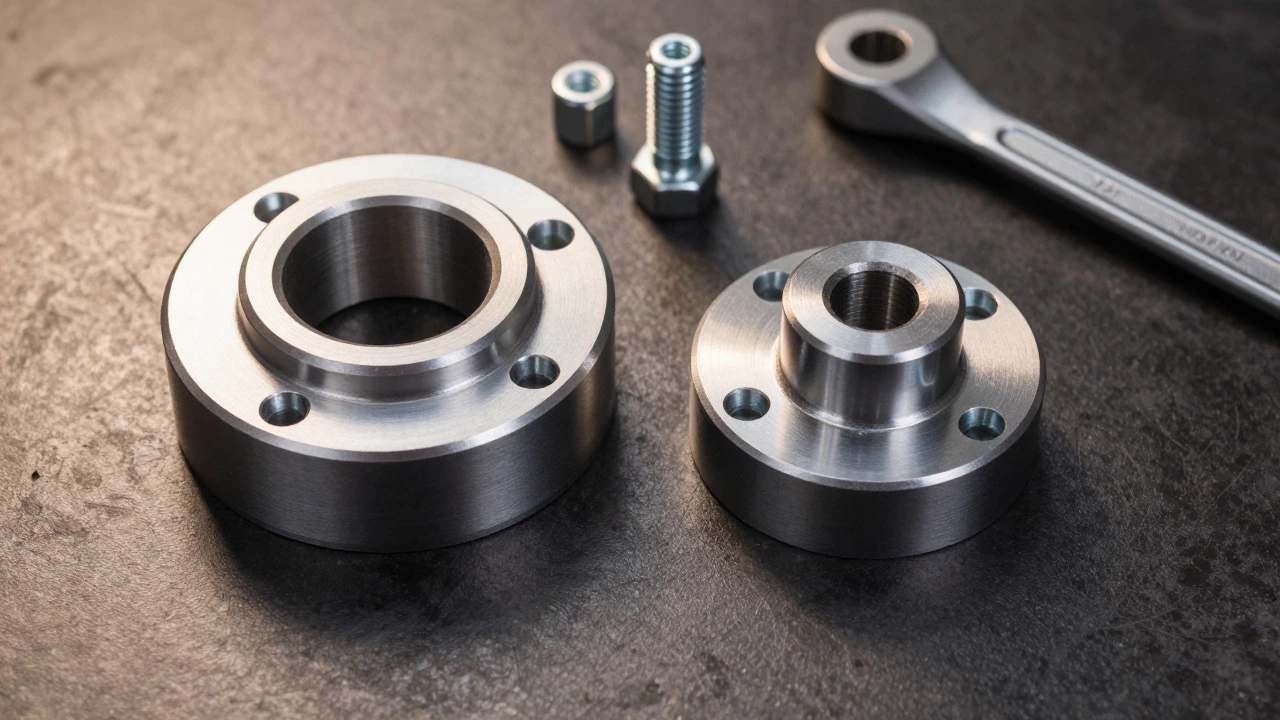
Not all spacers are created equal, and the type you choose affects safety more than the offset math. When selecting a 1-inch spacer, you must decide between hub-centric and lug-centric designs.
Hub-centric spacers feature a large inner ring that fits perfectly over the vehicle's hub pilot diameter. This ensures the wheel is centered by the hub, just like stock wheels. This is the gold standard for safety and vibration-free driving. Most modern cars have a specific hub bore size, such as 67.1mm or 57.1mm. Your spacer must match this exactly.
Lug-centric spacers rely entirely on the lug nuts to hold the wheel in place. While cheaper, they often cause vibrations at highway speeds because the wheel isn't perfectly centered on the axle. For a 1-inch spacer, which adds significant leverage, skipping hub-centric design is a risky gamble. Always verify your vehicle's hub bore size before purchasing.

Bolt Pattern Compatibility
Another critical factor is the bolt pattern is the arrangement of holes on the wheel that align with the vehicle's studs. A common mistake is buying a spacer that matches the front bolt pattern but not the rear, especially on SUVs or trucks where front and rear patterns differ.
For example, many Ford F-150 models have a 6x135mm pattern on the front and a 6x139.7mm pattern on the rear. If you buy universal 1-inch spacers for the front, they will not fit the back. Always check both axles. Additionally, ensure the spacer has extended studs or uses the existing studs with longer lug bolts. Using the wrong length lug bolts can result in insufficient thread engagement, leading to wheels falling off under load.
Legal and Safety Considerations
In many regions, widening the track width beyond factory specifications requires the vehicle to pass inspection. In Europe, ECE-R10 certification for spacers is often mandatory for legal road use. In the US, laws vary by state. Some states require that mirrors be adjusted so the driver can see at least 200 feet down the road alongside the vehicle. Adding 1-inch spacers might push the tires past the mirror line, requiring wider mirrors to remain compliant.
Safety-wise, increasing the unsprung weight and leverage on the wheel bearings is real. Wheel bearings are designed for specific loads. Pushing the contact patch 25.4mm outward increases the moment arm, accelerating wear. Inspect your wheel bearings every 10,000 miles after installing spacers. Listen for humming noises when turning, which indicate early failure.
| Spacer Thickness (Inches) | Spacer Thickness (MM) | Effective Offset Change | Total Track Width Increase (Both Sides) |
|---|---|---|---|
| 0.5 inches | 12.7 mm | -12.7 mm | 25.4 mm (~1 inch) |
| 1.0 inches | 25.4 mm | -25.4 mm | 50.8 mm (~2 inches) |
| 1.5 inches | 38.1 mm | -38.1 mm | 76.2 mm (~3 inches) |
| 2.0 inches | 50.8 mm | -50.8 mm | 101.6 mm (~4 inches) |
When to Use a 1-Inch Spacer
A 1-inch spacer is ideal for correcting minor rubbing issues caused by lowering springs or larger aftermarket wheels. If your new wheels sit too far inward and scrape the control arms during compression, a 25.4mm spacer provides a clean fix without changing the entire wheel set. It is also popular for aesthetic purposes, giving the vehicle a wider, more planted look that mimics factory sport packages.
However, avoid using 1-inch spacers if your vehicle already has a very low offset (e.g., -10mm or lower). Adding another 25.4mm of negative offset might push the tires dangerously close to the fender edges or cause interference with suspension components like sway bar links.
Installation Tips for Best Results
Proper installation prevents vibrations and ensures longevity. Follow these steps carefully:
- Clean the hub surface thoroughly. Any rust or debris between the hub and spacer causes runout and vibration.
- Install the spacer onto the hub first to ensure it seats fully against the face.
- Mount the wheel onto the spacer.
- Tighten lug nuts in a star pattern to the manufacturer's torque specification. Do not overtighten, as this can warp the spacer or stretch bolts.
- After 50 miles, re-torque the lug nuts. Thermal expansion and settling can loosen them slightly.
Using high-quality forged aluminum spacers is recommended over cast ones. Forged aluminum offers better strength-to-weight ratio and resistance to cracking under impact loads. Cheap cast spacers can shatter if you hit a pothole at speed.
Does a 1-inch spacer change the offset by 1 inch?
No. Offset is measured in millimeters. A 1-inch spacer changes the offset by 25.4mm. It makes the offset more negative by that amount.
Are 1-inch wheel spacers safe?
Yes, if they are hub-centric, made of forged aluminum, and installed correctly with proper lug nuts. They increase stress on wheel bearings, so regular inspections are necessary.
Do I need different spacers for front and rear?
Only if your vehicle has different bolt patterns or hub bore sizes for the front and rear axles. Many SUVs and trucks require different spacers for each axle.
Will 1-inch spacers cause vibrations?
They should not if they are hub-centric and the hub surface is clean. Vibrations usually come from lug-centric spacers, dirt on the hub, or improper torqueing of lug nuts.
How much track width does a 1-inch spacer add?
It adds 1 inch to each side, resulting in a total track width increase of 2 inches (50.8mm) across the vehicle.