
When it comes to your car’s engine, air filter efficiency, how well an air filter traps dirt while allowing enough airflow to reach the engine. It’s not about how shiny the filter looks or how loud the brand name is—it’s about what actually keeps your engine running clean and strong over time. Many drivers think upgrading to a "performance" filter automatically means more power, but the truth is simpler: a clean, properly fitting filter that matches your driving habits does more than any expensive upgrade ever will.
Dry air filters, filters made from layered paper or synthetic media without oil. Oiled air filters, on the other hand, use a sticky coating to catch more particles—but that same coating can clog faster if not maintained right. The difference between them isn’t always about power. It’s about maintenance, environment, and long-term reliability. If you drive mostly on paved roads in dry conditions, a dry filter often lasts longer and needs less fuss. If you’re regularly off-roading or in dusty areas, an oiled filter might trap more grit—but only if you clean and re-oil it properly. Skip that step, and you’re risking engine damage.
Performance air filter, a term often used for aftermarket filters marketed as boosting horsepower. Engine air filter is the real term—because that’s what it is. It’s not a magic box. Real-world tests show most stock engines gain less than 5 horsepower from a high-end filter, and often lose fuel economy because the filter’s design alters airflow in unpredictable ways. The biggest benefit of a good filter isn’t speed—it’s protection. Dirt is the #1 killer of internal engine parts. A filter that catches 99% of dust and debris, even if it’s cheap, is better than one that catches 97% but costs ten times more.
What you’ll find in the posts below isn’t a list of top 10 filters. It’s the real talk: what works, what doesn’t, and what’s just salesmanship. You’ll see side-by-side comparisons of dry vs oiled filters, why expensive brands don’t always deliver, and how a $20 filter can outperform a $150 one if it’s the right fit for your car. We’ll also cover how airflow, filter material, and even your climate affect efficiency—not just the brand on the box. No fluff. No hype. Just what actually keeps your engine alive and running strong.
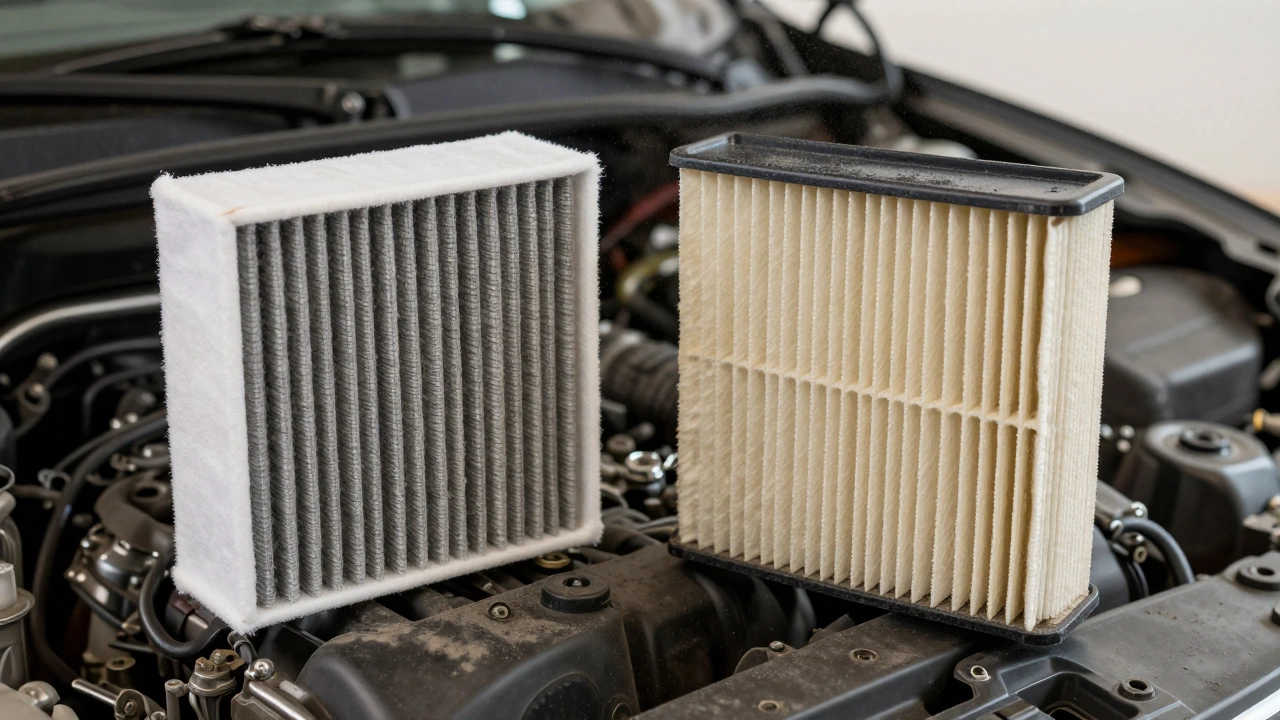
Performance air filters won't improve your fuel economy. Learn why better airflow doesn't mean better MPG and what actually works to save gas on your daily drive.