
Thinking about squeezing a bit more out of your ride? You don’t need a full engine rebuild to feel the difference. A smart set of upgrades can raise horsepower, shave off a few gallons per tank, and give your car a fresh vibe. Below we break down the most common upgrades, why they work, and what to watch out for.
Air filters are the unsung heroes of engine breathing. A stock paper filter traps dust but also restricts airflow. Swapping to a performance filter—like a K&N drop‑in—lets more air rush in, which can translate to a modest horsepower bump (usually 1‑5%). The trade‑off? Some filters trade a tiny bit of filtration efficiency for flow, so you’ll need to keep them clean. Follow the manufacturer’s cleaning schedule and you’ll avoid the myth that a dirty filter kills power.
If you’re after fuel‑economy gains, the story is mixed. In some tests, a less‑restrictive filter lowered pumping losses enough to shave 0.5‑1 MPG. The effect is subtle, but noticeable on highway cruising. The key is pairing the filter with a proper tune or ECU remap so the engine can adjust fuel delivery.
Carbon fiber isn’t just for exotic supercars. Swapping a hood, roof, or rear spoiler for a carbon piece drops weight high up on the car, improving handling and shaving a few tenths of a second off your 0‑60. The material is strong, but it can crack if it takes a hard impact or if it’s exposed to extreme UV without proper coating. Regularly check for hairline cracks and keep the surface sealed to extend life.
Beyond looks, a lighter front end reduces front‑axle load, which can improve tire wear and give a more responsive feel in tight corners. The performance gain isn’t huge, but the visual upgrade alone often justifies the cost for enthusiasts.
Other easy upgrades include a cat‑back exhaust for a throatier sound and a few extra horsepower, a simple ECU flash to unlock the hardware already in the car, and lightweight wheels that cut rotational mass. Each upgrade adds a small piece to the performance puzzle.
Before you buy, ask yourself: Do you want more power, better fuel economy, a sharper look, or a mix? Most people find the biggest bang‑for‑buck with a clean air filter, a tuned exhaust, and a light carbon component. Keep maintenance simple—regular filter cleaning, occasional carbon inspections, and proper tire pressure—to enjoy the gains without headaches.
Remember, the best upgrades fit your driving style. If you’re a daily commuter, focus on fuel‑saving tweaks. If you live for weekend track days, chase horsepower and weight reduction. Either way, a thoughtful upgrade plan will make your car feel like a brand‑new ride without breaking the bank.
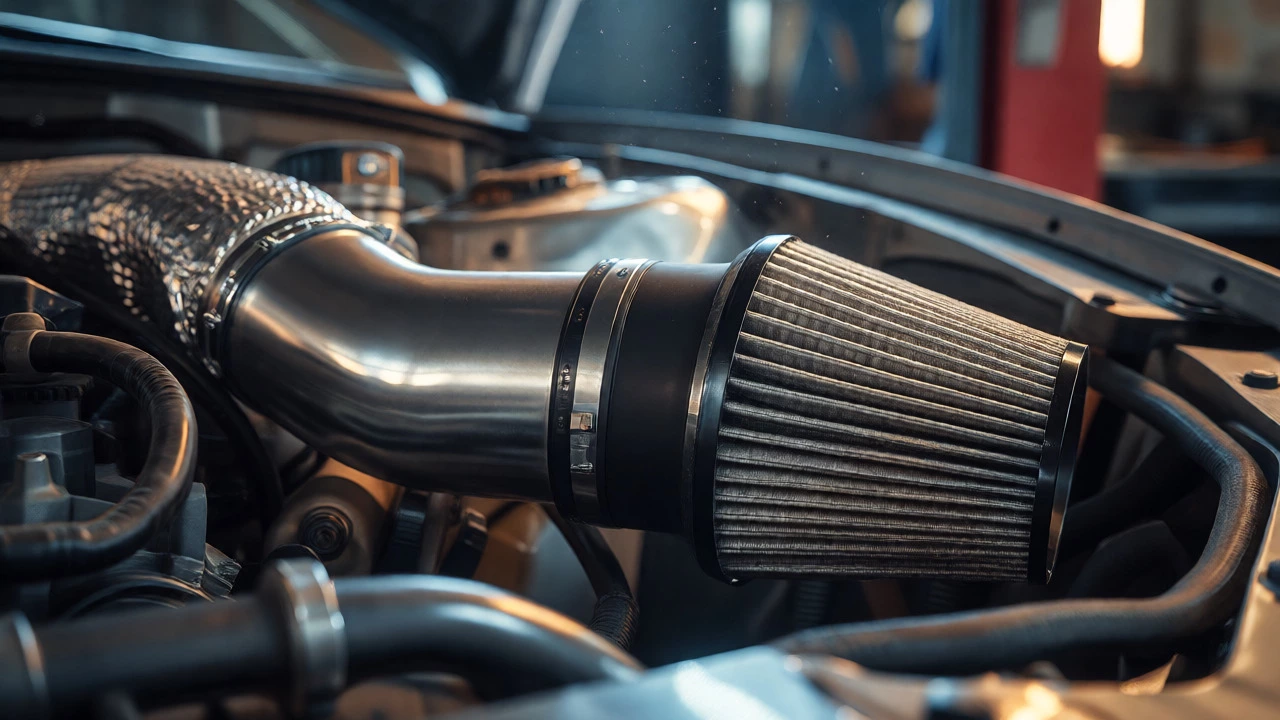
Discover which air filter removes the most dust. We compare paper, cotton, and synthetic materials, explain micron ratings, and reveal the best options for balancing engine protection with performance.

Discover the hidden risks of running a dry performance air filter. Learn how skipping oiling leads to engine wear, MAF sensor failures, and costly repairs.
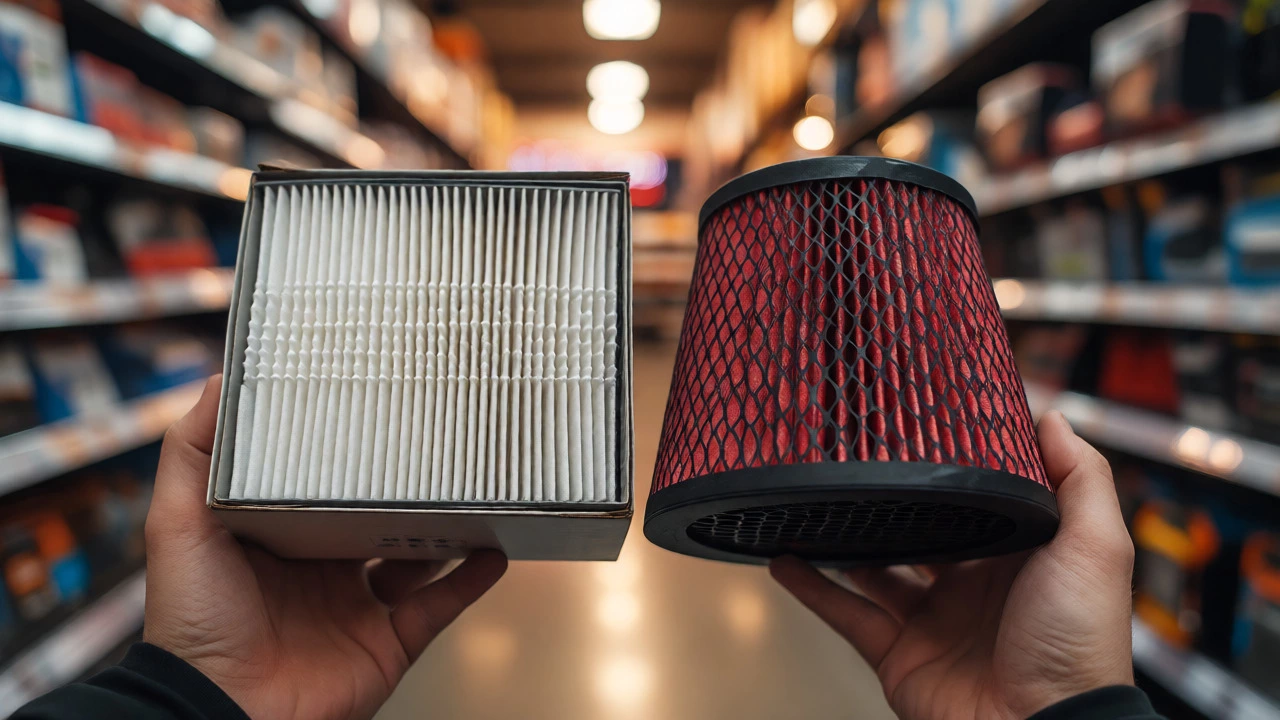
Discover why higher CFM isn't always better for performance air filters. Learn how airflow velocity, filtration efficiency, and climate impact your car's power.
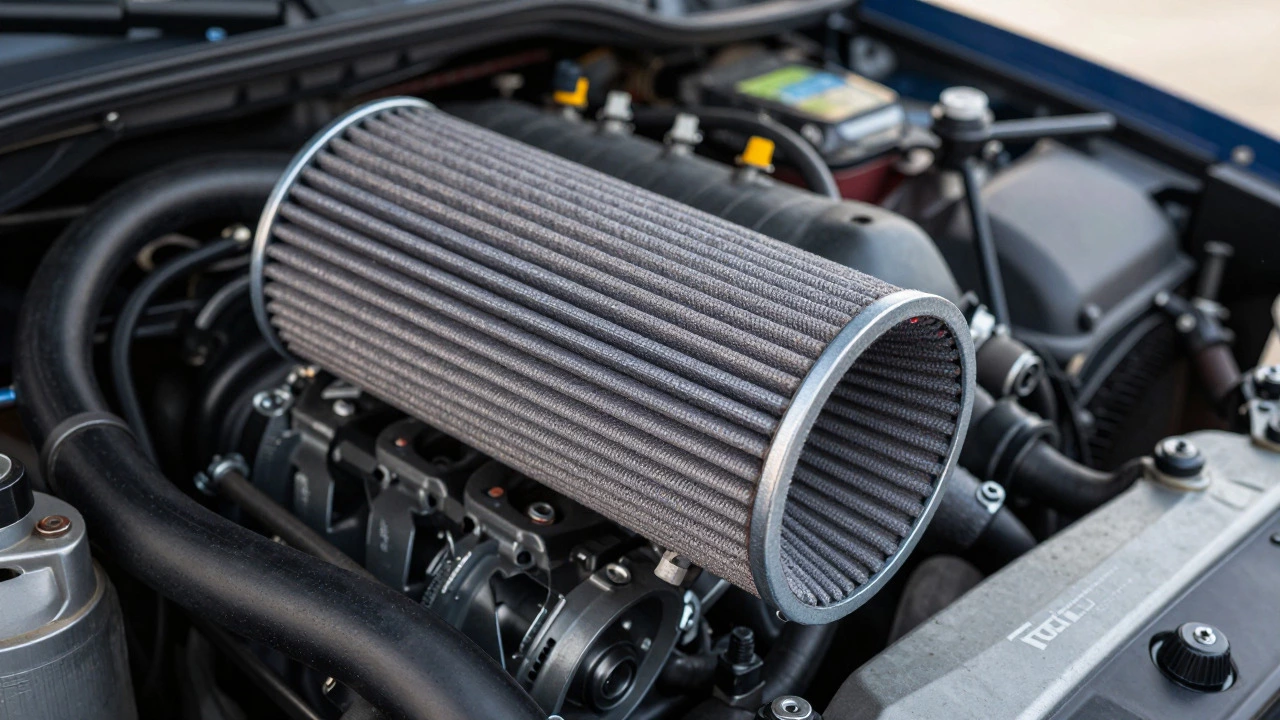
Discover the real horsepower gains from a K&N air filter. We break down direct-fit vs. cold air intake results, maintenance tips, and whether the upgrade is worth it for your car.
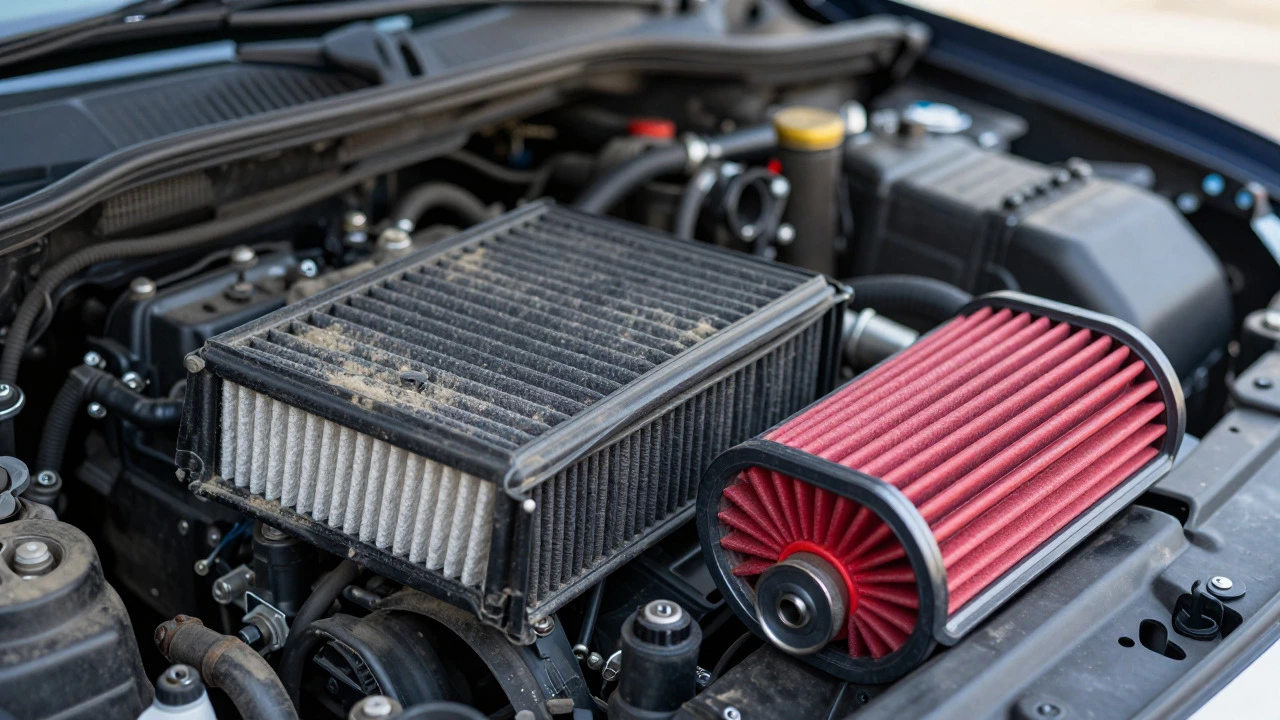
Discover if swapping to a performance air filter truly boosts your MPG. We break down the science of airflow, compare stock vs. high-flow filters, and reveal the real impact on fuel economy.
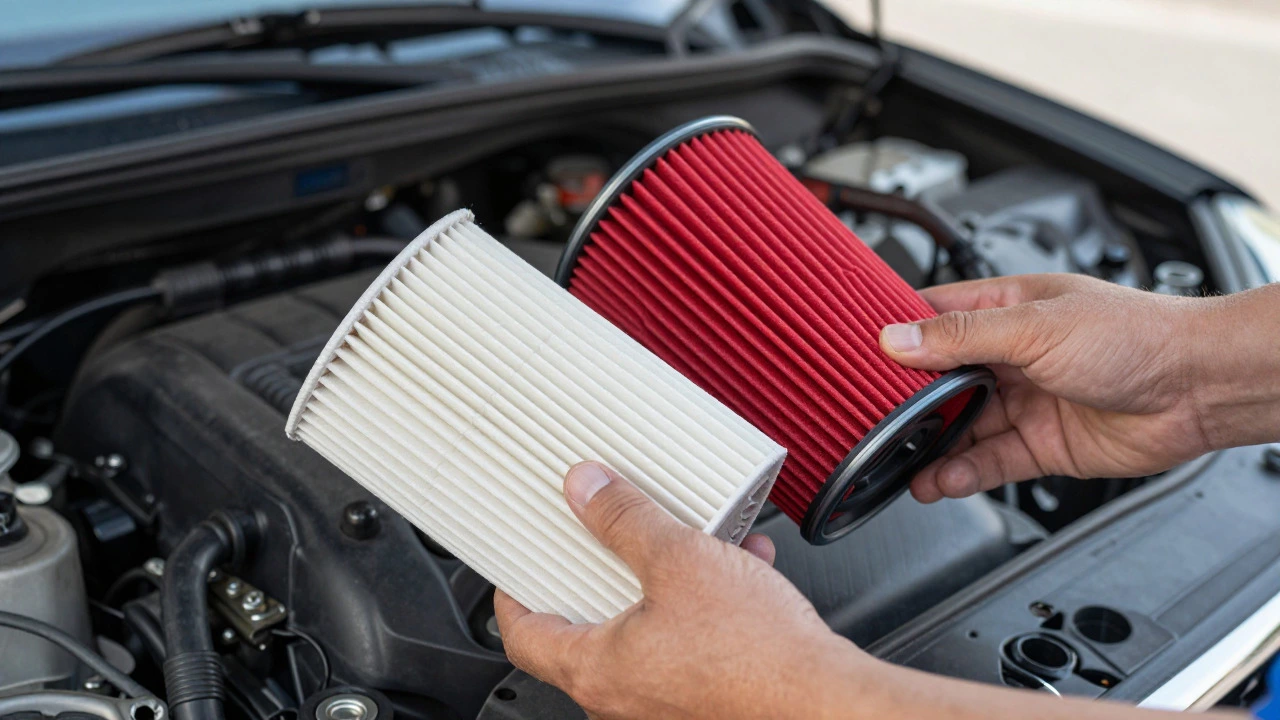
Does a performance air filter make a car louder? Discover the truth behind intake noise myths, compare drop-in filters vs cold air intakes, and learn what actually increases engine sound.

Do performance air filters let in more dirt? We debunk the myth using real filtration data, explaining how oiled cotton works, the risks of over-oiling, and maintenance tips to keep your engine clean.
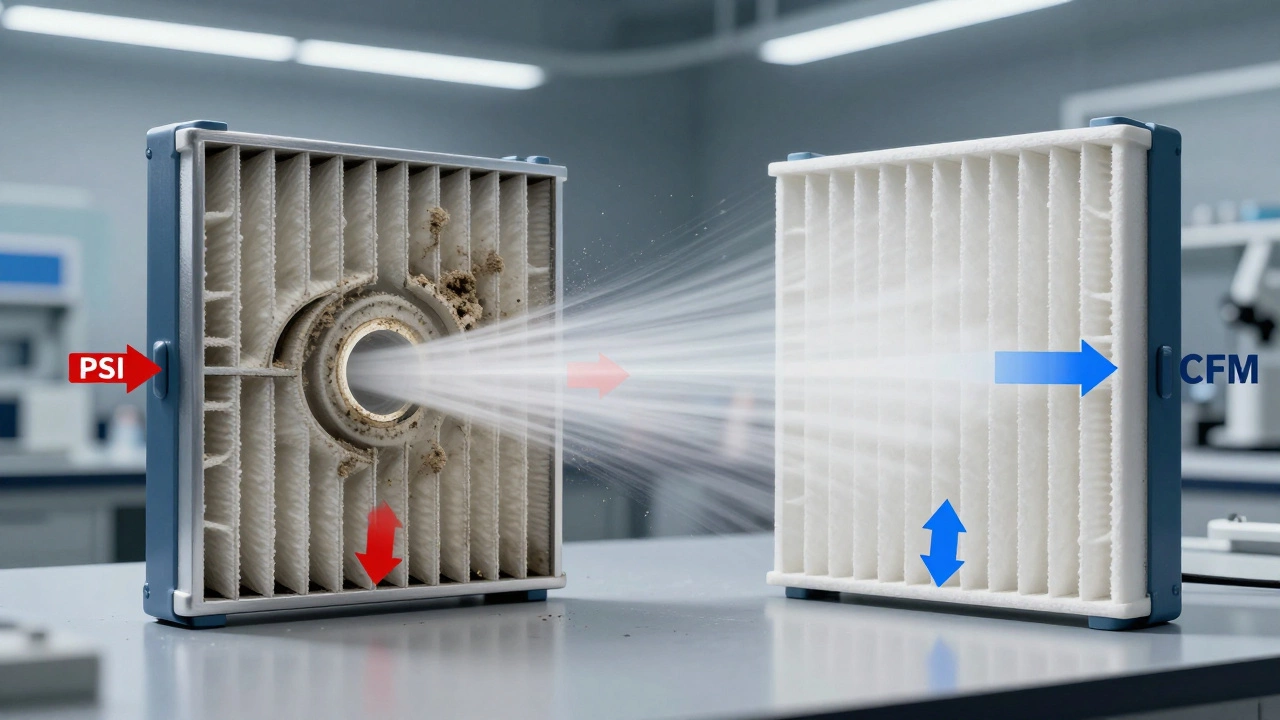
Discover the truth about PSI and CFM in air filters. Learn how pressure drop affects airflow, whether high-flow filters really make power, and how to choose the right intake for your vehicle.
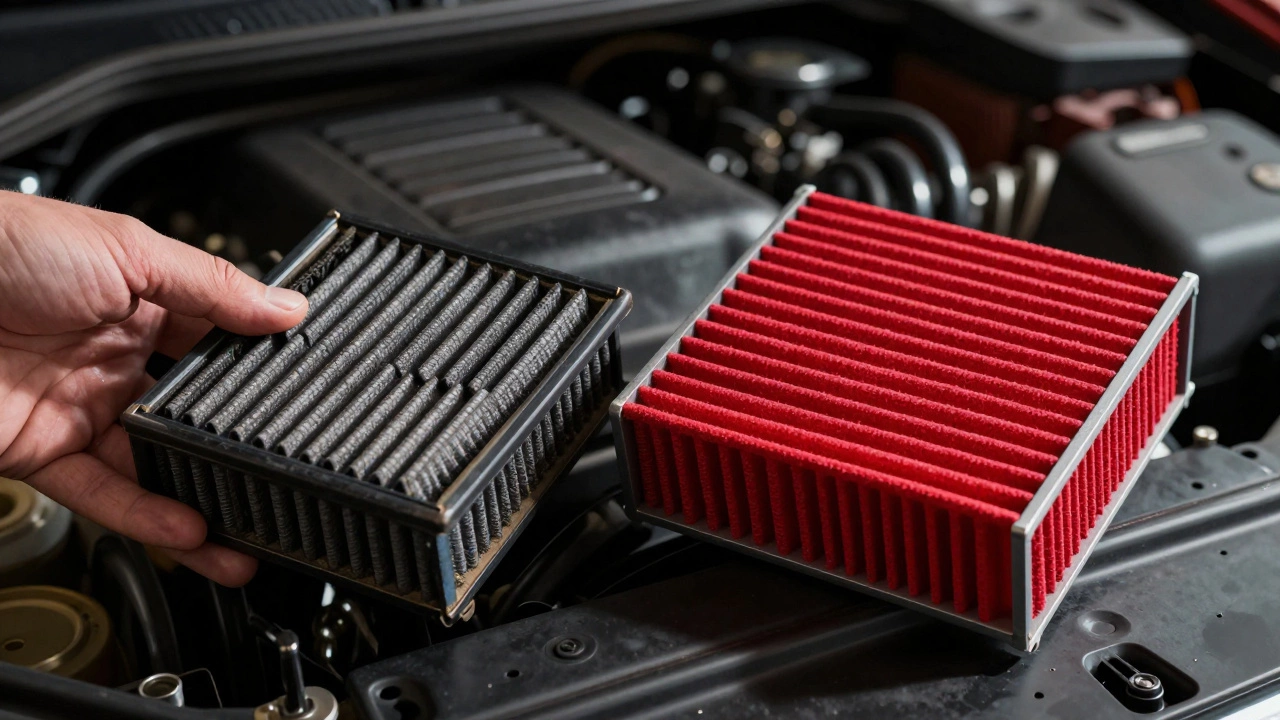
Discover if performance air filters really boost horsepower or just add cost. We analyze real dyno data, maintenance tips, and top brands to help you decide.
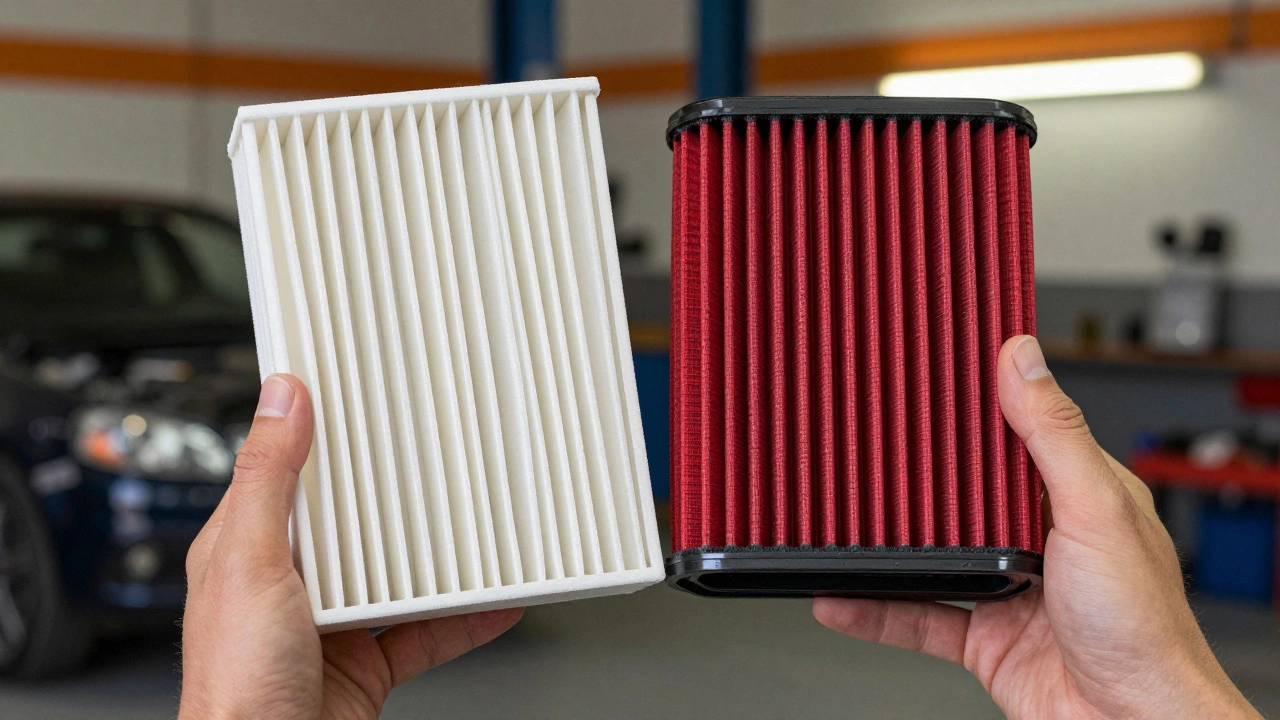
Discover if sport air filters really damage engines. Learn about filtration differences, MAF sensor risks, and how to maintain your upgrade safely for better performance.
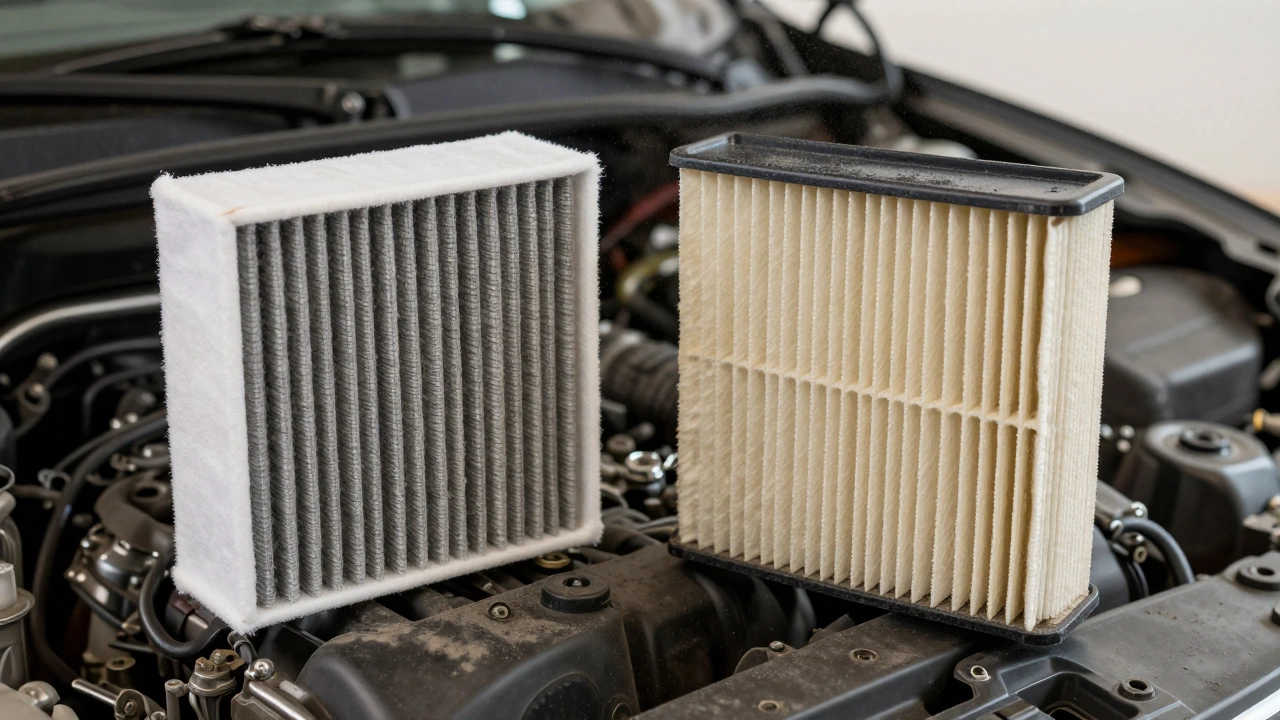
Performance air filters won't improve your fuel economy. Learn why better airflow doesn't mean better MPG and what actually works to save gas on your daily drive.
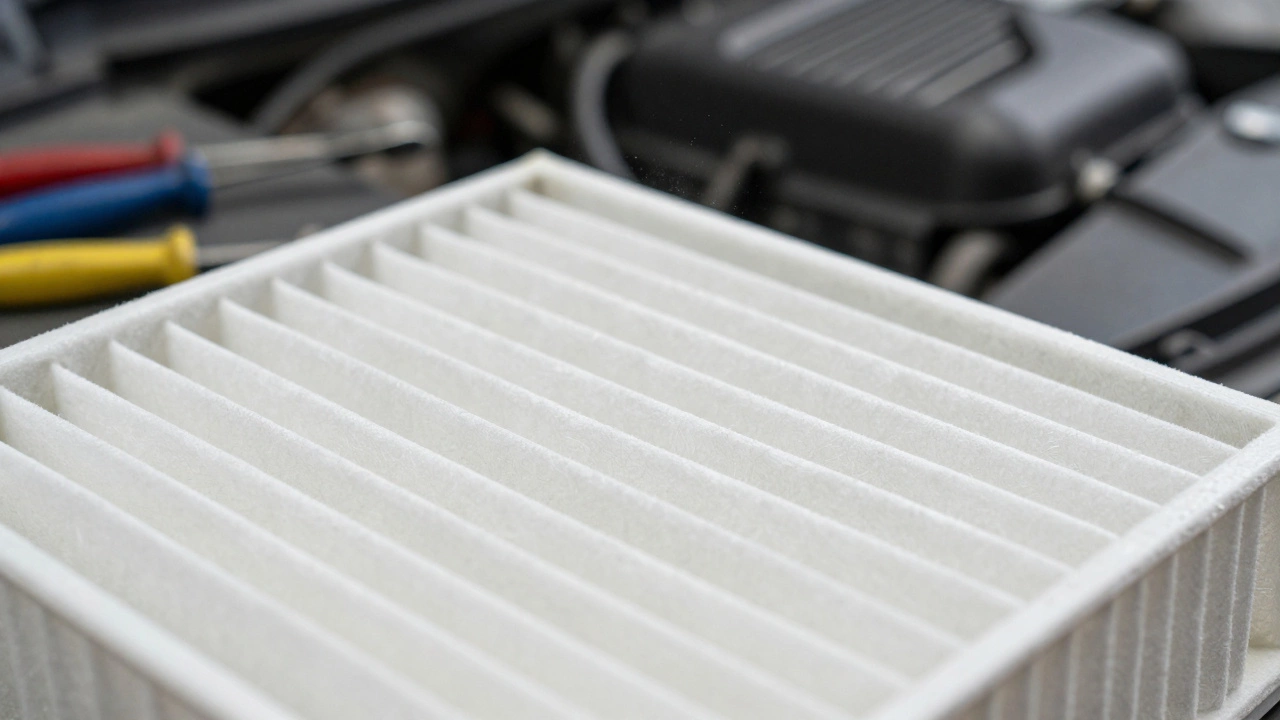
Dry vs oiled air filters: which one actually gives better performance? Learn the real differences, risks, and which one most drivers should choose for reliability and power.