
When you think about an air intake upgrade, a modification that replaces your car’s factory air path to bring in more air for combustion. Also known as cold air intake, it’s one of the most popular tweaks for drivers who want more power without a full engine swap. But here’s the thing: most of the time, it doesn’t do what the ads claim. You won’t suddenly gain 50 horsepower. You won’t slash your fuel bills. And unless you’re racing, you probably won’t even hear a difference.
What you will get is a change in how your engine breathes—and that matters. A better air intake system replaces the cramped, restrictive factory duct with a smoother, wider path. That means less resistance, more airflow, and slightly better throttle response. But the real question isn’t about airflow—it’s about what kind of filter you’re using. dry air filter, a reusable filter made from synthetic media that doesn’t need oil vs. oiled air filter, a cotton gauze filter coated in oil to trap dirt—each has trade-offs. Oiled filters catch more dust but can contaminate your mass airflow sensor. Dry filters are cleaner and safer for daily drivers but might not filter as finely under extreme conditions.
And then there’s the myth that bigger airflow equals better fuel economy. It doesn’t. Your car’s computer adjusts fuel delivery based on air input. More air? More fuel. That’s how it works. So if your air intake lets in 15% more air, your engine just burns 15% more gas to match. That’s why most real-world tests show zero MPG gains from aftermarket intakes. The real benefit? A slight boost in mid-range torque and a sportier engine note—not a fuel-saving miracle.
Some drivers swear by their K&N or Injen intake. Others regret spending $300 on something that didn’t move the needle. The truth? For 90% of people, the factory system is fine. It’s designed to balance airflow, filtration, noise, and emissions. An upgrade only makes sense if you’re already modifying your engine, chasing a specific sound, or driving in dusty conditions where the stock filter clogs too fast.
What you’ll find in the posts below isn’t marketing fluff. It’s real talk from people who’ve tried these upgrades, tested them, and lived with the results. You’ll see why expensive filters don’t deliver on their promises, what actually happens when you swap a dry filter for an oiled one, and why a cold air intake might hurt more than help in the winter. No hype. No guesswork. Just what works—and what doesn’t—when you’re trying to make your car breathe better.
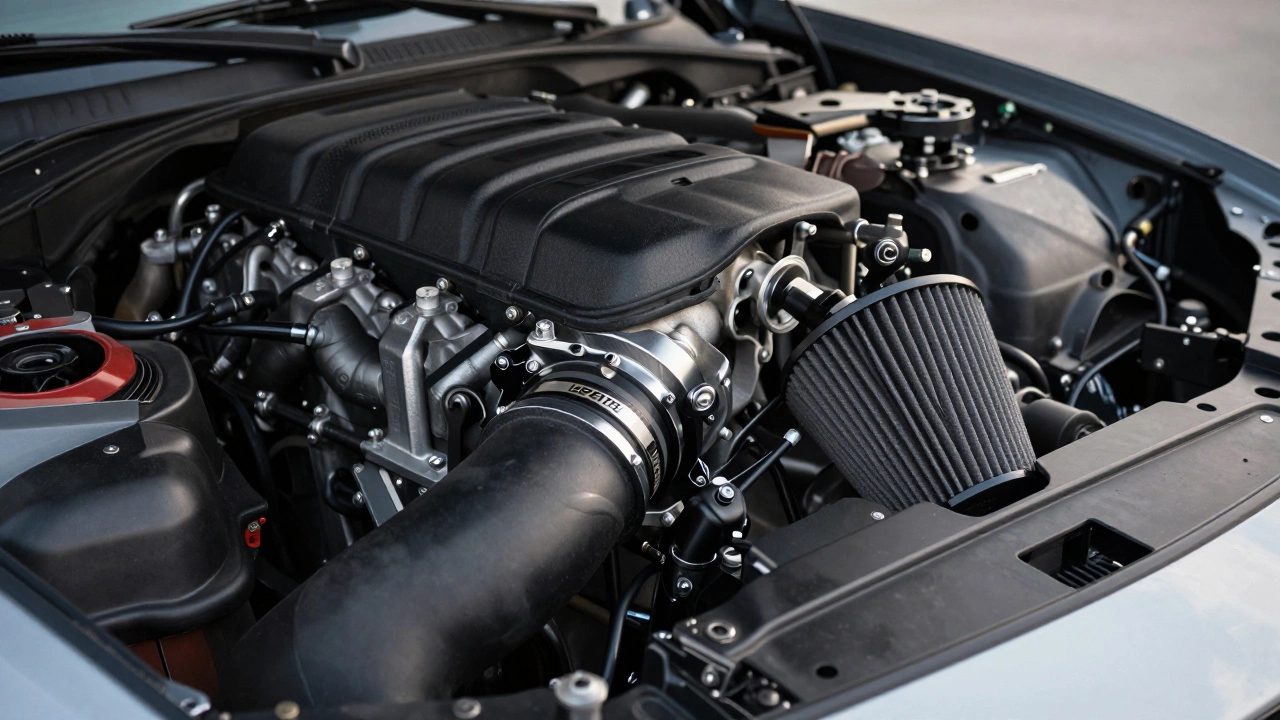
Discover which performance air intake delivers the most real-world horsepower gains. Learn what actually works, what doesn't, and which brands deliver measurable power increases on stock engines.