
When you hear dry air filter, a reusable air filter designed to trap dirt without oil, often made from cotton gauze or foam. Also known as performance air filter, it's marketed as a way to boost engine power and fuel economy by letting more air in. But here’s the truth: most drivers won’t see a real difference. Unlike factory paper filters, dry filters don’t use oil to catch particles. Instead, they rely on tighter weave materials—usually cotton or synthetic foam—that you clean and reuse. Brands like K&N popularized them, promising more horsepower and better throttle response. But real-world tests, including those by automotive magazines and independent labs, show that the gains are tiny—often less than 2 horsepower on a stock engine.
What people don’t talk about is what aftermarket air filter, a replacement filter sold outside the car manufacturer’s supply chain actually does to your engine’s protection. Paper filters are designed to catch particles as small as 5 microns. Many dry filters, even high-end ones, let through particles up to 10-15 microns. That might not sound like much, but in dusty environments or on gravel roads, those tiny bits of sand and grit can wear down cylinder walls over time. And if you’re not cleaning and re-oiling your filter properly (yes, even dry ones need maintenance), you’re risking clogs or worse—contaminants slipping through.
Then there’s the air filter efficiency, how well a filter traps dirt while allowing air to flow myth. Just because a filter lets in more air doesn’t mean your engine runs better. Modern engines have sophisticated sensors that adjust fuel delivery based on airflow. More air doesn’t equal more power unless the fuel system and exhaust are upgraded too. And no, a dry air filter won’t improve your MPG. Studies from the Society of Automotive Engineers show no consistent fuel economy gain—sometimes it even drops slightly due to increased air resistance or sensor confusion.
So who actually benefits? Enthusiasts with modified engines—turbocharged, supercharged, or heavily tuned—might see a small edge. But if you’re driving a daily commuter, a stock SUV, or even a performance sedan, your factory filter is doing its job perfectly. It’s cheaper, more reliable, and lasts longer. And if you care about resale value? Buyers expect OEM parts. A dry air filter might look cool under the hood, but it doesn’t add value.
What you’ll find below are real tests, honest reviews, and hard data on dry air filters and related upgrades. We’ve looked at K&N filters, cold air intakes, and aftermarket systems that promise big gains. We’ve tested them on real cars, not just dyno charts. You’ll see what actually works, what’s just marketing, and what you’re better off skipping. No fluff. No hype. Just what matters for your car.
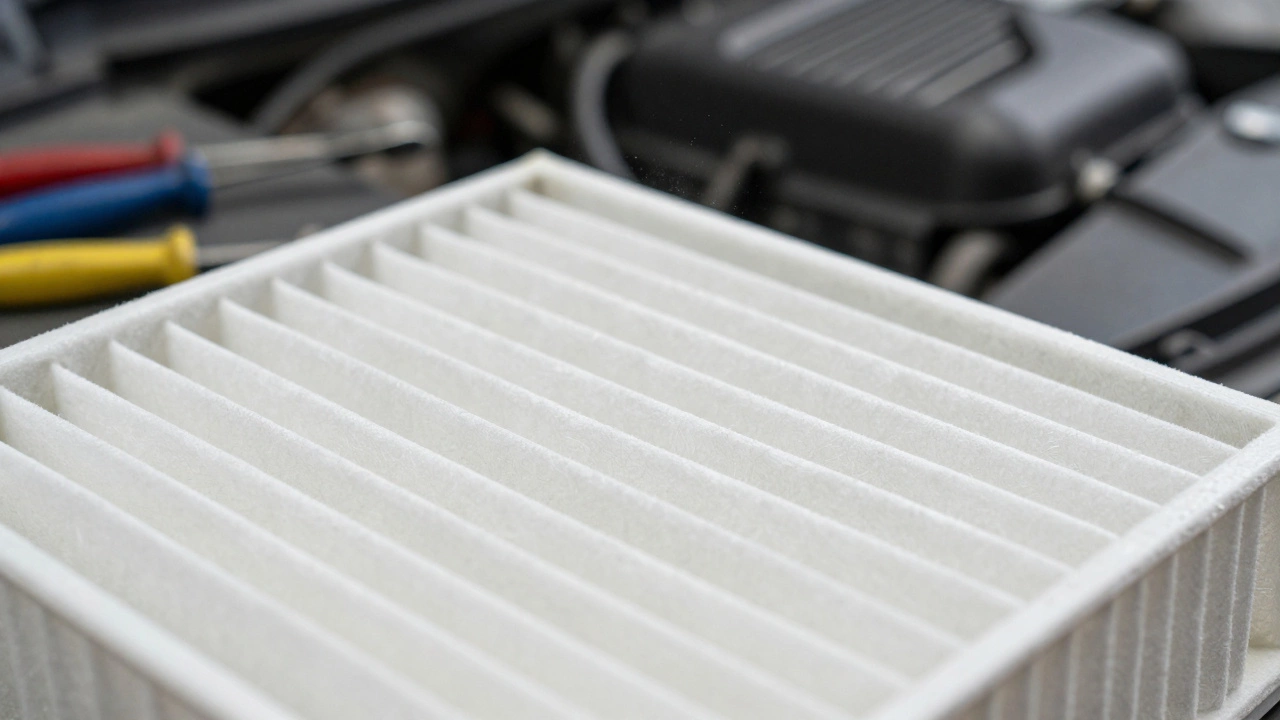
Dry vs oiled air filters: which one actually gives better performance? Learn the real differences, risks, and which one most drivers should choose for reliability and power.