
When it comes to your car’s engine air filter, a component that controls the flow of clean air into the engine to support combustion. Also known as air filter, it’s one of the few parts you can touch and see that directly impacts how your engine breathes. Most people think swapping out a stock filter for a fancy aftermarket one will boost power or save gas. But the truth? It’s rarely that simple.
The performance air filter, a reusable, often cotton-gauze filter marketed for increased airflow. Also known as high-flow air filter, it’s designed to let more air in than a standard paper filter. But more airflow doesn’t automatically mean more power—or better fuel economy. Real-world tests show most stock engines gain less than 5 horsepower, if any. And when it comes to fuel economy, how efficiently your car converts fuel into motion. Also known as MPG, it’s mostly controlled by driving habits, engine tuning, and aerodynamics—not the filter you use. A clean stock filter works just fine. A dirty one? That’s when you start losing efficiency.
What most people overlook is the real job of an engine air filter: protection. It keeps dust, dirt, and debris out of your engine. A cheap or poorly designed aftermarket filter might let in particles that scratch cylinders or clog sensors. That’s why OEM filters, while not flashy, are engineered to balance airflow and filtration for your exact engine. And if you drive in dusty areas or off-road? A high-quality filter matters more than a high-flow one.
There’s also the issue of aftermarket air filter, any replacement filter not made by the original vehicle manufacturer. Also known as non-OEM air filter, it’s a booming market full of bold claims. But if your car isn’t modified for performance, you’re paying for marketing, not measurable gains. Even the most popular brands like K&N don’t deliver the horsepower boosts they promise on stock engines.
So what should you do? Check your filter every 12,000 miles. Replace it if it’s clogged or damaged. Don’t waste money on expensive upgrades unless you’ve already tuned your engine, upgraded your exhaust, and optimized your fuel system. For 95% of drivers, a clean, factory-recommended filter is the smartest, cheapest, and safest choice.
Below, you’ll find real tests, cost breakdowns, and honest reviews on what actually works—and what’s just noise. From whether a better air filter increases MPG to why expensive filters rarely deliver on their promises, we cut through the hype with hard data and real-world results.
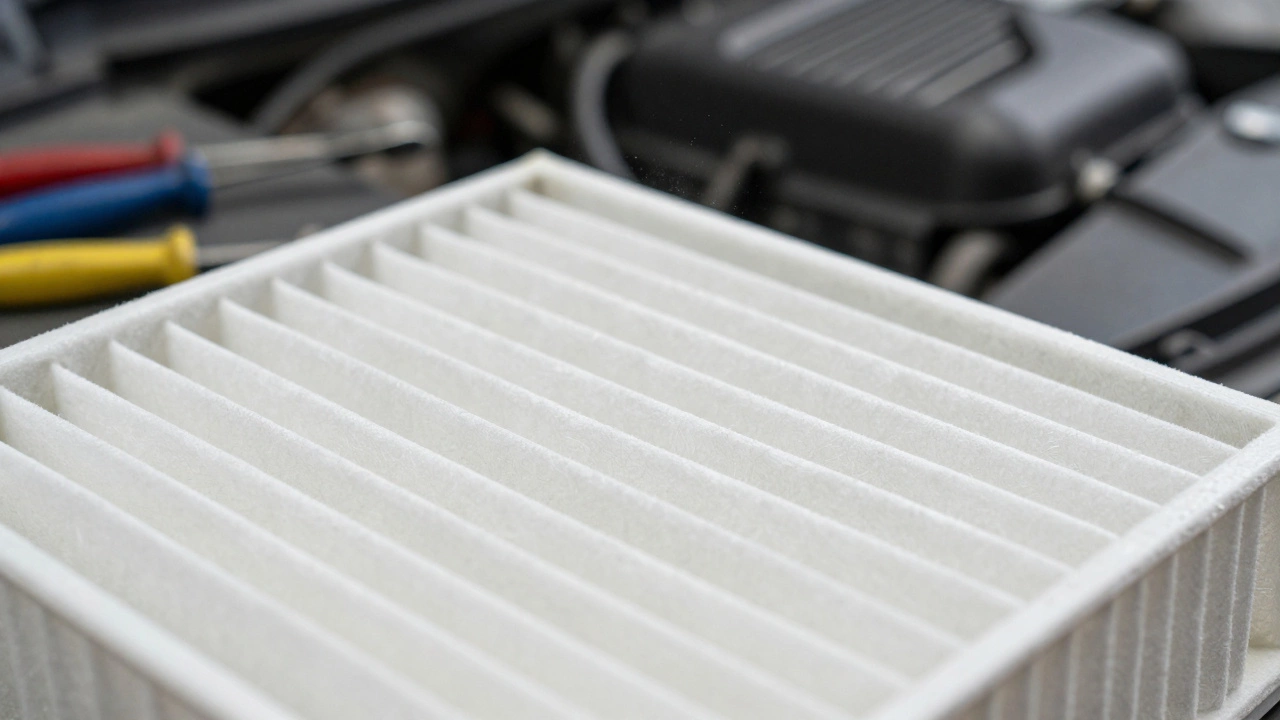
Dry vs oiled air filters: which one actually gives better performance? Learn the real differences, risks, and which one most drivers should choose for reliability and power.