
When you see an expensive air filter, a high-cost aftermarket filter designed to increase airflow and engine protection. Also known as performance air filter, it promises more power, better fuel economy, and longer engine life—but does it deliver? Most drivers assume paying more means getting more. But in reality, the jump from a $15 OEM filter to a $100 reusable performance filter doesn’t always mean better results. The real difference isn’t in horsepower—it’s in maintenance, durability, and how much you’re willing to invest in a system that barely moves the needle on your daily drive.
The big debate often centers around dry air filter, a filter that uses synthetic media without oil to trap dirt versus oiled air filter, a filter coated with oil to capture finer particles. Oiled filters, often sold as premium upgrades, claim superior filtration. But studies and real-world tests show they can actually let in more dust if not cleaned and re-oiled properly. And if you over-oil them? That oil can coat your mass airflow sensor, triggering check engine lights and hurting performance. Meanwhile, dry filters are simpler, cleaner, and just as effective for most drivers. The expensive ones? They’re often just a rebranded version of the same basic tech—with a higher price tag because of marketing, not engineering.
It’s easy to get sucked in by claims of "10% more horsepower" or "improved throttle response." But the truth? On a stock engine, most high-end air filters add less than 5 horsepower—barely noticeable unless you’re on a dyno. What they do deliver is longevity. A good reusable filter lasts 50,000 to 100,000 miles if maintained right. That saves money over time, especially if you drive a lot. But if you’re not willing to clean it every 20,000 miles or you drive in dusty conditions? You’re better off sticking with a cheap, replaceable filter. The real advantage isn’t performance—it’s convenience and long-term cost.
And here’s the kicker: the expensive air filter won’t improve your fuel economy. Not significantly. Not in real-world driving. That’s a myth pushed by companies selling upgrades. What actually moves the needle on MPG? Driving habits, tire pressure, and engine health—not the filter you choose. If you’re chasing efficiency, focus on those first. Save the cash for something that actually changes your drive.
So what’s left? If you love tinkering, enjoy the ritual of cleaning your own filter, or you drive in extreme conditions, then yes—an expensive air filter might be worth it. But if you just want your car to run well without extra hassle? Stick with the basics. The posts below break down exactly what works, what doesn’t, and which filters real drivers actually trust after thousands of miles. No fluff. Just what you need to know before you spend your money.
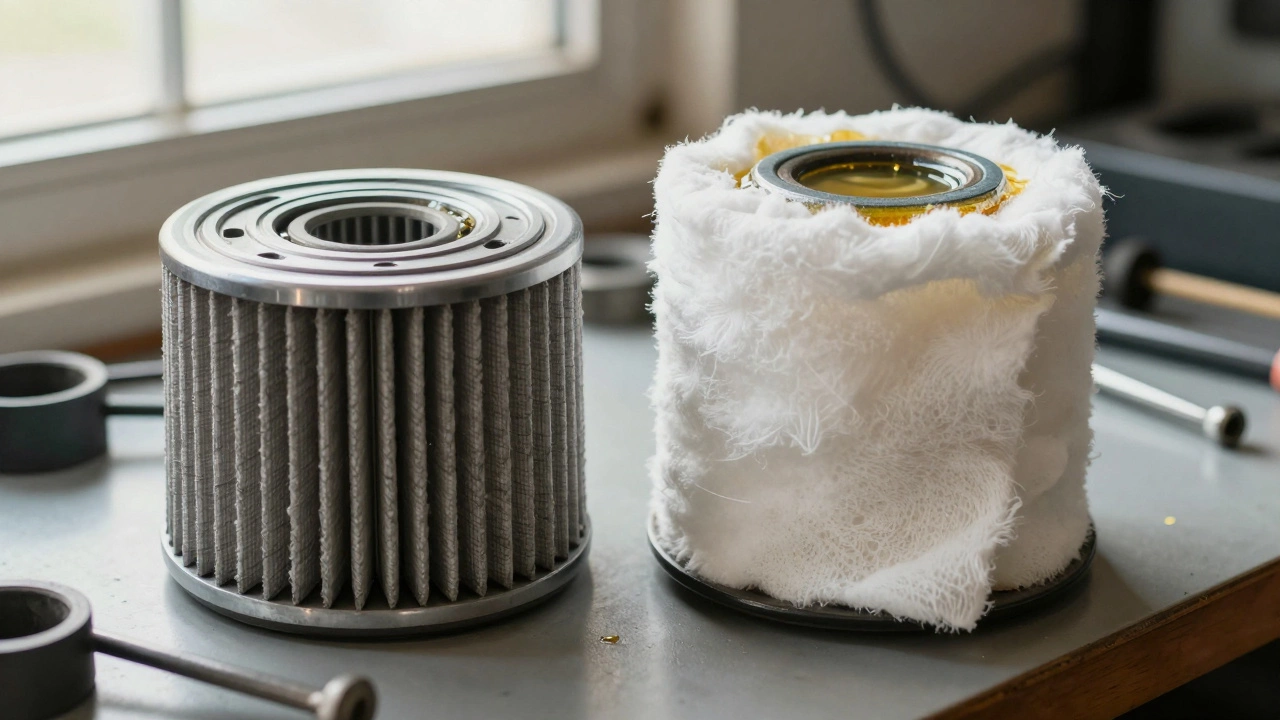
Expensive performance air filters promise more power and better fuel economy, but real-world tests show minimal gains. For most drivers, OEM filters are safer, cheaper, and just as effective.