
When you think about fuel economy, how efficiently your car uses fuel to cover distance, measured in miles per gallon or liters per 100km. Also known as gas mileage, it's not just about filling up less—it's about how your car’s setup, driving habits, and even small upgrades impact your wallet over time. Most people assume buying a fancy air filter or swapping in LED headlights will boost fuel economy. But the truth? Those changes barely move the needle. What actually drags down your fuel economy are bigger, quieter factors most drivers ignore.
Take lift kits, modifications that raise a vehicle’s suspension for off-road use. They look tough, but they add wind resistance and heavier tires, which forces the engine to work harder. Real-world tests show trucks lose 6% to 18% in fuel economy after lifting—adding $300 to $800 a year in extra fuel costs. Then there’s lowering springs, parts that reduce ride height to improve handling. While they can cut drag slightly, they often lead to uneven tire wear, which increases rolling resistance and kills efficiency. And don’t get fooled by marketing: performance air filters, aftermarket filters marketed to increase airflow and power might give you a tiny power bump, but they rarely improve fuel economy. In fact, many drivers see no change at all. OEM filters are just as good, cheaper, and don’t risk engine damage from dirt buildup.
It’s not about flashy parts. It’s about weight, aerodynamics, tire pressure, and how you drive. A heavier car uses more fuel. A dirty air filter? It can cut efficiency by up to 10%. Underinflated tires? That’s like driving with the parking brake on. Even small things—like removing roof racks when not in use or avoiding rapid acceleration—add up. The best way to improve fuel economy isn’t buying something new. It’s fixing what’s already there.
Below, you’ll find real tests and honest breakdowns of what actually moves the needle on gas mileage—and what’s pure hype. From why alloy wheels don’t help your fuel economy to how window tint affects cabin heat (and your AC’s workload), every post here cuts through the noise. No fluff. Just facts you can use to save money, not just make your car look better.
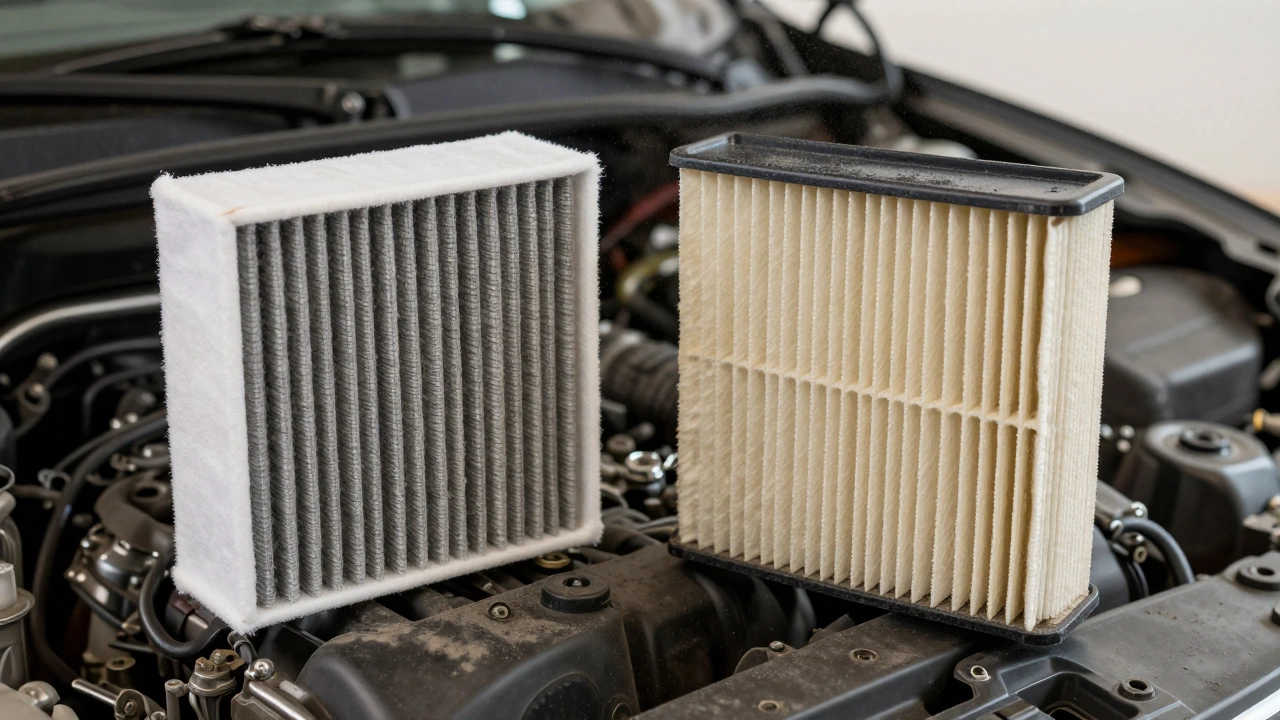
Performance air filters won't improve your fuel economy. Learn why better airflow doesn't mean better MPG and what actually works to save gas on your daily drive.