
When you hear K&N air filter, a reusable, high-flow air filter made by a leading aftermarket brand known for performance upgrades. Also known as performance air filter, it's designed to let more air into your engine than a standard paper filter. But here’s the thing: more airflow doesn’t automatically mean more power, better fuel economy, or longer engine life. Many people buy K&N filters because they’re marketed as performance boosters, but the truth is more complicated—and it depends on what kind of car you drive and how you use it.
The real difference between a K&N filter and a factory filter comes down to design. Most K&N filters are oiled air filter, a type of reusable filter that uses a special oil to trap dirt particles, while others are dry air filter, a filter made from synthetic media that doesn’t require oil. The oiled version can catch more dirt over time, but if you over-oil it, you risk contaminating your mass airflow sensor—a costly fix. Dry filters are cleaner to maintain but may not trap as much fine dust in off-road or dusty conditions. Neither type gives you a noticeable horsepower gain on a stock engine, according to real dyno tests. The biggest gains happen only when paired with a full cold air intake system, and even then, it’s usually under 5 horsepower. That’s not nothing, but it’s not a game-changer either.
What about fuel economy? You’ll see claims that a K&N filter improves MPG, but studies and real-world data from drivers show almost no measurable difference. Your car’s computer adjusts fuel delivery based on airflow, so if the filter lets in more air, it just adds more fuel to match. The result? Same efficiency. What actually moves the needle on gas mileage is driving habits, tire pressure, and engine health—not the filter you’re using. And if you’re thinking about cleaning or replacing your filter, remember: K&N filters are meant to be washed and re-oiled, not thrown away. That’s a cost saver over time, but only if you do it right. Mess up the cleaning process, and you could end up with worse airflow than a brand-new paper filter.
So why do people still use them? For some, it’s the look under the hood. For others, it’s the peace of mind of knowing they can clean it instead of replacing it every 12,000 miles. But if you’re expecting big power gains or major fuel savings, you’re setting yourself up for disappointment. The real value of a K&N air filter isn’t in horsepower—it’s in long-term maintenance flexibility and durability. Below, you’ll find real tests, comparisons, and breakdowns of what works, what doesn’t, and what you should actually care about when choosing an air filter for your car.
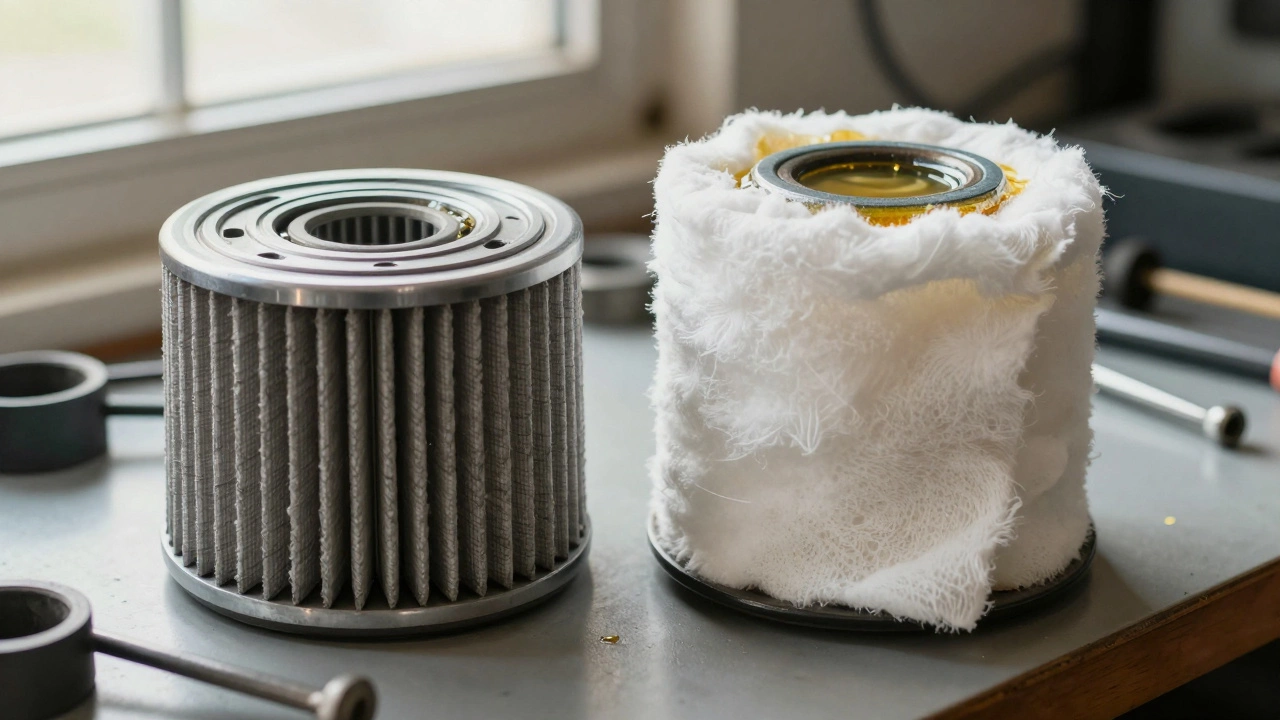
Expensive performance air filters promise more power and better fuel economy, but real-world tests show minimal gains. For most drivers, OEM filters are safer, cheaper, and just as effective.