
When it comes to MPG improvement, how many miles your car can drive on a gallon of fuel. Also known as fuel efficiency, it’s not just about driving gently or keeping your tires inflated—it’s about what’s under the hood, around the wheels, and even how your car looks. Many people think better fuel economy means buying a new hybrid, but the truth is, small changes to your current car can add up to real savings—sometimes hundreds a year.
Take air filter performance, how well an air filter allows airflow while trapping dirt. Expensive aftermarket filters promise more power and better MPG, but real-world tests show almost no difference for most drivers. OEM filters are often just as good, and cheaper. Then there’s lift kit, a suspension upgrade that raises your vehicle’s height. It looks tough, sure—but it also increases wind drag and tire weight, which can knock 6% to 18% off your MPG. That’s not just a number; it’s extra fill-ups every month.
Even something as simple as wheel spacers, metal rings that push wheels outward for a wider stance. can hurt efficiency. They change alignment, increase rolling resistance, and sometimes cause uneven tire wear. All of that adds drag—and drag means your engine works harder. Same goes for oversized tires, dark tinted windows (which add weight), and even dirty interiors (yes, clutter adds weight too).
MPG improvement isn’t about one magic part. It’s a chain of small choices: what you install, what you remove, and how you maintain your car. Some upgrades look cool but cost you at the pump. Others—like cleaning your air intake or keeping your wheels properly aligned—give back more than they take. The posts below cut through the noise. You’ll find real data on what actually moves the needle, from air filters to alloy wheels to the truth about LED headlights and window tint. No fluff. No marketing spin. Just what works—and what doesn’t—for everyday drivers who want to save money without giving up their ride.
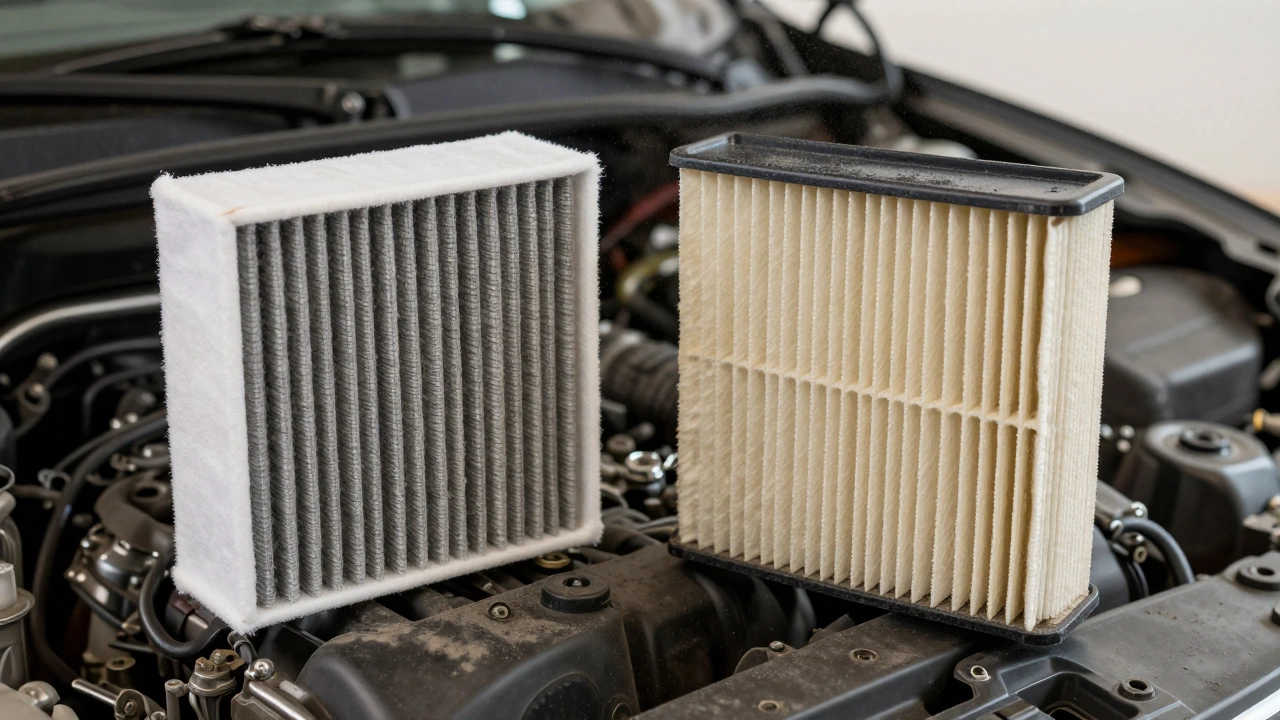
Performance air filters won't improve your fuel economy. Learn why better airflow doesn't mean better MPG and what actually works to save gas on your daily drive.