
When you hear oiled air filter, a reusable, washable air filter coated with oil to trap dirt and debris more effectively than standard paper filters. Also known as performance air filter, it's often marketed as a way to boost horsepower and fuel economy. But here’s the truth: most drivers won’t see real gains unless they’re pushing their engine hard. These filters are popular among enthusiasts who want something that lasts longer than factory paper filters and can be cleaned instead of replaced. But they’re not magic. The oil helps capture tiny particles better, which sounds great—until you realize your engine doesn’t need that level of filtration to run smoothly.
Many people think an oiled air filter, a reusable, washable air filter coated with oil to trap dirt and debris more effectively than standard paper filters. Also known as performance air filter, it's often marketed as a way to boost horsepower and fuel economy. But here’s the truth: most drivers won’t see real gains unless they’re pushing their engine hard. is the same as a cold air intake, a system designed to bring cooler, denser air into the engine for better combustion. They’re not. A cold air intake moves the air filter to a cooler spot, like the fender well, while an oiled air filter just changes the filter material. You can have an oiled filter in a stock housing and still get minimal gains. Real power increases usually come from combining the filter with a full intake system, which changes airflow dynamics—not just the filter itself.
Some brands, like K&N air filter, a leading brand of reusable oiled air filters known for high airflow and durability, have built their reputation on this idea. But real-world tests show that even the best oiled filters only add 1-3 horsepower on a stock engine. That’s barely noticeable. And if you’re not tuning your car, that extra airflow might even throw off your air-fuel ratio, hurting performance instead of helping it. Plus, if you over-oil the filter, you risk contaminating your mass airflow sensor—a costly fix.
Are they worth it? For daily drivers, probably not. Stock filters are cheap, effective, and designed to work with your car’s exact airflow needs. But if you race, tow heavy loads, or just like the idea of a filter you can clean and reuse for years, then an oiled air filter makes sense. Just don’t believe the hype that it’ll suddenly make your car faster or save you gas. Those claims are mostly marketing.
What you’ll find below are real tests, honest comparisons, and hard data on what oiled air filters actually do. From fuel economy myths to horsepower gains on stock engines, we cut through the noise and show you what matters—no fluff, no hype, just what works.
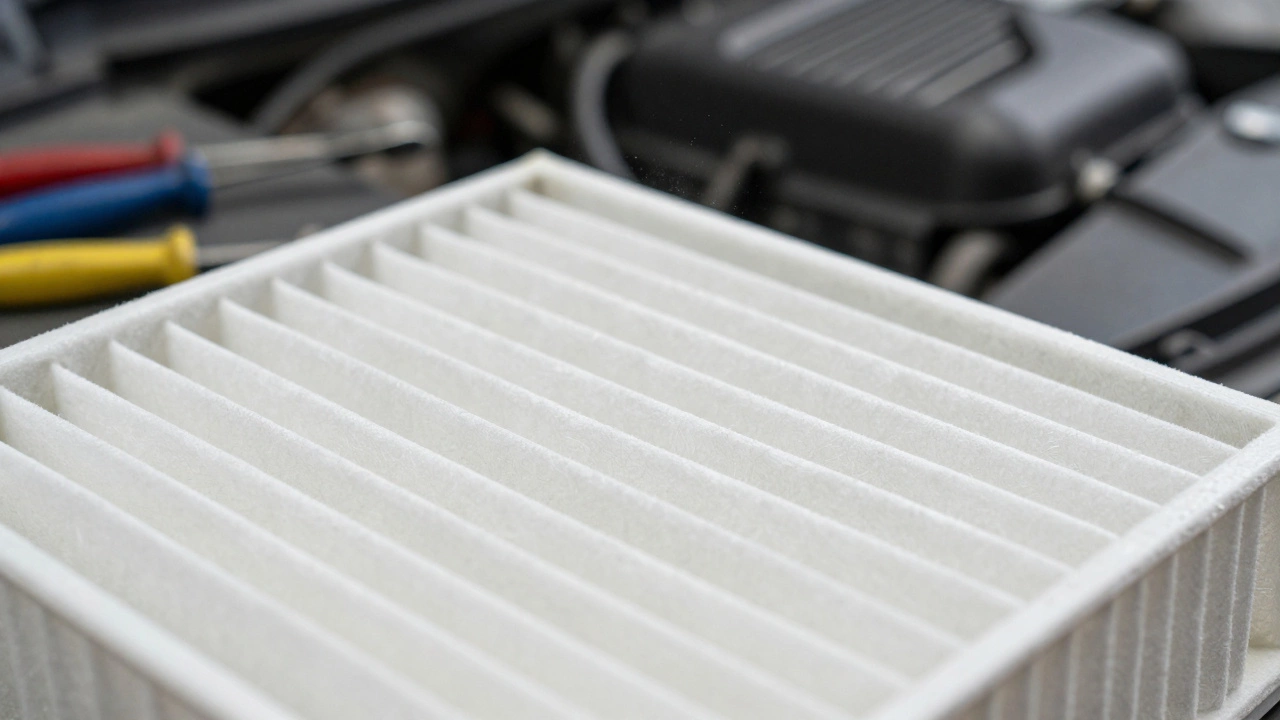
Dry vs oiled air filters: which one actually gives better performance? Learn the real differences, risks, and which one most drivers should choose for reliability and power.