
When you paint alloy wheels, the process of refinishing metal wheels with durable automotive paint to restore or upgrade their appearance. Also known as wheel refinishing, it’s one of the most cost-effective ways to give your car a fresh, high-end look without replacing the entire set. Most people think it’s just about spraying on some color, but the real difference comes from prep work—cleaning, sanding, masking, and priming. Skip those steps, and your paint will chip, fade, or peel within months.
Alloy wheels, lightweight wheels made from aluminum or magnesium alloys, commonly used on modern cars for better handling and style are prone to curb rash, corrosion, and fading from UV exposure. That’s why so many owners turn to repainting. But not all paints are the same. You need high-temp automotive enamel or urethane-based coatings designed for wheels, not regular spray paint. And you can’t just paint over dirt or old clear coat—wheel paint, specialized automotive paint formulated to withstand heat, road debris, and brake dust requires a perfectly clean, sanded surface to bond properly.
Brands like VHT, Dupli-Color, and Raptor Line make wheel-specific paints that handle brake heat up to 500°F. But even the best paint fails without the right prep. That means stripping old finishes, sanding with 220-400 grit, cleaning with isopropyl alcohol, and applying a high-adhesion primer. Many DIYers skip the primer, then wonder why their paint looks great for a week and then starts bubbling. And don’t forget the clear coat—without it, your paint will dull and scratch fast. A good clear coat adds UV protection and makes cleaning brake dust easier.
There’s also the issue of wheel restoration, the full process of repairing, refinishing, and upgrading damaged or worn alloy wheels to like-new condition. Some wheels need more than paint—bent lips, cracked spokes, or corroded centers require professional repair before painting. If your wheels are cracked or severely bent, painting won’t fix the structural issue. That’s why many people who try DIY wheel paint end up spending more in the long run. Sometimes, it’s smarter to buy used OEM wheels than to fix damaged ones.
And here’s something most guides don’t tell you: wheel customization, modifying wheels through paint, finishes, or design to match personal style or vehicle theme isn’t just about color. You can go for matte black, chrome, two-tone, or even candy finishes. But each requires different techniques. Matte finishes hide imperfections better but are harder to clean. Gloss looks flashy but shows every scratch. And if you’re going for a custom design, you’ll need stencils, masking tape, and patience.
Most of the posts below come from real people who’ve tried painting their own wheels—some nailed it, others learned the hard way. You’ll find step-by-step guides on how to prep without a spray booth, which paints hold up in winter conditions, how to avoid runs and drips, and what tools actually matter (a good air compressor beats a $20 spray can every time). You’ll also see what happens when people skip the primer, use the wrong cleaner, or paint in humid weather. The results aren’t pretty.
Whether you’re fixing a single damaged wheel or upgrading your whole set, painting alloy wheels can save you hundreds—or cost you thousands if you cut corners. The good news? With the right info, you can get professional results without the shop markup. The posts below show you exactly how.
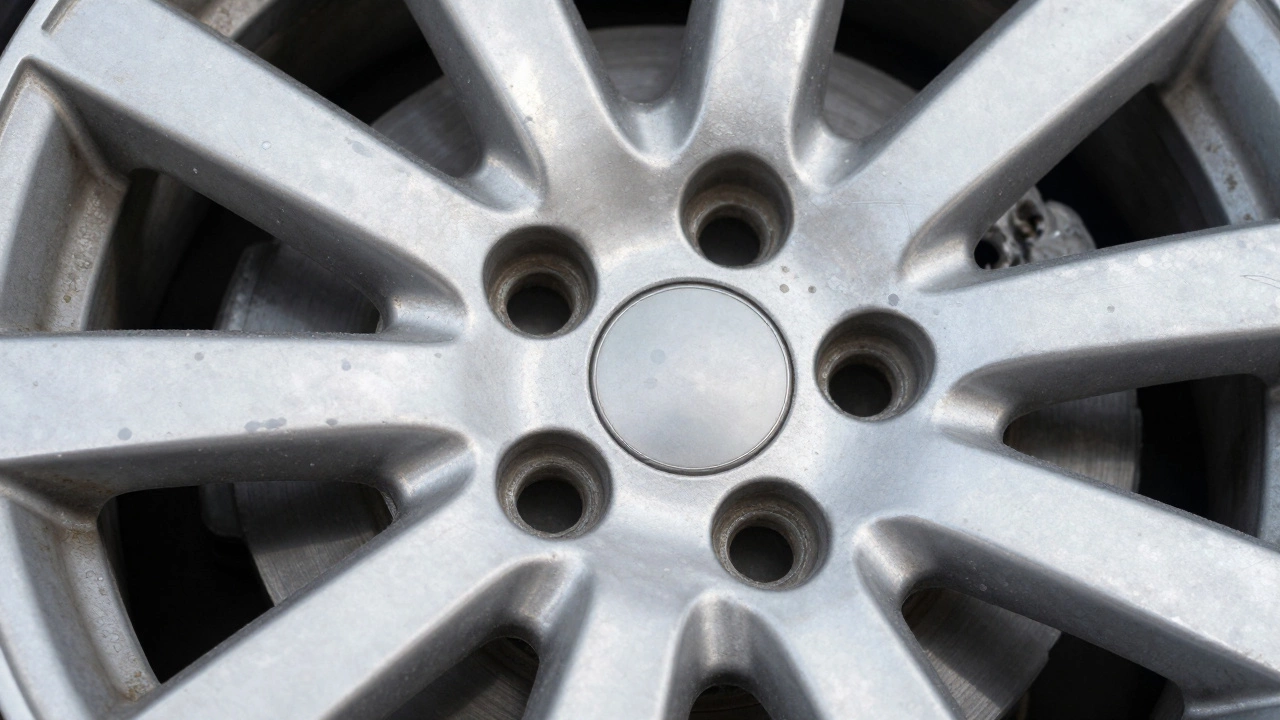
Alloy wheels don't need to be painted-most just need cleaning and polishing. Learn when painting is worth it, what alternatives work better, and how to avoid costly mistakes.