
When you think about car styling, you might picture loud exhausts, dark tint, or flashy spoilers—but the wheel finish, the surface treatment applied to a car’s wheels that determines their look and durability. Also known as wheel coating, it’s the first thing people notice when your car pulls up. A polished chrome finish screams luxury. A matte black one says quiet confidence. A brushed silver? That’s the classic tuner look. But wheel finish isn’t just about style—it impacts how long your wheels last, how easy they are to clean, and even how much your car sells for later.
Not all wheel finishes are created equal. alloy wheels, lightweight metal wheels commonly used in modern cars, often come with factory finishes like machined, painted, or powder-coated. Machined finishes expose the bare metal under a clear coat—beautiful, but they scratch easily and need regular waxing. Painted finishes hide imperfections and come in any color, but chips and peeling are common if the paint job is cheap. Powder coating is tougher, more resistant to road salt and brake dust, and holds up better over time. Then there’s the aftermarket scene: billet finishes, two-tone designs, and even anodized rims that change color under different lights. But here’s the catch: a flashy finish means nothing if the wheel underneath is cracked or bent. And if you’re planning to sell your car, a well-maintained wheel finish can add hundreds to the resale value. A set of clean, undamaged alloy wheels with a clean finish can sell for over $200 each on eBay. But scrap value? Maybe $10 each. That’s the difference between care and neglect.
Brake dust is the silent killer of wheel finishes. It’s not just dirt—it’s metallic particles from your brake pads that bond to the surface like glue. If you leave it, it eats through clear coats, stains alloys, and turns your shiny rims into dull, streaky messes. That’s why people who care about wheel finish use specific cleaners, not just soap and water. And if you’ve ever tried to polish a wheel with the wrong product? You’ve probably made it worse. A bad polish job can remove the factory finish entirely. You can’t just slap on wax and call it done. You need the right tools, the right products, and the right routine.
Some finishes are designed to hide flaws. Others are meant to show them off. A matte finish hides scratches better than gloss. A polished finish makes every tiny imperfection visible. So the finish you choose should match how much time you’re willing to spend keeping it clean. If you drive every day, a painted or powder-coated finish is smarter than chrome. If you show your car on weekends, maybe you go for the high-gloss. But no matter what you pick, the key is consistency. One wash a month won’t cut it. You need to stay on top of it—or your wheels will look worse than your tires.
Below, you’ll find real-world tests, cost breakdowns, and expert tips on what actually works. We’ve looked at what makes a wheel finish last, what doesn’t, and which brands and methods deliver real results—not just hype. Whether you’re trying to restore old rims, upgrade to something new, or just keep your current set looking factory-fresh, you’ll find the answers here.
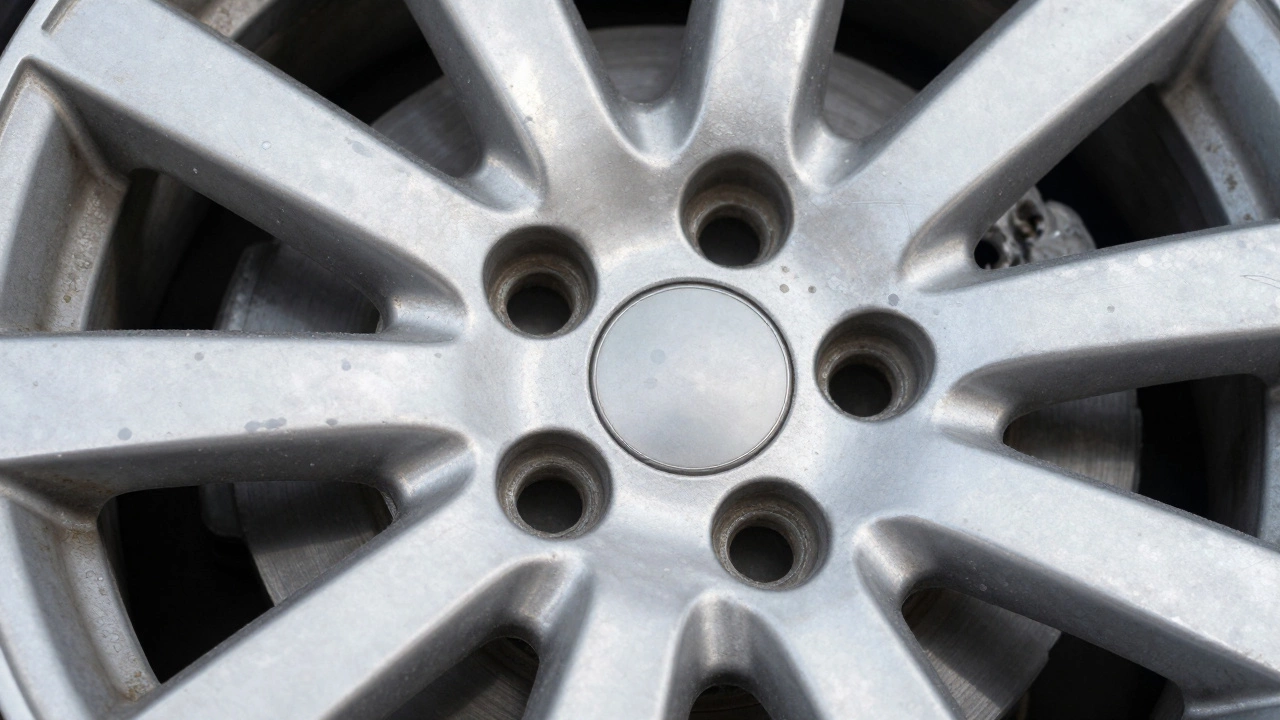
Alloy wheels don't need to be painted-most just need cleaning and polishing. Learn when painting is worth it, what alternatives work better, and how to avoid costly mistakes.