Carbon Fiber Spoiler Risk Assessor
Awaiting Input
Select your conditions above to see specific advice for protecting your carbon fiber spoiler.
You just dropped serious cash on a carbon fiber spoiler that promises race-car aesthetics and lightweight performance. It looks incredible under the sun. But here’s the uncomfortable truth: this high-tech material isn’t invincible. In fact, it has specific vulnerabilities that can turn your investment into a cracked mess or a faded disappointment if you ignore them.
Unlike steel, which bends before it breaks, or aluminum, which dents but stays intact, carbon fiber behaves differently. It’s incredibly strong in tension but surprisingly brittle in certain conditions. If you’re considering an upgrade or already own one, understanding what attacks your spoiler is the only way to keep it looking new for years. Let’s break down exactly what destroys carbon fiber components and how to protect them.
The Achilles Heel: Impact and Point Loads
Most people assume carbon fiber is stronger than steel because of its tensile strength ratings. They are right about pulling forces, but wrong about impacts. Carbon fiber composites rely on a matrix of epoxy resin holding the fibers together. When you hit that matrix with a sharp, concentrated force, the resin cracks before the fibers fail.
This is known as low-velocity impact damage. A stray rock from the highway might not shatter the part instantly, but it creates internal delamination-layers separating inside the material. You might see a small white mark on the surface, but underneath, the structural integrity is compromised. Next time you wash the car or hit a speed bump, that hidden weakness becomes a visible crack.
| Material | Failure Mode | Repairability | Risk Level for Spoilers |
|---|---|---|---|
| Carbon Fiber | Cracking/Delamination | Difficult (requires specialist) | High |
| Fiberglass | Crazing/Shattering | Moderate | Medium |
| ABS Plastic | Denting/Cracking | Easy (heat or glue) | Low |
| Aluminum | Denting | Hard (bodywork) | Low |
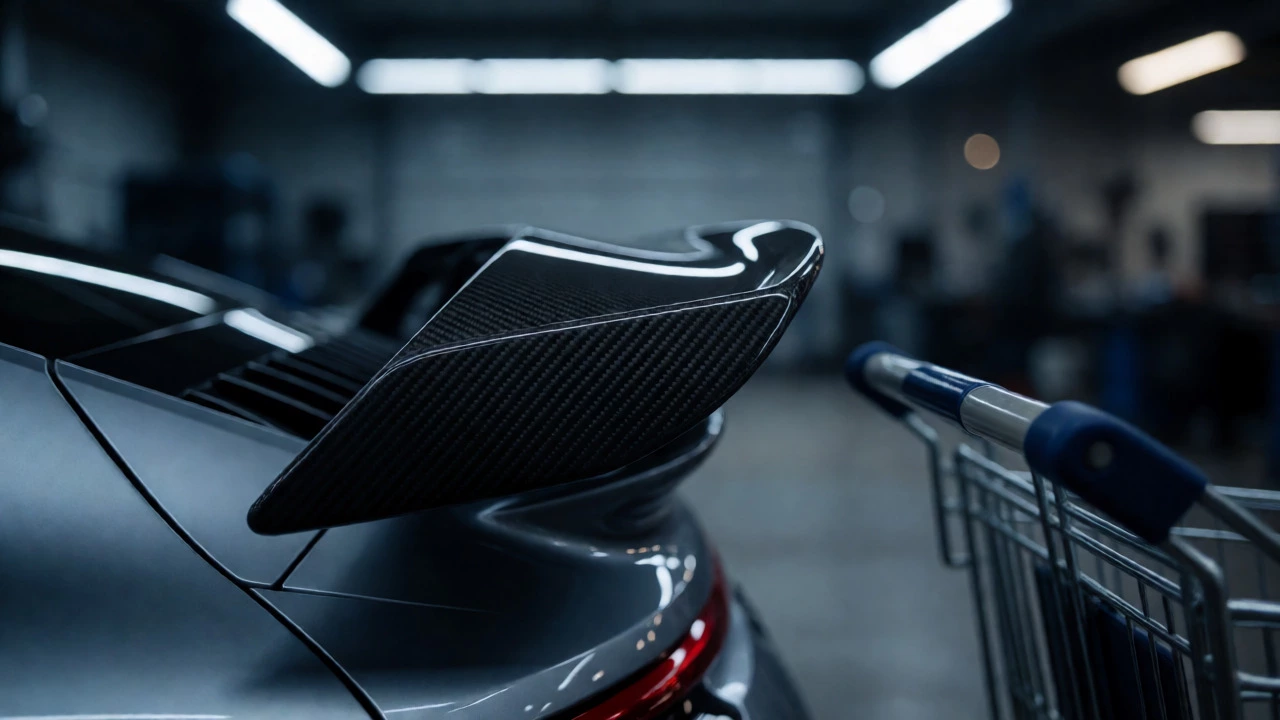
For a spoiler mounted on a trunk lid, point loads are the enemy. This happens when debris strikes a specific spot rather than distributing force across the surface. Parking lots are notorious for this. Shopping carts, errant shopping bags, or even a careless door opening from an adjacent vehicle can strike the edge of your wing. Because the edges are often thinner to save weight, they are the first points of failure.
The Silent Killer: Ultraviolet Radiation
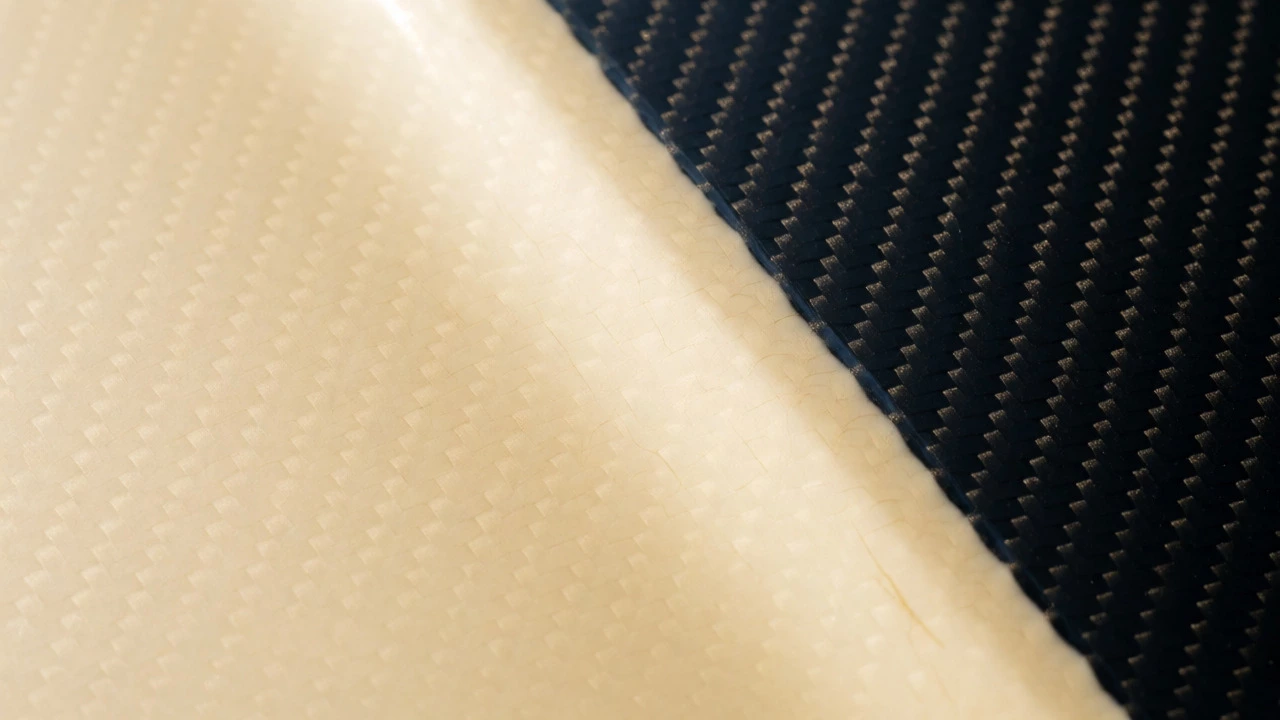
If impact damage is sudden, UV damage is insidious. The clear coat protecting your carbon fiber weave is organic polymer-based. Over time, ultraviolet rays from the sun break down the chemical bonds in the clear coat. This process, called photodegradation, causes the coating to yellow, chalk, or peel.
Once the clear coat fails, moisture penetrates the interface between the resin and the fibers. Water molecules seep into micro-cracks. In hot climates like Brisbane, where I live, the thermal expansion during the day and contraction at night pumps this moisture deeper into the laminate. This leads to blistering and eventual separation of the layers.
Here is the critical distinction: raw carbon fiber itself doesn’t degrade significantly from UV light. The problem is always the protective layer. Many budget-friendly "carbon look" parts use vinyl wraps or thin gel coats that offer minimal protection against intense Australian sunlight. If your spoiler starts looking milky or loses its deep black gloss, UV exposure is likely the culprit, not poor manufacturing.
Chemical Vulnerabilities and Resin Compatibility
People often treat their cars like tanks, using harsh degreasers and wheel cleaners without thinking. Carbon fiber is sensitive to specific chemicals. While the cured epoxy resin is robust, prolonged exposure to aggressive solvents can soften the surface or attack the clear coat.
- Acetone: Often used to remove adhesive residue. Acetone can dissolve certain types of clear coats and soften uncured resin edges. Never use pure acetone directly on a carbon fiber finish without testing a hidden area first.
- Brake Cleaner: High-quality brake cleaners are generally safe, but cheap aerosol versions containing chlorinated hydrocarbons can leave residues that dull the finish over time.
- Bird Droppings: These are acidic. If left on the surface, the acid etches through the clear coat, creating permanent stains that cannot be polished out.
The issue isn’t just about cleaning products. It’s about compatibility. Some aftermarket adhesives used to mount spoilers contain solvents that react with the resin matrix. If you ever need to remove a spoiler, using heat is safer than ripping it off with solvent-soaked rags, which can warp the plastic backing plate or cloud the carbon fiber.
Moisture Absorption and Hydrolysis
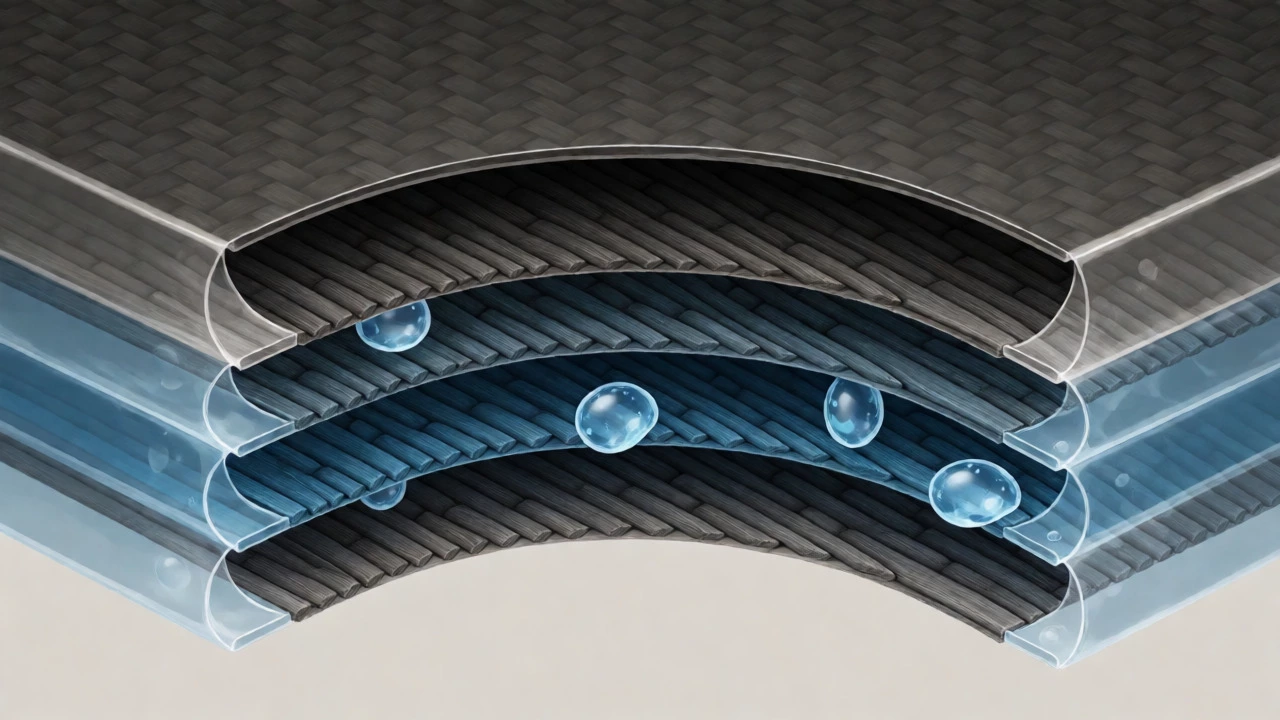
Water is another sneaky adversary. Epoxy resins are hygroscopic, meaning they absorb water vapor from the air. Under normal conditions, this absorption is minimal and reversible. However, in humid environments or if the part has been damaged, water gets trapped inside the laminate.
When water is trapped inside a composite structure subjected to heat cycles, it expands. This internal pressure causes "hydrolysis," breaking down the bond between the fiber and the resin. You might notice this as a change in sound when tapping the panel-a dull thud instead of a crisp ping indicates water intrusion. For spoilers exposed to rain and humidity daily, this slow degradation can reduce stiffness over several years, affecting aerodynamic performance at high speeds.
Installation Stress and Mechanical Fatigue
How you install the spoiler matters as much as what hits it. Carbon fiber is stiff. It does not flex like ABS plastic. If your mounting points are misaligned, forcing the spoiler onto the trunk lid introduces stress concentrations. This pre-load weakens the material before you even drive the car.
Tightening bolts too tightly is a common mistake. Overtorquing fasteners compresses the laminate locally. Since carbon fiber has poor interlaminar shear strength (resistance to sliding layers), excessive clamping force can cause the layers to slip or crack around the bolt hole. Always use torque specifications provided by the manufacturer. If none are given, hand-tight plus a quarter turn is usually safer than cranking down with a power tool.
Vibration also plays a role. On rough roads, constant vibration can loosen mounting hardware. If the hardware rattles, it acts like a hammer striking the composite repeatedly. Use thread-locker compound on all bolts to prevent this mechanical fatigue.
Protecting Your Investment: Maintenance Checklist
Knowing the weaknesses allows you to mitigate them. You don’t need a garage full of expensive gear, just consistent care.
- Wash Frequently: Remove bird droppings and tree sap immediately. Use pH-neutral car shampoo. Avoid automatic car washes with stiff brushes; touchless is better, but hand washing is best.
- Apply UV Protection: Use a high-quality sealant or ceramic coating specifically designed for painted surfaces. Reapply every 6-12 months depending on product life. This sacrificial layer takes the UV hit, not your clear coat.
- Inspect Edges: Check the leading edge of the spoiler monthly for chips. Small chips can be sealed with clear nail polish or specialized resin filler to prevent water ingress.
- Avoid Abrasive Polishes: Do not use heavy compounds on carbon fiber unless necessary. Light polishing restores gloss; heavy compounding removes the clear coat.
Remember, prevention is cheaper than repair. Replacing a cracked carbon fiber spoiler costs hundreds of dollars. Maintaining it costs a bottle of spray sealant and ten minutes of your weekend.
Is carbon fiber weaker than fiberglass?
Not necessarily. Carbon fiber is stiffer and lighter than fiberglass. However, fiberglass is more ductile, meaning it can deform slightly under impact without cracking. Carbon fiber is brittle; it will crack rather than bend under significant point impact. Fiberglass is easier to repair with basic body shop techniques, whereas carbon fiber often requires specialized layup work.
Can I wax my carbon fiber spoiler?
Yes, but avoid waxes with abrasives or dyes. Synthetic sealants or ceramic coatings are superior because they provide better UV protection and do not build up white residue in the weave texture. Carnauba wax can sometimes get trapped in the textured surface of dry carbon, making it look cloudy.
Why did my carbon fiber spoiler crack after winter?
Thermal shock is likely the cause. If you drove through freezing temperatures and then parked in direct sunlight or washed the car with warm water, the rapid temperature change can stress the resin matrix. Additionally, road salt in winter can corrode metal mounting brackets, causing loose hardware that vibrates and damages the composite mounting points.
Does carbon fiber rust?
No, carbon fiber itself does not rust. However, if you use steel screws or brackets to mount the spoiler, those metal components can rust. Rust expansion can crack the surrounding carbon fiber. Always use stainless steel or coated hardware to prevent galvanic corrosion and rust-related damage.
Is wet carbon fiber better than dry carbon fiber?
Dry carbon fiber (pre-preg) is manufactured under higher pressure and temperature, resulting in less resin content and higher strength-to-weight ratios. Wet carbon fiber uses liquid resin infusion or hand layup. Dry carbon is generally stronger and more resistant to delamination, but both share the same fundamental weaknesses regarding UV exposure and point impacts.