Alloy Wheel Lifespan Calculator
How Long Will Your Alloy Wheels Last?
Input your conditions below to estimate when you might need to replace your wheels.
Estimated Lifespan
Tips to Extend Wheel Life
If your wheels are showing signs of wear, consider:
- Wash wheels every 2-4 weeks with pH-neutral cleaner
- Avoid high-pressure washing
- Apply ceramic coating for extra protection
- Store wheels indoors during winter
Alloy wheels look sharp, improve handling, and can boost your car’s resale value-but they don’t last forever. If you’re wondering how long your alloy wheels will hold up, the answer isn’t simple. It depends on how you drive, where you live, and how well you take care of them. For most people, alloy wheels last between 5 and 10 years before showing serious signs of wear. But that’s just the average. Some fail in 2 years. Others still look brand new after 15.
What Makes Alloy Wheels Wear Out?
Alloy wheels are made from a mix of aluminum and small amounts of other metals like magnesium or nickel. That makes them lighter and stronger than steel, but also more vulnerable to certain kinds of damage. The biggest killers of alloy wheels are road salt, potholes, curbs, and poor cleaning habits.
Here’s what actually breaks them down:
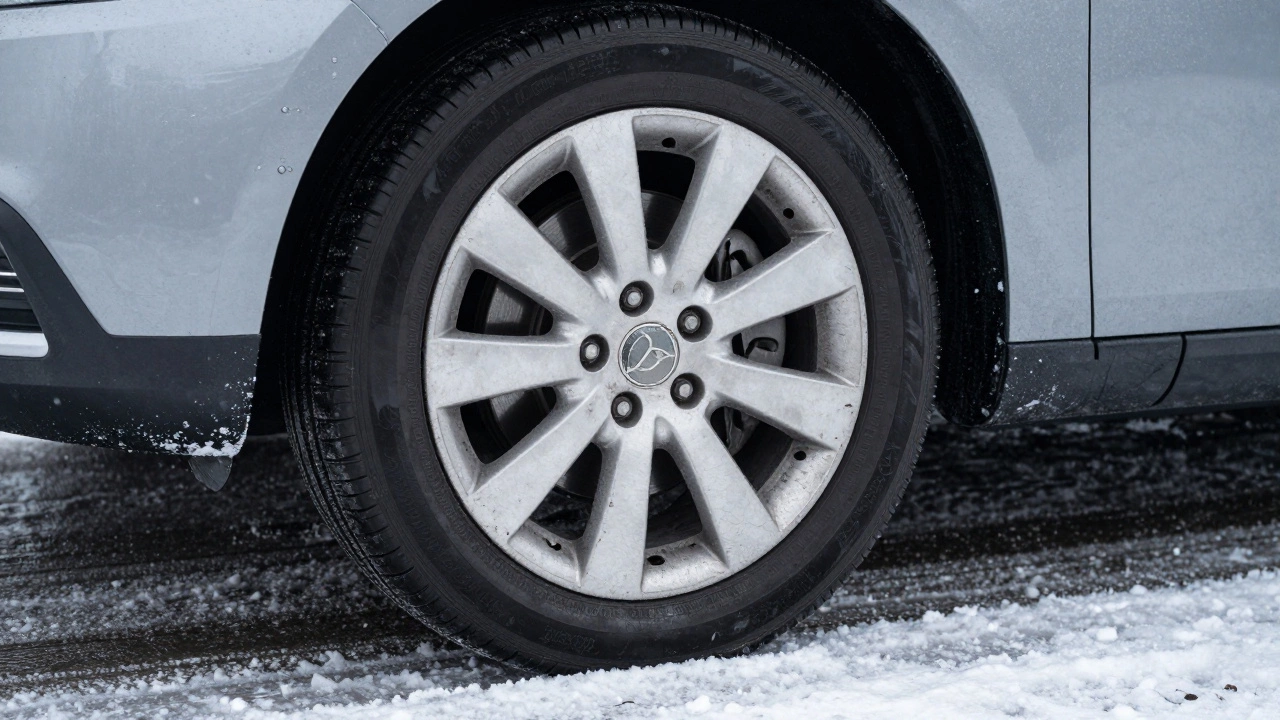
- Corrosion-Especially from salt on winter roads. If you live in a place that uses salt to melt ice, your wheels are under constant chemical attack. Moisture gets trapped between the wheel and the tire, and over time, it eats through the protective coating, leading to pitting and flaking.
- Impact damage-Hitting a curb or pothole at speed can crack the lip of the wheel or bend the structure. Even if it doesn’t leak air right away, the metal fatigues. That tiny crack grows slowly, and one day, you’ll hear a loud bang while driving.
- Chemical cleaners-Using harsh wheel cleaners, especially acid-based ones, strips the clear coat. Once that’s gone, the aluminum is exposed to oxygen and moisture. That’s when oxidation starts, and the wheel turns dull, chalky, or spotted with white powder.
- Improper installation-Over-tightening lug nuts or using the wrong torque can warp the wheel hub or stress the spokes. It’s not common, but it happens more than you think.
How Long Do Alloy Wheels Really Last?
There’s no one-size-fits-all answer, but here’s what real-world data shows:
- 5-7 years: This is the typical lifespan for drivers in urban areas with decent roads and moderate climates. If you wash your wheels every few weeks and avoid curb damage, you’re likely in this range.
- 8-10 years: Common for drivers who live in dry climates, avoid salted roads, and clean their wheels regularly. People in places like Arizona, parts of Australia, or Southern California often see this kind of longevity.
- 10-15+ years: Rare, but possible. This usually means the wheels were factory-original, never damaged, cleaned with pH-neutral products, and stored during winter months. Some classic car owners report original alloys still looking good after 20 years.
- 2-4 years: This happens when you drive on rough roads, hit curbs often, use the wrong cleaners, or live near the ocean (salt air accelerates corrosion). If you’ve got wheels that look pitted or flaking after just a few years, you’re not alone.
A 2023 study by the Australian Automotive Aftermarket Association tracked 1,200 alloy wheels across different regions. They found that drivers in coastal areas (like Brisbane or Perth) saw 30% more corrosion than inland drivers, even with similar mileage. Salt spray from the ocean is just as damaging as winter road salt.
Signs Your Alloy Wheels Are Done
You don’t need to wait until they fall apart to know it’s time. Look for these red flags:
- Visible pitting or bubbling-Small holes or raised bumps on the surface mean corrosion has eaten through the coating.
- White or chalky residue-That’s aluminum oxide. It’s not just dirt. It’s the metal itself breaking down.
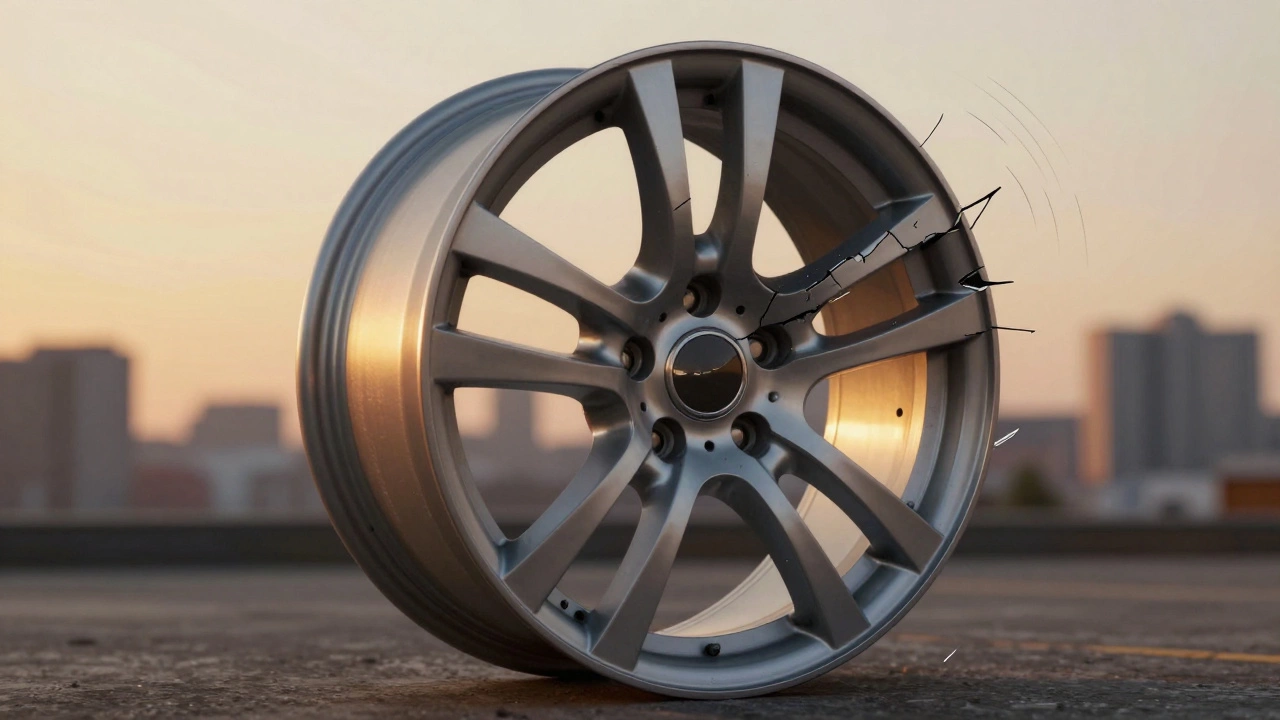
- Cracks near the spoke hub-Even a hairline crack here is dangerous. It can spread fast under stress.
- Wobbling or vibration-If your steering wheel shakes at highway speeds and you’ve ruled out tire balance, the wheel itself might be bent.
- Air leaks-If you’re refilling your tires every few weeks, the wheel rim might be corroded where it seals against the tire.
If you see one or two of these, you might be able to repair the wheel. If you see three or more, it’s time to replace them.
Can You Repair Damaged Alloy Wheels?
Yes-but only if the damage is surface-level. Minor scratches, scuffs, and small dents can be fixed by a professional wheel repair shop. They’ll sand it down, fill the damage, re-coat it, and polish it back to factory shine. Most repairs cost between $80 and $150 per wheel.
But here’s the catch: you can’t repair structural damage. If the wheel is cracked, bent, or has deep corrosion in the spoke or rim bed, repair isn’t safe. No shop will guarantee it. A bent wheel can fail while driving. A cracked one can explode.
Many people try DIY fixes with spray paint or wheel restoration kits. These might look good for a month, but they don’t stop corrosion. They just hide it. And once the paint peels, the damage is worse than before.
How to Make Your Alloy Wheels Last Longer
Extending the life of your wheels isn’t about spending a lot of money. It’s about being consistent.
- Wash them every 2-4 weeks-Use a pH-neutral wheel cleaner. Avoid household cleaners, degreasers, or anything labeled “strong” or “industrial.”
- Never use a high-pressure washer-It forces water into the gaps between the wheel and tire, trapping moisture. Use a soft brush and a bucket.
- Check for curb damage after every parking job-If you scrape a curb, inspect the wheel immediately. Even a small scratch can let in moisture.
- Apply a ceramic coating-A professional ceramic coating adds a hard, hydrophobic layer that resists salt, grime, and UV damage. It lasts 2-3 years and cuts corrosion risk by up to 70%.
- Replace tires as a set-Mismatched tires put uneven stress on wheels. Always replace all four at once, especially if you drive aggressively.
- Store them in winter-If you live where roads are salted, swap to steel wheels during winter. Store your alloys indoors, off the ground, and covered.
When to Replace Alloy Wheels
Don’t wait until they’re unsafe. Replace them if:
- They’re over 8 years old and show any signs of corrosion or damage
- You’ve had multiple repairs and the wheel keeps failing
- They’re no longer sealed to the tire (air leaks persist after replacing the valve stem)
- You’re planning to sell your car and want to maximize resale value
Used alloy wheels can be found for as little as $75 each, depending on the make and model. New OEM replacements run $200-$500 each. If you’re replacing all four, budget $800-$2,000 depending on your car.
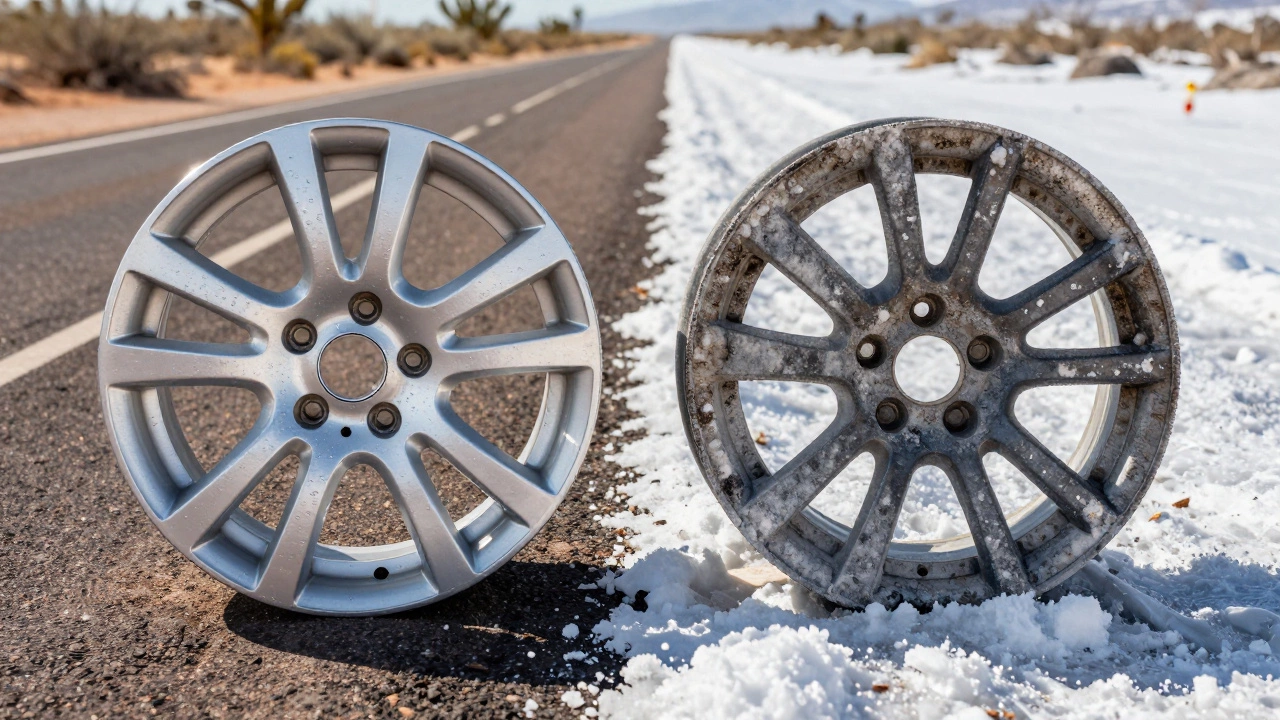
Alloy Wheels vs. Steel Wheels: Longevity Comparison
| Feature | Alloy Wheels | Steel Wheels |
|---|---|---|
| Average Lifespan | 5-10 years | 15-25 years |
| Corrosion Resistance | Low to moderate | High (if painted) |
| Impact Resistance | Low (bends easily) | High (bends but rarely cracks) |
| Repair Cost | $80-$150 per wheel | $30-$70 per wheel |
| Resale Value | Higher | Lower |
| Weight | Lighter | Heavier |
Steel wheels last longer, but they’re heavier, look worse, and hurt fuel economy. Alloy wheels are the trade-off: better performance and looks, but shorter life if not cared for.
What Happens When Alloy Wheels Fail?
It’s not just about looks. A failed alloy wheel can cause:
- Loss of tire pressure → blowout
- Steering instability → loss of control
- Damage to suspension components
- Accidents
The National Highway Traffic Safety Administration (NHTSA) recorded 1,700 incidents in the U.S. between 2018 and 2023 where wheel failure contributed to crashes. Most involved older alloy wheels with undetected cracks.
That’s why it’s not just about money-it’s about safety.
Final Thoughts
Your alloy wheels don’t have a set expiration date. They have a usage pattern. If you treat them like disposable parts, they’ll die early. If you clean them, protect them, and avoid abuse, they’ll outlast your tires-and maybe even your next car.
There’s no magic trick. Just consistency. Wash them. Don’t hit curbs. Skip the harsh cleaners. And if you see a crack? Don’t ignore it. Replace it.
Can alloy wheels be repaired after corrosion?
Yes, but only if the corrosion is surface-level. If the metal is pitted or the wheel has lost structural integrity, repair isn’t safe. Professional refinishing can fix scratches and light oxidation, but deep corrosion that eats into the spoke or rim bed means replacement is the only safe option.
Do alloy wheels rust?
Aluminum doesn’t rust like iron, but it does corrode. The white, chalky substance you see on old alloy wheels is aluminum oxide. It’s not rust, but it’s just as damaging. Once corrosion starts, it spreads under the clear coat and weakens the wheel over time.
How often should I clean my alloy wheels?
Every 2 to 4 weeks is ideal. If you drive in salty, dusty, or wet conditions, clean them weekly. Use a dedicated pH-neutral wheel cleaner and a soft brush. Never use a pressure washer directly on the wheel-it traps moisture between the tire and rim.
Are aftermarket alloy wheels less durable than OEM ones?
Not necessarily. OEM wheels are designed specifically for your car’s weight and suspension. Aftermarket wheels vary widely in quality. Cheap ones may use thinner metal or weaker alloys. Look for wheels certified by the SAE (Society of Automotive Engineers) or JWL/VIA standards. These are tested for impact and fatigue resistance.
Is it worth getting a ceramic coating on alloy wheels?
Yes, especially if you live near the coast or in a region that uses road salt. A ceramic coating creates a durable barrier that repels water, salt, and brake dust. It can extend wheel life by 3-5 years and makes cleaning much easier. The upfront cost is $150-$300 per set, but it saves money on repairs and replacements.
Can I drive on a cracked alloy wheel?
No. Even a small crack can grow under stress and lead to sudden wheel failure while driving. This can cause a blowout, loss of control, or a crash. If you suspect a crack, stop driving and get the wheel inspected immediately. Do not attempt to weld or patch it yourself.