Warranty Risk Estimator
Select your modifications and service history below to see how they might impact a specific warranty claim. Remember: Manufacturers must prove causation.
Make selections and click Analyze to see your risk profile.
You just spent thousands on a sleek new body kit or upgraded exhaust, only to hear the dreaded words from your dealer: "Sorry, that modification voided your bumper to bumper warranty." It’s a nightmare scenario for any car owner. But is it actually true? Or is it just a scare tactic used by service centers trying to dodge repair costs?
The reality is messier than a simple yes or no. While manufacturers can refuse specific claims, they rarely cancel your entire warranty because you added a spoiler. Understanding exactly what voids a bumper-to-bumper warranty requires knowing the difference between a blanket cancellation and a claim denial. This guide breaks down the legal realities, common pitfalls, and how to protect your coverage when you customize your ride.
Understanding the Scope of Bumper-to-Bumper Coverage
A bumper-to-bumper warranty is essentially a promise that the manufacturer will fix defects in materials or workmanship for everything except wear-and-tear items and high-heat components (like brake pads or clutch discs). In Australia, this often overlaps with statutory rights under the Australian Consumer Law (ACL), but the manufacturer's voluntary warranty adds extra layers of protection for things like infotainment screens, electrical sensors, and air conditioning systems.
Crucially, this warranty covers defects, not damage caused by external factors. If your factory-installed suspension fails due to a bad bushing, it’s covered. If it fails because you installed oversized tires that put extra stress on the control arms, the manufacturer might argue the failure was caused by an external factor, not a defect.
The Myth of the Blanket Void
Here is the biggest misconception: installing an aftermarket part does not automatically void the entire warranty. The Magnuson-Moss Warranty Act in the US and similar consumer protection laws globally (including Australia’s ACL) prevent manufacturers from using "tie-in" clauses that force you to use only their parts or services to keep your warranty valid.
If you install a cold air intake, your engine warranty isn’t instantly dead. However, if that intake sucks water into the engine and causes hydro-lock, the manufacturer can deny the claim for the engine damage. They must prove that the modification caused the failure. If your power window motor dies two weeks after installing a roof rack, the connection is tenuous at best, and they should still cover the window motor.
Modifications That Actually Cause Problems
While the whole warranty doesn’t vanish, certain changes create grey areas where denials are common. Here is what typically triggers scrutiny:
- Engine Tuning and Remapping: If you flash your ECU to increase horsepower, you alter the factory calibration. If the turbocharger blows, the manufacturer can argue the increased boost pressure exceeded design limits. This is one of the easiest ways to lose engine-related coverage.
- Suspension Lifts and Drops: Changing the geometry of your car affects driveline angles, CV joints, and braking performance. If a CV joint snaps, the dealer may claim the lift kit caused premature wear.
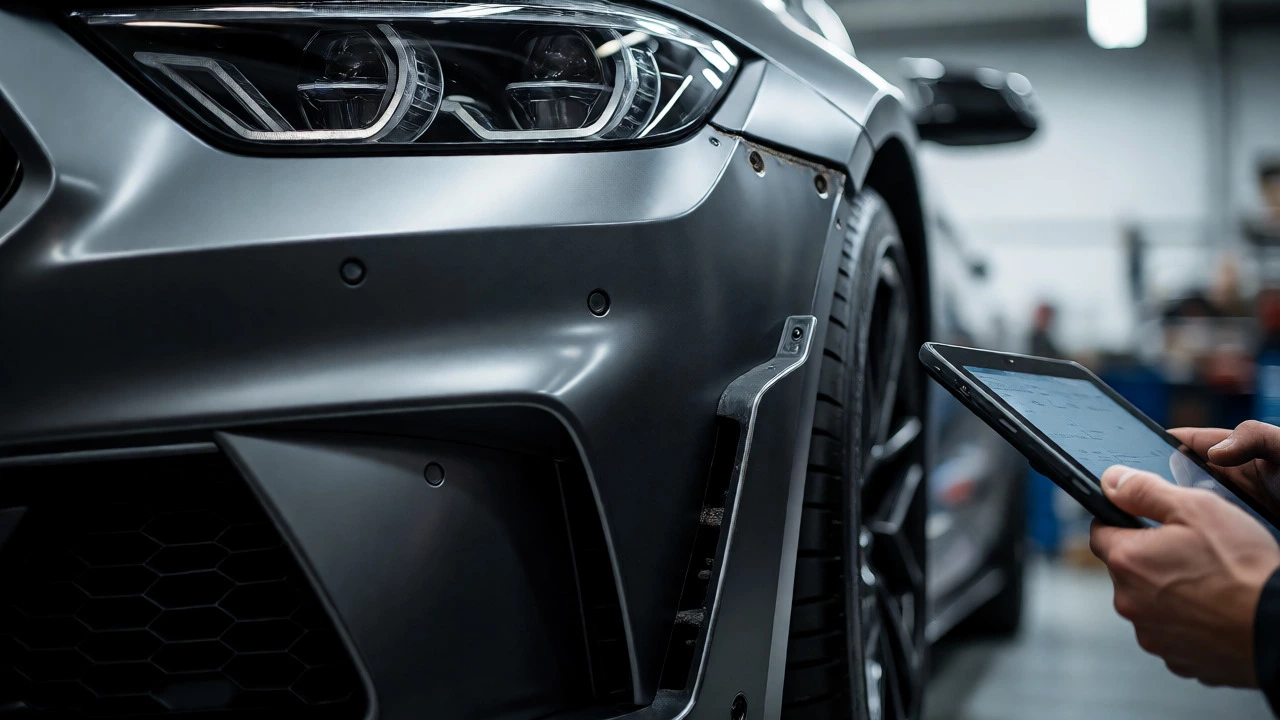
- Aftermarket Body Kits: Since this article relates to body kits, note that while the kit itself isn’t covered, improper installation can lead to leaks or rust. If water gets behind a poorly sealed fender flare and corrodes the chassis, the corrosion repair won’t be covered.
- Electrical Hacks: Splicing wires for LED lights or sound systems without proper insulation can cause shorts. If a short burns out the main fuse box, the repair cost falls on you.
How Manufacturers Prove Causation
It’s not enough for a dealer to say, "You changed the exhaust, so we won't fix the transmission." They need evidence. In many jurisdictions, the burden of proof lies with the manufacturer to demonstrate that the modification directly caused the failure.
For example, if you install a heavy bull bar on a 4WD, the front suspension components experience more stress. If a lower ball joint fails, the manufacturer might inspect the wear pattern. If the wear looks consistent with normal aging, they pay. If the wear is uneven and matches the altered geometry of the bull bar mount, they deny the claim. Always ask for the technical reasoning behind a denial.
Body Kits and Specific Warranty Risks
Since you’re interested in car body kits, let’s look closer. Most factory warranties do not cover aftermarket body kits themselves. If your fiberglass lip cracks, you don’t call the dealer; you call the installer. However, the interaction between the kit and the factory body panels matters.
If drilling holes for mounting brackets leads to rust spreading into the wheel arch liner, the rust repair might be denied if the manufacturer argues the drilling created a breach in the protective coating. To mitigate this, ensure your installer uses sealant and proper hardware. Document the installation process with photos. If a dispute arises, showing that the installation followed industry standards strengthens your position.
Maintenance Records Are Your Best Defense
Nothing kills a warranty claim faster than missed service intervals. If you skip an oil change and then blow up the engine, the manufacturer has an easy out. They don’t even need to blame your aftermarket turbo; they just point to the neglected maintenance.
You do not have to use the dealership for servicing to keep your warranty valid, provided you use certified technicians and genuine or equivalent quality parts. Keep every invoice, receipt, and logbook entry. If you install a body kit, get a certificate of compliance or a detailed invoice stating that no structural modifications were made to the chassis.
| Modification Type | Risk Level | Likely Denied Claims | Safe Zone |
|---|---|---|---|
| ECU Remap/Tuning | High | Engine, Turbo, Transmission | Interior, Paint, Glass |
| Suspension Lift Kit | Medium-High | Drivetrain, Suspension Components | Electrical, HVAC, Infotainment |
| Body Kit (Non-Structural) | Low | Corrosion near mounting points | Engine, Transmission, Electronics |
| LED Headlight Swap | Low | Headlight housing (if melted) | Most other systems |
| Cold Air Intake | Medium | Engine (hydro-lock risk) | Brakes, Steering, AC |

Statutory Rights vs. Manufacturer Warranty
In Australia, your rights under the Australian Consumer Law exist independently of any manufacturer warranty. Even if a modification technically voids the *voluntary* bumper-to-bumper warranty, you may still have rights if the car has a major failure that existed before you modified it, or if the modification didn’t cause the issue.
For instance, if your transmission fails due to a known recall defect, the manufacturer must fix it regardless of your aftermarket stereo. Statutory rights cannot be signed away by fine print. Always check if your issue falls under a safety recall rather than relying solely on the warranty book.
Steps to Protect Your Warranty After Modifying
Don’t just hope for the best. Take proactive steps to safeguard your investment:
- Document Everything: Keep receipts for all parts and labor. Note the date and mileage of each modification.
- Use Professional Installers: DIY mistakes are hard to defend. A professional shop provides a warranty on their work, which shifts liability away from you.
- Revert Before Service: If you have a removable tune or easily detachable parts, consider reverting them for routine services if you want to avoid unnecessary questions, though this isn’t strictly required.
- Read the Fine Print: Check your owner’s manual for specific exclusions regarding modifications. Some brands explicitly state that non-approved accessories void coverage for related systems.
Frequently Asked Questions
Does installing a body kit void my entire car warranty?
No, it does not void the entire warranty. It only excludes coverage for repairs directly caused by the body kit installation, such as rust around mounting points or electrical issues from spliced wires. Unrelated components like the engine or transmission remain covered.
Can a dealer refuse to service my car because I have aftermarket parts?
Generally, no. Dealers must perform scheduled maintenance unless the aftermarket parts physically prevent access to service points or pose a safety risk during the service. They can charge for extra time if removing/installing parts is required.
What happens if I use aftermarket oil filters?
Using reputable aftermarket oil filters that meet OEM specifications usually does not void the warranty. However, if a cheap filter fails and damages the engine, the manufacturer may deny the engine claim. Stick to well-known brands with certification marks.
Do I need to remove my tuning chip for warranty repairs?
If you are claiming a warranty repair on the engine or drivetrain, it is wise to revert to the stock ECU map. If the technician detects a tune, they may deny the claim citing altered operating parameters. For unrelated repairs, like a broken door handle, the tune is irrelevant.
Are extended warranties different from bumper-to-bumper?
Yes. Extended warranties are third-party contracts with stricter rules. They often exclude all modifications entirely, regardless of causation. Always read the specific terms of an extended warranty, as they differ significantly from manufacturer-backed bumper-to-bumper coverage.