Wheel Spacer Safety & Risk Estimator
Enter your setup details below to estimate the risk level for highway driving. This tool helps identify common pitfalls like incorrect bolt length or lack of hub-centric rings.
Enter your spacer details to see the risk assessment.
You’re cruising down the highway at 110 km/h. The wind is rushing past, the engine hums steadily, and suddenly you feel a slight vibration in the steering wheel. Or maybe you just installed those shiny new wheel spacers to get that aggressive stance, and now you’re wondering: are these metal discs actually going to hold up when I push the pedal to the floor?
This is one of the most common questions we see from car enthusiasts. It’s a valid concern. Your wheels are the only thing connecting a two-tonne machine to the road. If they come loose or fail, things go wrong fast. So, let’s cut through the forum myths and look at what actually happens to wheel spacers at high speeds.
The Short Answer: Yes, But With Conditions
Wheel spacers are safe at high speeds provided they are correctly sized, properly installed, and matched with the right hardware. They don’t magically explode at 120 km/h. In fact, many professional track cars and heavy-duty trucks run spacers daily without issue. However, "safe" doesn’t mean "risk-free." Safety depends entirely on three factors: quality, installation, and compatibility.
If you slap on cheap, unbranded spacers with mismatched bolts, yes, you’re rolling the dice every time you hit the highway. But if you use reputable brands and follow torque specs, the risk drops significantly. Think of it like buying tires. A cheap tire might blow out; a premium one won’t. Same logic applies here.
Why Do People Install Wheel Spacers Anyway?
Before we talk about risks, let’s remember why you bought them. You likely wanted one of three things:
- Aesthetics: Filling out the wheel arches for a wider, more aggressive look.
- Brake Clearance: Making room for larger brake calipers or rotors.
- Handling: Widening the track width to reduce body roll during cornering.
Widening the track width does improve stability. By moving the contact patch further apart, you create a more stable base. This can actually help at high speeds by reducing sway. But this benefit comes with a mechanical cost: increased leverage on your wheel bearings and suspension components.
The Real Risks at High Speeds
High speed amplifies every small error. At 60 km/h, a slightly loose bolt might just rattle. At 140 km/h, that same loose bolt can shear off due to centrifugal force and vibration. Here are the specific dangers:
1. Vibration and Harmonic Imbalance
Spacers add mass away from the hub center. If the spacer isn’t perfectly balanced, or if the wheel isn’t rebalanced after installation, you’ll feel vibrations. These start around 80-100 km/h and get worse as speed increases. Unbalanced wheels cause uneven tire wear and stress on suspension bushings. Always ask your tire shop to balance the wheels with the spacers attached.
2. Hub-Centric vs. Lug-Centric Fitment
This is where most DIY mistakes happen. There are two types of spacers:
| Feature | Hub-Centric Spacers | Lug-Centric Spacers |
|---|---|---|
| Centering Method | Uses a pilot ring to match the vehicle's hub diameter exactly. | Relies on the lug nuts/bolts to center the wheel. |
| Safety at High Speed | High. The hub bears the weight, not the bolts. | Lower. Bolts bear shear load, which can loosen over time. |
| Vibration Risk | Low, if machined correctly. | Higher, due to potential micro-movements. |
| Recommendation | Always preferred for street and performance use. | Only for temporary fixes or very thin spacers (<5mm). |
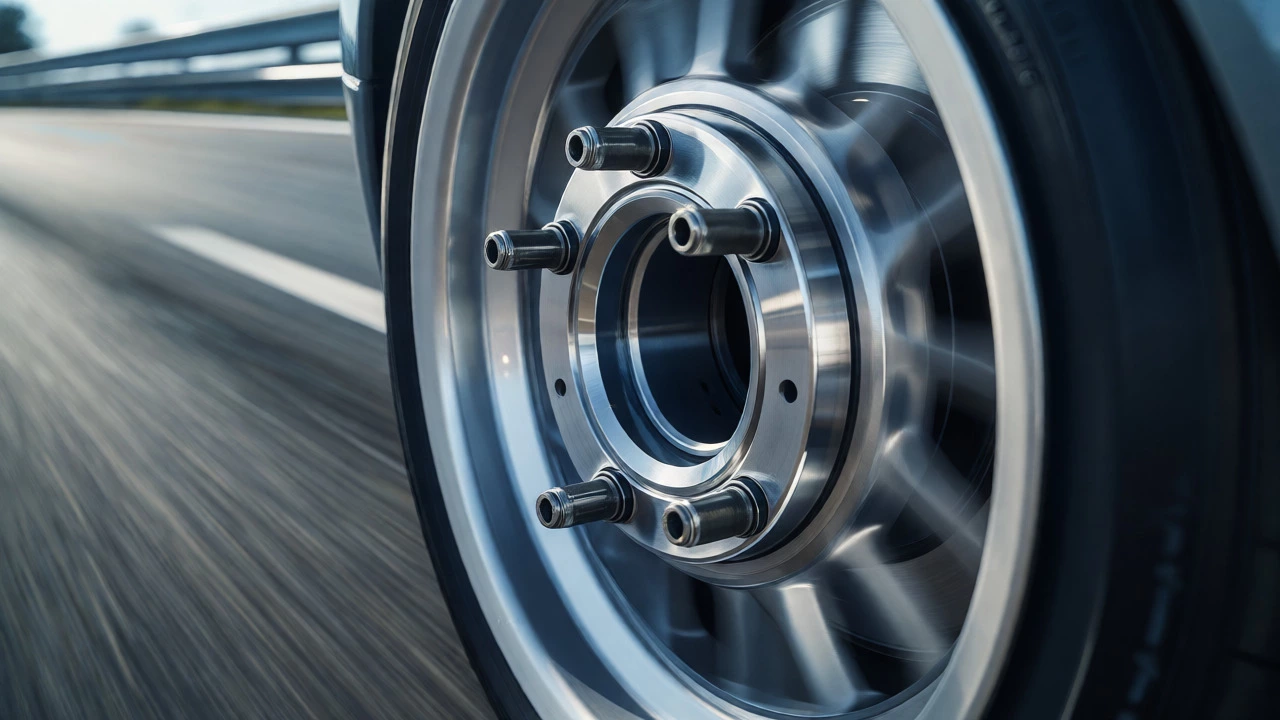
Using lug-centric spacers on a hub-centric vehicle (like most modern Toyotas, BMWs, or Audis) is asking for trouble. The wheel needs to be centered by the hub, not the bolts. If the spacer doesn’t have a matching pilot ring, the wheel sits slightly off-center. At high speeds, this creates a wobble that loosens everything.
3. Bearing Load and Lifespan
Every millimeter of offset increases the lever arm acting on your wheel bearing. A 20mm spacer doubles the stress compared to no spacer. While high-quality bearings can handle this, low-quality ones will wear out faster. You might hear a humming noise from the wheel well after 20,000 km. This isn’t an immediate failure, but it’s a sign that the system is under extra strain.
Installation Mistakes That Cause Failures
Most "spacer failures" aren’t material defects. They’re human errors. Here’s what kills spacers:
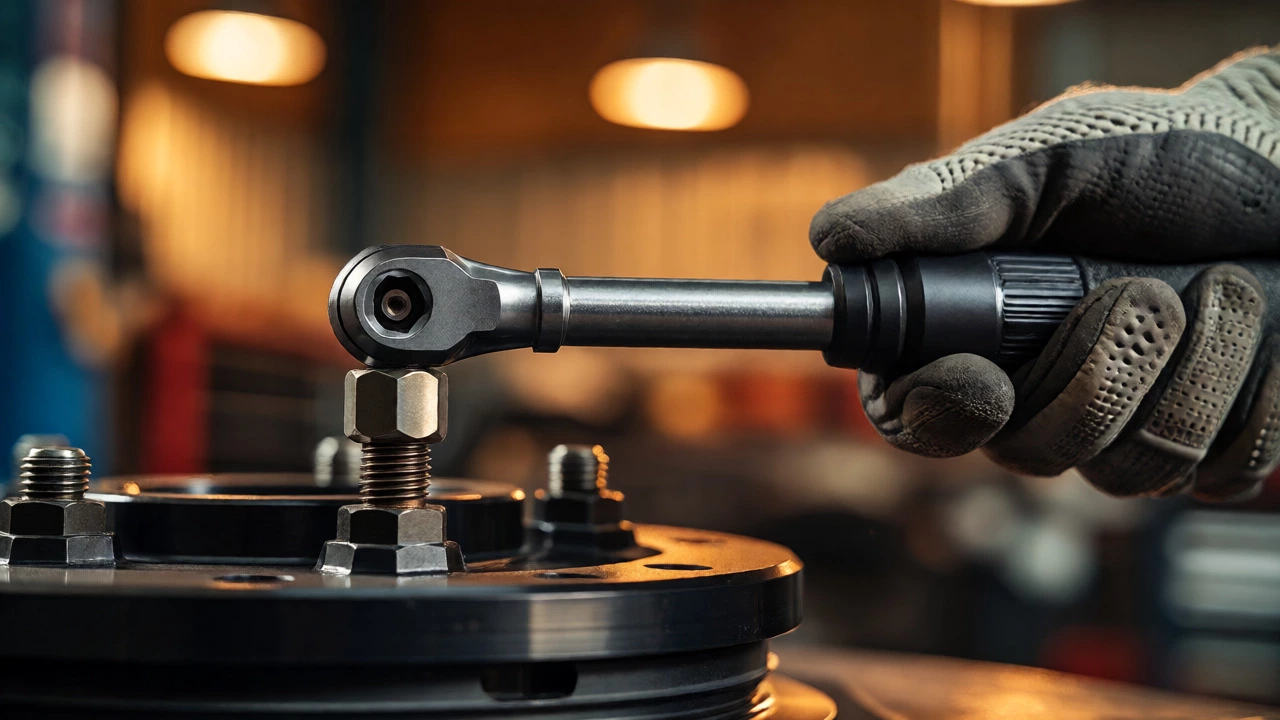
- Not Using Thread Locker: For lug nut systems, apply medium-strength thread locker (like Loctite Blue). Never use Red-it’s too permanent for service.
- Torque Specs Ignored: You must re-torque the bolts after 50-100 km of driving. Metal settles, and threads stretch. If you skip this step, the clamping force drops, leading to wobbling.
- Wrong Bolt Length: If the spacer adds 15mm, your original bolts might be too short. Use extended bolts or studs designed for the spacer thickness. Engaging fewer than 6 full threads is dangerous.
- Clean Surfaces: Rust or dirt between the hub, spacer, and wheel prevents proper seating. Clean all mating surfaces with a wire brush before assembly.
How Fast Is Too Fast?
There’s no magic number where spacers become unsafe. We’ve seen spacers perform reliably at 200+ km/h on track days. However, general guidelines apply:
- <10mm Spacers: Generally safe for any speed if installed correctly. Minimal impact on bearings.
- 10-20mm Spacers: Common range. Safe for highway speeds. Check bearings periodically.
- >20mm Spacers: Requires caution. Consider using stud-and-nut systems instead of bolt-on. May require fender modifications to avoid rubbing.
If you drive mostly in city traffic, the risk is negligible. If you regularly take long highway trips at 110-130 km/h, inspection intervals matter more.

Legal and Insurance Implications in Australia
Living in Brisbane, you know Australian roads vary wildly-from smooth highways to corrugated backroads. Legally, modifications must not compromise safety. Under Australian Design Rules (ADRs), wheel fitment changes are generally acceptable if they don’t alter the vehicle’s structural integrity or handling unpredictably.
However, insurance companies can be tricky. If you crash and the insurer determines that improper spacer installation contributed to the accident, they might deny the claim. Keep receipts for branded spacers and photos of the installation. Proof of correct fitment protects you.
Best Practices for Safe High-Speed Driving
To sleep easy at night, follow this checklist:
- Buy Branded: Avoid no-name eBay specials. Look for ISO-certified aluminum alloys (6061-T6 is standard).
- Go Hub-Centric: Ensure the spacer has a pilot ring that matches your hub bore.
- Use Proper Hardware: Buy matching extended bolts or a stud kit. Don’t mix grades.
- Torque Correctly: Use a calibrated torque wrench. Follow manufacturer specs (usually 100-120 Nm for passenger cars).
- Re-Torque: Check tightness after the first 100 km.
- Inspect Regularly: Every oil change, check for cracks, corrosion, or loose bolts.
Remember, wheel spacers are simple parts. Their simplicity is their strength-if treated with respect. Neglect them, and they become weak links. Respect them, and they enhance your car’s presence and performance safely.
Can wheel spacers fall off while driving?
Yes, but rarely if installed correctly. Failure usually results from missing thread locker, insufficient bolt engagement, or failing to re-torque after initial driving. Modern hub-centric spacers with proper studs are extremely unlikely to detach unexpectedly.
Do wheel spacers affect fuel economy?
Minimally. Wider tracks increase aerodynamic drag slightly and add rotational mass, which might reduce efficiency by 1-2%. However, improved stability can allow smoother driving, potentially offsetting some losses. It’s not a significant factor for most drivers.
Are hub-centric spacers really necessary?
For most modern vehicles, yes. Lug-centric spacers rely on tapered lug nuts to center the wheel, which can lead to imbalance and vibration at high speeds. Hub-centric rings ensure the wheel is centered by the hub itself, providing better balance and safety.
How often should I check my wheel spacers?
Check them after the first 100 km post-installation. After that, inspect them every 6 months or during routine maintenance. Look for signs of rust, cracks, or loose bolts. If you drive aggressively or on rough roads, check more frequently.
Can I use wheel spacers on a leased car?
Usually, yes, but check your lease agreement. Some leases prohibit non-OEM modifications. Also, ensure you keep the original wheels and hardware to restore the car at the end of the lease term. Damage caused by spacers may incur fees.