Air Filter Savings Calculator
Your Vehicle Details
Potential Annual Savings
$0.00
Based on restoring optimal airflow efficiency
Breakdown
- Estimated MPG Improvement: 0%
- Fuel Saved Annually: 0 Liters
- Recommendation: --
Enter your vehicle details to calculate potential savings.
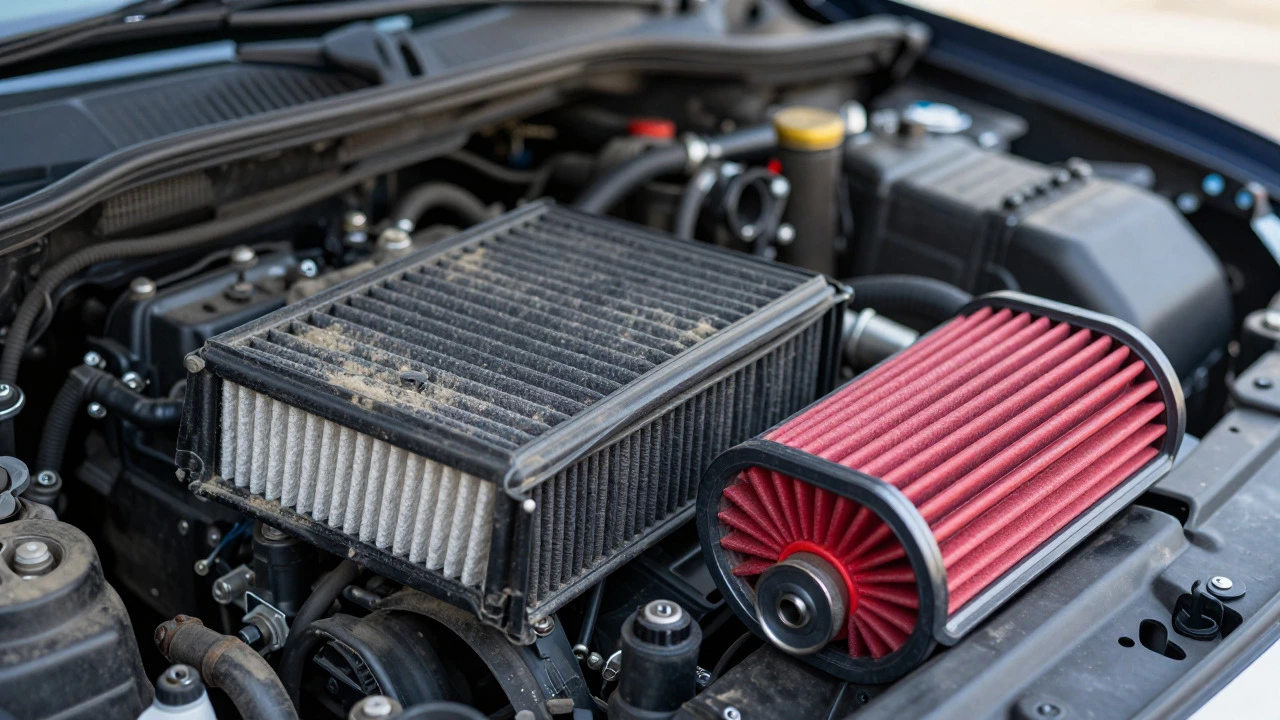
Pop your hood and look at that dusty, clogged mess. It’s been six months since you last changed it, and honestly, it looks like it survived a sandstorm. You’re probably wondering if swapping it out for a shiny new performance air filter is the magic bullet to lower your gas bills. The short answer? Maybe. But the real answer is way more nuanced than the marketing brochures want you to believe.
We’ve all seen the ads promising double-digit MPG gains from a simple filter swap. It sounds too good to be true, right? Well, in the world of automotive engineering, "free" power usually comes with strings attached. Let’s cut through the noise and figure out if upgrading your intake system actually helps your wallet or just your ego.
The Physics of Breathing: How Air Filters Work
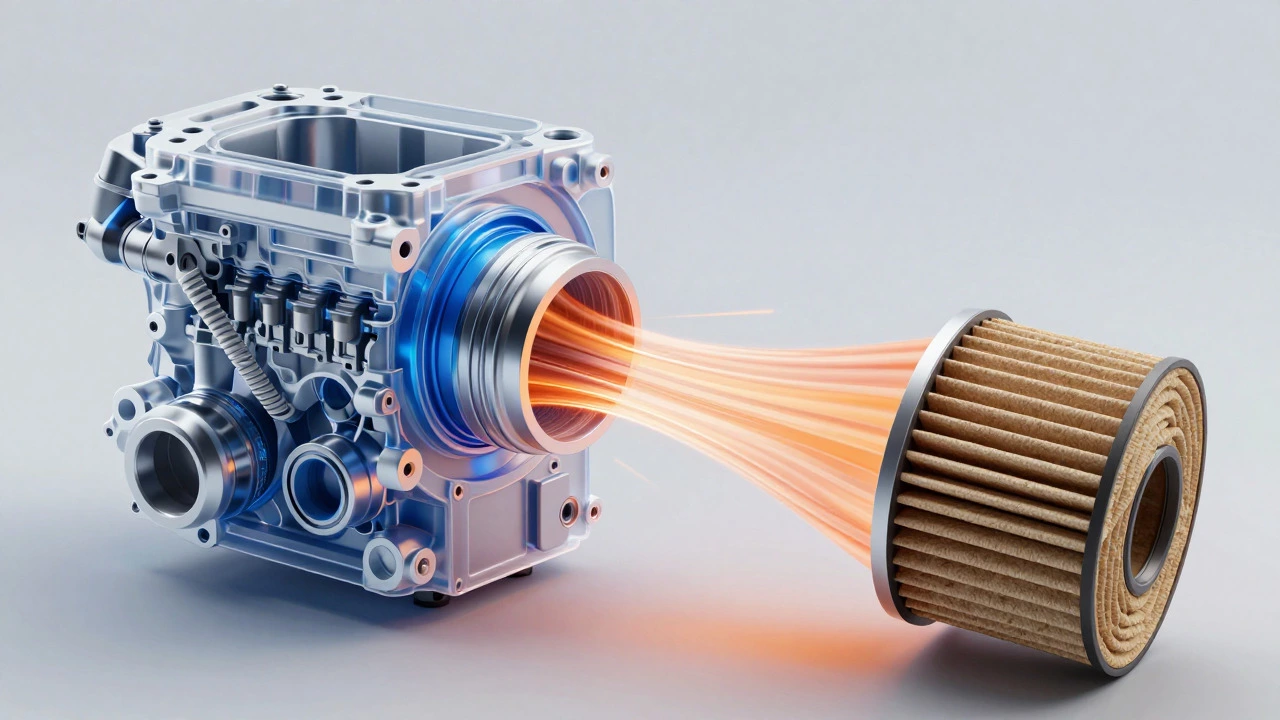
To understand why an air filter might affect your fuel economy, you have to understand what an engine actually does. An internal combustion engine is essentially an air pump. It sucks in air, mixes it with fuel, compresses that mixture, and ignites it. The ratio matters. For gasoline engines, the ideal stoichiometric ratio is roughly 14.7 parts air to 1 part fuel by weight.
Your stock air filter designed to trap dust, pollen, and debris before they enter the engine cylinders sits between the outside world and your engine’s lungs. Its job is protection. If dirt gets past that filter, it acts like sandpaper on your pistons and cylinder walls, leading to catastrophic wear. That’s why filters exist.
However, every barrier creates resistance. In engineering terms, this is called "restriction." A paper filter traps particles effectively but can become restrictive as it fills up with grime. When an engine has to work harder to pull air through a clogged filter, it consumes more energy. This extra effort translates directly into slightly higher fuel consumption because the engine control unit (ECU) has to compensate for the reduced airflow efficiency.
Stock vs. Performance: What’s the Real Difference?
Here is where the debate heats up. Stock filters are typically made of pleated paper. They are cheap, disposable, and excellent at filtration. Performance air filters often constructed from oiled cotton gauze or high-flow synthetic materials designed to reduce airflow restriction, on the other hand, prioritize volume over absolute purity. Brands like K&N, airdam, or Cold Air Intake systems claim their designs allow more air to flow faster.
Does more air mean better MPG? Not necessarily. Modern cars run on closed-loop fuel injection systems. The ECU monitors oxygen levels in the exhaust via sensors and adjusts fuel delivery in real-time. If you install a high-flow filter and more air enters the engine, the ECU simply adds more fuel to maintain that 14.7:1 ratio. You aren’t getting "free" power; you’re just moving more air-fuel mixture.
| Feature | Standard Paper Filter | Performance Air Filter |
|---|---|---|
| Filtration Efficiency | High (99%+ particle capture) | Moderate (95-98% depending on oiling) |
| Airflow Restriction | Higher (especially when dirty) | Lower (maintains flow longer) |
| Lifespan | 12,000 - 15,000 miles | Up to 100,000 miles (with cleaning) |
| Impact on MPG | Restores lost efficiency | Minimal gain (0-2%) |
| Cost Over Time | Low upfront, recurring replacement | High upfront, low maintenance |
The Dirty Filter Scenario: Where You Actually Gain MPG
If your current filter is black, brittle, and covered in Brisbane red dust, changing it will almost certainly improve your MPG. But here’s the kicker: you don’t need a fancy $150 performance filter to do it. A standard replacement paper filter will restore your engine to its factory-specified breathing capacity.
Think of it like trying to breathe through a wet tissue versus a clean one. Your body works harder, your heart rate goes up, and you get tired faster. Same with your car. A severely restricted filter forces the engine to operate less efficiently during partial-throttle conditions-like cruising on the highway or driving around town. By removing that restriction, you eliminate the unnecessary load.
In real-world tests conducted by independent automotive journals, replacing a heavily clogged stock filter with a new stock filter yielded MPG improvements ranging from 1% to 3%. That’s not huge, but if you drive 20,000 kilometers a year and average 8 liters per 100km, saving 0.2 liters adds up to about 40 liters of fuel saved annually. That’s roughly $60-$80 AUD back in your pocket.
Why Performance Filters Rarely Boost Fuel Economy
So why don’t those expensive reusable filters give you bigger gains? Because modern ECUs are incredibly smart. They don’t care if you’re using a paper filter or a high-flow cone filter; they only care about maintaining the correct air-fuel ratio. Unless you are also remapping your ECU or installing a full cold air intake system that changes the density of the air entering the engine, the computer will just adjust accordingly.
Furthermore, performance filters often trade some filtration quality for airflow. Oiled cotton filters can sometimes shed oil onto Mass Air Flow (MAF) sensors. A dirty MAF sensor sends incorrect data to the ECU, which can actually *hurt* your fuel economy and cause rough idling. I’ve seen plenty of enthusiasts spend hundreds on a "power upgrade" only to end up paying for a MAF sensor cleaning kit later.
The main benefit of performance filters isn’t MPG-it’s longevity and throttle response. Because they last longer and don’t restrict airflow as much as a dirty paper filter, they keep the engine breathing well for years. Some drivers report feeling a sharper throttle response, especially at higher RPMs, but this is subjective and often psychological rather than measurable on a dynamometer.
When Does an Air Filter Upgrade Make Sense?
You shouldn’t buy a performance air filter expecting it to slash your fuel bill. Instead, consider these scenarios where it might be worth the investment:
- Dusty Environments: If you live in rural areas or frequently drive on unpaved roads, a high-quality performance filter with better sealing can protect your engine better than a cheap paper filter that tears easily.
- Track Use: If you take your car to the track, the sustained high-RPM operation benefits from consistent airflow. A performance filter maintains its flow characteristics under heat and stress better than paper.
- Eco-Conscious Replacement: Since performance filters are washable and reusable, they generate less waste over the life of the vehicle compared to throwing away paper filters every two years.
- Aesthetics: Let’s be honest, that red conical filter looks cool under the hood. If visual appeal matters to you, factor that into your decision.
Maximizing MPG Without Breaking the Bank
If your primary goal is improving fuel economy, focus on habits and maintenance that yield proven results. Here’s what actually moves the needle:
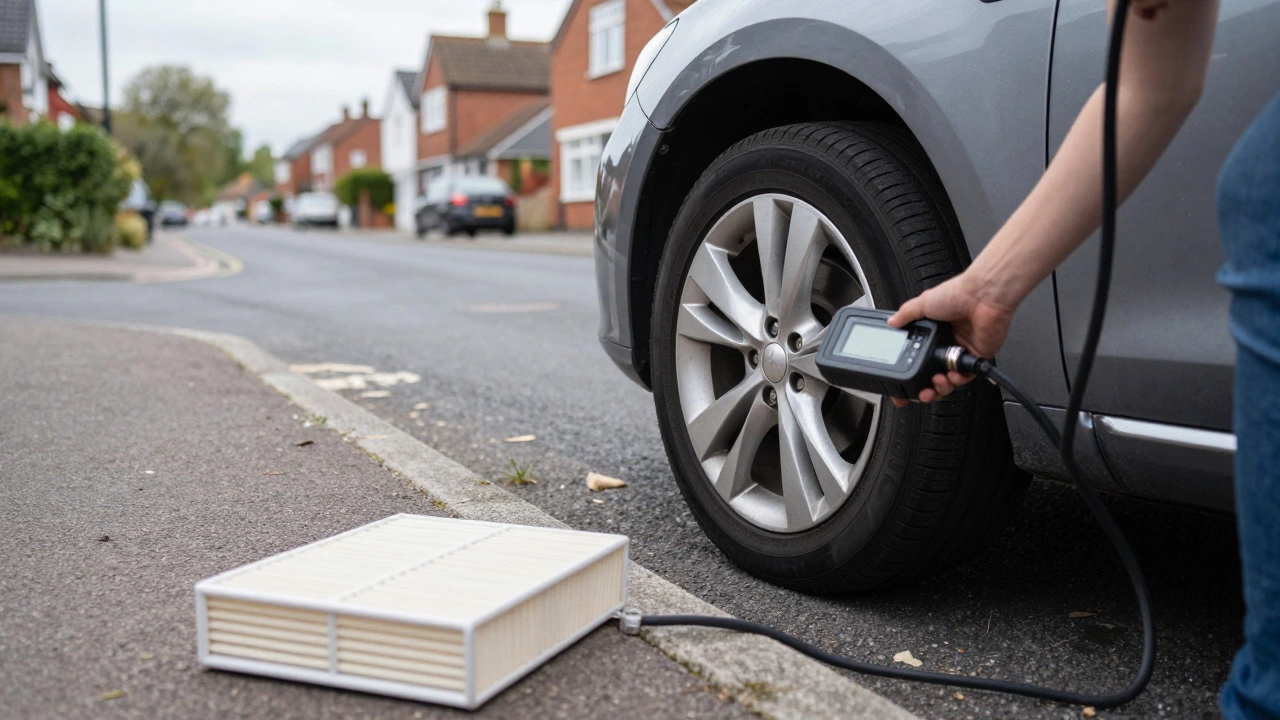
- Tire Pressure: Under-inflated tires increase rolling resistance. Check them monthly. Proper inflation can improve MPG by up to 3%.
- Smooth Driving: Aggressive acceleration and hard braking waste fuel. Anticipate traffic flows and coast when possible.
- Reduce Weight: Clear out the trunk. Every 45 kilograms of extra weight reduces your MPG by about 1-2%.
- Aerodynamics: Remove roof racks when not in use. At highway speeds, drag is your biggest enemy.
- Regular Maintenance: Keep spark plugs fresh, use the correct grade of motor oil, and ensure your oxygen sensors are functioning correctly.
An air filter is just one small piece of the puzzle. While keeping it clean is essential for engine health and optimal efficiency, chasing massive MPG gains from a filter upgrade alone is likely to disappoint. Treat it as routine maintenance, not a performance hack.
How much MPG can I realistically expect from a new air filter?
If your old filter was severely clogged, you might see a 1-3% improvement in fuel economy after replacing it with a new stock filter. Switching to a performance filter rarely yields additional MPG gains beyond restoring proper airflow, as modern ECUs adjust fuel mixtures automatically.
Do performance air filters void my warranty?
Generally, no. Under most consumer protection laws, manufacturers must prove that the aftermarket part caused the damage to deny a warranty claim. However, if a poorly maintained performance filter lets dirt into the engine, they may argue causation. Always follow the manufacturer's cleaning instructions meticulously.
How often should I change my air filter?
For standard paper filters, every 12,000 to 15,000 miles (or 20,000-24,000 km) is typical, but check it every oil change. If you drive in dusty conditions, inspect it more frequently. Performance filters can last up to 100,000 miles if cleaned regularly according to the manufacturer's schedule.
Can a dirty air filter cause engine problems?
Yes. A severely restricted air filter can cause poor acceleration, rough idling, and decreased fuel economy. In extreme cases, it can lead to lean fuel conditions that overheat the engine, potentially damaging valves or pistons over time.
Is it worth buying a cold air intake instead of just a filter?
Cold air intakes replace the entire housing to draw cooler, denser air from outside the engine bay. They offer slightly better potential for horsepower gains than a filter swap alone, but the MPG improvement remains minimal. They are more expensive and complex to install, making them better suited for performance enthusiasts than fuel-economy seekers.