Alloy vs. Steel Wheel Decision Calculator
Answer the questions below to see which wheel type best suits your specific driving situation and lifestyle.
Fill out your profile and click Calculate to see your recommended wheel type.
You see them on every second car in Brisbane. Shiny, intricate, and undeniably cool. Alloy rims are the default choice for most new cars sold today, and for good reason-they look sharp and usually weigh less than their steel counterparts. But here is the thing nobody tells you at the dealership: they aren't perfect. In fact, if you live in an area with rough roads or tight parking spots, those pretty spokes might become your biggest headache.
The question isn't whether alloy wheels are better; it's whether they are right for your specific driving situation. While manufacturers love them for marketing, real-world owners often find themselves paying a premium for aesthetics that come with significant downsides. From expensive repairs to unexpected noise issues, the drawbacks of alloy wheels are real and can hit your wallet hard. Let’s break down exactly what goes wrong so you don’t get caught off guard when that first curb strike happens.
The Fragility Factor: Impact Resistance
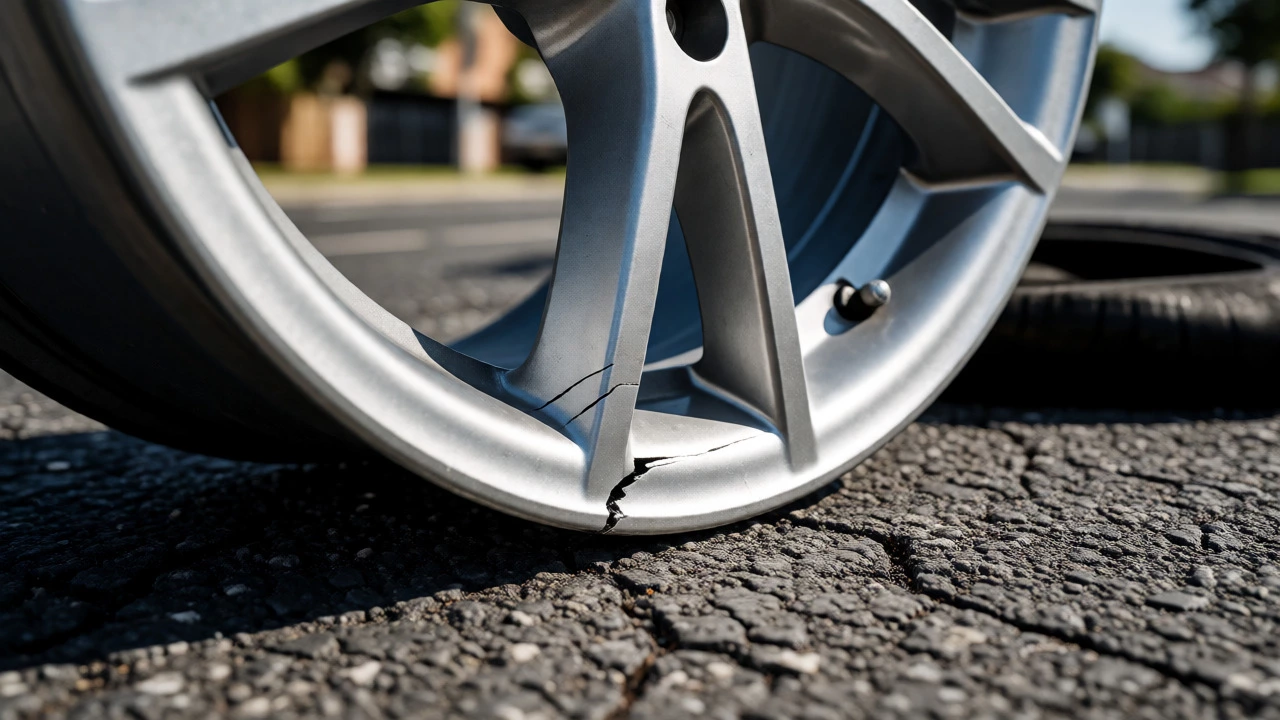
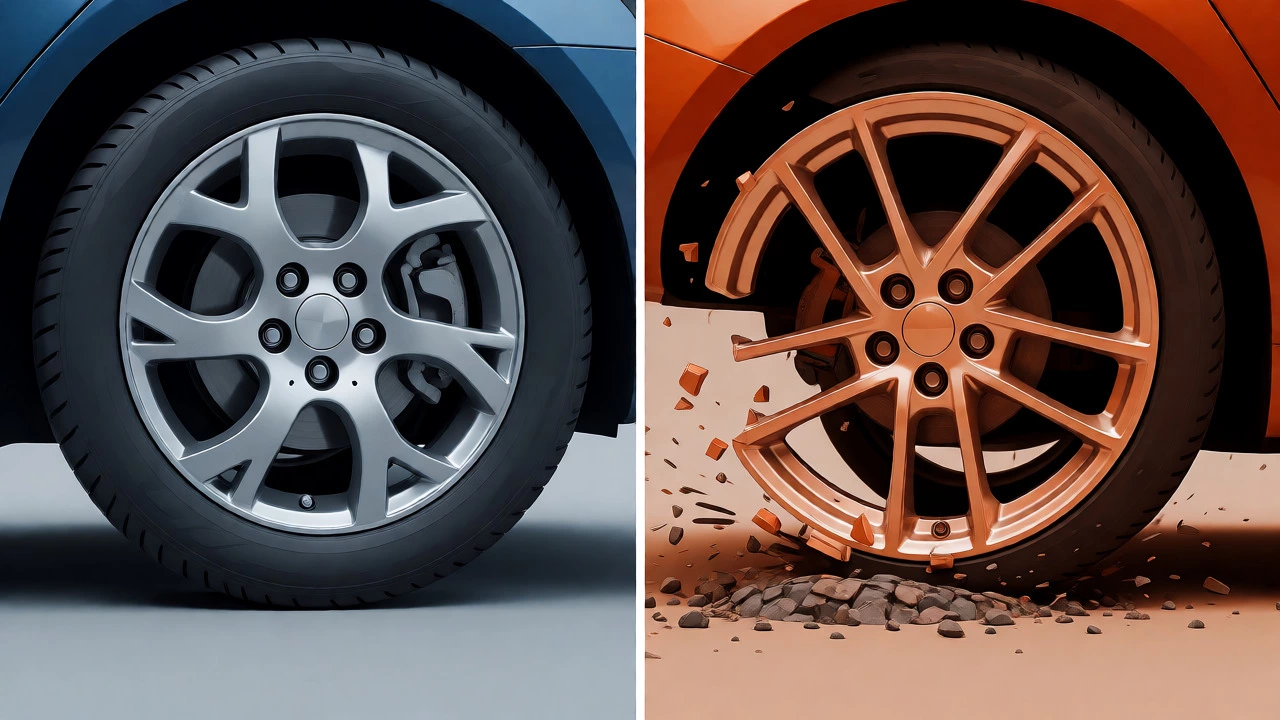
This is the big one. If there is a single word that defines the weakness of alloy wheels, it is "brittle." Unlike steel, which bends when it hits something hard, aluminum alloys tend to crack. Think about hitting a deep pothole at speed. A steel wheel might develop a slight bend, making the tire wobble a bit, but it stays intact. An alloy wheel? It might shatter or develop a hairline fracture that leaks air slowly over days. You won’t always know immediately. You’ll just wonder why your tire pressure warning light keeps coming on.
In Australia, where road conditions vary wildly from smooth motorways to corrugated outback tracks, this fragility matters. The material science behind alloys involves mixing aluminum with other metals like magnesium or silicon to create strength. However, this process creates a rigid structure. Rigidity is great for handling precision, but terrible for absorbing shock. When energy has nowhere to go during an impact, the metal fails catastrophically rather than deforming gracefully. This means a simple mistake while parallel parking can result in a cracked rim that needs replacing, not just straightening.
Repair Costs and Complexity
Because alloys crack instead of bending, fixing them is harder and more expensive. Straightening a bent steel wheel is a quick job for any tyre shop-often under $50. Repairing a cracked alloy rim requires specialized welding equipment, often involving TIG (Tungsten Inert Gas) welding, followed by machining and repainting. This process can cost between $150 and $300 per wheel, depending on the damage severity and location.
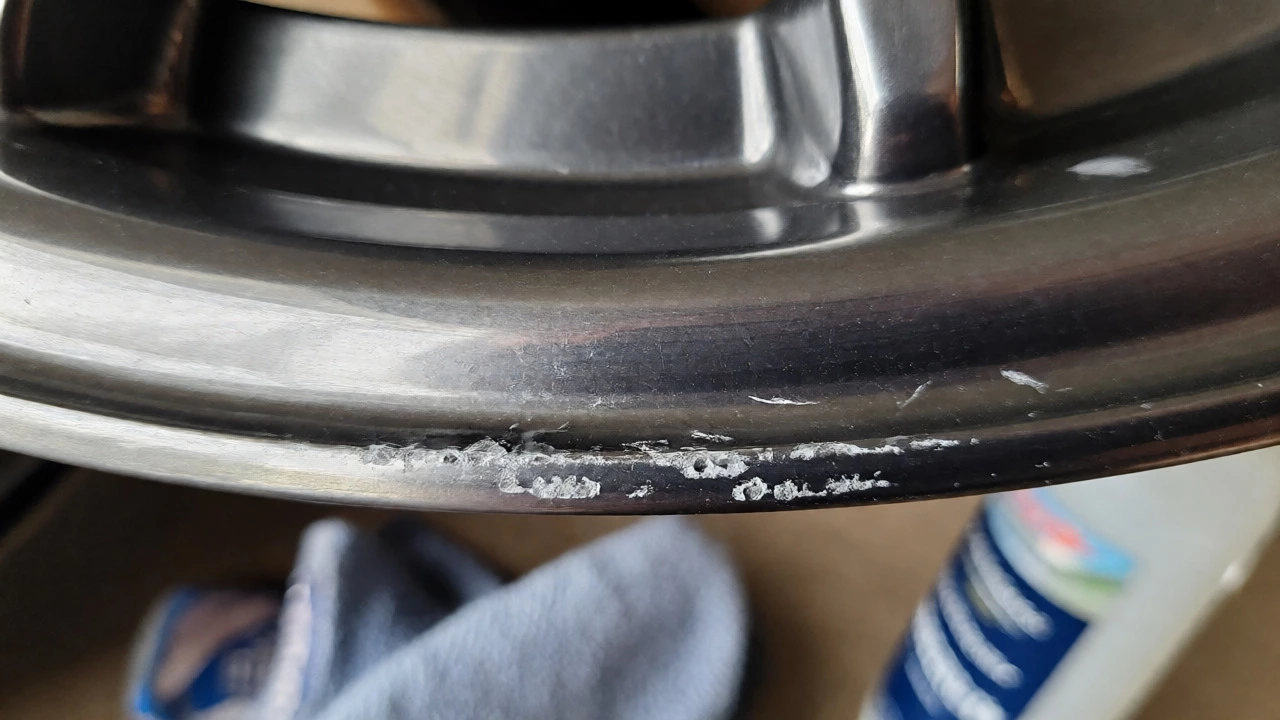
And let’s talk about curb rash. That ugly scrape along the outer lip? On a steel wheel, you might ignore it or touch it up with paint. On a polished or machined-face alloy, it looks terrible. Refinishing a machined face alloy wheel to match the original factory finish is difficult. Many local panel beaters struggle to achieve a seamless blend, leaving you with a visible difference in sheen or color tone. If you have multi-piece forged alloys, the repair complexity skyrockets further because disassembly and re-sealing add labor hours. For budget-conscious drivers, this ongoing maintenance potential is a major hidden cost of ownership.
Noise, Vibration, and Harshness (NVH)
Here is something subtle but annoying: alloy wheels can transmit more road noise into the cabin. Steel wheels are heavier and have different damping characteristics. They absorb some high-frequency vibrations before they reach the suspension components. Alloys, being lighter and stiffer, allow more of these vibrations to travel through the steering column and floor pan.
If you drive a car with minimal sound insulation, you will notice this hum on coarse chip seal roads, which are common in many parts of Queensland. Some drivers describe it as a low-frequency drone that gets louder at highway speeds. While this doesn’t affect safety, it affects comfort. Manufacturers try to counteract this by using thicker tires or adding foam inserts, but the fundamental acoustic properties of aluminum versus steel remain. If quiet cruising is your priority, this characteristic might be a dealbreaker, especially compared to the muted ride quality of heavier steel setups.
Weight Misconceptions and Unsprung Mass
People say alloys are lighter, and generally, they are. But "lighter" is a relative term. A typical 17-inch alloy wheel might weigh 9-11 kg, while a comparable steel wheel weighs 12-14 kg. That sounds like a win, right? Not always. The reduction in unsprung weight (the mass not supported by the springs) improves handling responsiveness, but it also reduces inertia. Less inertia means the wheel reacts faster to bumps. While this sounds good for sporty driving, it can make the ride feel harsher and less composed over broken surfaces.
Furthermore, the design of alloy wheels often necessitates larger brake calipers to fill the visual space and provide adequate cooling. These larger brakes add weight back into the system. So, while the wheel itself is lighter, the total rotating assembly weight might not be significantly lower than a well-designed steel setup. The benefit is mostly psychological and aesthetic unless you are buying ultra-lightweight forged alloys, which bring us back to the cost issue.
Corrosion and Environmental Damage
Steel rusts, yes. But alloy corrosion is sneakier. Aluminum oxidizes, forming a white powder that can pit the surface if left untreated. In coastal areas like Brisbane, salt spray accelerates this process. If the clear coat protecting the alloy gets chipped, moisture gets underneath and starts corroding the metal from within. This can lead to bubbling paint and eventual structural weakening.
Winter road salts are another enemy. Even though we don’t get snow in Brisbane, if you take your car south to Canberra or Tasmania, exposure to de-icing chemicals can eat away at unprotected alloy finishes. Cleaning alloys requires specific pH-neutral cleaners. Using standard acidic wheel cleaners on certain types of coated alloys can strip the protective layer, leading to premature aging. Steel wheels, by contrast, can handle a scrub brush and generic soap without much fuss. The upkeep for alloys demands more attention and specific products, adding time and money to your routine car care.
Compatibility and Fitment Issues
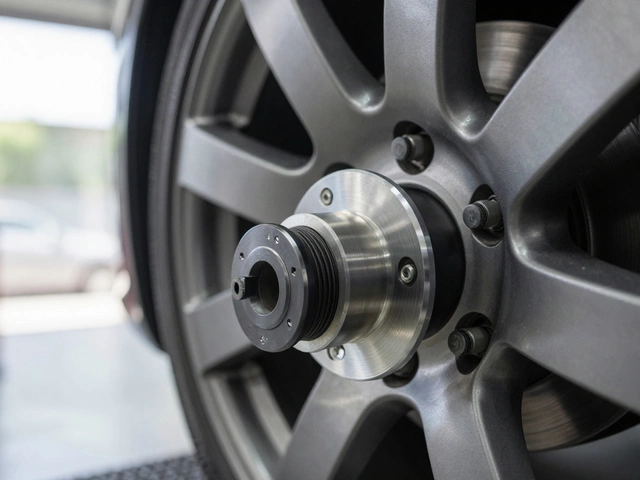
Not all alloy wheels fit all cars perfectly. Offsets, center bores, and bolt patterns must match precisely. Aftermarket alloys offer customization, but getting it wrong leads to rubbing against fenders or suspension components. Correcting improper offset often requires spacers or hub-centric rings, which introduce additional failure points. A loose spacer can cause vibration; a poorly installed hub ring can lead to wheel wobble.
Moreover, tire compatibility can be tricky. Low-profile tires, often paired with large-diameter alloys for looks, are prone to sidewall damage. Hitting a pothole with a 40-series profile tire is far riskier than with a 65-series steel-wheel setup. The tire acts as a buffer, and thinner buffers mean more direct impact on the rim. This combination of fragile rims and vulnerable tires creates a double vulnerability that steel wheels simply don’t share.
| Feature | Alloy Wheels | Steel Wheels |
|---|---|---|
| Impact Damage | Cracks/Shatters (Hard to fix) | Bends/Dents (Easy to fix) |
| Repair Cost | $150 - $300+ per wheel | $20 - $50 per wheel |
| Ride Comfort | Harsher, more NVH transmission | Smoother, better vibration absorption |
| Corrosion Type | Oxidation/Pitting (Coating dependent) | Rust (Surface level, manageable) |
| Aesthetic Maintenance | High (Specialized cleaners needed) | Low (Simple wash) |
When Should You Stick With Steel?
If you drive a workhorse vehicle, like a ute or SUV used for off-roading or heavy loads, steel wheels make sense. They are tougher, cheaper to replace, and easier to repair in remote locations. If you live in an area with poor road infrastructure, the resilience of steel saves you money. Also, if you plan to swap between summer and winter tires frequently, having two sets of steel wheels is far more economical than two sets of alloys.
However, if you prioritize style and live in an urban environment with decent roads, the advantages of alloys-better heat dissipation for brakes, lighter weight for efficiency, and superior looks-might outweigh the risks. Just be aware of the trade-offs. Keep a spare steel wheel in your trunk if possible, especially if you travel long distances. It’s peace of mind for a few hundred dollars.
Frequently Asked Questions
Can I drive on a cracked alloy wheel?
It depends on the crack location and size. Small cosmetic cracks might hold air temporarily, but structural cracks near the bead seat or spoke roots are dangerous. Driving on them can lead to sudden wheel failure, causing loss of control. Always inspect thoroughly and consult a professional before continuing to drive.
Are alloy wheels harder to balance than steel wheels?
Yes, sometimes. Because alloys are cast or forged, they may have inherent imbalances requiring more adhesive weights on the inner barrel. These weights are hidden but can fall off if not applied correctly, leading to vibration. Steel wheels are simpler to balance due to their uniform manufacturing process.
Do alloy wheels rust?
Aluminum does not rust like iron-based steel. Instead, it oxidizes, creating a white powdery substance. However, if the protective coating is damaged, moisture can cause galvanic corrosion between the aluminum and other metal components (like lug nuts), leading to pitting and surface degradation.
Is it worth repairing a curb-rashed alloy wheel?
If the damage is purely cosmetic and the wheel holds air, refinishing is often cheaper than replacement ($100-$200). However, if the curb rash has caused a bend or crack affecting the bead seal, replacement is safer. Consider the value of the wheel; repairing a cheap cast alloy might cost nearly as much as a new one.
Do alloy wheels affect fuel economy?
Marginally. Lighter wheels reduce rotational mass, potentially improving acceleration and braking efficiency slightly. However, the aerodynamic drag of complex spoke designs can offset some gains. Real-world fuel savings are usually negligible for daily driving compared to tire rolling resistance.
Final Thoughts
Alloy rims aren't bad; they are just specific tools. They excel in performance and appearance but demand respect and care. Understanding their disadvantages helps you maintain them better and avoid costly surprises. Whether you stick with steel or upgrade to alloys, knowing the risks puts you in the driver's seat-literally and financially.