Alloy vs Aluminum Wheel Comparison Tool
Current Selection
Compared Against
Walk into any auto shop or browse an online store, and you'll see the term alloy wheels everywhere. But here’s the catch: in most parts of the world, "alloy" is just a broad category name, not a specific metal. If you're trying to decide between steel and lighter options, or wondering if "aluminum" is a separate thing entirely, it can get confusing fast.
The short answer? In North America, when people say "alloy," they almost always mean aluminum alloy. But globally, the term covers magnesium, titanium, and even copper-based mixes. Understanding this distinction matters because it affects weight, strength, cost, and how your car handles. Let's clear up the fog so you know exactly what you're buying.
What Does "Alloy" Actually Mean?
To understand the confusion, we have to look at basic chemistry. An alloy is simply a mixture of two or more metallic elements. You mix metals to create something better than the individual parts-stronger, lighter, or more resistant to corrosion.
Steel is technically an alloy too (iron mixed with carbon), but in the context of car wheels, "steel" refers to mild steel, which is heavy and durable but lacks the aesthetic appeal of lighter options. When marketers switch to the word "alloy," they are signaling a departure from standard steel. They are talking about non-ferrous metals that offer performance benefits over traditional iron-carbon mixtures.
The key takeaway here is that "alloy" is a family name, not a specific ingredient list. It’s like saying "dairy." Milk, cheese, and butter are all dairy, but they aren't the same thing. Similarly, aluminum, magnesium, and titanium are all alloys, but they behave very differently on the road.
The North American Context: Alloy Equals Aluminum
If you live in the US or Canada, the linguistic landscape is simpler. Over the last three decades, the automotive industry has standardized on using "alloy wheels" as a synonym for Aluminum Wheels. This happened because aluminum became the dominant lightweight material for passenger vehicles. Since it replaced steel in the premium segment, "alloy" became the marketing shorthand for "lighter than steel."
So, if you see a listing for "18-inch alloy wheels" in New York or Toronto, you can safely assume they are made primarily of aluminum. The specific composition usually includes silicon, magnesium, and manganese to improve hardness and casting properties. This isn't pure aluminum; pure aluminum is too soft for high-stress applications like holding a car's weight and absorbing pothole impacts.
This regional convention creates a disconnect for international buyers. A European shopper might see "magnesium alloy" listed separately, while an American shopper sees only "alloy." If you're importing parts or comparing global specs, keep this translation gap in mind.
Beyond Aluminum: Other Common Wheel Alloys
While aluminum dominates the consumer market, other alloys exist and serve specific niches. Knowing these helps you avoid mislabeling issues and understand why certain wheels cost significantly more.
- Magnesium Alloys: These are lighter than aluminum but more reactive. They require careful coating to prevent corrosion. Historically used in racing, they are rare in daily drivers today due to safety concerns regarding fire risk if damaged.
- Titanium Alloys: Extremely strong and light, but prohibitively expensive. You’ll find these in high-end supercars or aerospace applications, not in typical sedans or SUVs.
- Copper-Based Alloys: Sometimes used in decorative rims or older vintage cars, these are heavier and less common in modern performance contexts.
For the average driver, the debate is really between steel and aluminum. Magnesium and titanium are exceptions rather than the rule. If a seller doesn't specify "magnesium" or "titanium," assume it's aluminum.
Cast vs. Forged: How Manufacturing Changes Everything
Even within the aluminum category, not all wheels are created equal. The manufacturing process defines the wheel's structural integrity and price tag. This is where the term "alloy" stops telling you enough.
| Feature | Cast Aluminum | Forged Aluminum |
|---|---|---|
| Process | Molten metal poured into a mold | Solid metal block hammered under high pressure |
| Weight | Heavier (baseline) | 15-30% lighter than cast |
| Strength | Good for daily driving | Higher tensile strength |
| Cost | Affordable ($100-$300 per wheel) | Premium ($400-$1,000+ per wheel) |
| Common Use | OEM replacements, aftermarket upgrades | Performance builds, show cars |
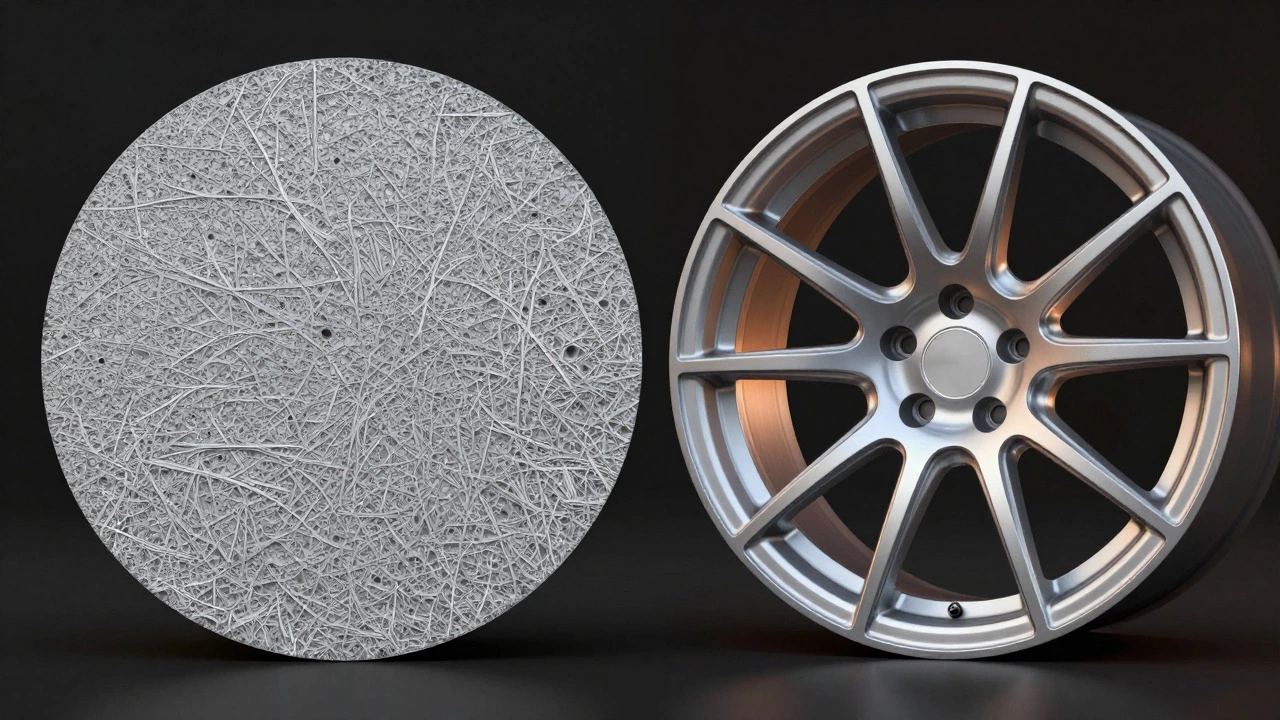
Most factory-installed wheels and budget aftermarket options are cast. The molten aluminum cools in a mold, creating a grain structure that is uniform but relatively porous. Forged wheels, on the other hand, start as a solid billet. Massive presses compress the metal, aligning the grain structure for superior strength-to-weight ratios. If you're looking for maximum performance, forged is the gold standard, but for most people, high-quality cast aluminum offers the best value.
Why Material Matters for Your Car
Choosing the right wheel material isn't just about looks; it directly impacts how your vehicle drives. Heavier wheels increase unsprung mass, which means your suspension has to work harder to keep tires in contact with the road. Lighter aluminum alloys reduce this mass, leading to quicker steering response and improved braking distances.
However, lighter wheels can be stiffer. Steel wheels absorb vibrations naturally due to their flexibility. Aluminum is stiffer, which transmits more road noise into the cabin. This is why many manufacturers add rubber dampers or design complex spoke geometries to mitigate harshness. If you prioritize comfort over cornering precision, you might actually prefer a slightly heavier wheel setup or ensure your tire profile is thick enough to cushion the ride.
Corrosion resistance is another factor. Aluminum forms a protective oxide layer when exposed to air, making it naturally resistant to rust. Steel wheels need paint or powder coating to survive winter salt. If you live in a region with heavy road salting, aluminum alloys generally hold up better over time without peeling or flaking, provided the finish is intact.

How to Verify What You're Buying
Don't just trust the label. Here’s how to confirm the material before you spend your money:
- Check the Weight: Lift the wheel. If it feels surprisingly light for its size, it's likely aluminum. Steel wheels of the same diameter feel noticeably heavier.
- Look for Markings: Most OEM wheels have a stamp indicating the material code. "AL" or "ALU" confirms aluminum. "STL" indicates steel. Forged wheels often have a logo or "FORGED" stamped near the valve hole.
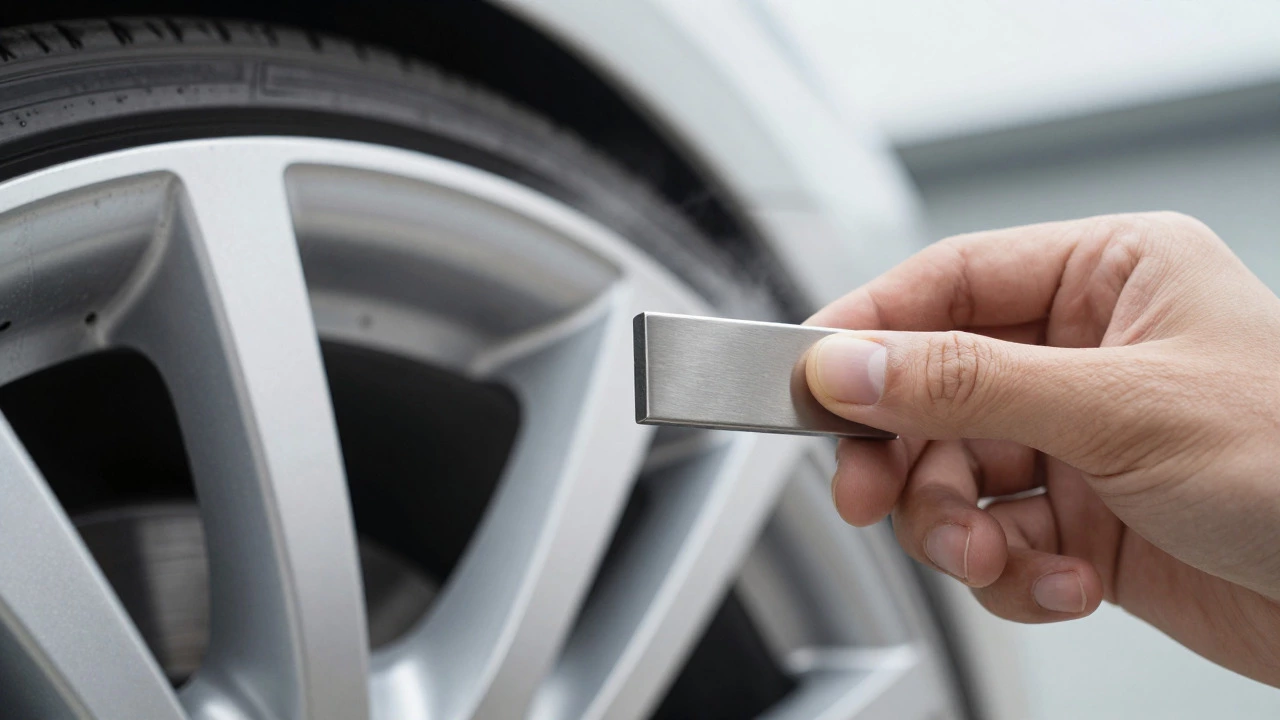
- Magnet Test: This is a quick DIY check. A magnet will stick strongly to steel wheels. It will either not stick or stick very weakly to aluminum alloys. Note: Some aluminum alloys contain small amounts of iron, so a weak pull doesn't automatically mean it's steel, but a strong pull definitely means it's not pure aluminum.
- Read the Specs Sheet: Reputable sellers list the material explicitly. If it just says "Alloy," ask for clarification. In North America, assume aluminum. Elsewhere, ask specifically.
Being proactive here saves you from surprises. Imagine installing "alloy" wheels only to find out they are magnesium and require special care, or discovering they are actually steel painted to look like chrome. Verification takes five minutes and prevents headaches down the line.
Frequently Asked Questions
Are alloy wheels stronger than steel wheels?
Generally, yes, especially when considering strength-to-weight ratio. Aluminum alloys are lighter, which reduces stress on the suspension. However, steel is more flexible and can bend rather than crack under extreme impact. Forged aluminum is significantly stronger than both cast aluminum and steel.
Do I need to sealant my alloy wheels?
Not necessarily. Modern alloy wheels come with factory-applied coatings that protect against corrosion. Regular washing is usually sufficient. Sealing products can help maintain shine but are not required for structural protection unless the wheel is bare metal or damaged.
Can I replace steel wheels with alloy wheels on any car?
Yes, provided the bolt pattern, center bore, and offset match. You must ensure the new wheels fit your hub and don't interfere with your fenders or suspension components. Always check the load rating to ensure the alloy wheels can support your vehicle's weight plus cargo.
Is magnesium alloy safer than aluminum?
In terms of crash energy absorption, magnesium can perform well, but it is more susceptible to galvanic corrosion if it contacts steel parts. It also requires stricter maintenance to prevent oxidation. For most daily drivers, aluminum offers a better balance of safety, durability, and ease of maintenance.
Why do some alloy wheels cost twice as much as others?
Price differences usually stem from the manufacturing process (forged vs. cast) and brand reputation. Forged wheels use more labor and specialized equipment. Additionally, larger brands invest in R&D and quality control, which adds to the final price. Cheaper imports may skip rigorous testing, leading to higher failure rates.