Catback Exhaust Estimator
Not sure if a custom catback is worth it? Input your vehicle details to estimate performance gains and audio characteristics.
+0 hp
At the wheels (estimated)Select options to see description.
Recommendation
Enter your vehicle details above to receive a tailored recommendation regarding pipe diameter and muffler choice.
You’ve probably heard the rumble of a modified car tearing down the street and wondered, "What makes that sound different?" It’s rarely just a loud muffler. In most cases, it’s a custom catback exhaust. Unlike simple bolt-on modifications, this system replaces everything from the catalytic converter to the tailpipes. But here is the catch: not all catbacks are created equal. Some add power, some just add noise, and others actually hurt your engine’s efficiency if designed poorly.
If you’re thinking about upgrading your vehicle’s breathing, understanding what a catback actually does is step one. This isn’t just about looking cool under the rear bumper. It’s about airflow, back pressure, and how your engine manages waste gases. Let’s break down exactly what this component is, why people spend hundreds or thousands on them, and whether your specific car needs one.
The Anatomy of a Catback System
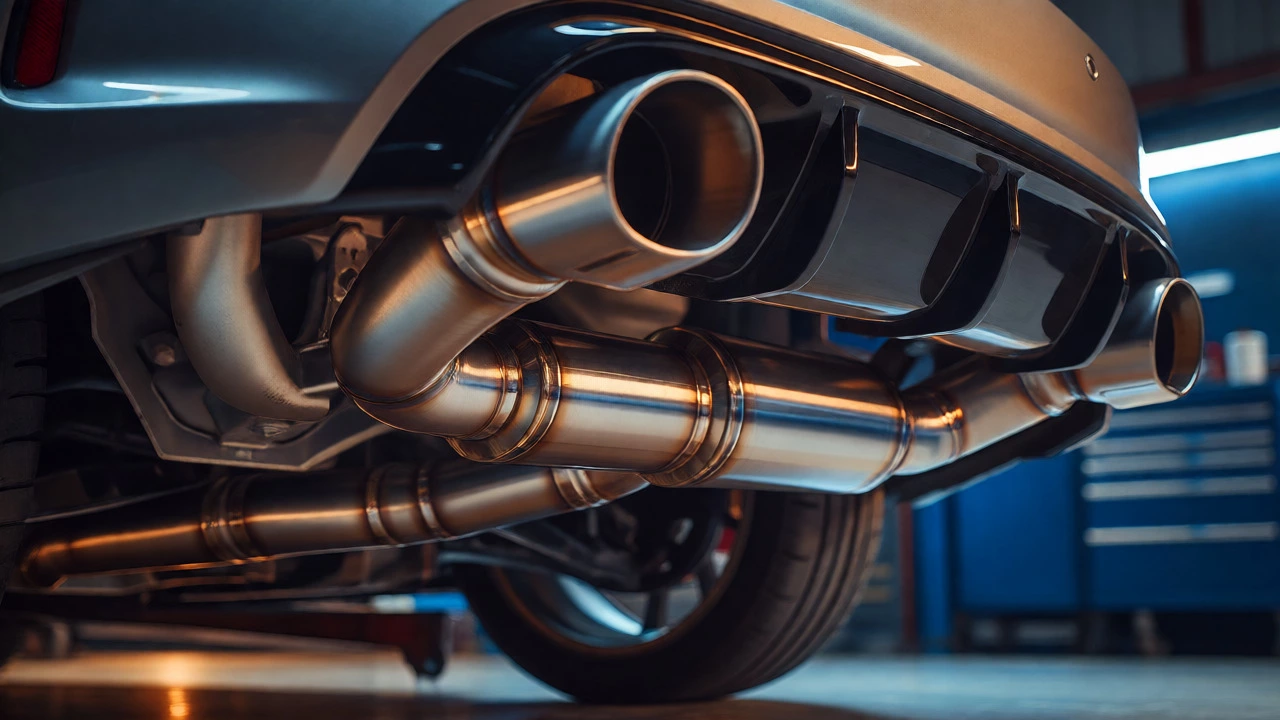
To understand what makes a catback special, you need to know where it sits in the exhaust chain. Your car’s exhaust system starts at the header (or manifold), moves through the catalytic converter, then into the mid-pipe, and finally exits through the mufflers and tips. The term "catback" literally means "from the catalytic converter back." Everything upstream-the headers and cats-stays stock. Everything downstream gets replaced.
A standard factory exhaust is designed for three things: low cost, durability, and quietness. Engineers pack mufflers with dense fiberglass and use narrow piping to dampen sound. This creates restriction. A custom catback exhaust removes these restrictions by using larger diameter pipes, less restrictive mufflers, and straighter routing paths. The goal is to let exhaust gases exit the engine faster, which theoretically allows fresh air-fuel mixture to enter more efficiently.
| Feature | Stock Exhaust | Custom Catback |
|---|---|---|
| Pipe Diameter | Narrow (optimized for torque) | Wider (optimized for flow) |
| Muffler Type | Highly restrictive baffles | Chambered or glasspack style |
| Material | Aluminized steel | Stainless steel or Titanium |
| Sound Profile | Quiet, muted drone | Aggressive, resonant tone |
| Installation | Bolt-on (factory fit) | Bolt-on or weld-in (custom fit) |
Why Go Custom Instead of Off-the-Shelf?
You might ask, "If I can buy a generic universal muffler for $50, why pay for a custom system?" The answer lies in precision. A universal catback often requires cutting and welding because it doesn’t match your car’s exact hanger points or pipe bends. This leads to leaks, rattles, and poor alignment.
A true custom catback is fabricated specifically for your vehicle’s chassis. When we talk about "custom," we mean two things:
- Vehicle-Specific Design: The pipes bend around your subframe, fuel tank, and suspension components without touching them. This prevents heat damage and vibration issues.
- Tuned Acoustics: The mufflers are sized to cancel out annoying frequencies while amplifying the pleasant ones. This avoids the "drone" that makes highway driving unbearable.
In Brisbane, where I deal with both daily commutes and weekend track days, I’ve seen too many cars with poorly fitted universal systems that rattle at 3,000 RPM. A custom solution eliminates that headache. It also ensures the exhaust tip exits cleanly, without hanging too low and scraping over speed bumps.
Does It Actually Add Horsepower?
This is the million-dollar question. Does removing back pressure make your car faster? The short answer: maybe, but don’t expect miracles on a stock engine.
Engines are pumps. They suck in air and fuel, burn it, and push out gas. If the exhaust path is restricted, the engine has to work harder to push those gases out. This is called pumping loss. By widening the pipes and smoothing the internal flow of the mufflers, a catback reduces this resistance. For naturally aspirated engines, you might see a gain of 5-10 horsepower at the wheels. That’s noticeable, but it’s not transformative.
However, if you have a turbocharged engine, the gains can be higher. Turbos rely on exhaust flow to spin the turbine. Less restriction means the turbo spools up faster, reducing lag. In some high-performance applications, a well-designed catback combined with an ECU tune can yield 15-20% more power. But remember, the catback alone isn’t doing the heavy lifting; it’s enabling other mods to work better.
The Sound Factor: Aggressive vs. Annoying
Let’s be real: half the reason people buy a catback is for the sound. But there’s a fine line between a sporty growl and a neighbor-hating drone. Cheap catbacks tend to sound tinny or hollow because they use thin-walled pipes and basic glasspack mufflers. These reflect sound waves rather than absorbing them, creating a harsh frequency range.
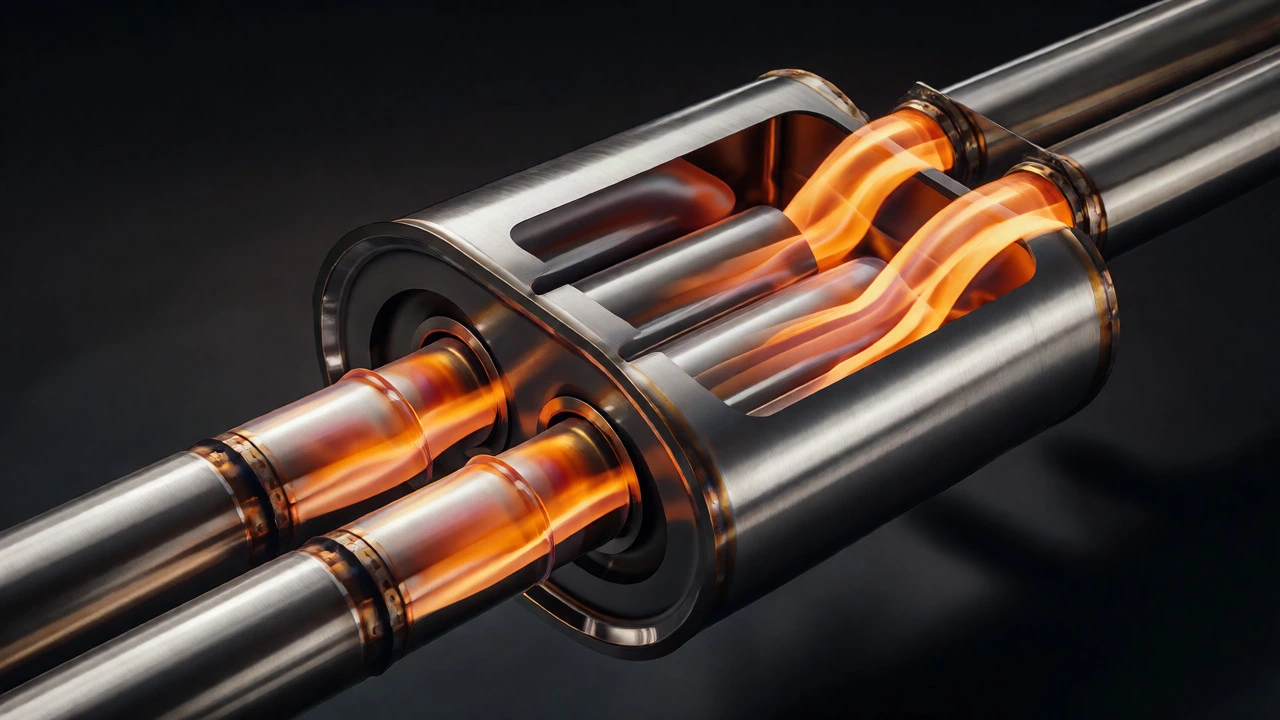
Quality custom systems use multi-chambered mufflers. These chambers bounce sound waves against each other, cancelling out specific frequencies. You want a deep, bass-heavy tone that sounds powerful when accelerating but remains comfortable at cruising speeds. If you drive a daily commuter, look for systems with "valved" options. These allow you to open the exhaust for aggressive sound during spirited driving and close it for quiet commuting.
Consider the material. Stainless steel is the standard. It resists rust, which is crucial in coastal areas like Brisbane where salt air eats metal alive. Aluminized steel is cheaper but corrodes faster. Titanium is ultra-lightweight and exotic but costs significantly more and can discolor with heat.
Common Pitfalls to Avoid
Buying a catback isn’t as simple as clicking "add to cart." Here are the mistakes I see most often:
- Ignoring Back Pressure: Yes, we want flow, but too much diameter can kill low-end torque. If you put a 3-inch pipe on a small 1.6-liter engine, the exhaust gas velocity drops. The engine loses its ability to scavenge exhaust effectively, making the car feel sluggish off the line. Stick to manufacturers who recommend diameters based on engine size.
- Cheap Hangers: Factory rubber hangers wear out. When installing a new system, always replace the hangers. New rubber provides better isolation and prevents the exhaust from sagging and hitting the ground.
- O2 Sensor Issues: Modern cars rely on oxygen sensors to monitor exhaust composition. If you cut the wrong section or mess up the wiring, your check engine light will stay on forever. Ensure the new system retains proper sensor bungs.
Is a Custom Catback Right for You?
You should consider a custom catback if:
- You want a deeper, more aggressive exhaust note without changing the engine internals.
- Your current exhaust is rusted out or leaking.
- You plan to add other performance mods later (like cold air intakes or tunes).
- You value aesthetics and want polished tips that enhance your car’s look.
You might skip it if:
- You prioritize maximum fuel economy above all else (slight losses are possible).
- You live in a strict noise ordinance zone where even mild drones get tickets.
- You have a hybrid or electric vehicle (no exhaust to modify!).
Ultimately, a catback is an investment in character. It transforms a silent appliance into a machine that announces its presence. Just make sure you choose quality fabrication over cheap mass production, and you’ll enjoy the ride for years.
Will a catback exhaust void my warranty?
It depends on your local laws and manufacturer policies. Generally, if the modification doesn't cause the failure being claimed, the warranty remains valid. However, dealers may deny claims related to emissions or engine performance if they deem the aftermarket part responsible. Always keep receipts and documentation.
How much does a custom catback exhaust cost?
Prices vary widely based on material and brand. Entry-level stainless steel systems start around $400-$600 AUD. High-end titanium or hand-fabricated custom systems can range from $1,500 to $3,000+. Installation adds another $100-$300 depending on complexity.
Can I install a catback exhaust myself?
Yes, if it's a bolt-on system and you have basic tools like a jack, ramps, and wrenches. You'll need penetrating oil for rusty bolts. If the system requires welding or custom fitting, professional installation is recommended to ensure leak-free seals.
Does a louder exhaust mean more power?
Not necessarily. Loudness is a byproduct of reduced restriction, but a very loud system can sometimes indicate poor tuning or lack of sound deadening. Power comes from optimized flow dynamics, not decibels. Some quiet systems perform better than loud ones.
Will a catback exhaust affect my fuel economy?
The impact is minimal. In theory, improved flow can slightly improve efficiency, but heavier materials or aggressive driving habits (encouraged by the sound) often negate any gains. Expect no significant change in MPG/L per 100km.