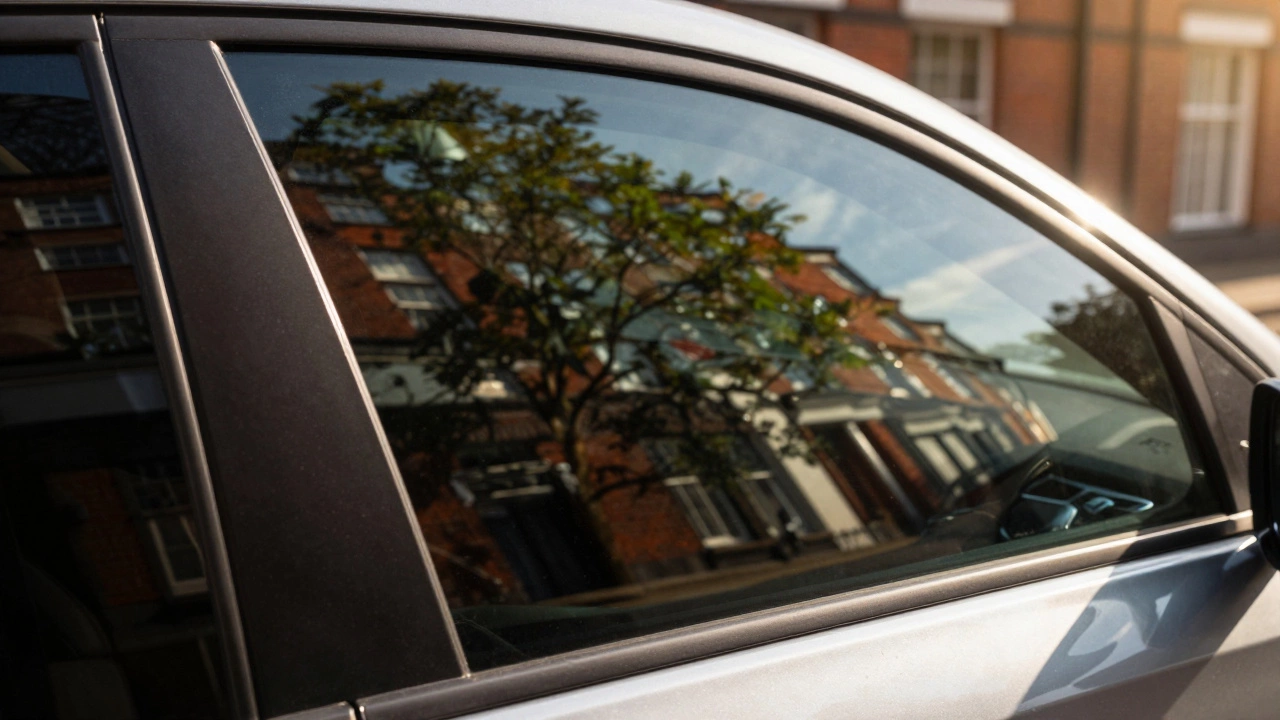
Car Window Tint Shade Calculator & Guide
Use this tool to determine the best window tint shade for your vehicle based on legal limits, heat rejection needs, and lifestyle. Enter your preferred VLT (Visible Light Transmission) percentage below.
You stare at the tint chart in the shop window. A row of squares ranging from nearly clear to pitch black. You want that sleek, stealthy look, but you also don't want to get pulled over by a cop who thinks your windows are illegal. And honestly? You still need to see out of them when you're parking in a dark garage. Choosing the best car window tint shade isn't just about aesthetics; it's a balancing act between local laws, visibility, and how much sun you actually want blocked.
If you pick too dark, you risk fines and having to rip the film off. If you pick too light, you might not get the privacy or heat reduction you paid for. The "best" shade depends entirely on where you live, what kind of car you drive, and whether you prioritize style over function. Let’s break down exactly how to pick the right percentage without guessing.
Understanding VLT: What Do Those Percentages Mean?
Before we talk about shades, you need to understand Visible Light Transmission (VLT). This is the industry standard for measuring tint darkness. It sounds technical, but it’s simple: VLT tells you how much visible light passes through the glass.
A 5% tint lets only 5% of light through. That is extremely dark-often called "limo tint." A 70% tint lets 70% of light through, which looks almost clear. The lower the number, the darker the tint. Most people aim for something in the middle, like 20% or 35%, because it offers a good mix of privacy and visibility.
| VLT % | Appearance | Visibility (Night) | Privacy Level |
|---|---|---|---|
| 5% | Nearly Black | Poor | Maximum |
| 15% | Very Dark | Fair | High |
| 20% | Dark | Moderate | High |
| 35% | Medium-Dark | Good | Medium |
| 50% | Light | Excellent | Low |
| 70% | Nearly Clear | Perfect | Minimal |
When shops ask if you want "20% on the back," they mean the rear side windows and the rear windshield will have a VLT of 20%. The front side windows usually have stricter limits because the driver needs to see clearly.
The Legal Reality: Where Are You Allowed to Tint?
This is the biggest hurdle. There is no universal rule for car tint. Laws vary wildly by state and country. In some places, you can go as dark as you want on the rear windows. In others, anything below 70% is illegal on all windows except maybe the rear windshield.
In the United States, for example, states like Utah and Texas allow very dark tints (as low as 5% or 15%) on rear windows. Conversely, states like Missouri and Vermont require front side windows to be at least 65% or 70% VLT, meaning they must remain very light. If you move from one state to another, your legal tint might suddenly become illegal.
Police officers use a device called a photometer to measure your tint. If you fail the test, you’ll get a ticket. Worse, many states now require you to remove the tint immediately to pass your annual vehicle inspection. Don’t gamble with this. Check your specific state’s Department of Motor Vehicles (DMV) website before booking an appointment.
Heat Rejection vs. Darkness: Why Color Doesn't Equal Cool
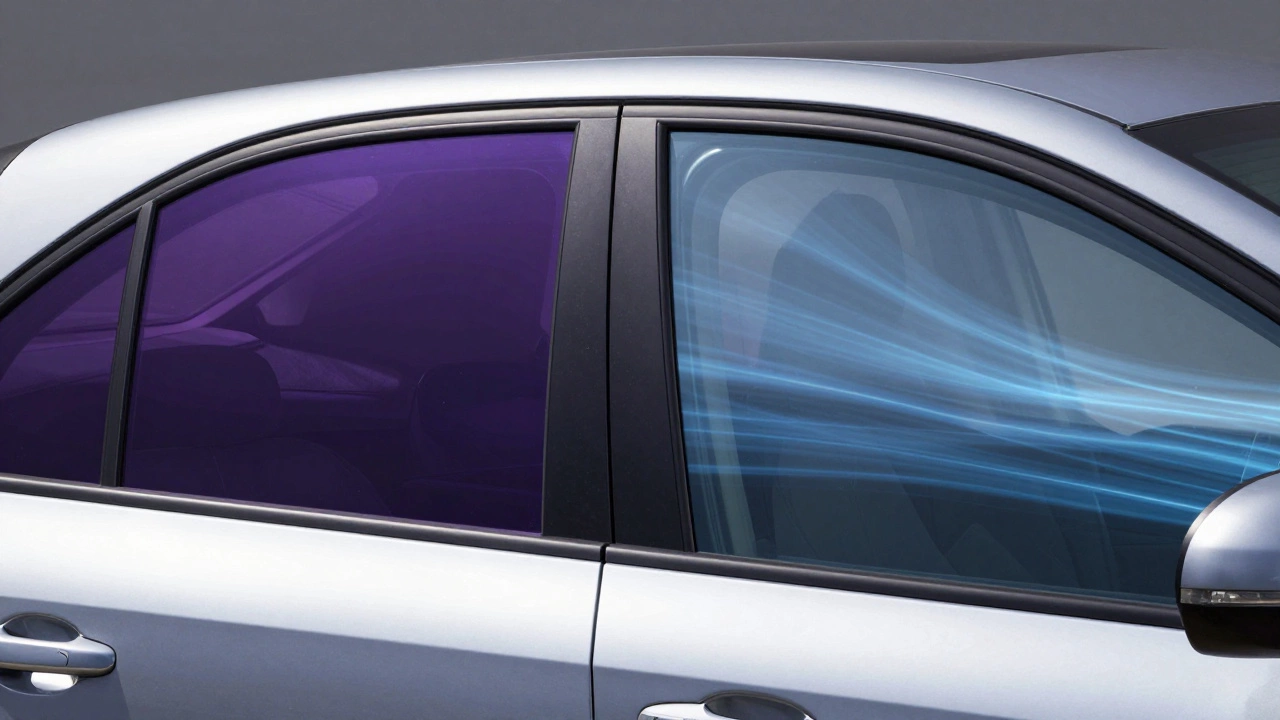
Here is a common misconception: darker tint equals better heat rejection. That used to be true with old-fashioned dyed films, but modern technology has changed the game. Today, the best heat protection comes from the material of the film, not its color.
Ceramic window tint is a high-performance film embedded with non-conductive ceramic particles that block infrared heat without blocking visible light. This means you can have a light 35% or even 50% tint that blocks up to 90% of solar heat. Compare that to a cheap dyed film at 20% VLT, which might only block 40% of heat while making your cabin dark and hard to see out of at night.
If your main goal is keeping the car cool, prioritize the film’s Total Solar Energy Rejected (TSER) rating over the VLT percentage. A high-quality ceramic film at 35% VLT will often keep your car cooler than a cheap dyed film at 5% VLT.
Choosing the Best Shade for Your Lifestyle
Once you know the legal limit and the heat rejection capabilities, you need to decide based on your daily driving habits. Here are three common scenarios:
- The Daily Commuter: You drive mostly during the day but sometimes at night. You park in exposed lots.
Recommendation: Stick to the legal maximum for front windows (usually 35-50% VLT) and go slightly darker on the rear (20-35% VLT). Use a high-quality carbon or ceramic film. This ensures you can see blind spots clearly at night while still getting significant UV and heat protection. - The Show Car Owner: You drive rarely, mostly in daylight, and care most about the aggressive, sleek look.
Recommendation: Go as dark as legally allowed, or slightly darker if you’re willing to risk occasional tickets. Many enthusiasts choose 5% to 15% on the rear sides and 20% on the rears. Just ensure you use a premium film so it doesn’t turn purple or bubble within a year. - The Parent/Family Driver: You carry kids, pets, or valuables and want privacy without sacrificing safety.
Recommendation: 35% VLT is the sweet spot. It provides enough privacy so strangers can’t easily see into the back seat, but it remains transparent enough for you to check mirrors and monitor traffic safely in low-light conditions.
Front Windows: The Danger Zone
Your front side windows are critical for safety. They are your primary source of peripheral vision. When these windows are too dark, your brain struggles to adjust to the contrast changes between the bright outside and the dark interior, especially at dusk or dawn.
Most experts recommend never going darker than 35% VLT on the front side windows unless you live in a state with very lax laws and you are confident in your night-driving skills. Even then, 20% on the fronts is risky. If you find yourself squinting or missing turns because you couldn’t see a sign, your tint is too dark.
Also, consider rain and snow. Dark tint makes it significantly harder to see through wet or icy windshields and side windows. If you live in a climate with frequent precipitation, lighter tints on the front are a practical necessity.
Material Matters More Than Shade
You’ve picked your shade. Now, what kind of film should you buy? The material affects durability, signal interference, and appearance.
- Dyed Film: Cheapest option. Looks good initially but fades to purple over time. Offers minimal heat rejection. Good for budget builds where you plan to change cars soon.
- Carbon Film: Mid-range price. Does not fade. Blocks more heat than dyed film. Has a matte, non-reflective finish that looks great. Doesn’t interfere with GPS or radio signals.
- Ceramic Film: Premium price. Best heat rejection. Crystal clear optics. No fading. However, some cheaper ceramic films can interfere with electronic toll passes or key fobs if installed incorrectly, though high-end brands like Llumar or 3M avoid this issue.
- Metallic Film: Reflective and shiny. Great for heat rejection but can interfere with cell phone, GPS, and radio signals. Often banned in certain areas due to reflectivity glare affecting other drivers.
For most people, Carbon or Ceramic is the best choice. Dyed film is a false economy because it degrades quickly, leaving you with bubbles and discoloration.
Installation Quality: The Hidden Variable
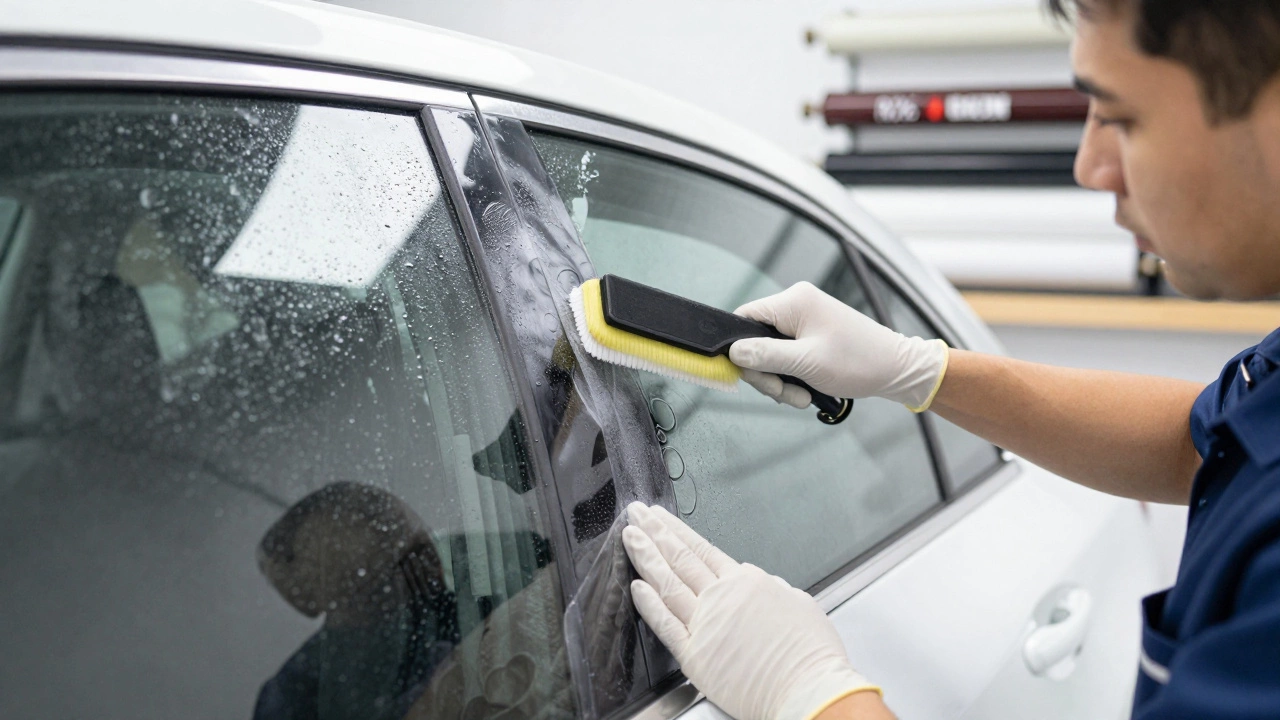
Even the best tint shade looks terrible if installed poorly. Look for a shop that uses a clean-room environment. Dust particles trapped under the film create permanent bumps. Bubbles caused by poor adhesion will pop or shrink over time.
Ask for a warranty. Reputable manufacturers offer lifetime warranties against peeling, bubbling, and discoloration. If a shop won’t provide a written warranty, walk away. A professional installation usually costs $200-$400 for a sedan, depending on the film quality. Cheap installations ($100 or less) often cut corners on cutting tools or cleaning solutions, leading to early failure.
FAQs About Car Tint Shades
Is 5% tint legal anywhere?
Yes, but restrictions vary. In the US, states like Utah, Texas, and Arizona allow 5% tint on rear side windows and rear windshields. However, it is rarely legal on front side windows. Always check your local DMV regulations before applying 5% tint, as it is often referred to as "limo tint" and is heavily scrutinized by law enforcement.
Does darker tint block more heat?
Not necessarily. While older dyed films relied on darkness to absorb heat, modern ceramic and carbon films block infrared rays regardless of their visual darkness. A high-quality 35% ceramic tint can reject more heat than a cheap 5% dyed tint. Focus on the TSER (Total Solar Energy Rejected) rating rather than just the VLT percentage.
Can I tint my front windows the same as the back?
It depends on your state laws. Most jurisdictions have stricter limits for front side windows (often requiring 35% to 70% VLT) compared to rear windows (which may allow 5% to 20% VLT). Matching the front and back is stylish but often illegal. Prioritize visibility and compliance on the front windows.
Will window tint interfere with my GPS or toll transponder?
Metallic tints can cause interference with GPS, radio, and cellular signals. Ceramic and carbon tints are non-conductive and generally do not interfere with electronic devices. If you use an electronic toll pass (like E-ZPass), place the transponder on the upper corner of the windshield away from any heavy metal content in the film, or opt for a ceramic film to be safe.
How long does it take for tint to dry?
It typically takes 3 to 7 days for the water trapped between the film and the glass to evaporate completely. During this time, you may see small water bubbles or haze. Avoid rolling down your windows for at least 3 days in winter and 1 day in summer. Do not wash the inside of the windows for two weeks.
Next Steps: How to Proceed
Start by checking your state’s specific VLT laws online. Write down the maximum allowed percentage for front and rear windows. Next, decide on your budget. If you can afford it, invest in a ceramic or carbon film from a reputable brand like Llumar, 3M, or Huper Optik. Finally, visit a certified installer. Ask to see samples of their previous work, specifically looking for clean edges and no bubbles. By balancing legality, visibility, and material quality, you’ll end up with a tint job that looks great and lasts for years.