Car Detailing Startup Cost Calculator
Select a starting scenario or customize your own budget to see realistic startup figures.
Mobile Operator
Recommended. Prosumer gear, used trailer/ute, decent marketing.
Garage Hobbyist
Low cost. Own car, driveway setup, basic gear, word-of-mouth.
Customize Your Budget
Estimated Total Startup Cost
Based on current Australian market estimates
💡 Quick Tip
Don't forget working capital! You won't get paid immediately. Keep enough cash to cover fuel and supplies for at least 2 weeks of operations.
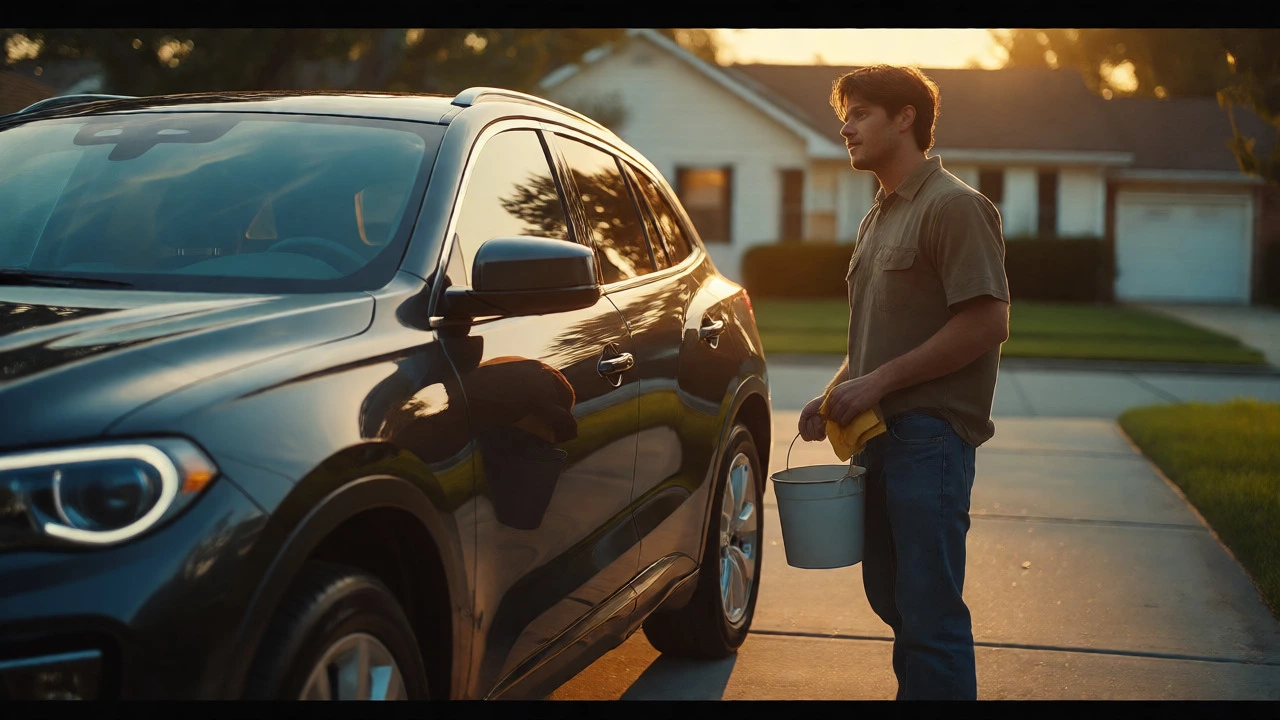
You see a shiny, spotless SUV pull up to the curb, and you think, "I could do that." Maybe you've been washing cars for friends on weekends or you're just tired of your current job. The idea of starting a car detailing business is exciting because the barrier to entry feels low. You buy a bucket, some soap, and a chamois, right? Wrong. That mindset is why most new detailers quit within six months.
The reality is that professional detailing isn't just about cleaning; it's about restoration and protection. To charge premium rates, you need gear that actually works. If you try to save money by using household cleaners and cheap towels, you'll end up with swirl marks on customer paint jobs and angry emails asking for refunds. So, how much cash do you really need to get off the ground? It depends entirely on whether you want to be a weekend warrior with a garage setup or a full-time mobile operator chasing high-end clients. Let's break down the real numbers, not the fantasy ones.
The Mobile vs. Fixed Location Decision
Before you spend a single dollar on polish, you need to decide where you're working. This choice dictates 80% of your startup costs. Most beginners start with mobile detailing because it eliminates rent. But don't let that fool you into thinking it's free. You still need a vehicle, water storage, power sources, and insurance.
A fixed location-a rented bay in a commercial unit-requires upfront lease payments, bond, and utility hookups. In Brisbane, for example, renting a small industrial shed might cost you $2,500-$4,000 per month plus outgoings. You also need to build out the space with lighting, drainage, and waiting areas. That can easily add $10,000 to your initial bill before you wash a single car.
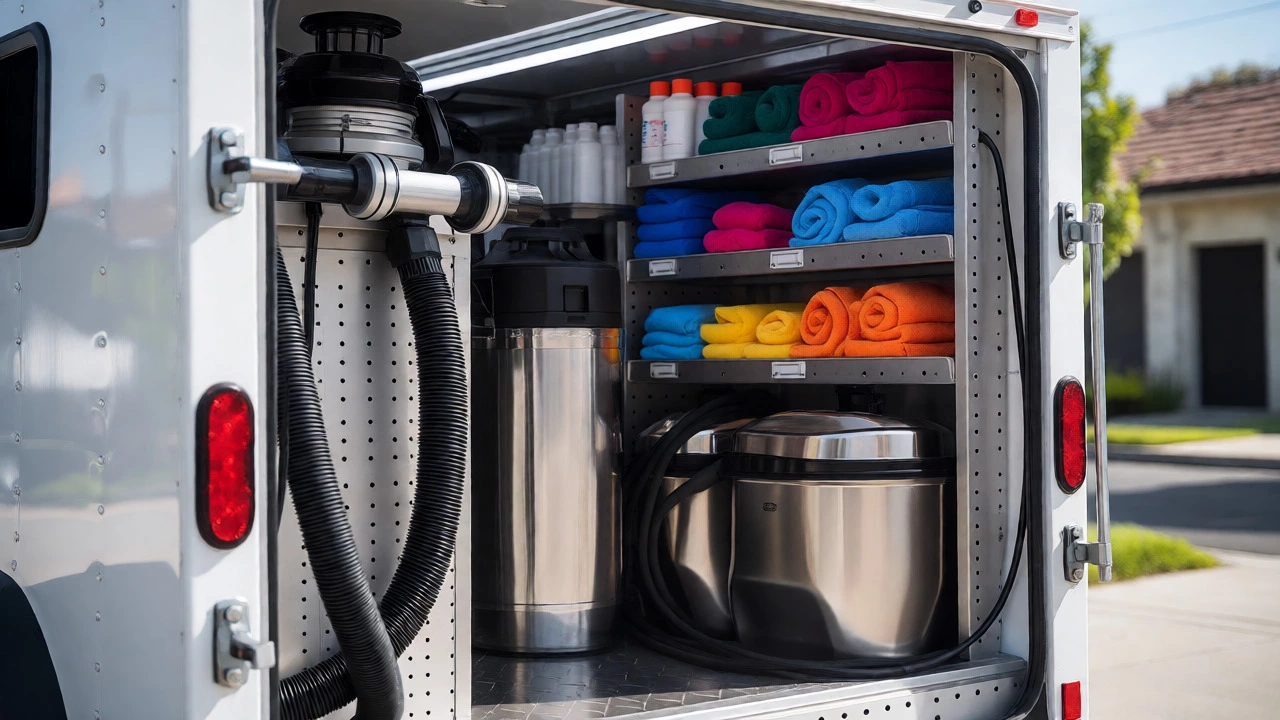
Mobile detailing shifts those costs. Instead of rent, you invest in a van or trailer conversion. You need a reliable water tank (at least 60 liters), a generator or battery system for vacuums and buffers, and secure storage for chemicals. The advantage? You go to the client. For busy professionals, this convenience is worth paying extra for. The disadvantage? Your overheads are tied to fuel prices and vehicle maintenance. If your van breaks down, you don't earn.
Essential Equipment: What You Actually Need
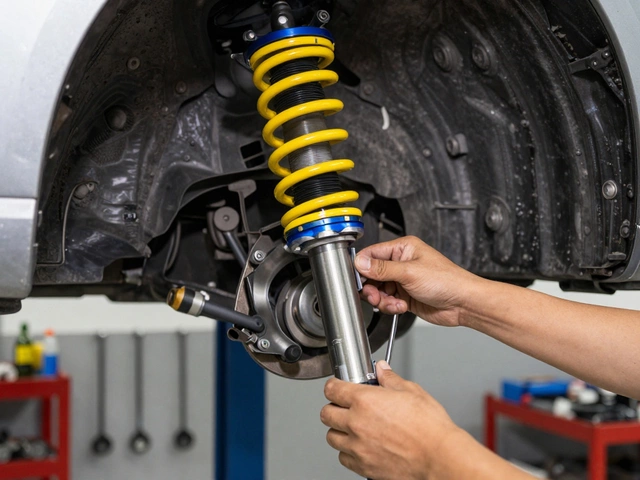
Let's talk gear. There is a massive difference between a "starter kit" from a big-box store and professional-grade tools. You don't need every tool on day one, but you do need the core essentials to deliver quality results. Skimping here leads to rework, which kills your profit margins faster than anything else.
| Item Category | Budget Option (Starter) | Professional Standard | Why It Matters |
|---|---|---|---|
| Dual Action Polisher | $150 - $250 | $400 - $700 | Cheap polishers vibrate excessively, causing fatigue and uneven cuts. Professional units have better balance and variable speed control. |
| Vacuum System | $100 (Shop Vac) | $300 - $600 (Commercial) | Detailing requires deep extraction. A standard home vacuum clogs instantly with pet hair and fine dust. |
| Steam Cleaner | $80 - $120 | $200 - $400 | Steam sanitizes interiors without harsh chemicals. Cheap units lack pressure consistency. |
| Chemicals & Consumables | $100 | $300 - $500 | Quality shampoos, degreasers, and dressings last longer and produce better gloss. Cheap stuff often leaves residue. |
| Microfiber Towels | $20 (Pack of 10) | $100+ (Bulk Pro Grade) | You need dozens. Low-quality fibers scratch paint. Buy in bulk to lower per-unit cost. |
| Lighting | $50 (LED Bar) | $150 - $300 (Inspection Lights) | You cannot fix what you cannot see. Proper lighting reveals swirls and defects missed by sunlight alone. |
Notice the gap between the budget and pro options? That $1,000-$1,500 difference buys you reliability and efficiency. Time is money in detailing. If your polisher overheats after ten minutes, you lose time. If your vacuum loses suction, you lose quality. Start with the mid-range if you can afford it. You can always upgrade later, but replacing broken cheap tools twice as fast adds up.
Vehicle and Logistics: The Hidden Costs
If you're going mobile, your vehicle is your biggest asset and liability. You don't necessarily need a brand-new Sprinter van. Many successful detailers start with a second-hand ute or a small trailer towed by an existing car. However, you must factor in the cost of outfitting it.
- Water Storage: You need fresh water for rinsing and dirty water containment. Tanks range from $100 for basic jerry cans to $800+ for custom-built stainless steel tanks with pumps.
- Power Supply: If you don't plug into the client's house (which many prefer not to), you need a portable generator ($300-$600) or a heavy-duty lithium battery setup ($1,000+). Generators are noisy; batteries are quiet but expensive upfront.
- Storage Solutions: Chemicals spill. Tools rattle. You need shelving, lockable cabinets, and tie-down points. Expect to spend $200-$500 on organizing your workspace efficiently.
Don't forget insurance. Public liability insurance is non-negotiable. One slip on a wet driveway and you could be sued for thousands. In Australia, annual premiums for a sole trader typically range from $400 to $800 depending on coverage limits. Also, consider vehicle registration and comprehensive insurance if you're driving a dedicated work van. These aren't optional extras; they are survival mechanisms.
Marketing and Customer Acquisition
You can have the best equipment in town, but if nobody knows you exist, you're broke. Marketing is where many new businesses fail. They assume word-of-mouth will carry them. It won't-not at first. You need to actively hunt for clients.
Your digital presence starts with a simple website and social media profiles. Do not hire a web agency for $2,000 yet. Use platforms like Squarespace or Wix. Spend $20-$30 a month. Focus on Instagram and Facebook. Post before-and-after photos. People love seeing transformation. A dull dashboard turning black and glossy? That gets likes. Likes turn into inquiries.
Local SEO matters too. Register your business on Google My Business. Encourage early clients to leave reviews. Reviews are social proof. When someone searches "car detailing near me," they click on the profile with the highest rating. You might need to offer introductory discounts to get those first five reviews. Calculate the cost of customer acquisition carefully. If you spend $50 on ads to get a $150 job, you're barely breaking even after materials and time.
Consider partnerships. Local real estate agents need cars cleaned for open homes. Used car dealerships need vehicles prepped for sale. Approach them directly. Offer a bulk rate. One dealership account could provide steady weekly income, stabilizing your cash flow while you build your private client base.
Legal and Administrative Setup
Australia has specific requirements for small businesses. You need an Australian Business Number (ABN). It's free to apply for through the Australian Business Register. Without it, you can't invoice properly or claim GST credits.
Decide on your structure. Sole trader is easiest and cheapest to set up. You pay tax at your personal marginal rate. As you grow, you might switch to a company structure for liability protection and potential tax benefits, but that costs more in accounting fees ($1,000-$2,000 annually). Stick with sole trader initially unless you have significant assets at risk.
Bookkeeping is vital. You don't need an accountant on day one, but you do need software like Xero or QuickBooks. These cost $30-$60 a month. Track every expense: fuel, chemicals, towels, repairs. At tax time, these deductions reduce your taxable income. Ignoring this step means overpaying taxes and missing financial insights.
Realistic Total Startup Budget Scenarios
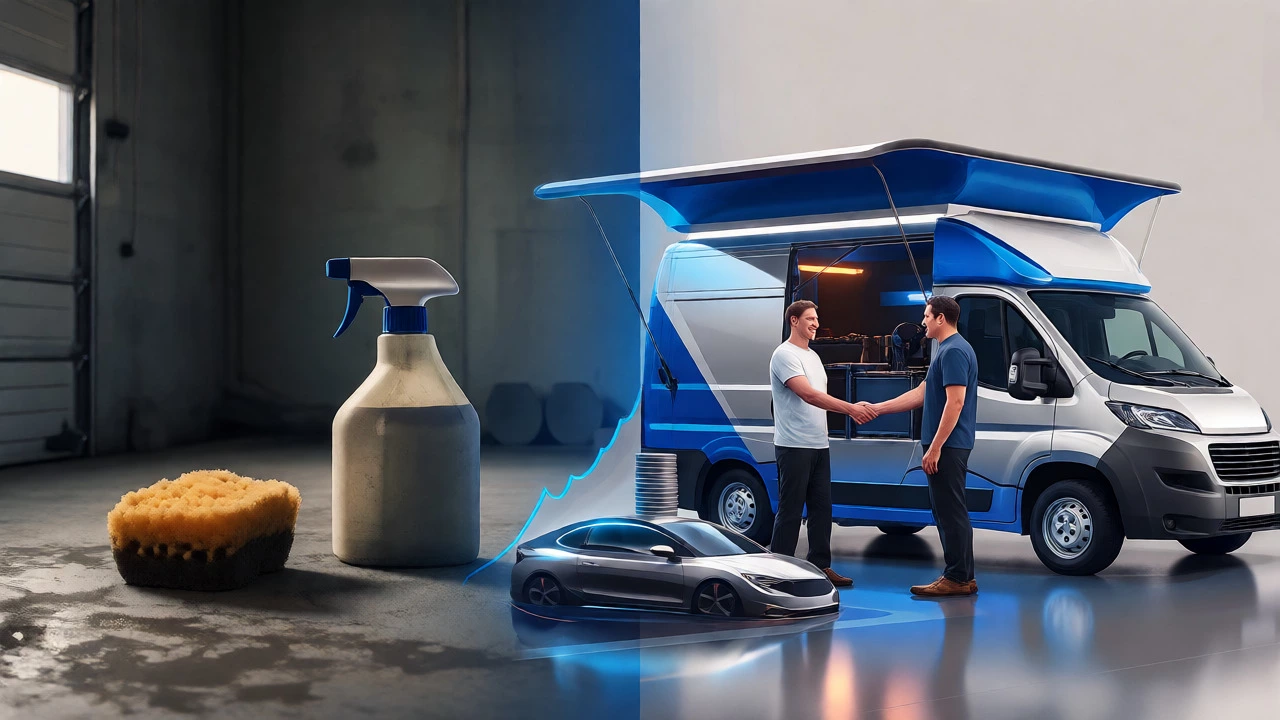
So, what's the bottom line? Here are three realistic scenarios based on current market prices in Australia.
Scenario 1: The Garage Hobbyist
You use your own car, park in your driveway, and only detail on weekends. You buy basic gear and rely on word-of-mouth.
* **Equipment:** $800
* **Marketing:** $100 (social ads)
* **Insurance/Admin:** $300
* **Total:** ~$1,200
* *Risk:* Limited capacity, harder to scale, perceived as less professional.
Scenario 2: The Mobile Operator (Recommended)
You invest in decent prosumer gear, a used trailer or ute setup, and proper marketing.
* **Equipment:** $2,500
* **Vehicle Outfitting:** $1,500
* **Marketing/Website:** $500
* **Insurance/Legal:** $800
* **Working Capital:** $2,000 (for fuel and gaps)
* **Total:** ~$7,300
* *Benefit:* Professional image, scalable, flexible hours.
Scenario 3: The Premium Mobile Service
Top-tier equipment, branded van, advanced training, and aggressive advertising.
* **Equipment:** $5,000
* **Van Conversion:** $5,000
* **Marketing:** $2,000
* **Training/Certifications:** $1,000
* **Insurance/Legal:** $1,200
* **Working Capital:** $5,000
* **Total:** ~$19,200
* *Benefit:* High-end clientele, higher margins, strong brand recognition.
Most people underestimate the "working capital" part. You won't get paid immediately. Some clients pay upon completion, others net-14 or net-30 days. You need cash to buy supplies and fuel during that lag. Don't run out of money before you make money.
Pitfalls to Avoid
First, underpricing. Beginners often charge $50 for a full interior/exterior clean. That's a mistake. Factor in your time. If a job takes four hours and you charge $50, you're earning $12.50 an hour before expenses. Aim for $100-$150 minimum for a standard sedan. Price according to value, not just labor.
Second, poor scheduling. Overbooking leads to rushed jobs and mistakes. Underbooking leads to idle time. Learn your average job duration. Pad your schedule by 15% for unexpected delays like bad weather or difficult stains.
Third, neglecting education. Detailing techniques evolve. New ceramic coatings, different pad types, safer wash methods. Attend workshops or watch reputable YouTube channels. Continuous learning keeps your skills sharp and justifies higher prices.
Do I need a certificate to start a car detailing business?
No, there is no legal requirement for a formal certificate to operate a car detailing business in Australia. However, completing a recognized training course can boost your confidence, teach you proper techniques to avoid damaging vehicles, and serve as a marketing tool to reassure customers of your expertise.
How much should I charge for my first detailing job?
For a standard exterior wash and interior vacuum, aim for $80-$120. For a full detail including clay bar treatment and wax, charge $150-$250. Adjust based on vehicle size and condition. Never price below your hourly target wage plus material costs. Remember, you are selling convenience and professionalism, not just cleaning.
Is mobile detailing profitable?
Yes, mobile detailing can be highly profitable due to lower overheads compared to a fixed shop. Profit margins often exceed 60% once established. Key factors include efficient routing to minimize travel time, upselling additional services like engine bay cleaning or headlight restoration, and retaining regular clients who book monthly maintenance packages.
What is the biggest hidden cost in starting a detailing business?
The biggest hidden cost is often vehicle depreciation and maintenance, along with the time spent on administration and marketing rather than actual detailing. Many new owners forget to account for their own unpaid labor during the first few months when client volume is low. Additionally, chemical consumption tends to be higher than estimated as you experiment with products.
Can I start with just a vacuum and bucket?
You can physically start, but you won't be competitive. Clients expect swirl-free finishes and deep-cleaned interiors. Without a polisher, steam cleaner, and professional-grade extraction tools, you cannot deliver the results required to justify professional pricing. Starting with inadequate gear often leads to negative reviews and difficulty raising prices later.