
Exhaust Setup & Material Advisor
Your Recommended Setup
System TypeQuick Summary of What You Need to Know
- Legality: Varies by region; removing catalytic converters is almost always illegal.
- Performance: Better airflow can increase horsepower, but only if matched to the engine.
- Cost: Range from a few hundred for a muffler swap to thousands for a full custom stainless system.
- Sound: You can tune for a deep rumble or a high-pitched scream depending on the pipe diameter and resonator.
The Different Types of Exhaust Setups
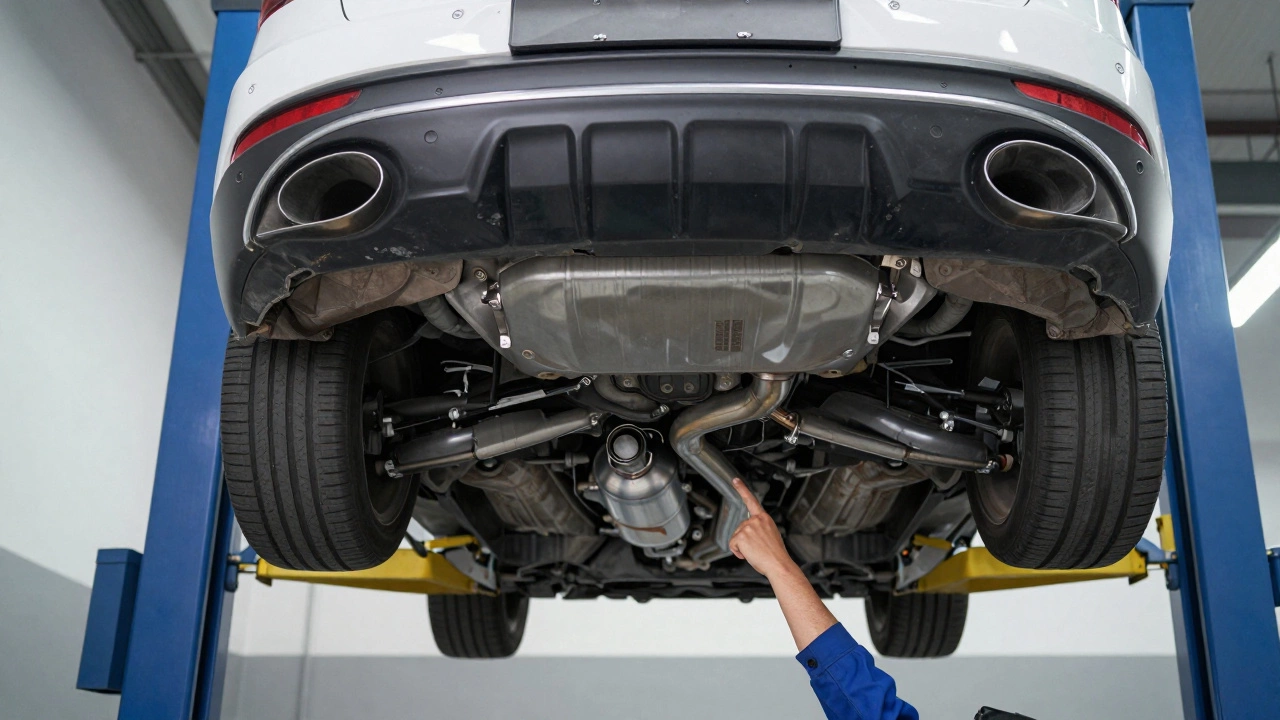
Before you go to a shop, you need to know what you're actually asking for. You aren't just buying "a pipe"; you're choosing a configuration. Most people start with a Cat-Back System. This replaces everything from the catalytic converter back to the rear bumper. It's the most popular choice because it doesn't mess with your emissions sensors, meaning you'll still pass your smog or roadworthy tests without a headache.
If you want more aggression, there's the Axle-Back System. This only replaces the section from the rear axle to the tip. It's cheaper and mostly about the sound. Then you have the full Header-Back System, which replaces everything from the engine manifold. This is where the real power gains happen, but it's also where you risk running into legal trouble and loud "drone" inside the cabin.
| System Type | Main Goal | Difficulty | Impact on Power |
|---|---|---|---|
| Axle-Back | Sound/Aesthetics | Low | Negligible |
| Cat-Back | Sound & Efficiency | Medium | Minor to Moderate |
| Header-Back | Max Performance | High | Significant |
Will It Actually Make Your Car Faster?
Here is the truth: putting a huge pipe on a tiny 4-cylinder economy car won't magically turn it into a race car. Your engine needs a certain amount of Backpressure to operate efficiently. If the pipe is too wide, the exhaust gases move too slowly, and you actually lose low-end torque. You'll notice your car feels sluggish when pulling away from a stoplight, even though the peak horsepower on a dyno might look higher.
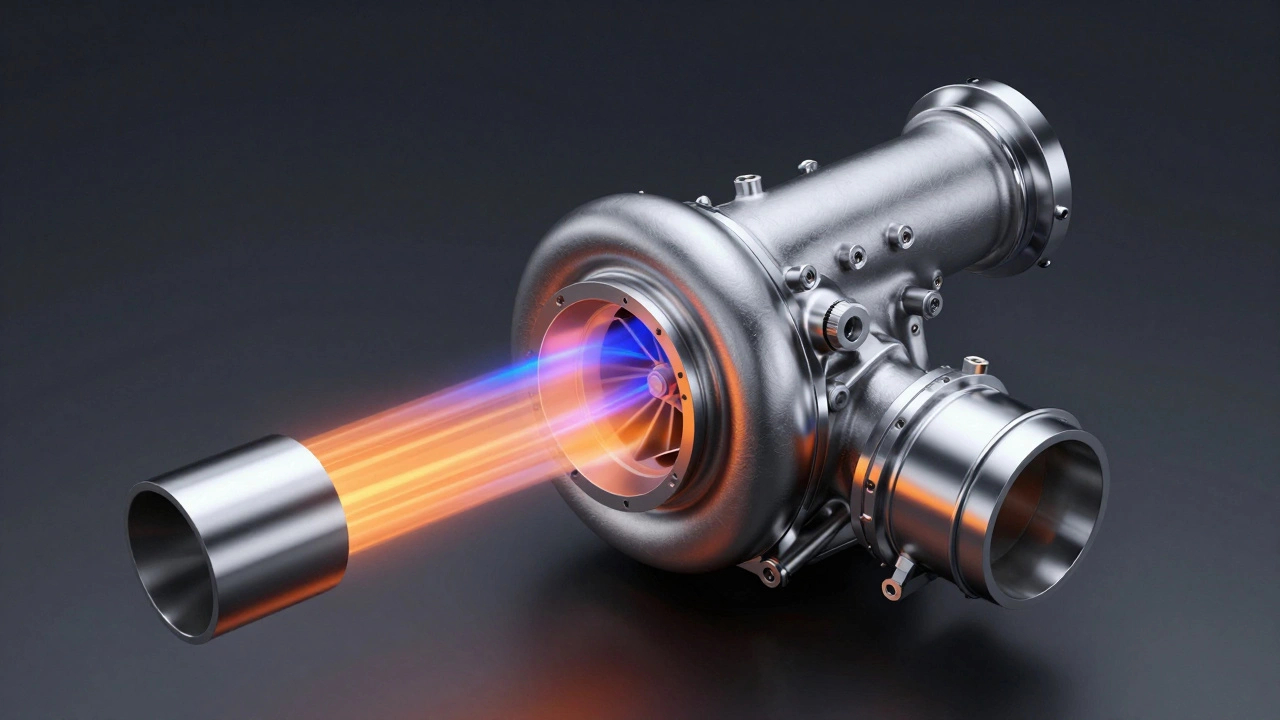
For turbocharged cars, a custom exhaust is a game-changer. Turbos love high-flow systems. By reducing the restriction after the turbo, you lower the exhaust gas temperature (EGT) and allow the turbine to spool up faster. This is why you'll see modified WRXs or Evos with 3-inch pipes; it lets the engine breathe and prevents the turbo from choking.
Dealing with the Law and Noise Regulations
This is the part where most people mess up. In most places, removing the Catalytic Converter is a huge no-no. These components scrub harmful gases, and removing them isn't just illegal-it's environmentally damaging. If you go this route, you're looking at a "straight pipe" setup. Yes, it's loud, and yes, it adds a few horsepower, but it's the fastest way to get pulled over by the police.
Then there's the issue of decibels. Many cities have strict noise ordinances. If your car sounds like a jet engine at 3 AM, your neighbors will call the cops. To fix this, you can install a Resonator. Unlike a muffler, which kills the sound, a resonator targets specific frequencies to remove that annoying "drone" (the humming sound that makes your head hurt on long highway drives) without making the car too quiet.
Material Choices: Steel vs. Stainless vs. Titanium
What the pipe is made of determines how long it lasts and how it sounds. Mild steel is the cheapest option, but it will rust through in a few years, especially if you live near the coast or in a place where they salt the roads in winter. It's a temporary fix, not a long-term investment.
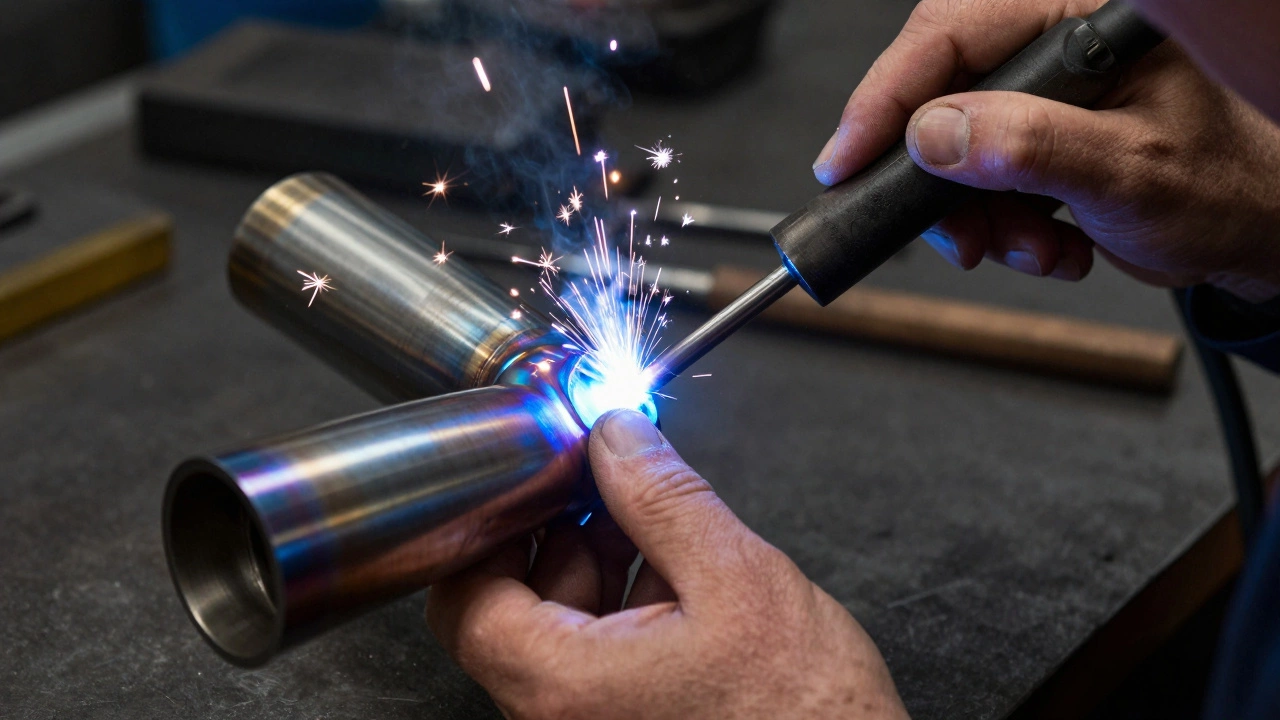
T304 Stainless Steel is the gold standard for custom work. It's highly resistant to corrosion and handles heat incredibly well. It's slightly more expensive, but since it doesn't rust, it's the only logical choice for a daily driver. If you have a massive budget and a track-only car, Titanium is the peak. It's significantly lighter than steel and produces a higher-pitched, crisp tone. However, it's incredibly expensive and much harder to weld, requiring specialized equipment.
The Installation Process and Common Pitfalls
If you're doing this yourself, you'll need a good set of sockets and possibly a saw. But for a truly custom setup, you need a professional fabricator. A pro doesn't just bend pipes; they calculate the flow and ensure the hangers are positioned so the exhaust doesn't rattle against the chassis. A common mistake in cheap installs is failing to seal the joints properly, leading to "exhaust leaks." A leak near the engine can let carbon monoxide seep into the cabin, which is a dangerous safety risk.
Another pitfall is ignoring the Oxygen Sensor (O2 sensor) placement. If you move the sensor too far away from the engine or change the pipe diameter abruptly, your car's computer (ECU) might get confused. This often triggers a "Check Engine Light" (CEL) because the computer thinks the catalytic converter has failed. You can fix this with a "spacer" or a professional ECU remap, but it's better to plan for it during the fabrication phase.
Is It Worth the Money?
Whether this is "worth it" depends on what you want. If you just want a better sound, a simple muffler delete or a bolt-on axle-back is a great value. You get that satisfying growl without spending thousands. But if you're building a high-performance machine, a custom-fabricated system is essential. Off-the-shelf parts are designed for the "average" car, but a custom system is tuned to your specific engine's displacement and RPM range.
Consider the resale value. While some buyers love a loud car, many prefer a stock exhaust. If you're planning to sell the car in a year, keep your original factory parts in the garage. Being able to say "it has a custom exhaust, but I have the original pipes to put back" makes the car much more attractive to a wider range of buyers.
Will a custom exhaust void my car's warranty?
In many regions, laws like the Magnuson-Moss Warranty Act protect consumers, stating that a manufacturer must prove the modification actually caused the failure. However, if your custom exhaust causes the engine to overheat or ruins a sensor, the dealer will likely deny warranty claims related to the powertrain. Always check your specific warranty terms.
Do I need a tune after installing a custom exhaust?
If you only did a cat-back or axle-back, you usually don't need a tune. But if you've replaced the headers or removed the catalytic converters, your air-fuel ratio will change. An ECU remap is highly recommended in these cases to optimize performance and prevent the engine from running too lean.
What is the difference between a muffler and a resonator?
A muffler is designed to reduce the overall volume of the exhaust. A resonator is designed to cancel out specific annoying frequencies (like drone) without significantly reducing the overall volume. Most high-end systems use both to get a sound that is loud but "clean."
Can I put a larger exhaust on a small engine?
You can, but you probably shouldn't. If the pipe is too large, you lose exhaust velocity, which means you lose low-end torque. This makes the car feel slower in city driving. Stick to the recommended diameter for your engine displacement unless you're running a massive turbo.
How do I stop my custom exhaust from droning?
The best way to stop drone is to add a resonator or use a "Helmholtz resonator." This is a side-branch pipe that is tuned to the specific frequency of the drone, effectively cancelling it out without affecting the rest of the exhaust note.
What to Do Next
If you're ready to move forward, start by defining your priority. Do you want the car to be louder, or do you actually need more power? If it's sound, look for a reputable shop that offers axle-back options. If it's power, find a fabricator who understands your specific engine's flow requirements.
Before you sign any contracts, ask the shop which grade of stainless steel they use and if they provide a warranty on their welds. A quick test drive after installation is a must-listen for rattles and check for any exhaust smells inside the car while idling. If everything sounds clean and the car pulls hard, you've successfully upgraded your ride.