Suspension Upgrade Cost & Value Calculator
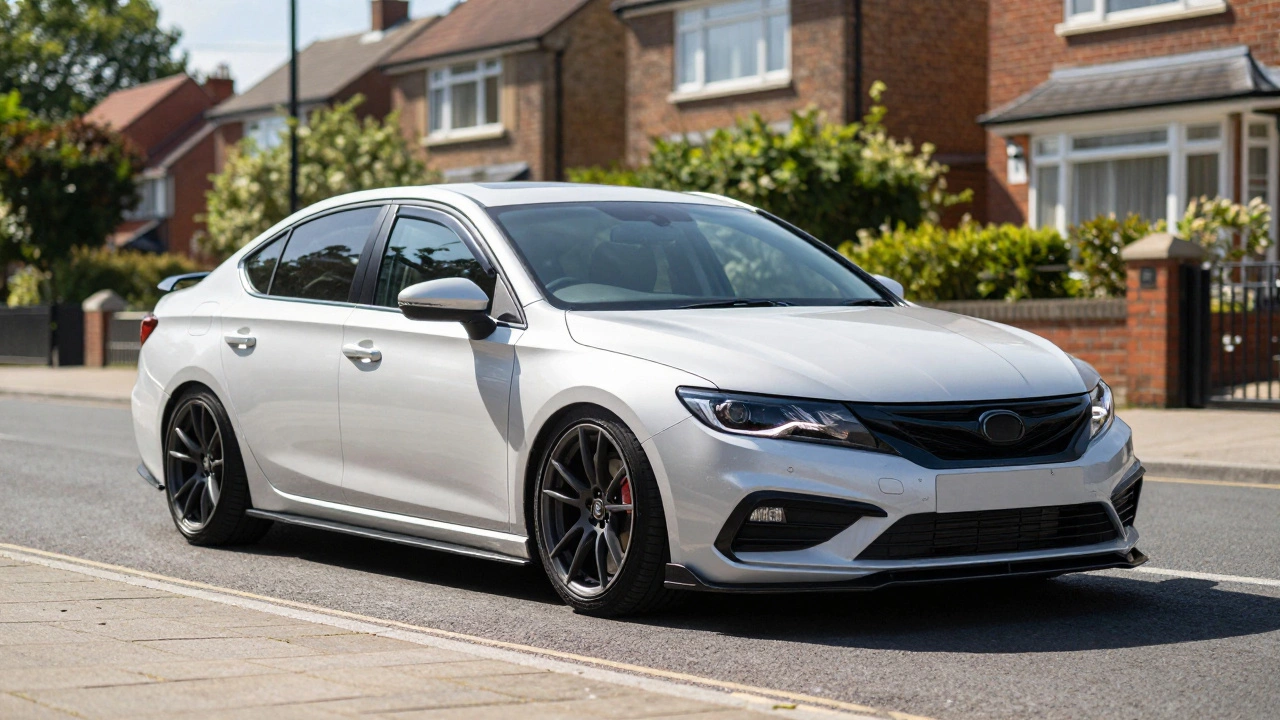
There is a moment every car enthusiast faces when staring at their stock suspension. The stance looks too high, the handling feels soft, or maybe you just want that aggressive look seen in magazines. The immediate solution often seems obvious: swap out those factory parts for something better. While lowering springs are a cheap fix, many drivers jump straight to adjustable suspension systems. But before you hand over your credit card, you need to understand what you are actually buying.
People often ask, "What are the disadvantages of coilovers?" because they assume more adjustability equals a better car. In reality, coilovers introduce complexity, cost, and potential comfort issues that simple springs do not have. If you drive daily on Australian roads, especially around Brisbane with its mix of smooth highways and rougher suburban patches, understanding these downsides is crucial. This isn't about stopping you from upgrading; it's about making sure you don't regret the decision three months later.
The Comfort Trade-Off: Stiffness You Can Feel
The biggest complaint I hear from new coilover owners isn't about price-it's about their back. Factory suspensions are tuned for a wide range of passengers, cargo weights, and road conditions. They prioritize isolation from bumps. Most aftermarket coilovers, particularly entry-level models, prioritize support and cornering stability. To achieve this, manufacturers use stiffer spring rates.
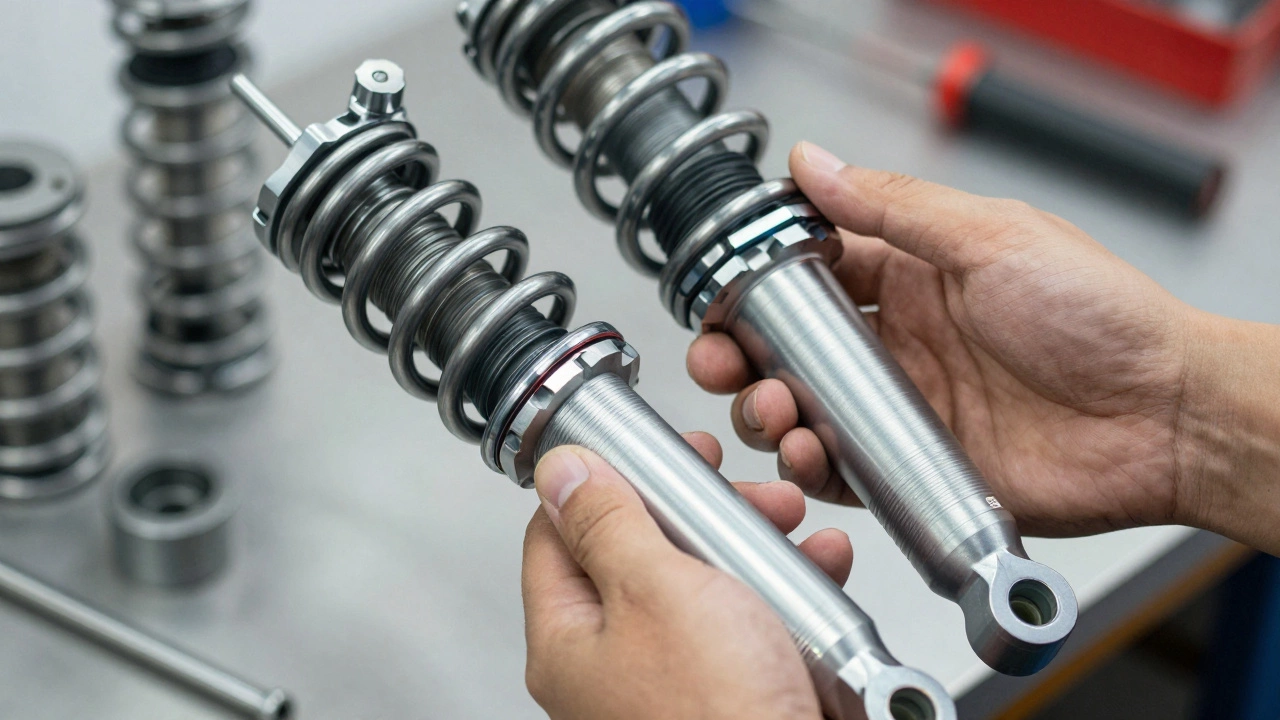
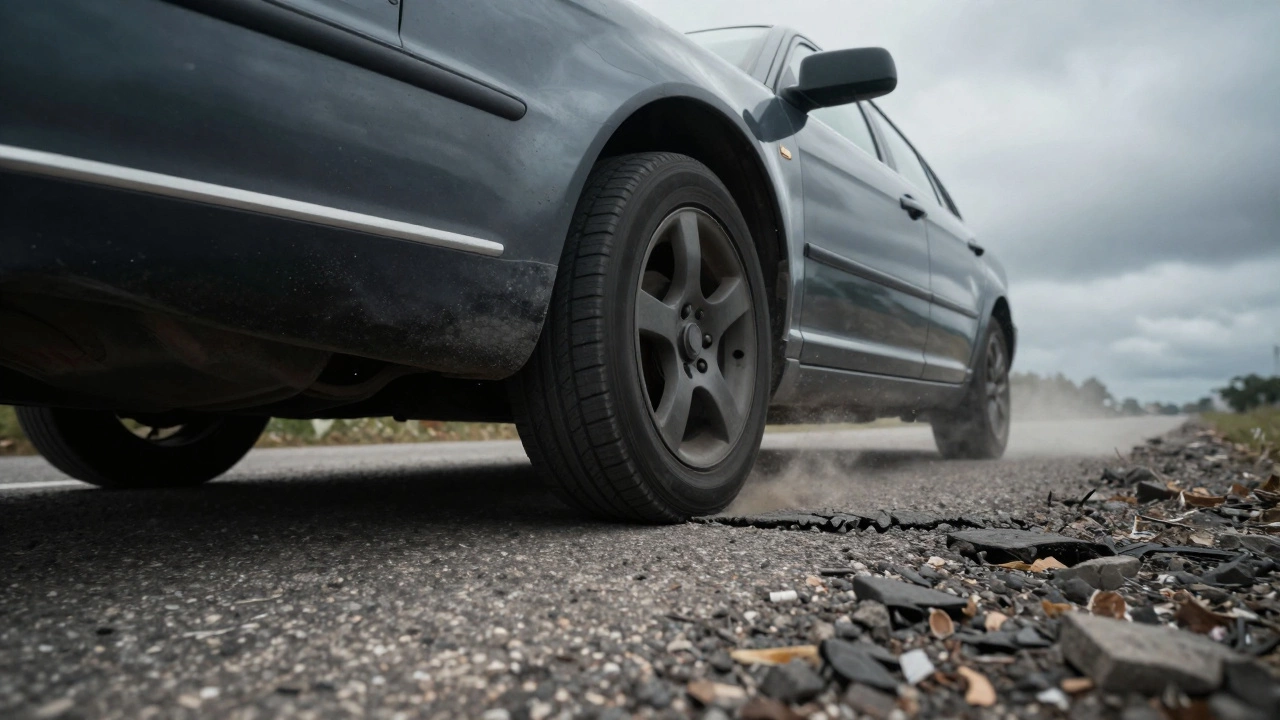
When you install a stiff spring, you reduce body roll, yes. But you also transfer more vibration directly into the chassis. On a freshly paved road, this might feel sporty. On a road with expansion joints, potholes, or even just heavy rain ruts, it feels punishing. Every crack becomes an event. If you carry passengers who aren't car enthusiasts, they will notice immediately. Unlike lowering springswhich simply lower the car without drastically changing damping characteristics unless paired with new shocks, coilovers replace both the spring and the shock absorber. This means you lose the factory's carefully calibrated comfort profile entirely.
Consider the difference between driving a sedan and a sports car. A sports car sacrifices comfort for grip. By installing stiff coilovers on a family sedan, you are essentially trying to turn it into a track car while using it for school runs. It’s a mismatch that leads to fatigue on long drives.
Price Creep: Entry-Level vs. Premium Systems
Let’s talk money. You might see coilovers advertised for $800 online and think you’ve found a bargain. Here is the trap: cheap coilovers often lack quality materials. The threads can strip, the dampers can leak within a year, and the adjustment mechanisms can seize up due to rust. In Australia’s humid coastal climate, like here in Brisbane, corrosion is a real enemy.
If you want reliability, you need to look at mid-range or premium brands. These systems can easily cost between $1,500 and $3,000 plus installation. Compare that to a set of lowering springs which might cost $200 to $400. The price gap is significant. Furthermore, if you buy cheap coilovers and they fail, you pay for labor twice. Mechanics charge hourly rates that add up quickly. Is the ability to adjust ride height by millimeters worth an extra $2,000? For most street drivers, the answer is no.
| Feature | Lowering Springs | Budget Coilovers | Premium Coilovers |
|---|---|---|---|
| Part Cost (AUD) | $200 - $400 | $600 - $900 | $1,500 - $3,000+ |
| Installation Difficulty | Easy (DIY possible) | Moderate | Hard (Requires alignment) |
| Lifespan | 5+ years | 1-2 years (risk of failure) | 5-7 years |
| Ride Quality Change | Slightly firmer | Significantly stiffer | Tunable (can be compliant) |
Adjustment Complexity: More Knobs, More Problems
One of the selling points of coilovers is adjustability. You can change ride height, compression damping, and sometimes rebound. Sounds great, right? Wrong. For 90% of drivers, adjusting these settings is a guessing game. Without data logging equipment or a professional alignment shop, you are twisting knobs blindly.
I have seen customers spend hours tweaking their suspension only to end up with a setup that handles worse than stock. Why? Because improper damping settings can cause the tires to lose contact with the road, leading to instability during emergency maneuvers. If you set the damping too stiff, the wheels bounce over bumps instead of absorbing them. Too soft, and the car dives under braking. Finding the sweet spot requires knowledge and time-resources most daily drivers don’t have.
Additionally, frequent adjustments wear out the components. The collars and locking nuts used to set ride height can loosen over time due to vibration. You need to check them regularly. If you forget, your ride height could change unexpectedly, affecting your headlights aim and potentially causing legal issues.
Maintenance and Durability Issues
Factory struts are sealed units designed to last the life of the car. Many coilovers, especially monotube designs, are exposed to the elements. Dust, mud, salt, and water can get into the reservoirs or along the shafts. Over time, this contaminates the oil inside the damper, reducing performance.
In Brisbane, we deal with road salt less than in colder climates, but we do deal with humidity and dust. If you drive off-road or on gravel roads, the risk increases. Seals can dry out and crack, leading to leaks. Once a coilover starts leaking oil, it loses its damping ability. The car will feel bouncy and unstable. Repairing a leaking coilover often means replacing the entire unit, which brings us back to the cost issue.
Another durability concern is the spring perch. Cheap coilovers use plastic or thin metal perches that can crack under stress. When this happens, the wheel collapses inward. It’s a dangerous situation that can happen suddenly. Always inspect your suspension components regularly if you choose this route.
Legal and Insurance Implications
In Australia, vehicle modifications are regulated. While lowering a car is generally acceptable if it remains safe, extreme lowering can lead to compliance issues. If your coilovers allow you to lower the car so much that the tires rub against the fenders or the ground clearance is dangerously low, you may fail your annual safety inspection (roadworthy certificate).
Insurance companies also take note. Some policies require you to declare modifications. If you don’t, and you’re involved in an accident where the suspension fails, your claim could be denied. Even if declared, premiums might increase. It’s a small detail that people overlook until it’s too late. Check with your insurer before buying any suspension parts.
When Are Coilovers Actually Worth It?
So, are coilovers useless? Absolutely not. They are essential for specific use cases. If you track your car, you need the adjustability to fine-tune handling for different circuits. If you compete in autocross, the ability to dial in camber and ride height is critical. For these scenarios, the disadvantages are outweighed by the performance gains.
However, for the average driver who wants a nicer look and slightly better handling, lowering springs are often the smarter choice. They provide the aesthetic benefit without the stiffness, cost, or maintenance headaches. Pair them with high-quality shock absorbers if you want to improve handling further, but keep the system simple.
Final Thoughts on Suspension Choices
Choosing between coilovers and lowering springs comes down to your goals. If you want a project car that you’ll tweak endlessly and drive hard on weekends, coilovers make sense. But if you want a reliable daily driver that looks good and rides comfortably, stick with simpler upgrades. Don’t let marketing hype convince you that more features mean better value. Sometimes, less is more.
Before you buy, test drive a car with similar modifications. Feel the difference yourself. Ask friends who own coilovers about their experience. And always budget for proper installation and alignment. Your safety depends on it.
Do coilovers make the ride uncomfortable?
Yes, typically. Most coilovers use stiffer springs and dampers than factory setups, which reduces comfort. Entry-level coilovers are often very harsh. Premium brands offer adjustable damping, allowing you to soften the ride, but this adds cost.
Are coilovers worth the extra cost compared to lowering springs?
For daily street driving, usually no. Lowering springs provide the visual improvement at a fraction of the cost. Coilovers are worth it only if you need precise adjustability for track use or competition.
How long do coilovers last?
Budget coilovers may last 1-2 years before leaking or failing. Premium coilovers can last 5-7 years with proper maintenance. Regular inspections are necessary to catch seal failures early.
Can I install coilovers myself?
It is possible but not recommended for beginners. Proper installation requires specialized tools and knowledge of suspension geometry. Incorrect installation can lead to poor handling or component failure. Professional installation ensures correct alignment and safety.
Will coilovers void my warranty?
In Australia, consumer law protects you, but insurers may view modified vehicles differently. Always declare modifications to your insurance provider. If a suspension-related failure occurs, the manufacturer might deny coverage if they determine the modification caused the issue.