Custom Exhaust Cost Estimator (2026)
Estimated Total Cost
*Estimates are based on average Australian market rates for 2026. Actual quotes vary by shop labor rates and vehicle complexity.
You walk into a fabrication shop with your dream sound and power goals. The fabricator looks at your car, asks a few questions, and then quotes you a number that makes your eyes widen. Is it $1,500? $3,000? Maybe $5,000? Why does one system cost the same as a used motorbike while another costs less than a nice dinner out?
The truth is, there is no single sticker price for a custom fabricated exhaust. Unlike off-the-shelf parts, these systems are built from scratch, tailored to your specific vehicle, engine setup, and personal preferences. In 2026, prices in Australia typically range from $1,800 to over $6,000 AUD depending on complexity, materials, and labor hours.
| Tier | Estimated Cost (AUD) | Typical Scope | Best For |
|---|---|---|---|
| Budget / Cat-Back | $1,800 - $2,500 | Stainless steel piping, standard mufflers, basic bends. | Daily drivers wanting better sound and mild flow gains. |
| Mid-Range / Performance | $2,500 - $4,000 | Mandrel-bent pipes, high-flow cats, custom header integration. | Tuned vehicles seeking measurable horsepower gains. |
| Premium / Full System | $4,000 - $6,500+ | Titanium or Inconel options, complex routing, ceramic coating, dyno tuning included. | Track cars, show builds, or high-horsepower turbo setups. |
Why Custom Beats Off-The-Shelf Every Time
You might wonder why you shouldn't just buy a universal kit from an auto parts store. Sure, those kits are cheaper upfront, often hovering around $800-$1,200. But here’s the catch: they rarely fit perfectly. You end up with rattling hangers, awkward clearance issues near the subframe, or a drone noise that drives you crazy on the highway.
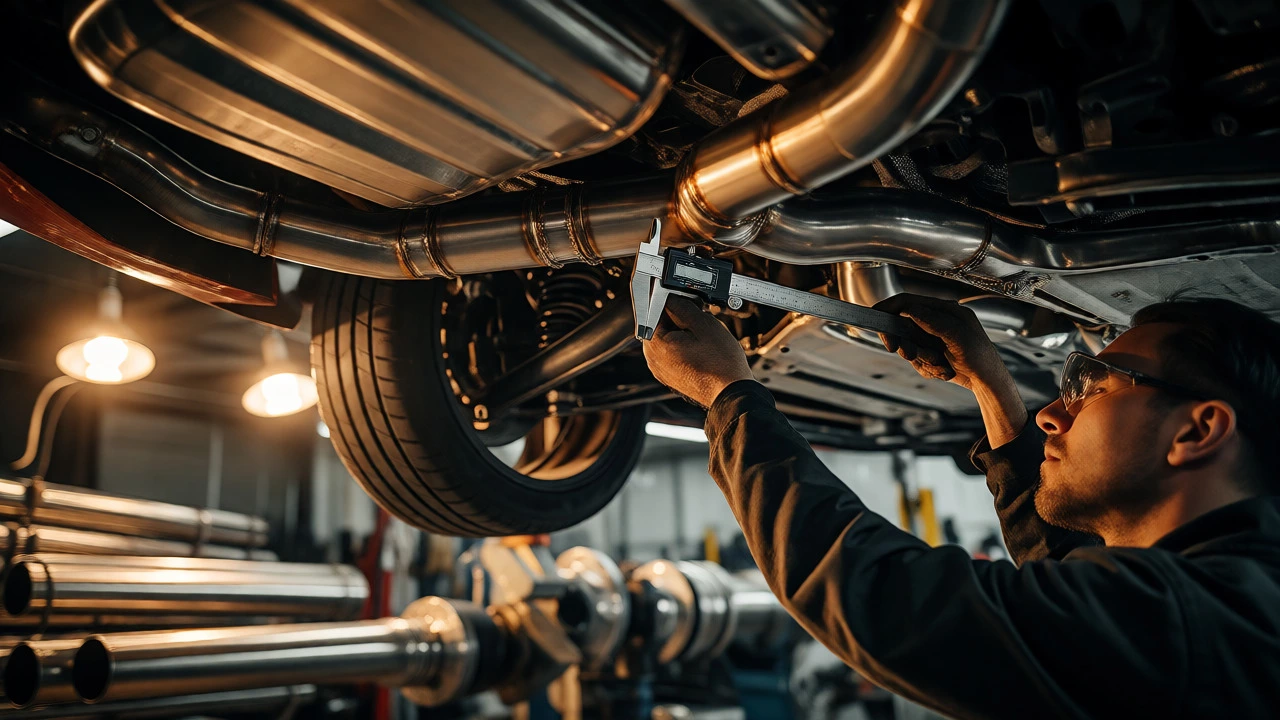
A custom fabricated exhaust solves this because it’s designed for your exact chassis. The fabricator measures clearances down to the millimeter. They account for heat shields, suspension travel, and even the angle of your rear diffuser if you have one. This precision means you get maximum airflow without sacrificing ground clearance or comfort. It’s not just about looking cool under the car; it’s about engineering efficiency.
The Material Matters More Than You Think
When you ask for a quote, the first thing the fabricator will ask is: "What material do you want?" This decision alone can swing the price by hundreds or thousands of dollars. Let’s break down the common choices available in the Australian market right now.
- Aluminized Steel: The cheapest option. It’s fine for short-term use but rusts quickly in coastal areas like Brisbane due to salt air. Expect it to last 3-5 years before corrosion becomes an issue.
- 304 Stainless Steel: The industry standard. It resists rust well, looks good, and lasts a decade or more if maintained properly. Most mid-range custom jobs use this. It balances cost and durability perfectly.
- 316 Marine Grade Stainless: If you live near the beach or drive a boat occasionally, this is worth the extra $300-$500. It handles salt spray significantly better than 304 grade.
- Titanium: Lighter than steel by nearly half. It saves weight, which helps handling, but it costs double or triple stainless steel. Plus, welding titanium requires specialized equipment, adding to labor costs.
In Brisbane, where humidity and salt are constant enemies, I usually recommend 304 stainless as the sweet spot. Unless you’re chasing every gram of weight for track days, titanium isn’t worth the premium for street cars.
Labor Costs: Where the Money Really Goes
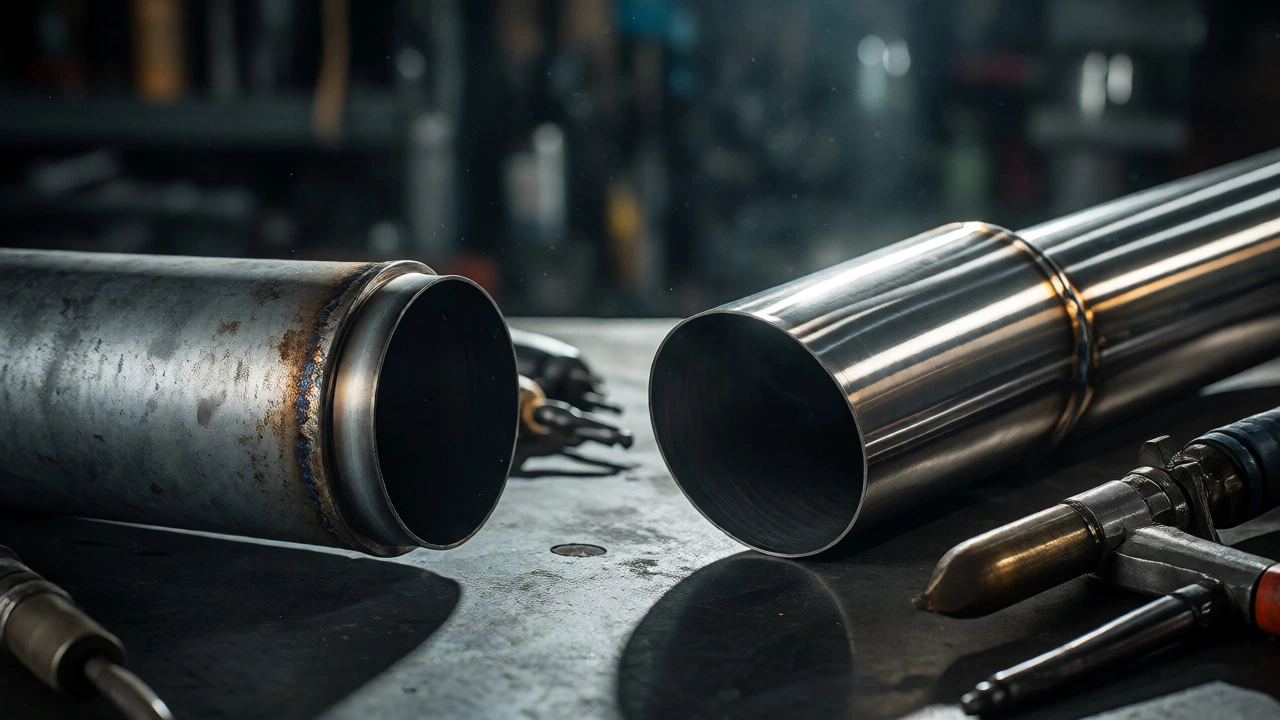
Many people underestimate how much time goes into building a custom exhaust. It’s not just cutting and welding. A skilled fabricator spends hours mocking up the system on the car before making a single cut. They bend pipes using mandrel benders to prevent kinks that restrict airflow. Each joint is TIG welded for strength and aesthetics.
Expect to pay between $100 and $150 per hour for labor in major cities. A simple cat-back system might take 6-8 hours of bench work plus 2-3 hours for installation. That’s already $800-$1,200 in labor alone before you’ve paid for a single piece of metal. Complex systems with headers, resonators, and multiple catalytic converters can take 20+ hours of fabrication time.
This is why quotes vary so wildly. One shop might rush the job, skipping mock-ups and using pre-bent pipes where possible. Another might spend three days perfecting the bends and welds. You’re paying for craftsmanship, not just parts.
Hidden Costs You Need to Budget For
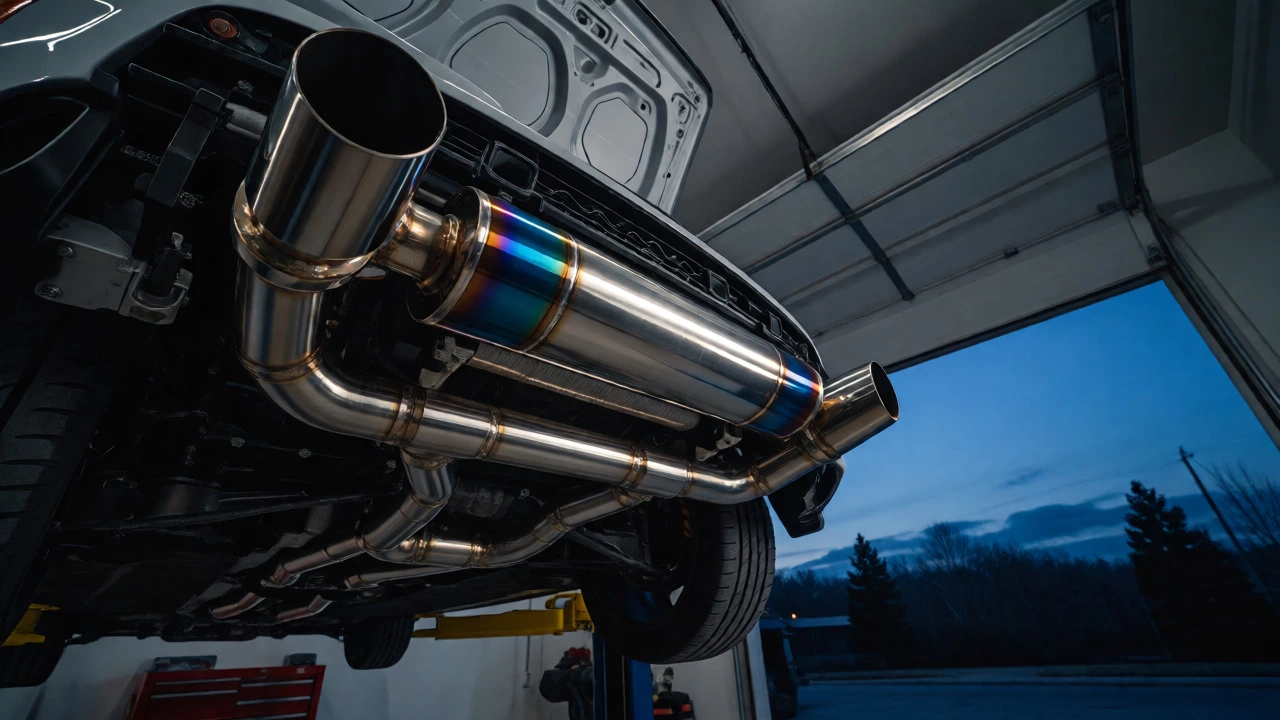
The quote on the paper isn’t always the final bill. Here are common add-ons that surprise first-time modifiers:
- Catalytic Converters: High-flow cats aren’t cheap. A quality set for a V6 or V8 can cost $400-$800. Cheap ones fail emissions tests or clog up within two years.
- Tuning: If you change the exhaust significantly, especially removing cats or changing pipe diameters, your ECU needs remapping. A custom tune costs $300-$600. Without it, you might lose low-end torque or trigger check engine lights.
- Heat Management: Wrapping pipes or installing heat shields adds $100-$300. This protects nearby components like fuel lines or plastic trim from melting.
- Emissions Compliance: In some states, you need certificates or modifications to pass roadworthy inspections. Factor in $50-$150 for paperwork or minor adjustments.
Always ask your fabricator if the quote includes taxes, disposal fees for the old system, and any potential tuning requirements. Getting everything in writing prevents nasty surprises when you go to pick up your car.
How to Get the Best Value Without Cutting Corners
Want to save money without ending up with a rusty mess? Start by defining exactly what you want. Do you care about horsepower numbers, or just a deeper tone? If it’s just sound, you don’t need expensive headers or titanium. Stick with stainless steel and focus on muffler design.
Get at least three quotes. Not just for price comparison, but to gauge communication. Does the fabricator listen to your goals? Do they explain why certain bends are necessary? A shop that rushes to give a number without inspecting your car might be hiding hidden costs.
Also, consider timing. Many shops offer discounts during slower months, often late winter or early spring. Avoid booking during peak modification seasons if you’re on a tight budget. And remember, doing some prep work yourself-like removing the old exhaust-can sometimes shave $100-$200 off the labor bill, though most shops prefer to handle removal themselves to avoid liability.
Is a custom exhaust worth it over a universal kit?
Yes, if you value fitment and performance. Universal kits often require force-fitting, leading to stress points and leaks. Custom systems ensure optimal airflow paths and zero rattles, providing a cleaner look and better long-term reliability.
How long does it take to fabricate a custom exhaust?
Typically 2 to 4 weeks from deposit to completion. This includes mock-up time, bending, welding, polishing, and installation scheduling. Rush jobs may be possible for an additional fee, but quality can suffer if rushed.
Does a custom exhaust increase car value?
Not necessarily. While enthusiasts appreciate custom work, mainstream buyers often prefer stock components. However, a high-quality stainless system can enhance resale appeal for sports cars by demonstrating maintenance and investment in the vehicle.
Can I install a custom exhaust myself?
Technically yes, but it’s difficult. Custom systems often lack standardized mounting points found on OEM parts. You’ll need precise alignment tools, potentially new hangers, and careful torque management to avoid cracking welds. Professional installation is recommended for warranty and safety reasons.
Will a custom exhaust fail emissions testing?
It depends on whether you remove catalytic converters. Keeping high-flow cats usually keeps you compliant. Removing them entirely often leads to failure unless you have an exemption or move to a region with stricter rules like California or parts of Australia requiring strict visual inspections.