Custom Exhaust Lifespan Estimator
Select your specifications to see an estimated lifespan range and risk assessment.
Estimated Lifespan
You just dropped serious cash on a custom exhaust system. The sound is aggressive, the look is sharp, and you’re wondering: how long will this thing actually last before rust eats it alive or it starts rattling like a tin can?
Here’s the blunt truth: there is no single number. A custom exhaust can die in two years or thrive for twenty. It depends entirely on what it’s made of, where you live, and how you treat it. In Brisbane, with our humidity and salt air, the clock ticks differently than it does in dry inland towns. Let’s break down exactly what dictates the lifespan of your pipe dream so you don’t get burned.
The Material Matters Most
If you want to predict how long your custom exhaust will survive, start by looking at the metal. This is the single biggest factor. Not all pipes are created equal, and the price tag usually reflects the material’s resistance to corrosion.
Most factory exhausts use aluminized steel. It’s cheap, it works, but it has a shelf life. Once that thin aluminum coating gets scratched or chipped from road debris, moisture hits the steel underneath. Rust starts spreading fast. You might get five to seven years out of an aluminized system if you’re lucky and keep it clean.
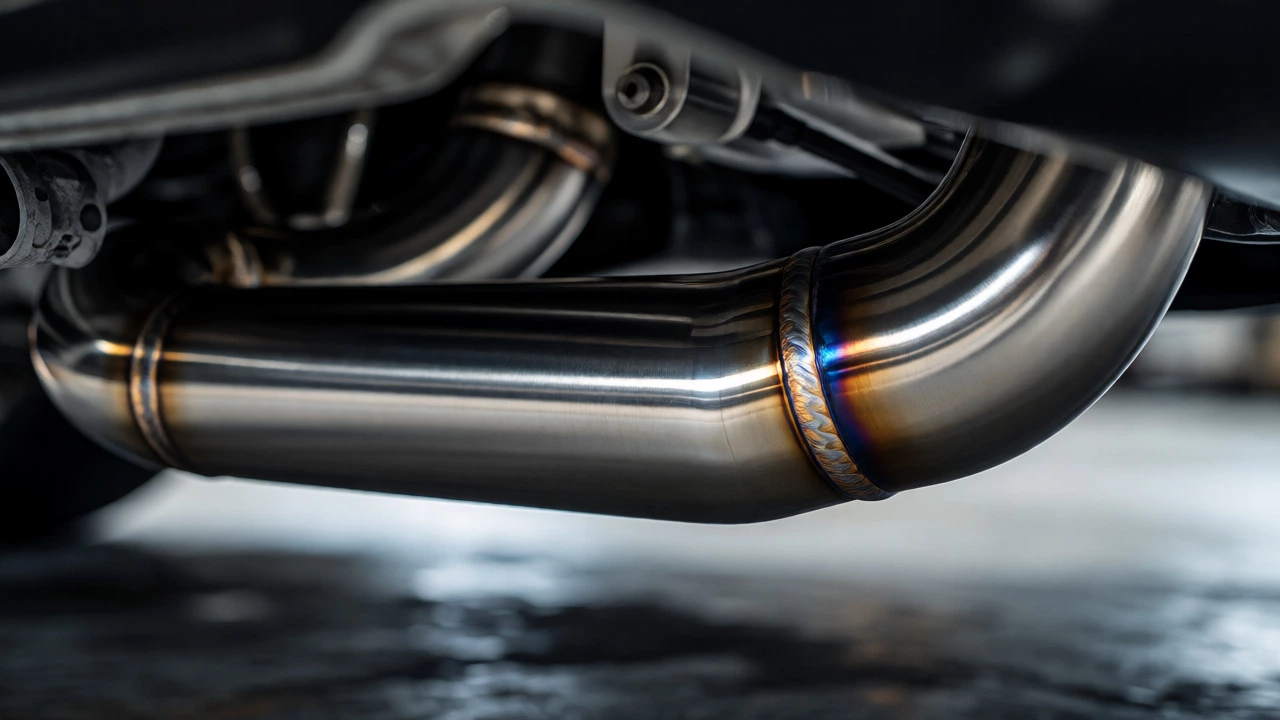
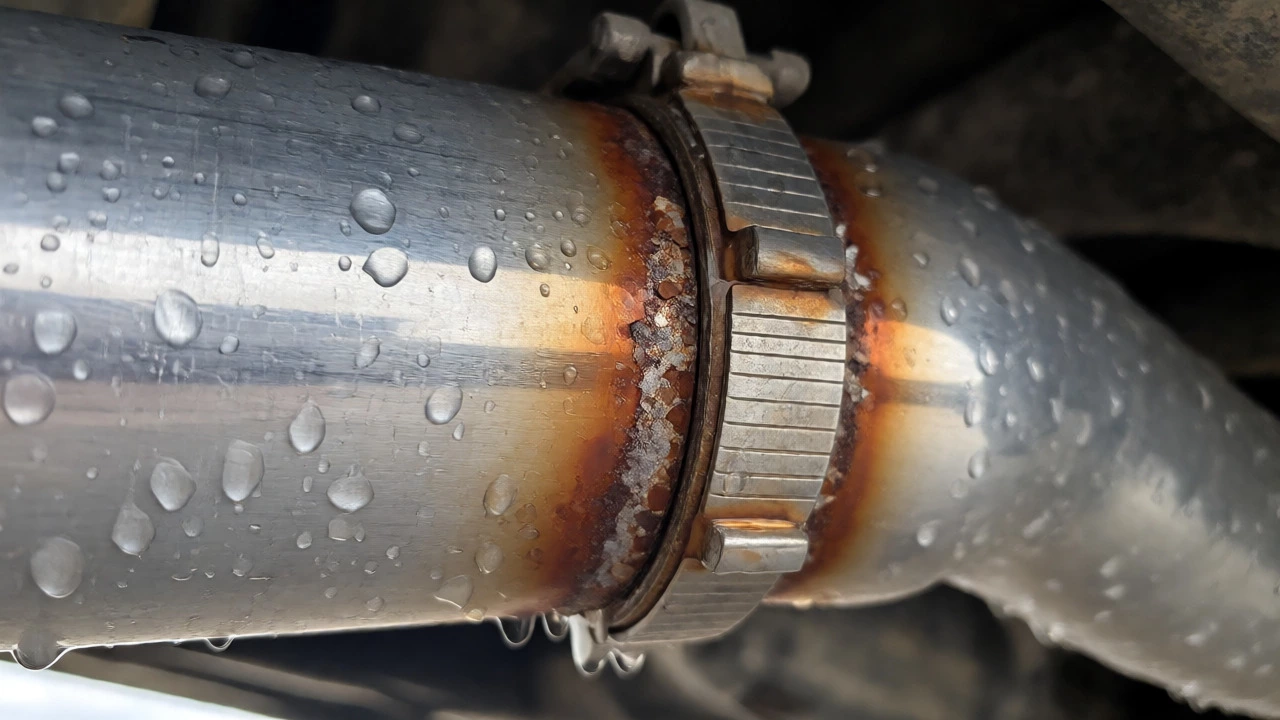
Then there’s stainless steel. This is where custom shops shine. But not all stainless is the same. If you paid for a budget custom job, you might have gotten 409-grade stainless. It looks shiny when new, but it lacks nickel. Over time, especially in coastal areas, surface rust will appear. It’s ugly, but it doesn’t always mean structural failure immediately. However, if you invested in 304-grade stainless, you bought insurance. This grade contains 18% chromium and 8% nickel, creating a passive layer that self-heals against oxidation. A properly welded 304 stainless exhaust can easily last the lifetime of the car, barring physical damage.
| Material Type | Average Lifespan (Coastal) | Average Lifespan (Inland) | Cost Factor |
|---|---|---|---|
| Aluminized Steel | 3-5 Years | 5-7 Years | $ |
| 409 Stainless Steel | 5-8 Years | 8-12 Years | $$ |
| 304 Stainless Steel | 10-15+ Years | Lifetime | $$$ |
| Titanium | Lifetime | Lifetime | $$$$ |
Your Environment Is Trying to Kill It
Living in Australia means dealing with specific environmental stressors. If you’re driving in Brisbane, Sydney, or Perth, you’re fighting salt spray. Salt is corrosive. It clings to the undercarriage and breaks down protective layers on metal. If you drive near the beach regularly, expect your exhaust lifespan to drop by 30-40% compared to someone living in Toowoomba or Alice Springs.
But it’s not just about location; it’s about usage patterns. Short trips are worse than long ones. Why? Because internal combustion produces water vapor as a byproduct. When your exhaust gets hot enough, that vapor evaporates. But if you only drive five minutes to the shops, the exhaust never reaches full operating temperature. The water condenses inside the muffler and pipes, mixing with acidic combustion residues. This creates a mild acid bath inside your exhaust system. Over months, this eats away at the internal baffles and welds from the inside out. If you mostly do city stop-start traffic, your exhaust ages faster than it should.
Installation Quality Can Make or Break It
You can buy the best titanium exhaust in the world, but if it’s installed poorly, it won’t last. Custom exhausts rely heavily on welding quality. A bad weld isn’t just unsightly; it’s a weak point where cracks form due to thermal expansion. Engines heat up and cool down repeatedly. Metal expands and contracts. If the welds aren’t done correctly, stress fractures appear within a few thousand kilometers.
Another common killer is improper hanger installation. Exhaust systems need to hang freely. If a shop tightens a clamp too much or uses rigid mounts instead of rubber isolators, vibrations transfer directly to the pipes. This causes fatigue cracking at the joints. I’ve seen $2,000 exhausts fail in eighteen months because the installer didn’t account for engine movement. Always check that the system has some flex. If it looks bolted solid to the chassis without any give, worry.
Maintenance: The Neglected Step
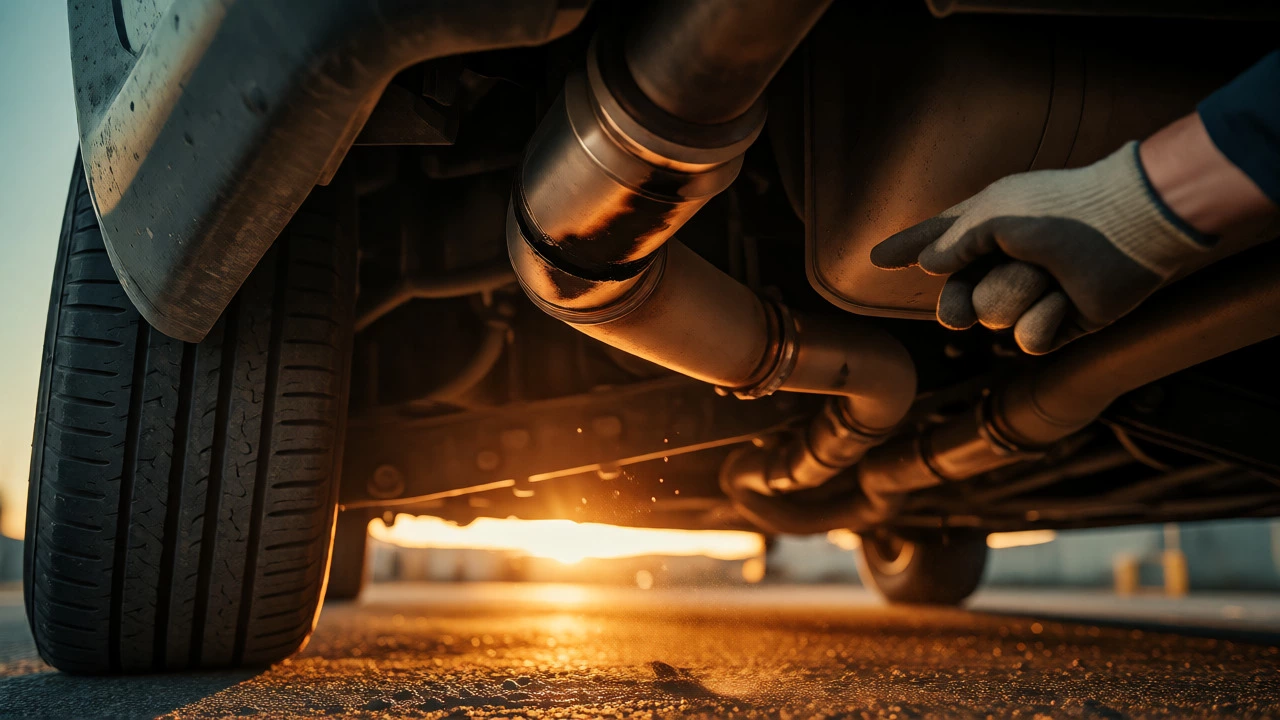
People wash their cars’ paint every week but ignore the underside. Your exhaust lives in mud, oil, brake dust, and road grime. These substances trap moisture against the metal. If you never clean your exhaust, you’re accelerating corrosion.
Here’s a simple rule of thumb: inspect your exhaust during every oil change. Look for white powdery residue (sign of early rust) or dark streaks (soot leaks from holes). For coastal drivers, rinse the undercarriage with fresh water once a month. Don’t use high-pressure jets directly on seals, but a gentle spray helps remove salt deposits. Applying a ceramic coating or high-temperature paint to the exterior pipes can also add a sacrificial layer against scratches and UV degradation, though it won’t fix internal issues.
Signs Your Exhaust Is Dying
How do you know when the end is near? Don’t wait for it to fall off. Watch for these symptoms:
- Increased Noise: A sudden change in tone usually means a hole has formed in the muffler or a joint has cracked. It’s often subtle at first-a slight rasp rather than a roar.
- Rattling Sounds: If you hear metallic rattling over bumps, internal baffles may have broken loose. This happens more often with cheaper fiberglass-packed mufflers that degrade over time.
- Visible Rust Flakes: Check around the tailpipe exit. Reddish-brown flakes indicate external corrosion progressing inward.
- Soot Buildup: Black soot around joints suggests exhaust gases are escaping where they shouldn’t. This reduces performance and increases emissions.
- Burning Smell: If exhaust fumes enter the cabin, you likely have a leak near the manifold or front pipe. This is dangerous and requires immediate attention.
Can You Extend Its Life?
Yes, but it requires effort. Regular inspections catch small holes before they become big repairs. If you spot minor surface rust on stainless steel, polish it out with a non-abrasive cleaner and apply a protectant. Do not let it sit. Rust spreads exponentially.
Also, consider the type of fuel you use. Ethanol-blended fuels can be slightly more corrosive internally. If you run E10 or higher blends, ensuring your exhaust gets hot enough to burn off condensate becomes even more critical. Take longer drives occasionally to “cook” the moisture out of the system.
Ultimately, a custom exhaust is an investment. Buying 304 stainless steel and paying for skilled TIG welding pays dividends in longevity. Cheaper options save money upfront but cost more in replacements over ten years. Think about your total cost of ownership, not just the sticker price.
Does a louder exhaust last shorter?
Not necessarily. Loudness comes from design (less restriction), not material quality. A loud 304 stainless exhaust lasts just as long as a quiet one. However, very large diameter pipes might be thinner-walled to save weight, which could make them more susceptible to denting, but not necessarily faster rusting.
Is rust on my stainless exhaust normal?
Surface rust can happen on lower-grade stainless (like 409) or if iron particles from grinding wheels contaminated the surface during fabrication. It’s not structural failure yet. Clean it off with a stainless steel polish. If it keeps coming back quickly, the material grade might be poor or your environment is extremely harsh.
How does driving style affect exhaust life?
Aggressive driving generates more heat cycles, which stresses metal. However, short, cold drives are worse because they cause internal condensation. Consistent highway driving that allows the exhaust to reach full temperature is actually healthier for the system than frequent short city trips.
Should I replace my exhaust if it’s rusty?
Only if the rust has perforated the pipe or weakened structural welds. Surface rust is cosmetic. Patch kits exist for small holes, but they are temporary fixes. If the muffler itself is rotting through, replacement is the only reliable option.
Do catalytic converters shorten exhaust life?
No, but they are part of the system. Catalytic converters contain precious metals and ceramic substrates. They don’t rust like steel, but they can clog or melt if the engine runs rich. A failing cat can restrict flow, causing backpressure that stresses other components, indirectly affecting exhaust longevity.