Car Interior Upgrade Estimator
Select the upgrades you are considering to see their estimated cost and impact on your daily driving experience.
Foundation & Cleaning
Tactile Touchpoints
Visual Depth & Lighting
Comfort & Organization
Upgrade Summary
Impact Score
Select upgrades to calculate impact.
Selected Items
- No items selected
You sit down, turn the key, and immediately feel it. The plastic is hard, the fabric smells like old dust, and the steering wheel feels like a cold brick. It’s not just about vanity; your car’s cabin is where you spend hundreds of hours a year. If it feels cheap, your drive feels cheap. But here’s the good news: you don’t need a five-figure budget or a full teardown to make a massive difference. Small, strategic tweaks can transform a boring commuter car into a space that actually feels premium.
Quick Summary / Key Takeaways
- Cleanliness First: No upgrade looks good on a dirty surface. Deep cleaning is step zero.
- Tactile Upgrades Matter Most: Steering wheels and shift knobs are touched constantly; upgrading them yields the highest return on investment for perceived quality.
- Lighting Changes Mood: Ambient LED strips are cheap but dramatically alter the evening vibe.
- Scent is Powerful: High-quality fragrance beats generic air fresheners every time.
- Consistency Wins: Pick a color palette or material theme and stick to it to avoid a cluttered look.
The Foundation: Deep Cleaning Before You Buy Anything
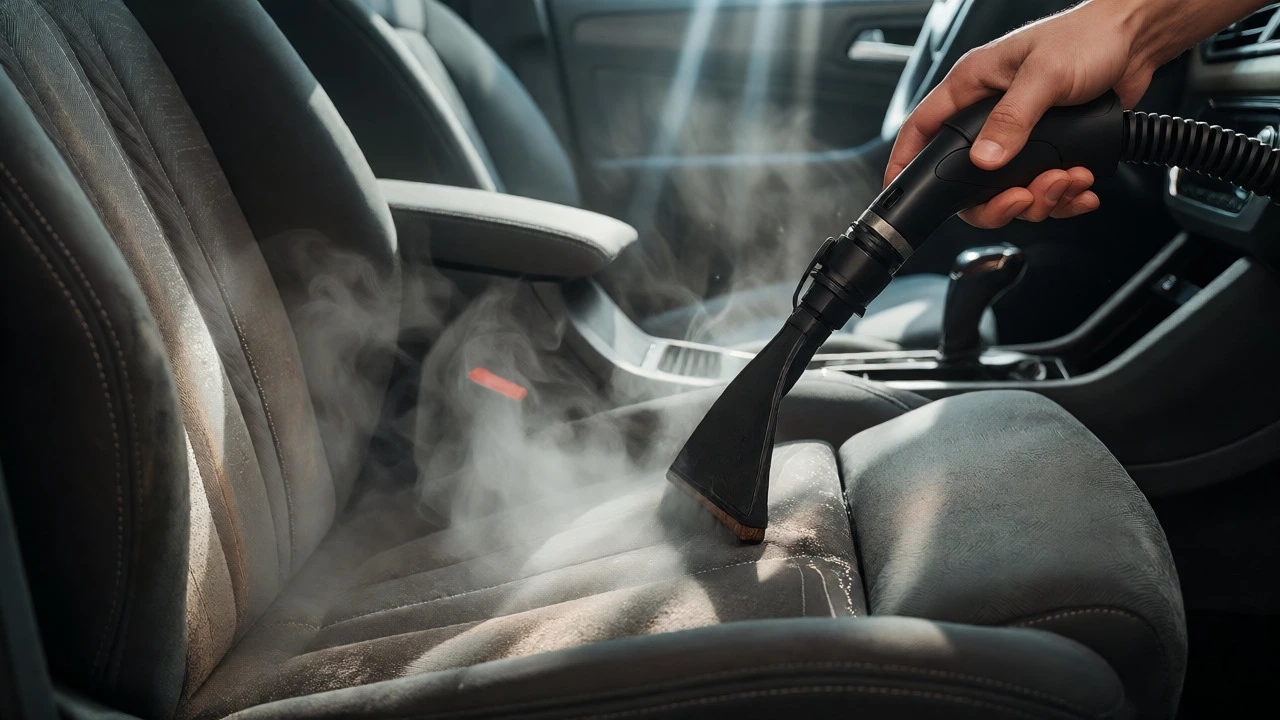
Before you spend a cent on accessories, you have to reset the baseline. I see people buy $300 leather mats and lay them over carpets that haven’t been vacuumed in six months. It looks worse than before. Start with an interior deep clean. This isn't just a quick wipe-down. Use a steam cleaner for seats if they’re fabric, or a dedicated leather conditioner if they’re vinyl or real hide. Pay attention to the vents. Dust builds up there and blows directly onto your dashboard. Use compressed air or a soft brush attachment on your vacuum.
If you have carpet stains, use a foam extractor. In Brisbane, humidity plays a huge role in how quickly interiors degrade, so ensuring everything is bone dry after cleaning prevents mold smells later. Once the cabin is spotless, you’ll notice which parts actually need upgrading versus what just needed a wash. Often, the "cheap" feeling is just grime.
Tactile Touchpoints: The Highest ROI Upgrades
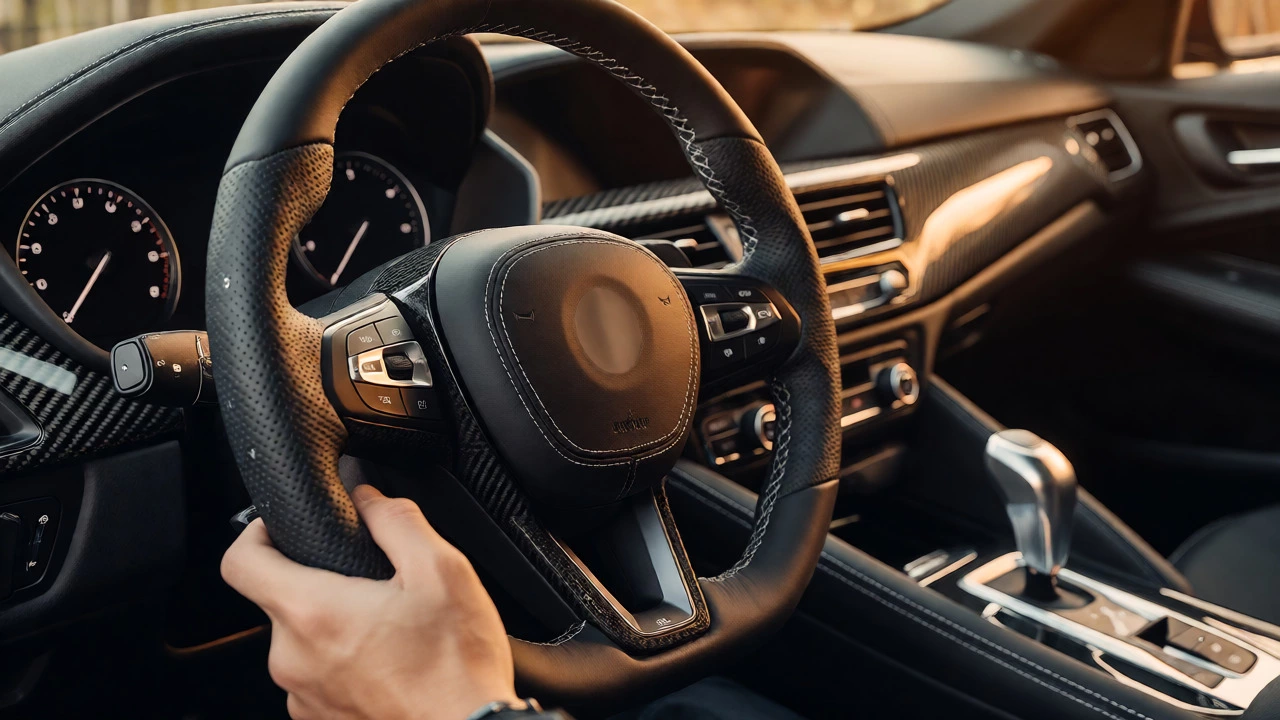
Your hands touch three things more than anything else: the steering wheel, the gear shifter, and the door handles. These are your primary tactile interfaces. If these feel plasticky or worn, the whole car feels cheap. Replacing the steering wheel cover or having the original re-wrapped in perforated leather is a game-changer. It improves grip, comfort, and aesthetics instantly.
Don’t ignore the gear knob. Many modern cars come with basic plastic knobs. Swapping this for an aluminum, carbon fiber, or leather-wrapped unit costs between $50 and $150 AUD and takes ten minutes to install. It changes the mechanical feel of shifting gears. You’re not just changing how it looks; you’re changing how it feels to operate the car. Same goes for handbrake levers. If yours is bare plastic, wrap it. It’s a tiny detail, but when you rest your hand there, it signals care and attention to detail.
Visual Depth: Dashboard and Trim Updates
Plastic dashboards reflect light poorly and often look hollow. You can fix this without replacing the entire dash. Consider dashboard trim kits. These are adhesive overlays made from carbon fiber, wood grain, brushed aluminum, or piano black finishes. They break up the monotony of large plastic surfaces. However, be careful with glossy piano black. It shows fingerprints and dust aggressively. Matte finishes or textured carbon fibers are usually more forgiving and look higher-end.
| Material | Aesthetic Vibe | Durability | Maintenance Level |
|---|---|---|---|
| Piano Black | Modern, Glossy | Low (Scratches easily) | High (Shows dust/fingerprints) |
| Carbon Fiber | Sporty, Aggressive | Medium-High | Low |
| Brushed Aluminum | Industrial, Clean | High | Medium (Shows smudges) |
| Matte Wood | Classic, Warm | Medium | Low |
Another visual trick is painting interior components. You can spray-paint plastic vent surrounds or speaker grilles with matte black or satin finish paint. Just ensure you mask off the actual functional parts. This creates a unified "blackout" theme that makes the interior look cohesive rather than a patchwork of factory colors.
Lighting: Setting the Mood After Dark
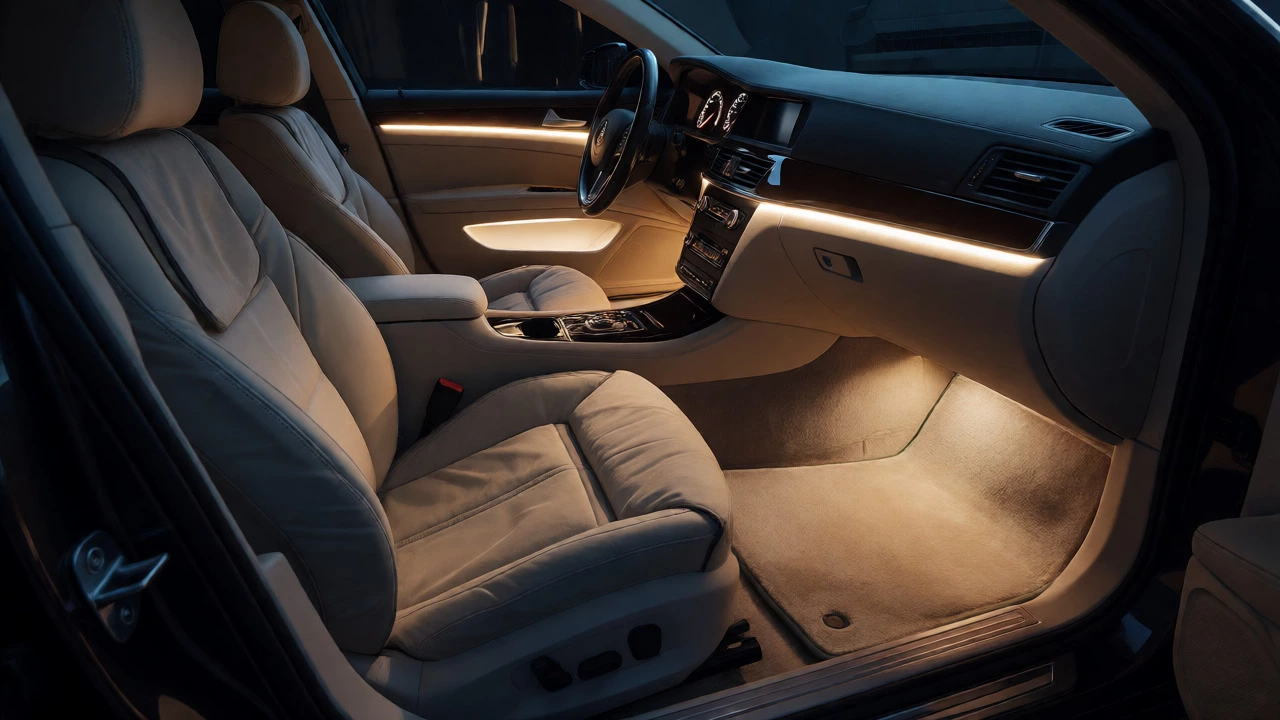
Daytime looks are one thing; nighttime ambiance is another. Factory interior lights are often harsh white LEDs that flatten the cabin. Installing ambient lighting kits allows you to control the color temperature and intensity. You can get simple plug-and-play USB-powered strips that tuck under the dashboard or along the door sills. For a more integrated look, wire them into the existing parking light circuit so they dim when the headlights go on.
Warm white (around 2700K-3000K) generally looks more expensive than cool blue or purple hues. Unless you’re going for a specific gamer aesthetic, stick to warm tones. It mimics the soft glow found in luxury hotels or high-end restaurants. Also, consider illuminating footwells. It helps you find dropped items at night and adds depth to the lower cabin area, making the space feel larger and more inviting.
Comfort and Acoustics: Seat Covers and Mats
Factory cloth seats are durable but rarely comfortable for long drives. If your seats are faded or stained, custom-fit seat covers are a viable alternative to reupholstery. Look for neoprene if you want water resistance, or breathable mesh if you live in a hot climate like Queensland. Avoid universal fit covers unless you’re okay with wrinkles; they tend to slip and bunch up, looking messy within weeks.
Floor mats are often overlooked as a style element. Standard rubber mats protect, but they look utilitarian. Upgrade to tailored carpet mats with piping that matches your interior accent color. Or, go for heavy-duty all-weather liners that hug the contours of the floor well. Sound deadening is another aspect of comfort. Adding mass-loaded vinyl (MLV) behind the door panels can reduce road noise significantly. A quieter cabin instantly feels more luxurious because you don’t have to raise your voice to talk to passengers.
Olfactory Experience: Smell Matters More Than You Think
We underestimate smell. A car that smells like stale coffee or gym socks ruins even the best visual upgrades. Ditch the cardboard trees hanging from the rearview mirror. Invest in a proper ventilation clip diffuser or a gel-based odor absorber placed discreetly in the cup holder. Choose subtle scents like cedar, sandalwood, or citrus. Avoid overpowering synthetic fragrances like "new car" sprays that mask dirt rather than removing it.
If you smoke or eat in the car, regular ozone treatments can neutralize odors at the molecular level. Some detailing shops offer this service, but you can also rent small ozone generators. Pair this with a high-quality cabin air filter replacement. A clogged filter doesn’t just hurt airflow; it circulates dust and allergens, contributing to that musty smell. Changing the cabin filter is a ten-minute DIY job that pays dividends in freshness.
Practical Storage Solutions
Clutter kills style. Even a beautiful interior looks cheap if there are receipts, cables, and snacks scattered everywhere. Install organizers. A trunk organizer keeps groceries from sliding around. Seat-back pockets hold tablets or maps. Under-seat bins utilize dead space for shoes or tools. The goal is to keep visible surfaces clear. When you open the door, the eye should see clean lines and materials, not chaos. Magnetic cable holders attached to the center console prevent charging cords from tangling in the cup holders. It’s a small fix, but it keeps the central area tidy.
Next Steps & Troubleshooting
Start small. Pick one area-maybe the steering wheel or the lighting-and do it right. Live with it for a week. Does it improve your daily experience? Then move to the next item. Don’t try to change everything at once, or you risk clashing styles. If you’re unsure about wiring lights, consult a local auto electrician; bad wiring can drain your battery or cause shorts. For trim kits, test the adhesion in a hidden spot first, especially in older cars where plastics may be porous.
Do aftermarket seat covers damage resale value?
Generally, no. In fact, if they protect the original upholstery from wear and tear, they can help maintain resale value. Just ensure you remove them and clean the original seats thoroughly before selling. Custom reupholstery might appeal to some buyers but deter others who prefer stock condition.
Is ambient lighting legal in Australia?
Yes, interior ambient lighting is legal provided it does not distract the driver or obscure visibility. Ensure the lights are not excessively bright or flashing while driving. Red and green lights are typically reserved for emergency vehicles externally, but internally they are fine. Always check state-specific regulations regarding glare inside the cabin.
How much does it cost to elevate a car interior on a budget?
You can achieve significant improvements for under $200 AUD. Focus on deep cleaning supplies ($30), a quality steering wheel cover ($40), LED strip lights ($30), and a set of tailored floor mats ($60). These items provide the most noticeable impact per dollar spent compared to expensive electronic upgrades.
Can I install dashboard trim myself?
Yes, most adhesive trim kits are designed for DIY installation. You will need a heat gun or hair dryer to soften the adhesive and allow the film to conform to curves. Patience is key; rushing leads to bubbles or peeling edges. Clean the surface with isopropyl alcohol beforehand to ensure proper bonding.
What is the best scent for a car interior?
Subtle, natural scents work best. Cedar, vanilla, or light citrus notes are popular because they aren't overwhelming. Avoid heavy perfumes or artificial "bubblegum" scents, which can cause headaches during longer drives. Gel-based diffusers offer better control over intensity than hanging cardboards.