Wheel Spacer Safety & Fitment Calculator
Configuration Inputs
Safety Analysis
Calculating...
Overall Safety Rating
Critical Checkpoints
Adjust inputs to see recommendations.
You want that aggressive, wide-stance look on your car. You’ve measured the gap between your tire and fender, and you think adding just a little bit of width will make all the difference. A 1 inch wheel spacer sounds like the perfect compromise: enough change to notice, but not so much that it looks ridiculous. But here is the question keeping you up at night: Is it actually safe? Can you really bolt this piece of metal onto your wheel hubs and drive around without risking a catastrophic failure?
The short answer is yes, a 1-inch wheel spacer can be safe. But only if you buy the right ones, install them correctly, and understand the mechanical trade-offs. If you grab cheap, generic spacers from an unknown brand and ignore torque specs, you are playing Russian roulette with your suspension. Let’s break down exactly what makes a spacer safe, what makes it dangerous, and how to do this modification without turning your daily driver into a liability.
How Wheel Spacers Actually Work
To understand safety, you first need to understand the physics. A wheel spacer is a machined disc that sits between the vehicle's hub and the wheel. Its primary job is to push the wheel outward, increasing the track width of the vehicle. When you add a 1-inch spacer, you are moving the contact patch of your tire one inch further away from the centerline of the car.
This simple movement changes several critical factors:
- Leverage on Bearings: By pushing the wheel out, you increase the lever arm acting on your wheel bearings. This puts more stress on the bearing assembly, potentially leading to premature wear or overheating if the bearings aren't rated for the load.
- Steering Geometry: Moving the wheels out alters the scrub radius (the distance between the steering axis and the center of the tire contact patch). This can affect steering feedback and self-centering ability.
- Clearance Issues: While spacers move tires away from the inner fender, they also move them closer to the outer fender lip. You need to ensure you don’t rub during hard cornering or full lock turns.
The danger isn't the spacer itself; it's how that spacer interacts with these forces. A poorly made spacer can flex under load, causing the wheel to wobble or, in worst-case scenarios, detach while driving.
The Critical Difference: Hub Centric vs. Lug Centric
If there is one single factor that determines whether your 1-inch spacer is safe, it is this: Hub Centricity.
Most modern vehicles use hub-centric mounting. This means the wheel centers itself on the hub flange, which is a raised ring in the middle of the wheel. The lug nuts simply clamp the wheel down; they don't hold the weight of the car or align it perfectly. If you use a "lug-centric" spacer (one that relies solely on the lug bolts for alignment), the wheel may sit slightly off-center. This creates vibration at highway speeds and uneven stress on the studs.
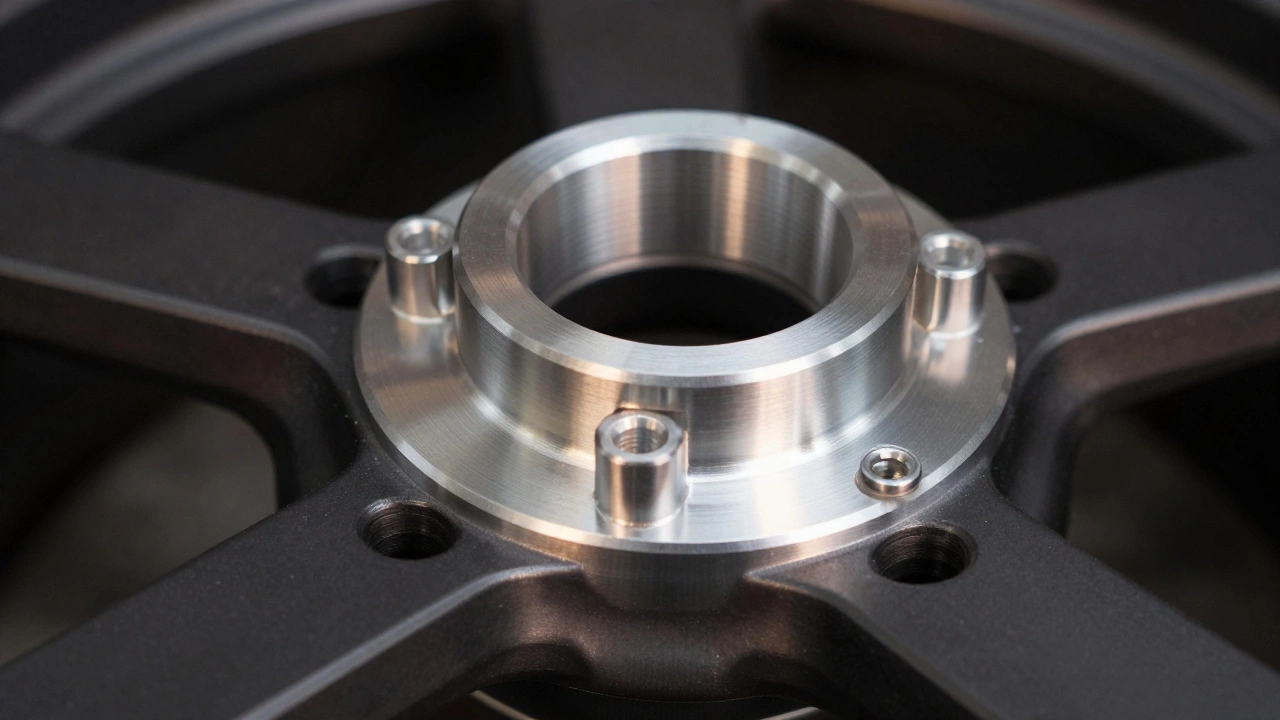
A safe 1-inch spacer must be hub-centric. It needs a precision-machined bore that matches your vehicle's hub diameter exactly. Often, you will need a hubcentric ring to adapt the spacer to your specific hub size. Without this perfect fit, the spacer is unsafe regardless of its thickness.
| Feature | Hub-Centric Spacer | Lug-Centric Spacer |
|---|---|---|
| Alignment Method | Matches vehicle hub bore precisely | Relies on lug bolt holes for positioning |
| Vibration Risk | Low (if installed correctly) | High (common cause of shuddering) |
| Safety Rating | Safe for daily driving | Unsafe for most passenger vehicles |
| Cost | Higher (precision machining required) | Lower (cheaper to manufacture) |
Material Quality and Manufacturing Standards
Not all metal is created equal. Cheap spacers are often made from cast aluminum or low-grade steel that can crack or deform under heat and stress. For a 1-inch spacer, you should insist on forged 6061-T6 aluminum. This alloy is heat-treated to provide high strength-to-weight ratio and resistance to fatigue.
Look for these quality indicators:
- Forged, Not Cast: Forging aligns the metal grain structure, making it stronger than casting, which can leave microscopic voids.
- Anodized Finish: This protects against corrosion. Rusty spacers can seize to the hub, making removal difficult and compromising the fit.
- Precision Machining: The surfaces must be flat within thousandths of an inch. Any warp introduces play into the wheel assembly.
Avoid brands that don't specify their material grade. If they say "high-strength alloy" without naming 6061-T6 or 4140 chromoly steel, walk away. In Brisbane’s humid climate, corrosion is a real enemy, so quality finishes matter even more.
Bolt Circle Pattern and Thread Engagement
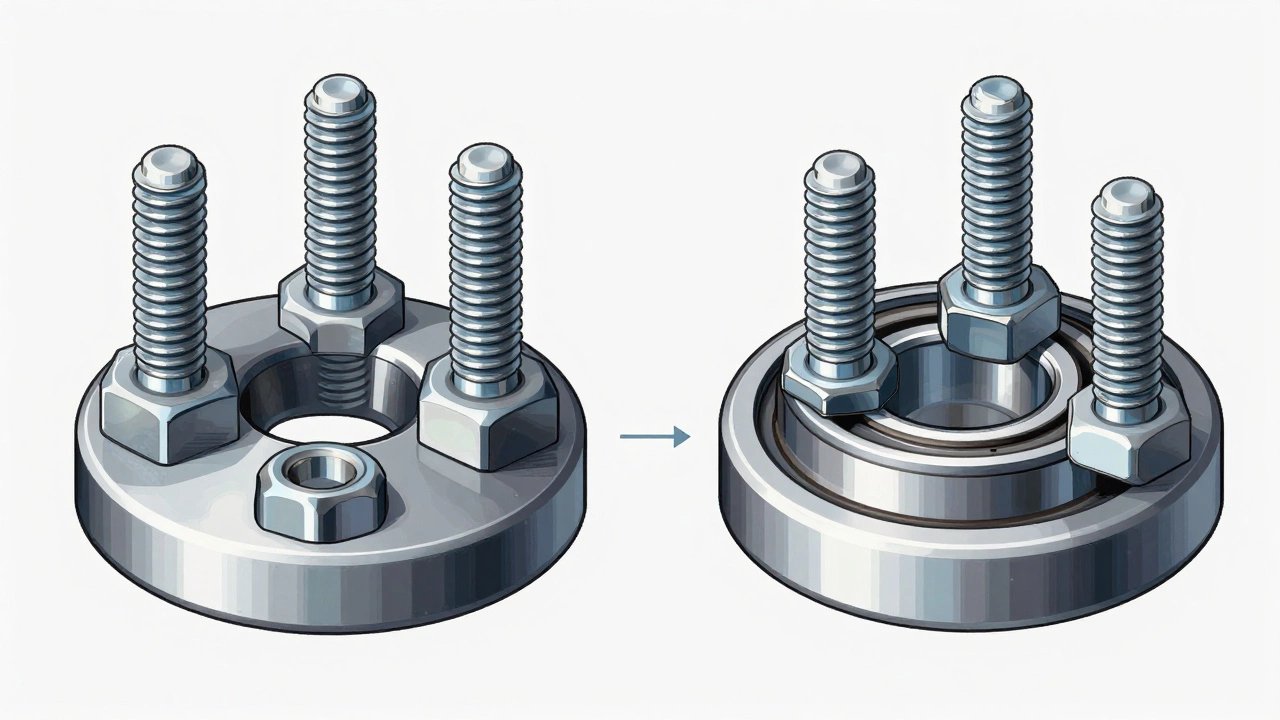
Another major safety concern is thread engagement. When you add a 1-inch spacer, you are effectively lengthening the path the wheel studs or bolts must travel. On many vehicles, the stock studs are too short to safely engage through a 1-inch spacer and still have enough threads gripping the wheel nut.
General rule of thumb: You need at least 8-10 full threads engaged in the wheel nut for safety. With a 1-inch spacer, stock studs often fail this test. This is why you almost always need extended wheel studs or longer lug bolts when using spacers this thick.
If you use extended studs, ensure they are threaded fully into the hub before installing the wheel. Never rely on the wheel nut to pull the stud tight-that’s how studs snap. Also, verify your bolt circle pattern (PCD). The spacer must match your car’s PCD exactly (e.g., 5x114.3, 5x120). Even a millimeter of mismatch can prevent proper seating.
Impact on Suspension and Handling
Adding width changes how your car handles. A 1-inch spacer widens your track, which generally improves stability in corners by reducing body roll. However, it also increases unsprung weight and rotational mass slightly, which can dull steering response.
More importantly, consider your suspension setup. If you have a coilover system or lowered springs, check for clearance issues. As you turn the wheel, the inner side of the tire moves outward. A 1-inch spacer might cause the tire to rub against the control arms or strut towers at full lock. Test this carefully before hitting the highway.
Also, monitor your wheel bearings. Increased leverage means increased heat. After installing spacers, check the temperature of your hubs after a long drive. If they’re excessively hot, you may need to upgrade to heavy-duty bearings or reduce the spacer thickness.
Installation Best Practices for Safety
Even the best spacer becomes unsafe if installed poorly. Follow these steps meticulously:
- Clean Surfaces: Remove all rust, paint, and debris from the hub face and spacer mating surfaces. Any contamination prevents proper seating and creates gaps.
- Hand-Tighten First: Install the spacer and wheel by hand to ensure no cross-threading occurs.
- Torque to Spec: Use a calibrated torque wrench. Tighten lug nuts in a star pattern to the manufacturer’s specification. Over-torquing stretches studs; under-torquing allows loosening.
- Recheck Torque: After 50-100 miles, re-torque the lug nuts. Metal settles, and connections can loosen slightly during initial break-in.
- Use Lock Nuts: Consider using locking lug nuts for added security against theft and vibration-induced loosening.
Never use impact guns for final tightening. They lack precision and can easily over-torque or strip threads.

Legal and Insurance Considerations
In Australia, modifying your vehicle’s stance can have legal implications. While 1-inch spacers are generally considered minor modifications, they must not affect the vehicle’s safety standards. Ensure your tires remain within legal tread depth and size limits. If your insurance policy requires notification of modifications, disclose the spacers. Failure to do so could void coverage in the event of an accident where the spacers are deemed a contributing factor.
Additionally, some states have regulations regarding wheel protrusion beyond the fender line. Measure your final stance to ensure compliance with local roadworthy inspection requirements.
When Are 1-Inch Spacers NOT Safe?
There are scenarios where even high-quality 1-inch spacers pose unacceptable risks:
- Heavy Towing or Hauling: If you regularly tow trailers or carry heavy loads, the added stress on bearings and studs makes spacers risky. Stick to factory offsets for work vehicles.
- Older Vehicles with Worn Components: If your wheel bearings, hubs, or suspension bushings are already worn, adding spacers accelerates failure. Replace worn parts first.
- Performance Driving: For track use, the increased unsprung weight and potential for bearing overheating make spacers less ideal than properly offset wheels.
- Incorrect Fitment: If the spacer doesn’t sit flush against the hub, it’s unsafe. Period.
Alternatives to Wheel Spacers
If safety concerns outweigh the aesthetic benefits, consider these alternatives:
- Negative Offset Wheels: Buying wheels with a lower offset achieves the same wide stance without adding extra components. This is often safer and cleaner, though more expensive upfront.
- Fender Flares: Instead of pushing wheels out, widen your fenders to accommodate wider tires. This maintains original geometry while allowing larger rubber.
- Staggered Setup: Use different width wheels front and rear to improve handling and appearance without excessive spacers.
Ultimately, a 1-inch wheel spacer is safe if treated as a serious engineering component, not a cosmetic accessory. Invest in quality, follow installation protocols, and respect the mechanical limits of your vehicle. Your safety depends on it.
Do I need extended wheel studs for 1-inch spacers?
Yes, in most cases. Stock wheel studs are designed for direct wheel mounting. Adding a 1-inch spacer reduces the number of threads engaged by the lug nut. To maintain safety, you typically need extended studs that allow at least 8-10 full threads to engage with the nut. Check your vehicle’s manual or consult a specialist to determine the correct stud length.
Will 1-inch wheel spacers cause vibrations?
Only if they are not hub-centric or improperly installed. High-quality hub-centric spacers with precise machining should not cause vibrations. If you experience shuddering at highway speeds, check for cleanliness of mating surfaces, proper torque, and correct hub bore fit. Lug-centric spacers frequently cause vibrations due to imperfect alignment.
Are wheel spacers legal in Australia?
Wheel spacers are generally legal in Australia provided they do not compromise vehicle safety or exceed legal tire/wheel dimensions. However, they must be installed correctly and not cause excessive protrusion beyond fenders. Always check local state regulations and ensure your vehicle passes roadworthy inspections. Inform your insurer if required.
Can wheel spacers damage wheel bearings?
Yes, wheel spacers increase leverage on wheel bearings, accelerating wear. While 1-inch spacers are moderate, prolonged use can lead to premature bearing failure, especially under heavy loads or high-speed driving. Monitor bearing temperature and replace bearings proactively if you notice noise or play.
What is the maximum safe thickness for wheel spacers?
There is no universal maximum, but 1.5 inches is often considered the practical limit for street vehicles. Beyond this, issues with bearing stress, steering geometry, and clearance become significant. For thicker spacing, negative offset wheels are safer and more reliable. Always prioritize quality and proper fitment over thickness.