US Exhaust Noise Legality Checker
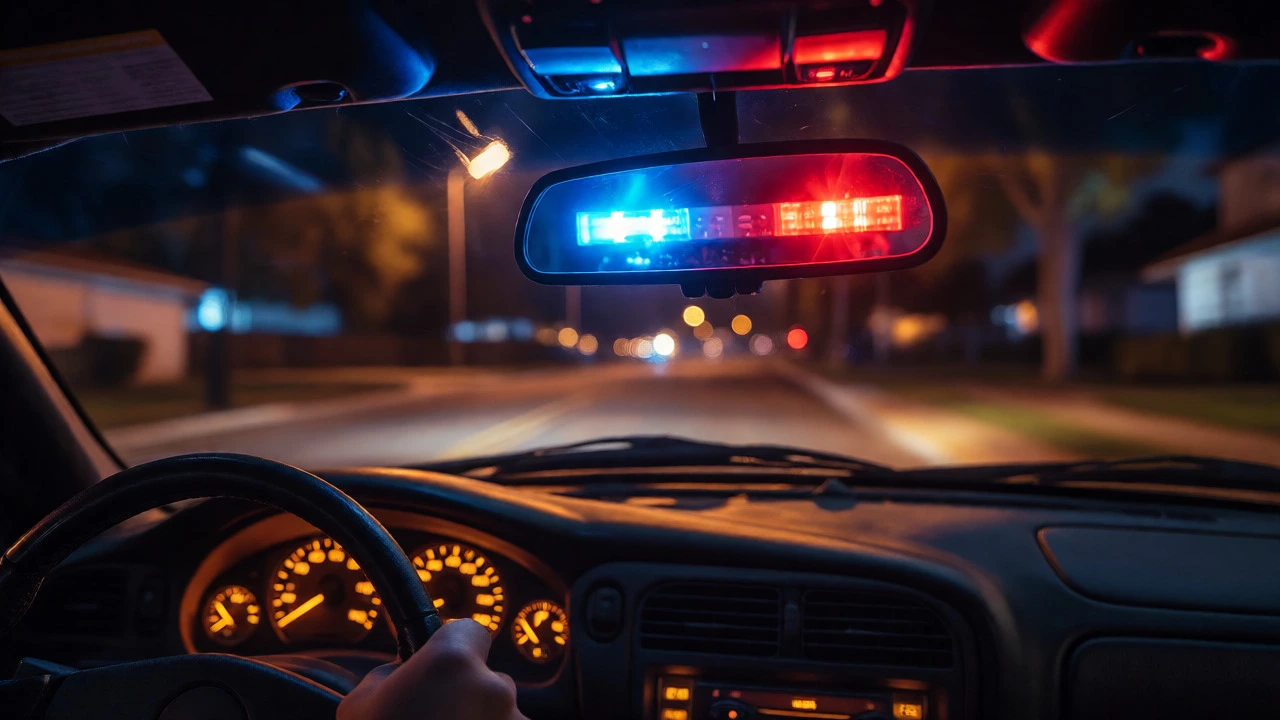
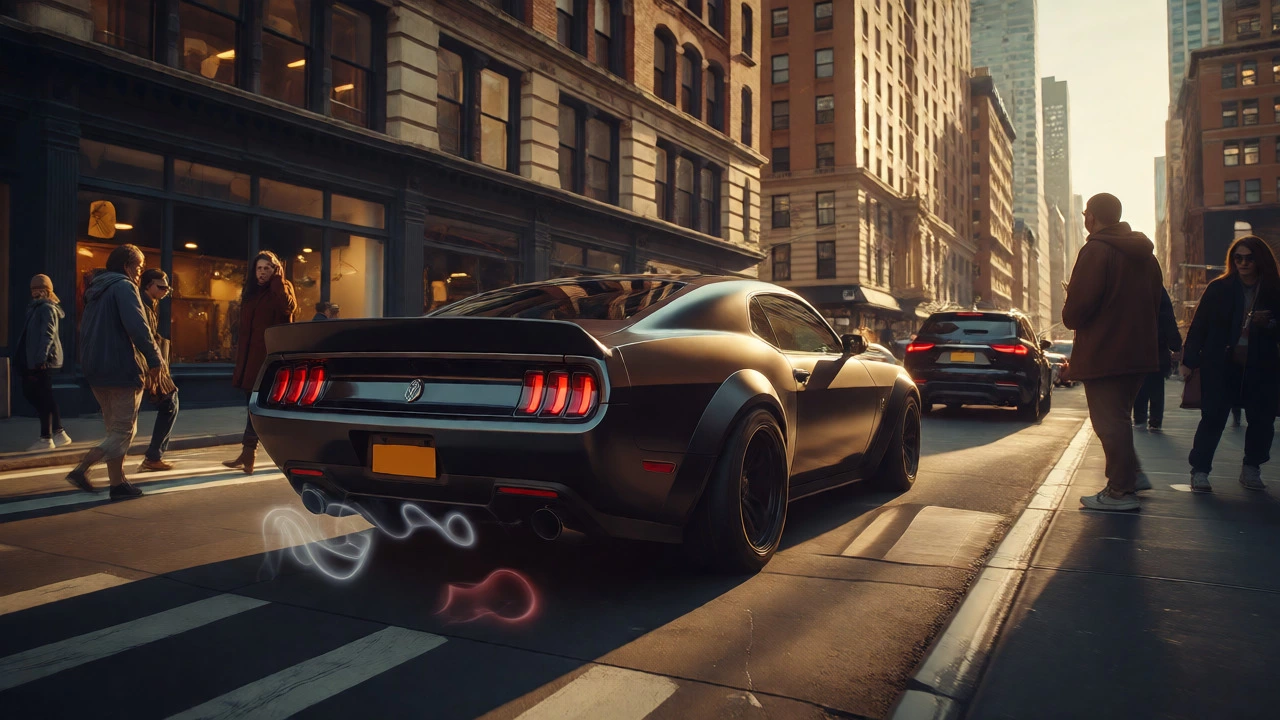
You just installed that new cat-back system. The sound is aggressive, deep, and turns heads at every stoplight. Then you see the blue lights in your rearview mirror. Suddenly, that satisfying rumble feels like a liability. So, is a loud exhaust actually illegal in the US? The short answer: it depends entirely on where you live. There is no single federal law banning loud cars. Instead, you are navigating a patchwork of state and local ordinances that can vary wildly from one county to the next.
Most drivers assume there is a universal decibel limit that applies nationwide. That is a myth. While the Environmental Protection Agency (EPA) sets manufacturing standards for new vehicles, they do not regulate modifications after the car leaves the factory. Once you modify your exhaust, you fall under state jurisdiction. Some states enforce strict 90-decibel caps; others have vague "reasonable noise" clauses that give police officers broad discretion. Understanding this landscape saves you fines, failed inspections, and headaches.
The Federal Baseline vs. State Reality
To understand why your neighbor gets away with a screaming muffler delete while you get ticketed, you need to look at the legal hierarchy. The EPA regulates noise emissions during the manufacturing process. Under the Clean Air Act, new passenger cars produced today must meet specific noise standards, typically around 75-80 decibels at full throttle. However, once you own the car, federal oversight largely ends regarding noise modification.
This means the power shifts to individual states. Each state decides how strictly to enforce noise regulations. In some jurisdictions, the law is precise: if your car exceeds X decibels, you are guilty. In others, the law is subjective: if an officer deems the noise "unreasonable," you are guilty. This lack of uniformity creates confusion. A truck modified in Texas might be perfectly legal in Houston but illegal across the border in Louisiana due to different state statutes.
| State Approach | Description | Examples |
|---|---|---|
| Strict Numerical Limit | Specific dB limit defined by statute. Measured via sound meter. | California, New York, Illinois |
| Vague/Subjective Standard | No specific number; prohibits "unnecessary" or "excessive" noise. | Texas, Florida, Georgia |
| Inspection-Based | Compliance checked only during periodic safety/emissions tests. | Virginia, North Carolina |
| Local Ordinance Dominant | State law is loose; cities/counties set their own strict rules. | Arizona, Nevada |
Decibel Limits: What Do They Actually Mean?
When laws mention decibels (dB), they rarely explain how that number is measured. This matters because sound levels change based on distance and engine RPM. Most state laws reference a measurement taken at 50 feet from the vehicle while accelerating from idle to half-throttle. Or, they measure static noise at full throttle while stationary. These methods yield different results.
A typical stock family sedan operates between 70 and 75 dB. A performance coupe might hit 80-85 dB. Once you cross 90 dB, you enter the territory where most strict states issue citations. For context, a chainsaw operates at about 100 dB. If your exhaust sounds like a chainsaw, you are likely breaking the law in California or New York. But here is the catch: many states allow higher limits for motorcycles than for cars. Always check the specific vehicle class in your local code.
How Police Measure Noise
Do officers carry professional-grade sound level meters? Rarely. Many rely on their ears and experience. Some departments use handheld devices, but these are often uncalibrated or used incorrectly. In court, you can challenge the accuracy of the measurement. Did the officer calibrate the device before the test? Was the background traffic noise accounted for? Without proper procedure, a citation based on a subjective ear test is harder to defend against, but still contestable if you know the local statutes.
State-by-State Breakdown: The Good, The Bad, and The Gray Areas
Let’s look at three distinct categories of enforcement to help you gauge risk.
California: The Strictest Standard
California is a state known for stringent environmental and noise regulations. Vehicle Code Section 27150 prohibits any motor vehicle exhaust system that produces "excessive or unusual noise." Specifically, the law caps noise at 95 dB for vehicles manufactured after 1969. More importantly, California requires that the exhaust system includes a functioning muffler. Removing the muffler entirely-a "muffler delete"-is automatically illegal, regardless of actual volume. Inspections here are rigorous, especially in Southern California counties like Los Angeles and San Diego.
Texas: Subjective Enforcement
In Texas, the Transportation Code prohibits "unnecessary noise." There is no hard numerical cap written into the primary statute. This gives police significant leeway. An officer can pull you over simply because the noise disturbs peace or seems excessive. However, Texas courts have sometimes ruled in favor of drivers when officers could not provide objective evidence of disturbance. Still, relying on judicial leniency is risky. Cities like Austin and Dallas have stricter local ordinances that define specific decibel thresholds, overriding the looser state standard within city limits.
New York: Zero Tolerance Zones
New York State has tightened enforcement recently. While the base law mirrors many others, New York City enforces its own strict rules. The NYC Department of Environmental Protection monitors noise violations heavily. Modified exhausts without proper baffling are common targets. If you drive a loud car in Manhattan or Brooklyn, expect frequent scrutiny. Unlike rural areas, urban density makes noise complaints more common, leading to quicker police response.
Common Modifications and Their Legal Risks
Not all modifications carry the same legal weight. Here is how common upgrades fare under US law.
- Muffler Delete: High Risk. Most states require a muffler. Even if your car isn't extremely loud, removing the component itself violates equipment codes in places like California and Michigan.
- Cat-Back Systems: Low to Medium Risk. Replacing the muffler with a less restrictive unit is generally legal if the resulting noise stays within local limits. Ensure the system is fully enclosed and doesn't leak exhaust gases near the cabin.
- Resonator Deletes: Medium Risk. Resonators cancel out specific frequencies (drone). Removing them increases volume and pitch. While not always explicitly banned, the increased noise can trigger "excessive noise" citations.
- Headers/Catless Downpipes: High Risk. Removing catalytic converters affects emissions, which is federally regulated. If your state performs emissions testing, a catless setup will fail. Additionally, these setups are significantly louder, increasing the chance of a noise ticket.
Emissions Testing and Its Impact on Exhaust Laws
Nearly half of US states require annual or biennial emissions inspections. This complicates the legality of loud exhausts. If your modification removes or alters the catalytic converter, you will fail the test. But even if you keep the cats, some states inspect the physical integrity of the exhaust system. Cracks, leaks, or missing components (like heat shields) can cause a failure. In states like Virginia and Colorado, passing emissions is mandatory for registration renewal. You cannot legally drive without valid plates, so a failed inspection effectively grounds your car.
Some states, such as Pennsylvania and Ohio, exempt vehicles older than 25 years from emissions testing. This allows classic car owners to run louder, older-style exhaust systems without worrying about modern catalytic requirements. Check your vehicle's year and your state's exemption list before modifying.
How to Stay Legal and Keep Your Sound
You don't have to choose between silence and style. Follow these steps to minimize legal risk.
- Check Local Ordinances First: Don't just look at state law. Search for "[Your City] vehicle noise ordinance." Cities often have stricter rules than the surrounding county.
- Use Certified Components: Buy exhaust parts labeled "CARB Compliant" (California Air Resources Board). Even if you don't live in California, CARB compliance signals that the part meets strict noise and emission standards.
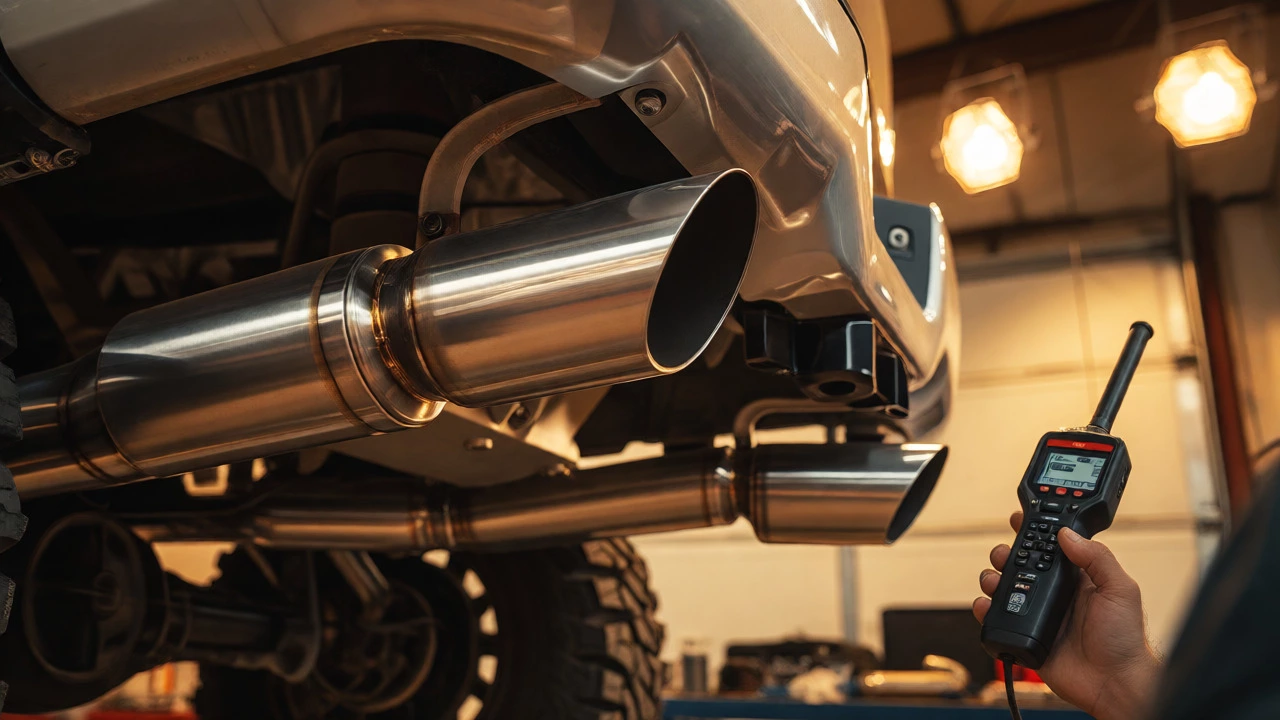
- Test Before You Buy: Visit a shop with a sound level meter. Ask them to measure your proposed setup. Aim for under 90 dB to stay safe in most jurisdictions.
- Avoid Drone: Excessive low-frequency drone inside the cabin is annoying and often cited as "unreasonable noise." Choose systems designed to reduce drone while maintaining exterior tone.
- Keep It Closed: Never run open pipes unless you are off-road. Open exhausts are almost universally illegal on public roads.
Frequently Asked Questions
What is the maximum decibel level allowed for cars in the US?
There is no single national maximum. Most states with specific laws set the limit between 90 and 95 decibels. States like California cap it at 95 dB, while others may allow up to 100 dB depending on vehicle age and type. Always check your specific state's vehicle code.
Is a muffler delete illegal in all states?
No, but it is illegal in many. States like California, New York, and Michigan explicitly require a functional muffler. Other states prohibit "excessive noise," which a muffler delete usually triggers. In states with no specific muffler requirement, it may be technically legal if the noise level remains reasonable, but this is rare.
Can I get fined for my exhaust if I pass emissions?
Yes. Emissions and noise are separate regulations. Passing emissions ensures your car doesn't pollute too much. It does not guarantee your exhaust is quiet enough. You can pass emissions testing and still receive a citation for excessive noise from a police officer.
How do police prove my exhaust is too loud?
Police may use handheld sound level meters, though usage varies by department. Often, they rely on officer testimony regarding "excessive" noise. In strict states, a calibrated meter reading above the statutory limit is required for conviction. In subjective states, the officer's judgment is sufficient evidence.
Are aftermarket exhausts covered by warranty?
Under the Magnuson-Moss Warranty Act, manufacturers cannot void your entire warranty just because you installed an aftermarket part. However, if the exhaust causes damage to other components (like oxygen sensors or the catalytic converter), those specific repairs may not be covered. Keep receipts and ensure the installation was professional.