Car Detailing ROI Calculator
Enter your vehicle details to estimate whether a professional detail is worth the cost compared to DIY or skipping it entirely.
Analysis Result
Fill in the form and click Calculate to see your ROI.
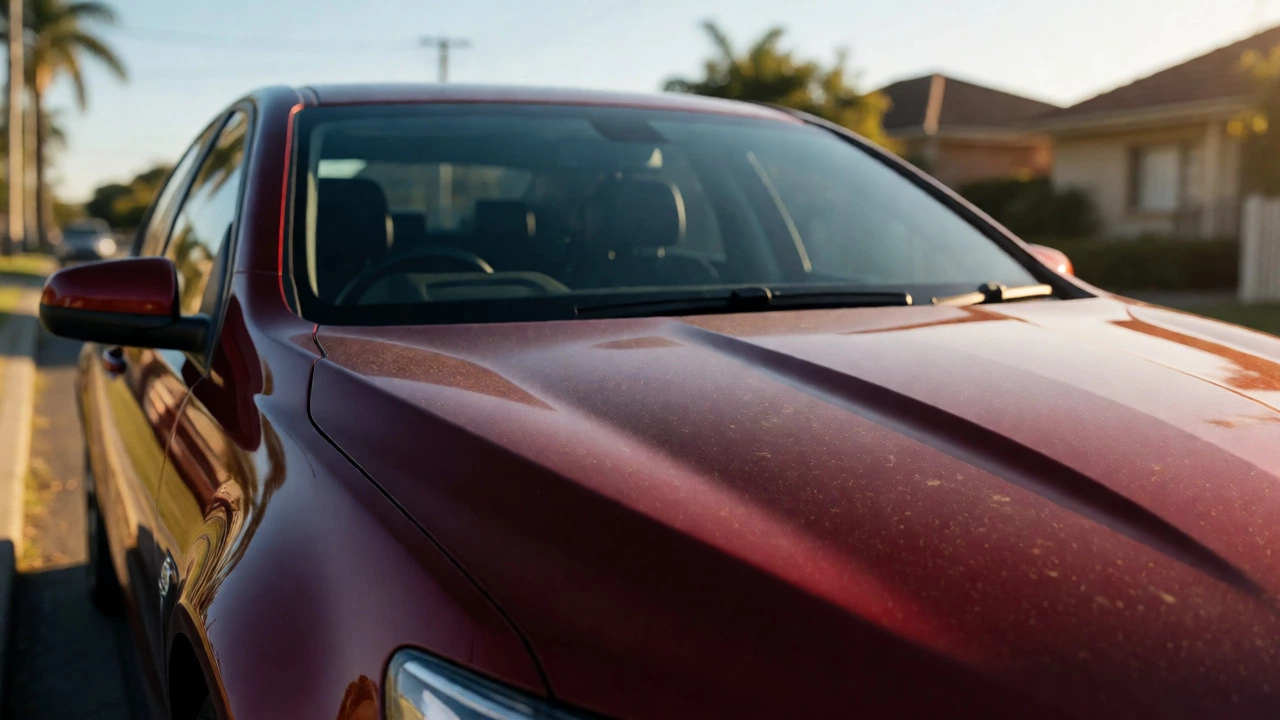
You just pulled out of a car wash in Brisbane, and your paint looks shiny for about an hour. Then the dust from the motorway settles on it, or a bird decides your bonnet is its personal toilet. You wonder: why do people spend hundreds of dollars on car detailing? Is it actually worth the money, or is it just expensive vanity?
The short answer is yes, but not for the reasons you might think. It isn’t just about making your car look good for a date night. Proper detailing protects the asset itself. If you drive a Holden Commodore or a Toyota Camry that you plan to keep for five years, skipping detailing can cost you thousands in resale value. If you lease a car and hand it back with swirl marks everywhere, you’ll pay penalties. Let’s break down exactly when detailing pays off and when you’re better off saving that cash.
The Real Cost vs. The Perceived Value
Most drivers confuse car washing with detailing. They aren’t the same thing. Washing removes surface dirt. Detailing cleans, corrects, and protects. A basic wash might cost $15-$30 at a local servo. A proper interior and exterior detail ranges from $250 to $800 depending on the vehicle size and condition.
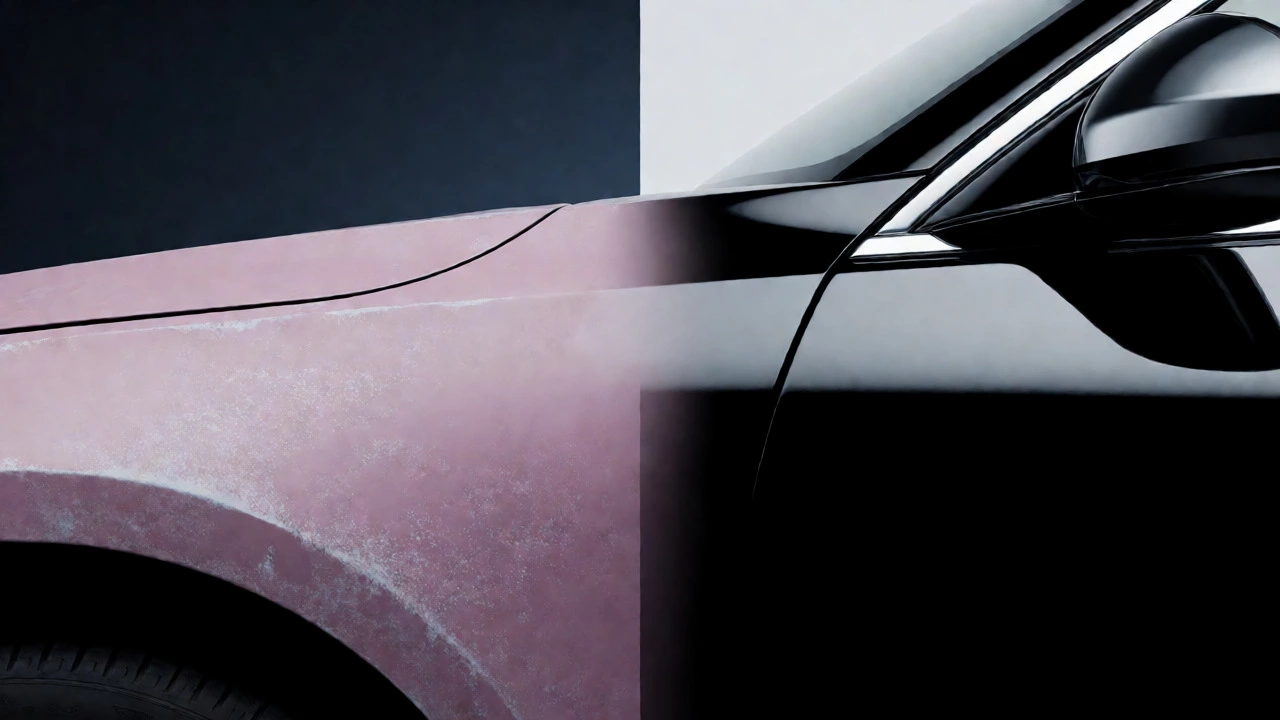
Think of it like this: washing is brushing your teeth; detailing is going to the dentist for a deep clean and fluoride treatment. One maintains hygiene; the other prevents long-term decay. In Australia’s harsh climate, UV rays and salt air (especially if you live near the coast) attack clear coats relentlessly. Without protection, your paint oxidizes. That shiny new car red turns into a dull, chalky pink within three years. Detailing stops that clock.
When Detailing Makes Financial Sense
You don’t need to detail every month. But there are specific scenarios where the return on investment (ROI) is undeniable.
- Selling Your Vehicle: This is the big one. According to data from RedBook Australia, a well-presented car can sell for 10-15% more than a comparable one that looks neglected. If you’re selling a $30,000 car, spending $400 on a full detail could net you an extra $3,000. That’s a massive margin.
- Lease Returns: Lease contracts have strict wear-and-tear clauses. Deep scratches, stained upholstery, and pet hair often trigger excess wear charges. These can run into the hundreds per item. A pre-return detail usually costs less than the penalty fees.
- Preserving Paint Condition: Modern cars use thinner clear coats than vehicles from the 90s. They scratch easier. Regular polishing removes light swirls before they penetrate deeper into the base coat. Once the base coat is exposed, you’re looking at repainting panels, which costs $600+ per panel.
The Health Factor: More Than Just Looks
We tend to ignore what we can’t see. Your car interior is a breeding ground for bacteria, mold spores, and allergens. Brisbane’s humidity makes this worse. If you’ve ever smelled that musty odor when you first turn on the AC, that’s likely mold growing in the evaporator coil or damp floor mats.
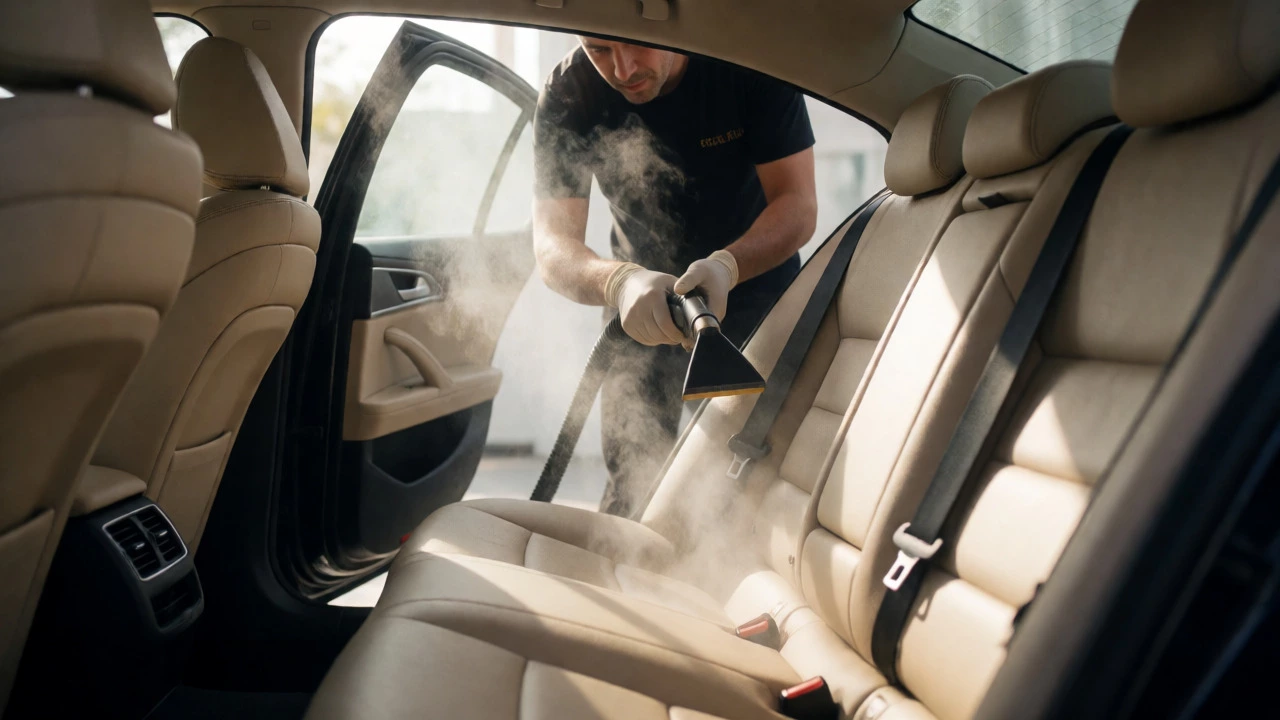
A professional interior detail includes steam cleaning seats, shampooing carpets, and treating leather. Steam kills bacteria without harsh chemicals. For families with kids or anyone with allergies, this isn’t optional-it’s health maintenance. Studies suggest that car interiors can harbor more bacteria than a public toilet seat if left uncleaned for months. Would you want your child eating lunch in that environment?
DIY Kits vs. Professional Services: Which Wins?
Many enthusiasts buy car detailing kits, thinking they can replicate professional results. Can you? Yes, but it requires skill, time, and patience. Here’s how the two compare.
| Factor | DIY Kit | Professional Detailer |
|---|---|---|
| Initial Cost | $150 - $300 for starter kit | $250 - $800 per service |
| Time Commitment | 4-8 hours per session | 2-4 hours (you wait or drop off) |
| Skill Level Required | High (risk of swirls/burns) | N/A (trained technicians) |
| Equipment Quality | Consumer-grade buffers/vacuums | Industrial extractors, rotary polishers |
| Consistency | Variable based on effort | Standardized high quality |
If you enjoy working on cars, DIY is rewarding. Buying a dual-action polisher and some ceramic spray sealant gives you control. But if you mess up the paint correction-burning the clear coat-you’ll need a pro to fix it anyway. For most busy professionals, paying for the service buys back their weekend.
What Actually Goes Into a "Full Detail"?
Not all details are created equal. When you book a service, ask what’s included. A standard "full detail" should cover these areas:
- Exterior Wash & Decontamination: Not just soap. Professionals use iron removers to dissolve brake dust and clay bars to pull embedded grit from the paint. This smooths the surface so polish works effectively.
- Paint Correction: Machine polishing to remove swirl marks and light scratches. This restores gloss and clarity.
- Protection: Application of wax, synthetic sealant, or ceramic coating. This shields against UV, rain spots, and dirt adhesion.
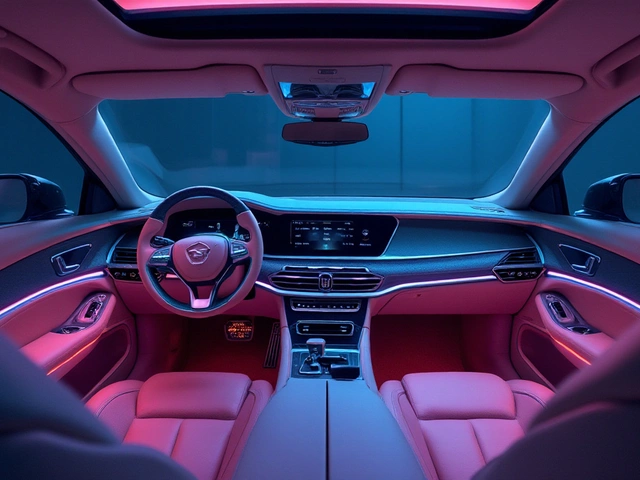
- Interior Deep Clean: Vacuuming, steam cleaning seats, wiping dashboards, and conditioning leather. Windows cleaned inside and out.
- Engine Bay Cleaning: Degreasing the engine bay. This doesn’t just look cool; it helps mechanics spot leaks during future services.
Beware of "express details." These are often just quick vacuums and tire shine. Always read the checklist before handing over your keys.
How Often Should You Do It?
Frequency depends on your storage conditions and usage. There is no one-size-fits-all rule, but here are general guidelines for Australian conditions:
- Garaged Cars: Full detail every 6-12 months. Monthly maintenance washes suffice in between.
- Street-Parked Cars: Full detail every 3-6 months. Exposure to sun and pollution accelerates oxidation.
- Work Vehicles/Utes: Quarterly interior/exterior wipe-downs. Annual deep clean to prevent grime buildup in crevices.
If you apply a ceramic coating, you can extend the interval between major details to once a year, as the coating provides superior protection compared to traditional wax. However, you still need regular washing to keep the coating effective.
The Verdict: Is It Worth It?
If you view your car purely as a tool to get from A to B, maybe skip the premium packages. Stick to regular washing and interior vacuuming. But if you care about resale value, aesthetic pride, or health, detailing is a smart financial move.
Consider the depreciation curve. Cars lose value fastest in the first few years. Protecting the paint and interior preserves that value. Spending $500 a year on detailing for a $40,000 car is 1.25% of its value. If it saves you $2,000 in resale penalties or repairs, you’re ahead. Plus, driving a clean car feels better. It’s a small luxury that impacts daily mood.
How much does car detailing cost in Australia?
Costs vary by location and vehicle size. In cities like Brisbane or Sydney, expect to pay $250-$400 for a sedan and $400-$600 for an SUV or ute for a full interior and exterior detail. Basic express details start around $100. Mobile detailers may charge slightly more due to travel costs but offer convenience.
Does car detailing increase resale value?
Yes, significantly. While it doesn't change the mechanical history, presentation heavily influences buyer perception. A detailed car signals that the owner cared for the vehicle overall. Buyers are willing to pay more for a car that looks new, and dealerships often deduct thousands from trade-in offers for poor cosmetic condition.
Can I detail my car myself?
Absolutely. Many enthusiasts prefer DIY. You'll need a dual-action polisher, microfiber towels, high-quality shampoo, clay bar, and sealant. The learning curve is steep, especially for paint correction. Start with interior cleaning and simple waxing before attempting machine polishing to avoid damaging the clear coat.
How long does a full detail take?
A thorough full detail typically takes 4 to 8 hours for professionals. This includes drying times for interior surfaces and curing time for waxes or sealants. DIY jobs can take longer, sometimes a full weekend, depending on your experience level and the severity of dirt or paint defects.
Is ceramic coating worth it over wax?
Ceramic coating lasts longer (2-5 years) and offers better chemical resistance and hydrophobic properties than traditional wax (which lasts 1-3 months). However, it requires proper paint preparation and is harder to apply correctly. For newer cars or those parked outside, ceramic coating is often worth the higher upfront cost due to reduced maintenance frequency.