Car Modification Legality Checker
Select your location and the modifications you plan to install to see potential legal risks.
Result
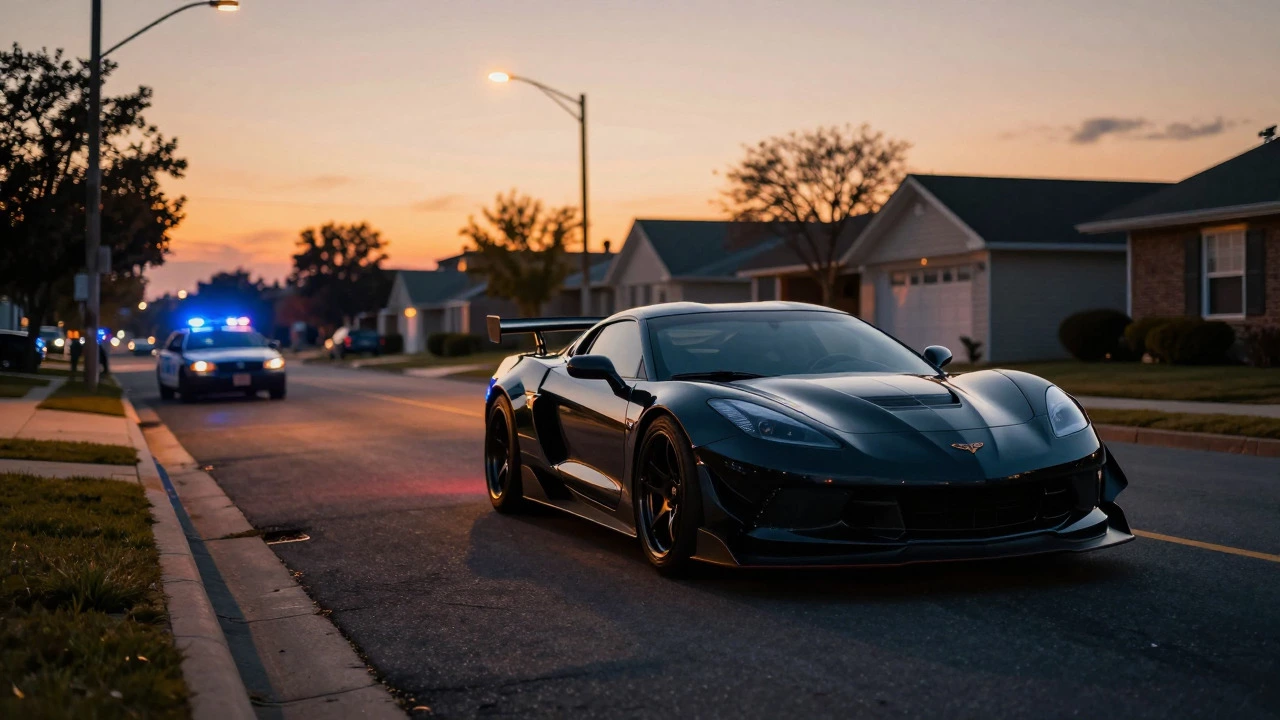
Most people assume that if you buy a car and put a big spoiler on it, the police will pull you over for breaking the law. They won't. In fact, most modifications are perfectly legal. But "most" is doing a lot of heavy lifting here. The moment you touch your engine, change your lights, or make your windows too dark, you step into a complex web of federal, state, and local rules that vary wildly from Texas to California.
The core question isn't just "is it illegal?" but rather "does it pass inspection?" In the United States, vehicle legality is split between safety standards (federal) and environmental/safety compliance (state). If you want to keep your modified ride off the auction block and out of court, you need to understand where the line is drawn.
Federal Baselines: What DOT Actually Cares About
Before you worry about state laws, you have to respect the Department of Transportation (DOT) is the federal agency responsible for regulating highway safety and vehicle standards in the US. Their primary concern is whether your modification creates a hazard on the road. This usually boils down to three things: visibility, noise, and structural integrity.
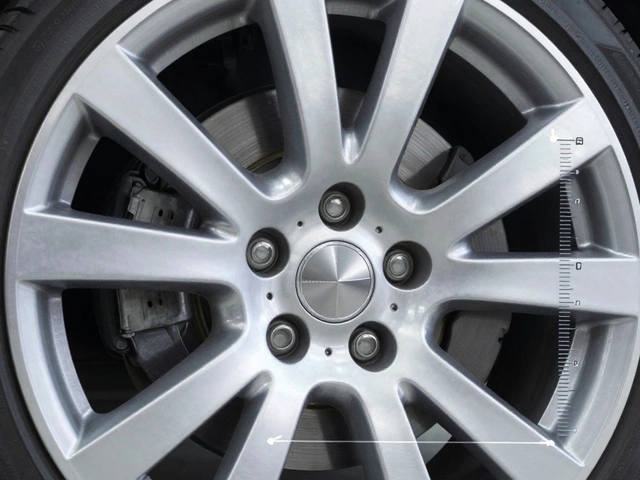
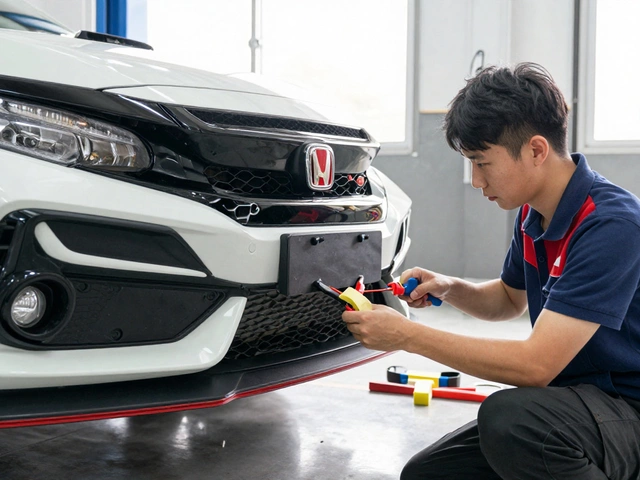
If you install aftermarket wheels, they don't need specific DOT approval, but they must be safe. However, if you add a massive body kit is a collection of exterior parts like bumpers, spoilers, and side skirts used to alter a vehicle's appearance., the rule is simple: nothing can obstruct your view or yours of others. A spoiler that blocks your rearview mirror is a ticket. A bumper that sticks out more than the width of the car might be flagged as a protruding object hazard.
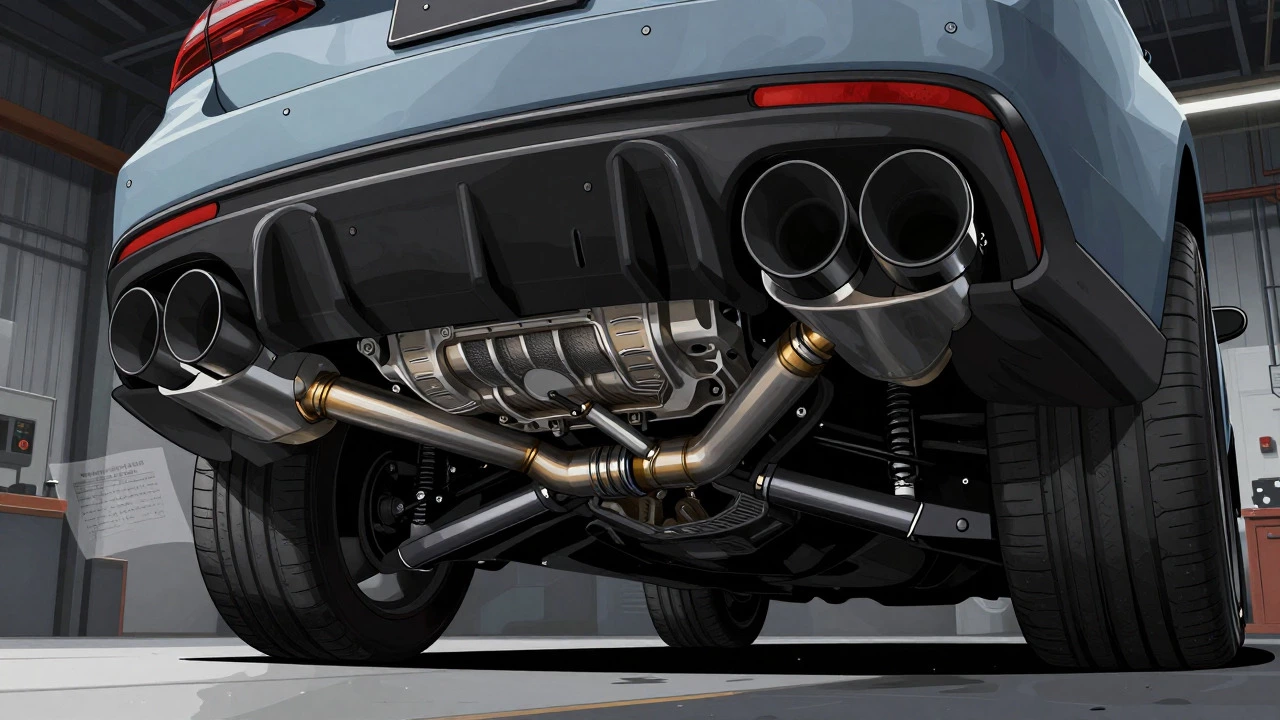
Noise is another federal gray area. While there is no single national decibel limit for all cars, states enforce their own quiet zone laws. Generally, you cannot exceed 85 decibels at 50 feet for most passenger vehicles. If your exhaust sounds like a jet engine taking off, you're likely in violation, regardless of what the manufacturer claims on the box.
The Emissions Battle: CARB vs. Non-CARB States
This is where most enthusiasts get burned. You swap your stock muffler for a performance cat-back system, and suddenly your car fails inspection. Why? Because of CARB is the California Air Resources Board, which sets stricter emission standards than the federal EPA..
California, along with a handful of other states including New York, Maine, Massachusetts, Pennsylvania, Rhode Island, Vermont, and Washington, follows CARB guidelines. In these states, almost any modification to the exhaust, intake, or fuel system requires a part that has an EPA Exemption Number is a certification code proving a part meets federal emission standards without requiring individual testing.. If your new exhaust pipe doesn't have this number stamped on it, it's technically illegal in CA and its sister states.
In non-CARB states, the rules are looser. You can often run a straight-pipe exhaust or a high-flow intake without worrying about certification, provided you still pass the basic smog test. But don't think this means zero risk. Local cities may have their own ordinances against "loud noises" or "excessive smoke."
State-Specific Traps: Lights, Tint, and Height
While emissions get the headlines, lighting and tinting cause more daily headaches. Every state has its own Vehicle Code section dedicated to lamps and reflectors. For example, in California, you generally cannot use red headlights or amber taillights unless specified for emergency vehicles. Blue lights are reserved for police and emergency services. If you install LED strips under your car, they must not flash or change color rapidly, as this can be deemed distracting.
Window tinting is governed by Visible Light Transmission (VLT) percentages. The front side windows usually require the highest transparency (often 70% or higher), while the rear windows can be darker. Some states, like Nevada, allow nearly black tint on the rear windows, while others like Delaware restrict it heavily. Always check your specific state's Department of Motor Vehicles (DMV) website before buying film. A $100 roll of tint can cost you $500 in fines if it's one percent too dark.
Don't forget height restrictions. If you lift your truck or SUV, you might hit bridges or garages. Most states cap vehicle height at around 13.5 feet. Exceeding this without a permit can result in a citation during a traffic stop or when passing through automated toll booths.
Insurance Implications: The Hidden Cost
Legality is only half the battle. The other half is your insurance policy. Many standard policies cover "standard equipment" but treat significant modifications as "special equipment." If you spend $5,000 on a carbon fiber hood and $2,000 on custom wheels, your insurer might only pay for the value of the original steel hood and factory rims if you crash.
To protect yourself, you need to declare these upgrades. This often increases your premium because the replacement cost is higher. Failing to disclose major changes can lead to denied claims. For instance, if you modify your suspension to lower the car significantly and then scrape the bottom in a parking lot, the insurer might argue the modification was undocumented and thus not covered under standard comprehensive coverage.

How to Stay Legal: A Practical Checklist
You don't need a lawyer to modify your car, but you do need diligence. Here is how to ensure your build stays on the right side of the law:
- Check Your State’s DMV Website: Look for sections on "Vehicle Modifications," "Lamps and Reflectors," and "Emissions." This is the primary source of truth for your location.
- Verify Part Certifications: For exhausts and intakes in CARB states, ask the seller for the EPA Exemption Number. No number, no install.
- Measure Your Tint: Use a light meter after installation. Don't guess. Get a receipt showing the VLT percentage installed.
- Keep Receipts: Save invoices for all parts. If a cop questions a modification, proof of purchase and specification sheets help prove intent and compliance.
- Update Your Insurance: Call your agent before installing expensive cosmetic or performance parts. Ask about "agreed value" clauses for modified components.
Frequently Asked Questions
Is it illegal to drive a car without a license plate?
Yes, in almost every US state, you must display a valid license plate on the rear of the vehicle. Front plates are required in some states (like New York and Virginia) but optional in others. Driving without them results in a fine and potential impoundment.
Do I need permission to change my car's color?
No, changing your car's color via paint or wrap is legal everywhere. However, you should update your registration documents if the color change is drastic (e.g., from white to bright orange) to avoid confusion during inspections or sales.
Are neon underglow lights legal?
It depends. Static colors are generally legal in most states, but flashing or changing colors is often prohibited. Also, the lights must not project onto the road surface in a way that distracts other drivers. Check your local municipal code, as cities often ban them outright.
What happens if I fail a smog test due to modifications?
You cannot legally sell or register the car until it passes. In CARB states, this often means reverting to stock exhaust or installing certified parts. Retesting fees can add up quickly, so prevention is cheaper than cure.
Does modifying a classic car follow different rules?
Often, yes. Many states offer "historic vehicle" exemptions that waive annual smog tests and sometimes strict lighting rules. To qualify, the car usually needs to be over 25 years old and used for pleasure driving, not daily commuting.