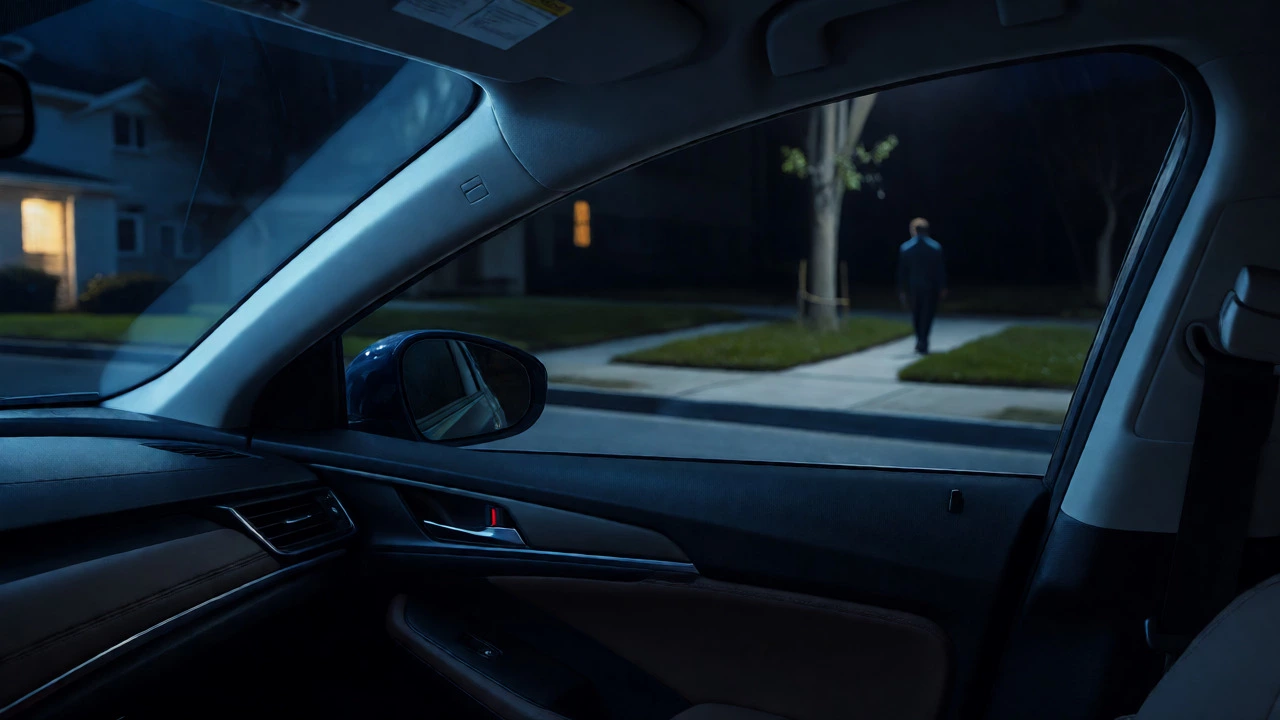
Night Driving Visibility Estimator
Adjust settings and click "Analyze" to see your estimated night visibility rating.
You’ve just had your windows done. The shop guy says 35% tint is the sweet spot: enough privacy to keep your phone out of sight, but light enough to pass inspection. You drive home in the afternoon sun, look in the mirror, and think, "This looks great." But then you pull into a dimly lit parking lot after sunset, or worse, you’re trying to see a pedestrian crossing on a suburban street with no streetlights. Suddenly, that cool dark glass feels less like an accessory and more like a blindfold.
The question isn't whether 35% tint looks good-it does. The real question is: can you actually see through it when the world goes dark? This guide breaks down exactly what 35% VLT (Visible Light Transmission) means for your night vision, how it compares to other shades, and why your eyes might be playing tricks on you depending on where you live.
Decoding the Numbers: What Is 35% VLT?
Before we talk about darkness, let’s clear up the math because it confuses everyone. When installers say "35% tint," they are referring to Visible Light Transmission, or VLT. This number represents the percentage of visible light that passes through the film and reaches your eyes. So, 35% tint allows 35% of external light to enter the cabin. Conversely, it blocks 65% of that light.
Think of it like sunglasses. Standard sunglasses might block 80-90% of light. A pair of clear safety glasses blocks almost nothing. 35% tint sits somewhere in between a heavy pair of aviators and a standard clear windshield. It’s not pitch black. If you stand outside looking in during the day, you’ll see silhouettes, but you won’t see facial details clearly from a distance. From the inside looking out, however, things are different. During the day, your pupils constrict, letting in less light anyway, so the tint barely affects your perception. At night, your pupils dilate to catch every photon available. That’s when the 65% blockage starts to matter.
The Reality of Night Driving with 35% Tint
Here is the blunt truth: night driving visibility with 35% tint is noticeably reduced compared to clear glass, but for most drivers, it remains safe if your headlights are working properly. It is not like wearing a sleep mask. It is more like looking through a slightly smudged pair of glasses that you forgot to clean. You can still see road signs, lane markers, and other cars. However, low-contrast objects become harder to spot.
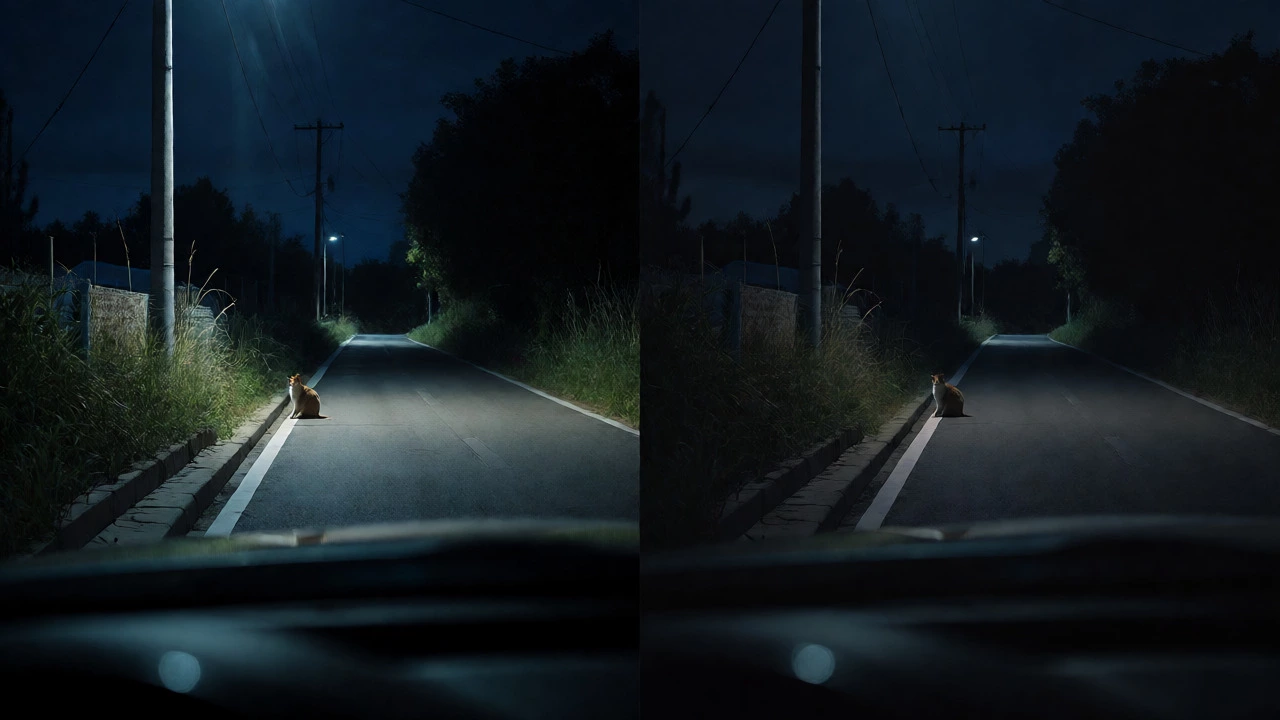
Imagine you are driving down a residential street in Brisbane or Sydney. There are no streetlights, only your headlights illuminating the asphalt. With clear glass, you might spot a cat sitting by the curb at 40 meters. With 35% tint, that same cat might blend into the shadows until you are at 25 meters. The reduction in contrast is the main culprit. Your brain relies on contrast to distinguish objects from the background. Tint flattens that contrast, making dark objects against dark backgrounds disappear longer than they should.
Most drivers adapt quickly. After a week or two, your eyes adjust to the lower light levels entering the cabin. But new users often report feeling "squinty" or fatigued after long night drives initially. If you find yourself constantly adjusting your seat position to get a better angle, or turning off dashboard lights to reduce glare, give it time. If the struggle persists after a month, the tint might be too dark for your specific eye health or local lighting conditions.
Why Your Location Changes Everything
A 35% tint behaves differently in Melbourne than it does in Los Angeles. Why? Ambient light pollution. In major cities with abundant street lighting, shop signs, and traffic, there is plenty of stray light bouncing around. This extra illumination compensates for the light blocked by the film. You barely notice the difference at night in CBD areas.
But head out to regional Australia, rural Europe, or the American Midwest, and the story changes. Without streetlights, your headlights are the only source of light. Every bit of transmission counts. In these low-light environments, 35% can feel significantly darker. Drivers in rural areas often prefer higher VLT percentages (like 50% or 70%) specifically to maintain safety margins on unlit roads. If you commute primarily on well-lit highways, 35% is fine. If you take country backroads, you might want to reconsider.
Comparing 35% to Other Popular Tints
To understand if 35% is right for you, you need context. How does it stack up against the lighter and darker options people choose? Here is a breakdown of common tint levels and their night-time behavior.
| Tint Level (VLT) | Daytime Appearance | Night Visibility Rating | Best For |
|---|---|---|---|
| 70% | Barely noticeable, slight gray hue | Excellent - Almost identical to clear glass | Front windshields, strict legal zones, maximum clarity |
| 50% | Light smoke, moderate privacy | Very Good - Minimal impact on night vision | Drivers who want UV protection without visual compromise |
| 35% | Dark smoke, good privacy from outside | Good - Noticeable reduction, requires adjustment | Side and rear windows, balancing style and function |
| 20% | Very dark, high privacy | Poor - Significant difficulty in low light | Luxury vehicles, hot climates, non-driving passengers |
| 5% | Limo black, opaque from outside | Terrible - Dangerous for driver-side visibility | Rear passenger seats only, never for front doors |
As the table shows, the drop-off in visibility accelerates as the numbers go down. Going from 50% to 35% is a manageable step for most. Going from 35% to 20% is a much steeper learning curve. Many people who complain about "bad night vision" actually have 20% or 15% tint on their front windows, not 35%. Don’t confuse the two.
Legal Limits and Enforcement
Before you fall in love with the look, check your local laws. In many jurisdictions, including parts of Australia and the US, 35% is often the maximum allowable limit for front side windows. Rear windows usually have looser restrictions because you don’t look through them while steering.
Police enforcement varies wildly. Some officers use handheld tint meters; others rely on visual estimation. 35% is tricky because it can look like 20% under certain angles and lighting conditions. If you are pulled over, having a certificate of installation from a reputable shop can help prove compliance. Always verify the specific VLT limits for your state or territory. Ignorance of the law rarely saves you a ticket, and peeling off tint mid-inspection is messy and expensive.
How to Test Your Own Tint Before Buying
Don’t just trust the sample card held up to a fluorescent light in the shop. Do this instead:
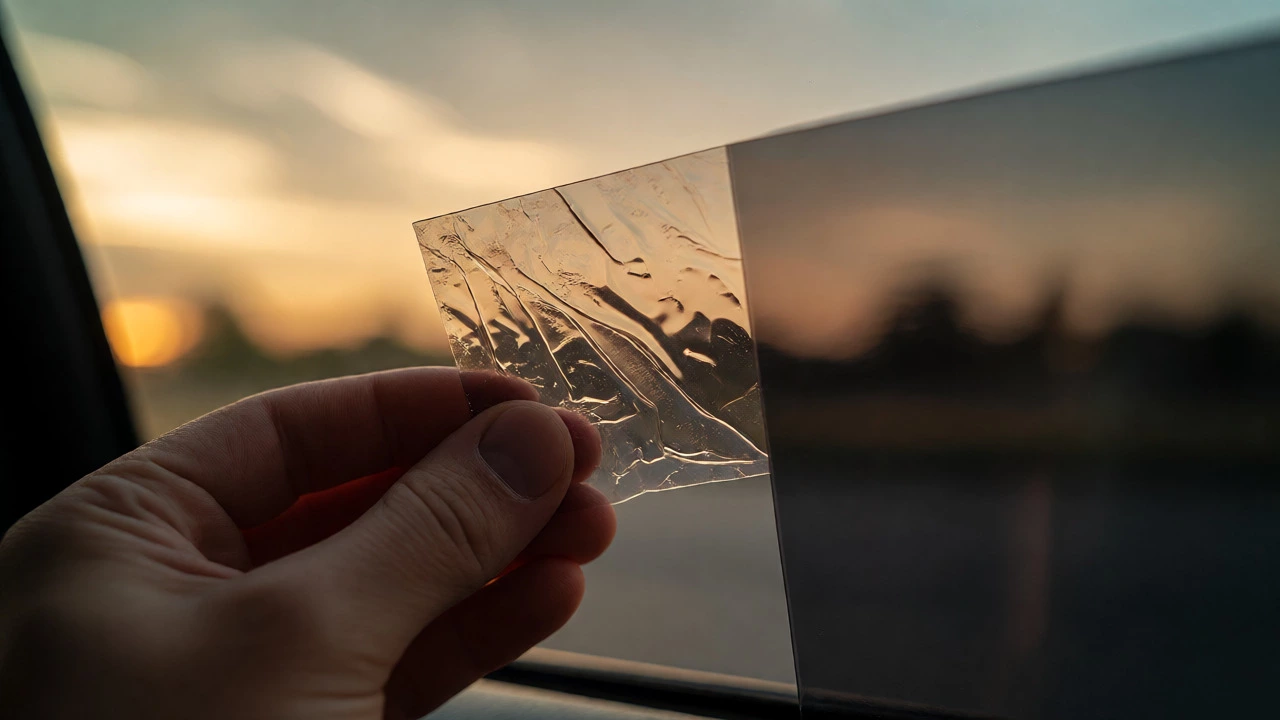
- The Sunset Test: Ask the installer to apply a small scrap piece to a corner of your window (or hold it firmly against the glass) during twilight. Drive around for ten minutes. Can you read license plates easily? Can you see pedestrians in dark clothing?
- The Phone Flashlight Trick: Turn off all lights in your garage. Have a friend shine a phone flashlight at your face from outside. Try to identify them through the tinted glass from the driver’s seat. If you struggle to make out features, your night vision will likely suffer similarly.
- Check Your Eyes: If you wear prescription glasses or contact lenses, especially for astigmatism, tinted windows can exacerbate halos and starbursts around headlights. Visit an optometrist before committing to dark tints if you already have night vision issues.
Mitigating Poor Night Vision
If you already have 35% tint and hate the night view, you have options. First, upgrade your headlights. Old, yellowed halogen bulbs produce less usable light. Switching to high-quality LED replacements increases both brightness and color temperature, which helps cut through the haze created by the tint. Second, keep your windows clean. Dirt and grease on the interior surface scatter light, creating glare that makes tinted windows feel even darker. Third, consider anti-glare coatings on your glasses if you wear them.
Ultimately, 35% tint is a compromise. It offers significant heat rejection and UV protection while maintaining decent aesthetics. For the average urban driver, the night-time trade-off is minor. For the rural commuter or the elderly driver with slower pupil dilation, it might be too much. Know your routes, know your eyes, and choose accordingly.
Is 35% tint too dark for night driving?
For most drivers, no. While it reduces light transmission by 65%, it generally leaves enough visibility for safe driving in lit areas. However, in unlit rural areas, it may require careful attention to low-contrast hazards.
Can I see out of 35% tint at night?
Yes, you can see out, but it will appear darker than through clear glass. Objects with low contrast, such as dark pedestrians or animals, may be harder to spot quickly compared to untinted windows.
What is the safest tint percentage for night driving?
50% or higher is considered the safest for maximum visibility. 35% is widely accepted as a balance between privacy and safety, but 20% and below significantly increase night driving difficulty.
Does 35% tint affect police visibility?
At night, police may struggle to see inside your vehicle with 35% tint, especially if interior lights are off. This provides good privacy but can make you feel more isolated during stops.
Will 35% tint cause halos at night?
Tint itself doesn't create halos, but it can worsen existing optical issues. If you have astigmatism or cataracts, the reduced light and potential reflections from the film can make halos around streetlights more pronounced.