Car Lowering Clearance Calculator
Enter your vehicle details and click calculate to see if your drop is safe for daily driving.
You’re staring at the spec sheet for a set of lowering springs is coil springs designed to reduce vehicle ride height by shortening their free length compared to stock units. The box promises a sleeker stance, but the fine print says "2-inch drop." Is that too aggressive for daily driving? Or is it just enough to kill the gap between your tires and fenders without turning your commute into an obstacle course?
The short answer: for most modern sedans and hatchbacks, a 2-inch drop is the sweet spot. It’s significant enough to change the car’s personality but usually safe enough for city streets. However, "most" is doing a lot of heavy lifting here. If you drive a low-clearance sports car or live in a region with poor road infrastructure, two inches might be pushing it.
Why 2 Inches Is the Standard Benchmark
In the world of automotive customization, ride height isn’t just about looks; it’s a balance between aerodynamics, handling, and practicality. A 1-inch drop often feels subtle-almost like you didn’t do anything. You can barely tell the difference from a standing distance. On the other hand, a 3-inch drop starts to get tricky. You’re scraping speed bumps, worrying about potholes, and potentially compromising wheel well clearance during sharp turns.
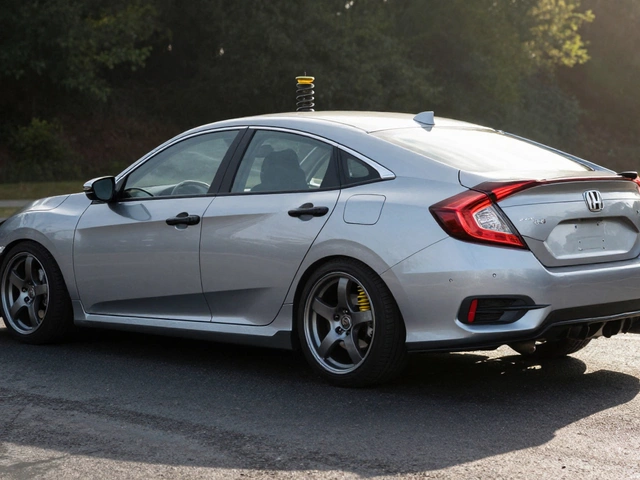
Two inches sits right in the middle. It provides a visual improvement that makes the car look planted and aggressive without requiring you to perform acrobatics over every crack in the asphalt. For vehicles like the Toyota Corolla, Honda Civic, or Mazda 3, this drop typically results in a final ride height that clears standard Australian speed ramps (which are generally around 50-75mm high) with room to spare, provided the original ground clearance was decent.
| Drop Amount | Visual Impact | Daily Driving Risk | Best For |
|---|---|---|---|
| 1 Inch | Subtle, clean look | Very Low | First-time modifiers, rough roads |
| 2 Inches | Sporty, noticeable stance | Moderate | Cities with good infrastructure, show cars |
| 3+ Inches | Aggressive, slammed look | High | Track days, smooth highways only |
Factors That Make 2 Inches Feel Like a Lot
Context matters more than the number on the spring packaging. Whether 2 inches is "a lot" depends heavily on three specific variables: your base vehicle’s original ground clearance, your tire size, and your local road conditions.
Original Ground Clearance: If you own a vehicle that already sits low, like a Porsche Cayman or a Tesla Model S, dropping another 2 inches could bring your underbody close to the pavement. These cars often have less margin for error. Conversely, if you’re lowering a Subaru Outback or a Ford Ranger, 2 inches is negligible because the starting point is so high.
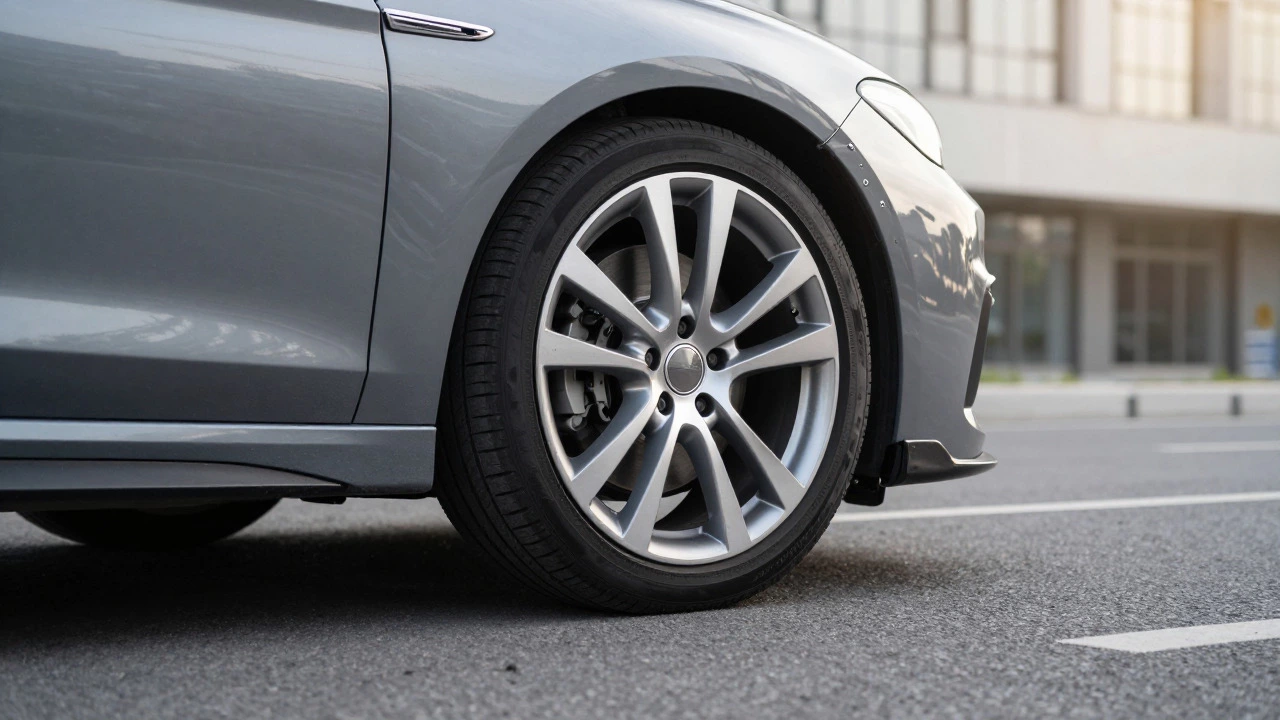
Tire Aspect Ratio: This is the silent killer of lowered cars. If you run tall, fat tires with a high aspect ratio (like 60-series or 65-series), the sidewall bulges out when compressed. At full lock (turning the wheels all the way), that tire can hit the inner fender liner even if the static ride height looks fine. A 2-inch drop reduces the space available for this articulation. If you plan to keep your stock tires, check your wheel arch clearance at full lock before buying springs.
Local Road Infrastructure: Living in Brisbane means dealing with a mix of smooth motorways and older suburban streets with uneven speed humps. If your daily route includes steep driveways or poorly maintained council roads, 2 inches requires more attention than if you were driving exclusively on flat, paved highways. In areas with cobblestones or unpaved access roads, 2 inches is definitely a lot.

The Suspension Geometry Trade-Off
Lowering a car changes its suspension geometry. When you shorten the springs, you alter the angles of control arms and tie rods. This affects how the car handles and wears through components.
At a 2-inch drop, most factory suspension components remain within their design limits. However, you will notice a stiffer ride. Stock springs are tuned for comfort over long distances. Coilover dampers is adjustable suspension components combining a shock absorber and a spring, allowing independent tuning of ride height and damping force. If you switch to coilovers instead of simple lowering springs, you can adjust the rebound and compression settings to soften the harshness caused by the lower center of gravity.
One common issue after a 2-inch drop is increased camber. As the car lowers, the top of the wheel may tilt inward slightly. While a small amount of negative camber improves cornering grip, too much causes premature inner-edge tire wear. After installation, always get a professional alignment. Don’t rely on the shop’s "standard" alignment specs; ask them to optimize for your new ride height to maximize tire life.
Legal and Insurance Considerations in Australia
Unlike some US states where "stance" is a protected hobby, Australian regulations focus on safety and roadworthiness. There is no strict legal limit on how low you can go, provided the car remains roadworthy.
However, if you scrape the undercarriage or damage the exhaust system due to excessive lowering, that becomes a maintenance issue rather than a legal one. More importantly, insurance. If you have comprehensive cover, check your policy. Some insurers may view significant modifications as a risk factor if they affect visibility or stability. A 2-inch drop rarely triggers a premium increase, but it’s worth a quick call to your broker to confirm. Keep receipts for the parts and professional installation. If you ever need to claim for accident damage, having proof that the modification was done correctly helps prevent disputes.
How to Test If 2 Inches Works for You
Before committing to a purchase, try a temporary test. You don’t need to buy springs to see how the car looks. Use a stack of wooden blocks or concrete pavers under the front corners of the car (with proper jack stands for safety). Lower the front end by approximately 2 inches and walk around the vehicle. Look for these red flags:
- Fender Gap: Does the tire look tucked in nicely, or does it look like it’s going to pop out?
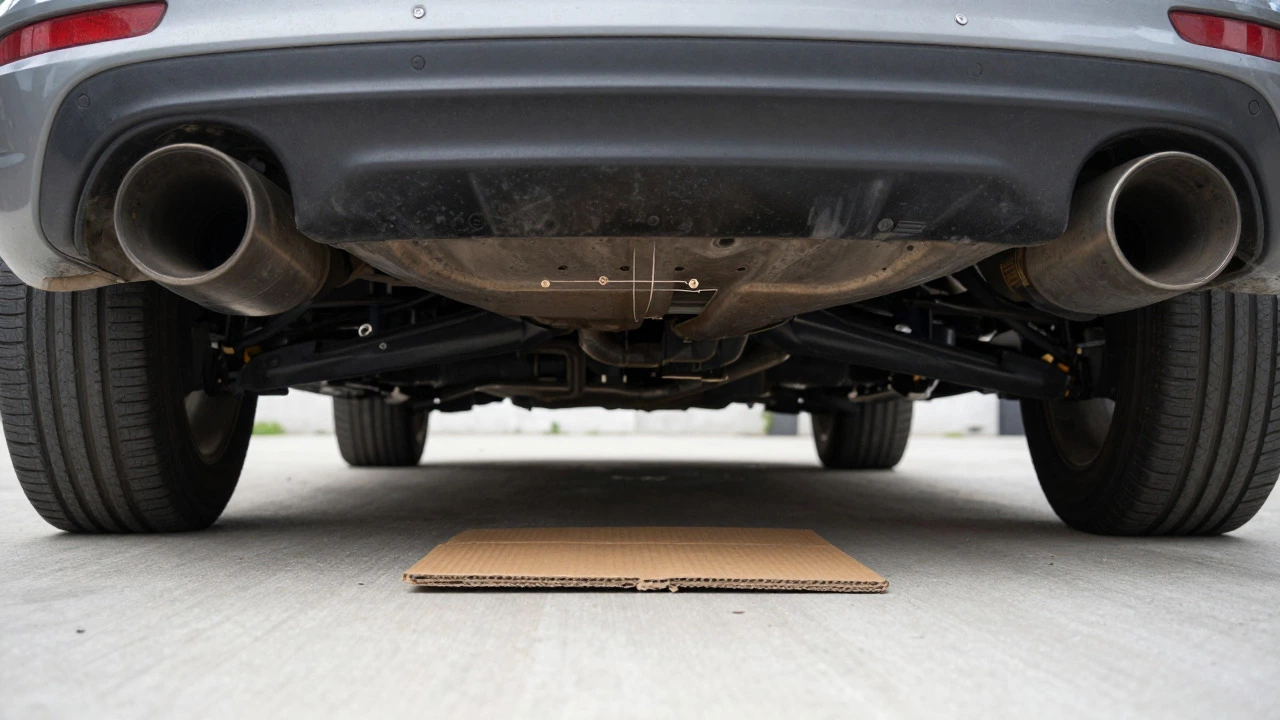
- Underbody Clearance: Crawl underneath. Can you easily slide a flat piece of cardboard under the chassis? If not, you’re too low for your area.
- Steering Lock: Turn the steering wheel all the way left and right. Do the tires touch the inner plastic liners? If yes, you need spacers or wider wheels, not just lower springs.
If the test looks good and the clearance is acceptable, proceed with confidence. If it looks tight, consider a 1.5-inch drop instead. Many manufacturers offer intermediate options that provide the aesthetic benefit without the practical headache.
FAQ
Will lowering my car 2 inches ruin my shocks?
Not necessarily. Factory shocks are designed to handle a range of travel. However, running them at maximum compression for years can dry out the internal oil faster. Replacing the shocks at the same time as installing lowering springs is often recommended to ensure optimal performance and longevity.
Can I lower a car with air suspension by 2 inches?
Yes, but it’s easier. Air suspension allows you to adjust height electronically. You can set it to 2 inches lower for shows and raise it for rough roads. This eliminates the permanent commitment of metal springs and offers the best of both worlds.
Does lowering a car improve fuel efficiency?
Slightly. A lower center of gravity and reduced frontal area can decrease aerodynamic drag. However, the effect is minimal unless you also upgrade to smaller, lighter wheels and lower-profile tires. Don’t expect a significant jump in kilometers per liter just from lowering.
What is the minimum ground clearance for a car in Australia?
There is no fixed legal minimum for passenger cars, but the vehicle must pass a roadworthiness check. Generally, if the car can clear a standard 75mm speed ramp without damaging the chassis, it is considered practical for urban driving. Off-road vehicles have different standards.
Are lowering springs cheaper than coilovers?
Yes. A set of quality lowering springs typically costs half or less than a set of coilovers. Coilovers offer adjustability and better damping control, making them a premium option for enthusiasts who want to tune their ride feel.