Leather Seat Installation Cost Estimator
Estimate your project cost in AUD. Select your options below to see a detailed breakdown.
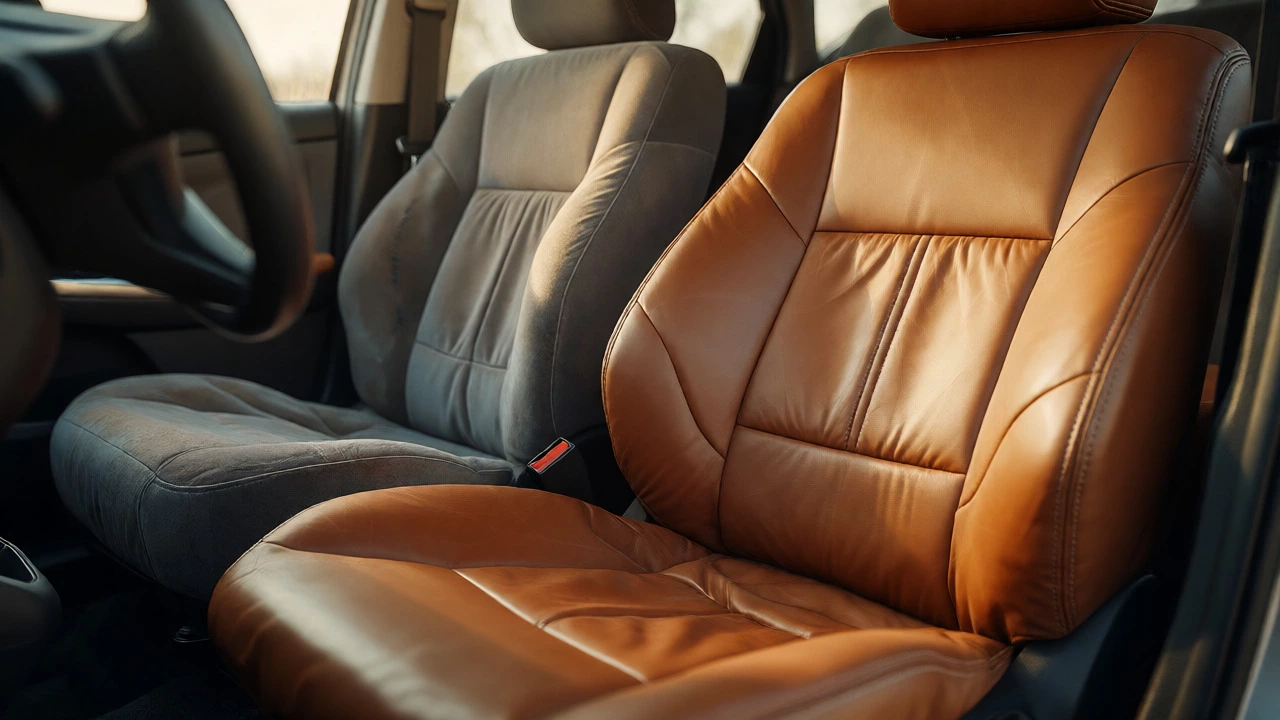
You’re driving around in a car that’s mechanically sound but looks like it survived the nineties. The fabric is stained, the foam is sagging, and honestly, you’re embarrassed to let your friends ride shotgun. You’ve seen those glossy photos on Instagram of interiors wrapped in rich, buttery leather, and you want that vibe without selling a kidney. But when you ask for a quote, the numbers make your eyes water. Why does one shop say $800 while another quotes $4,500 for the same job? It’s not just them trying to rip you off; there are real variables at play here.
Here’s the truth: putting leather seats in a car isn’t a single-price item. It depends entirely on whether you’re covering what’s already there, replacing the whole unit, or buying pre-made covers. As someone who has spent years tweaking cars in Brisbane, I’ve seen everything from cheap vinyl disasters to high-end Italian hide jobs that last decades. Let’s break down exactly where your money goes so you don’t get blindsided by the final invoice.
The Three Main Routes to Leather Seats
Before we talk dollars, we need to talk methods. Most people think "getting leather seats" means one thing, but there are three distinct paths, each with wildly different price tags and outcomes.
- Reupholstering: This is stripping the old fabric off your existing seat frames and wrapping new material over them. It keeps the original shape and comfort of your factory seats.
- Seat Covers: These are slip-on sleeves made of leather or synthetic leather. They go over your current seats. No tools required, no professional labor needed.
- Full Replacement: You buy brand-new seats (often from a donor car or aftermarket) that come upholstered in leather. You remove the old seats and bolt these in.
Most folks looking for a serious upgrade choose reupholstering because it retains the vehicle’s identity. Full replacement is great if your frame is broken or you want heated/cooled features your old seats lacked. Covers are for renters or those on a tight budget who just want to hide stains.
Breaking Down the Cost Components
When an upholsterer gives you a quote, they aren’t just guessing. They calculate four specific things: material, labor, removal/installation, and extras. If you understand this breakdown, you can spot where you can save and where cutting corners will hurt you later.
| Cost Component | Low End (Synthetic/Vinyl) | Mid Range (Real Leather/Mixed) | High End (Premium Hide) |
|---|---|---|---|
| Material per Seat | $150 - $300 | $400 - $800 | $1,000+ |
| Labor per Seat | $200 - $400 | $400 - $700 | $800 - $1,200 |
| Removal & Install | Included | $50 - $100 | $100 - $200 |
| Total Per Seat | $350 - $700 | $850 - $1,600 | $1,900+ |
| Front Pair Total | $700 - $1,400 | $1,700 - $3,200 | $3,800+ |
Notice how the labor cost often rivals the material cost? That’s because good upholstery is skilled craftsmanship. A bad stitch pattern or loose piping can ruin even the most expensive leather. In Australia, labor rates vary significantly between metro cities like Sydney or Melbourne versus regional areas, but expect to pay fair wages for skilled hands.
Material Matters: Real Leather vs. Synthetic
This is the biggest factor in your bill. When people say "leather," they might mean genuine cowhide, bonded leather, or polyurethane (PU). They are not created equal.
Genuine Leather comes from animal hides. It breathes, ages beautifully, and smells amazing. However, it requires maintenance. If you skip conditioning, it cracks. Within genuine leather, there are grades: Aniline (top tier, soft, shows scratches), Semi-Aniline (durable, common in luxury cars), and Corrected Grain (heavily processed, plastic-like feel).
Synthetic Leather (PU/Vinyl) is man-made. Modern PU is surprisingly close to real leather in look and feel. It’s easier to clean, cheaper, and vegan-friendly. But it doesn’t breathe as well, so your back gets sweaty in summer, which is a big deal if you live in humid climates like Queensland.
If you have kids or pets, synthetic might actually be the smarter financial choice. Real leather costs double, and a dog claw can leave a permanent mark. If you drive a classic car or want resale value, stick to real hide.
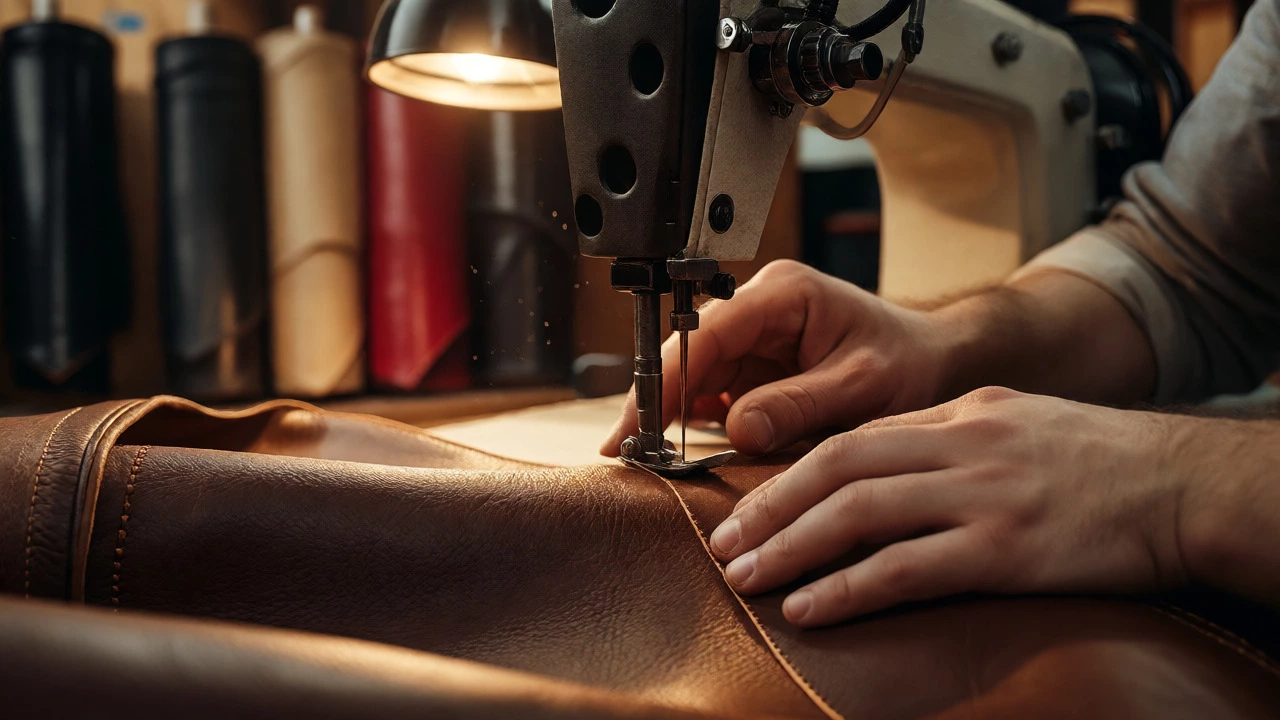
Why Your Car Model Changes the Price Tag
Not all seats are built the same. Try reupholstering a simple bench seat in an old Ford Falcon versus the complex, multi-adjustable bucket seats in a modern BMW X5. The difference in time is huge.
- Simple Bench Seats: Fewer seams, less curvature. Fast to do. Cheaper.
- Standard Bucket Seats: More panels, side bolsters. Moderate complexity.
- Complex Luxury Seats: Think Mercedes S-Class or Audi Q7. These have heating elements, cooling fans, massage motors, and intricate stitching patterns. Removing the electronics without breaking them takes skill. Labor costs skyrocket here.
If your seats have integrated airbags, tell your upholsterer immediately. Working around airbag modules requires care and sometimes certification. Mistakes here can disable safety systems, and nobody wants that liability.
Hidden Costs That Sneak Up on You
Your base quote for "two front seats" rarely includes everything. Here are the extras that add up fast:
- Headrests: Often quoted separately. Adding leather headrests adds $100-$300 per pair.
- Center Console: If your armrest is worn out, matching it to the new seats is essential for a cohesive look. This can add $200-$500.
- Door Cards: Leaving the door panels in faded fabric next to fresh black leather looks odd. Matching door cards adds $150-$400 per door.
- Steering Wheel: Wrapping the wheel in matching leather improves grip and aesthetics. Usually $150-$300.
- Repair Work: If your seat foam is crumbling or springs are poking through, that’s extra labor. Foam replacement can cost $100-$200 per seat.
Ask for an "all-inclusive" quote for the full interior refresh if you want consistency. Otherwise, you’ll end up with a Frankenstein interior-new seats, old doors, old console.
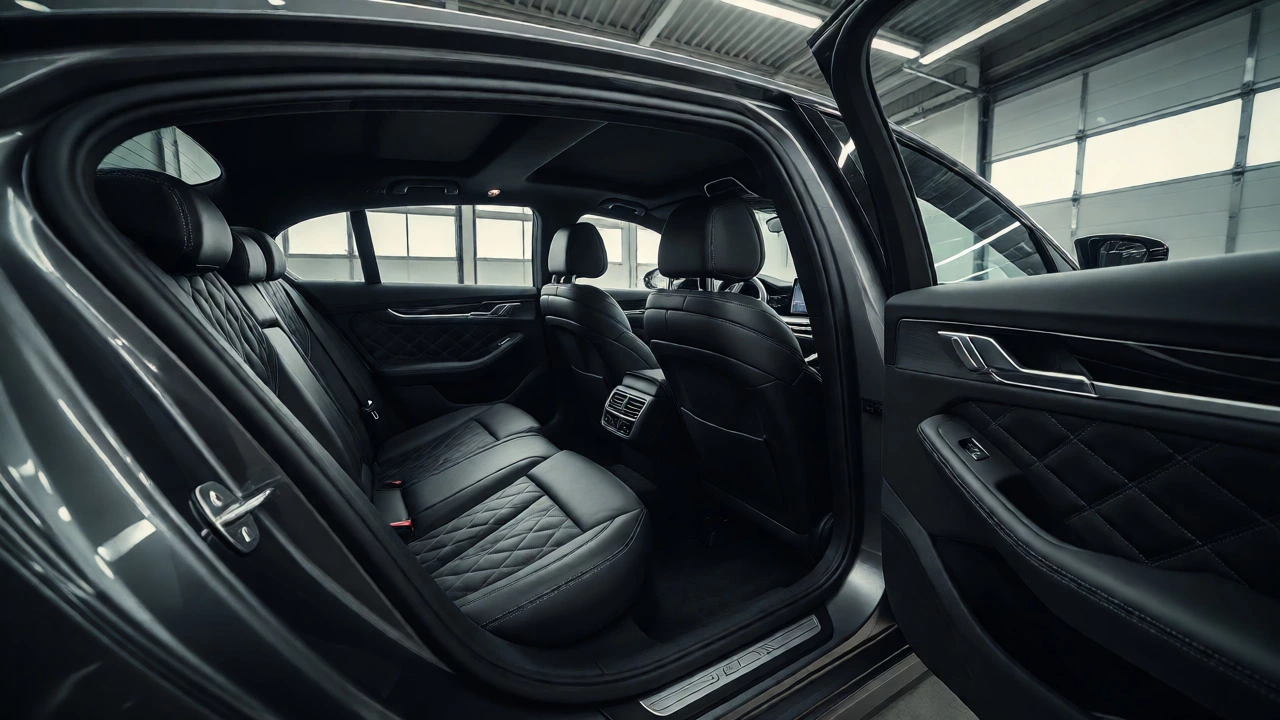
DIY vs. Professional: Is Saving Money Worth the Risk?
You can buy universal leather seat covers online for $150-$300 for a full set. Install them yourself in an hour. Done. But is it worth it?
Universal covers rarely fit perfectly. They bunch up, slide around, and obscure seat heaters. Custom-fit covers are better but still lack the tailored look of reupholstery. If you attempt DIY reupholstering, you need industrial sewing skills. Home sewing machines struggle with thick leather. One mistake means buying more material.
Professional work lasts 10+ years. Cheap DIY covers might tear in two. For daily drivers, I recommend paying for professional reupholstery. For weekend cruisers or show cars where budget is tight, high-quality custom-fit covers are a decent compromise.
How to Get an Accurate Quote
Don’t just call and ask "how much for leather?" Bring your car in, or send detailed photos. Include shots of the entire seat, close-ups of any damage, and the center console. Specify exactly what you want: color, type of leather, stitching style (contrast stitching costs extra), and perforation (holes for breathability).
Get at least three quotes. Compare them line-by-line. If one is significantly cheaper, ask why. Are they using thinner material? Skipping foam repair? Rushing the job? Good upholsterers take pride in their work and won’t rush. Be wary of anyone who guarantees a price before seeing the seats.
Final Thoughts on Value
Putting leather seats in your car is an investment in comfort and resale value. A well-executed interior can add thousands to the sale price of a used car, especially if the exterior is also in good shape. Just remember: quality leather needs care. Buy a bottle of conditioner ($20) and use it twice a year. Keep it out of direct sunlight when parked. Treat it right, and it’ll look good for a decade.
So, what’s the bottom line? Expect to pay $1,500 to $3,500 AUD for a professional reupholstery job on the front two seats using mid-range materials. Add $500-$1,000 for rear seats if needed. If you see quotes under $1,000 for real leather, be skeptical. If you see quotes over $5,000 for basic sedans, ensure they’re doing premium work. Know your budget, know your material, and don’t be afraid to negotiate.
Is it cheaper to replace seats or reupholster them?
It depends on the car. For older vehicles, reupholstering existing seats is usually cheaper than buying new OEM leather seats, which can cost $1,000+ per seat alone. However, for newer cars with complex electronic features, buying used leather seats from a salvage yard might be comparable in price to reupholstering, especially if you find a complete set. Always compare the cost of parts plus labor for replacement against the total cost of reupholstery.
Does adding leather seats increase resale value?
Yes, but only if done professionally. A poorly executed job with wrinkled leather or mismatched colors can lower value. High-quality, factory-look leather interiors appeal to buyers and can recoup 50-100% of the installation cost upon sale, particularly in the luxury segment. For economy cars, the ROI is lower unless the original interior was heavily damaged.
How long does leather seat installation take?
For a standard two-seat front row reupholstery, expect 3 to 5 days. This allows time for removing seats, stripping old material, cutting new leather, sewing, and fitting. Complex projects involving multiple rows, door cards, and consoles can take 1 to 2 weeks. Rush jobs are possible but may incur extra fees and potentially lower attention to detail.
Can I put leather seats in a car that didn't come with them?
Absolutely. Reupholstering works regardless of the original material. You can convert cloth, vinyl, or synthetic seats to leather. The key is ensuring the underlying foam and frame are in good condition. If the foam is degraded, it should be replaced during the process to ensure comfort and longevity.
What is the difference between Nappa and regular leather?
Nappa leather is a premium grade known for its softness and natural grain. It undergoes minimal processing, making it breathable and luxurious but more susceptible to scratches and stains. Regular corrected-grain leather is coated to hide imperfections, making it more durable and stain-resistant but feeling slightly more artificial. Nappa typically costs 20-50% more than standard leather due to sourcing and handling requirements.