
When you hear window tint darkness, the percentage of visible light that passes through tinted glass, measured as Visible Light Transmission or VLT. Also known as tint percentage, it’s not just about looking cool—it directly impacts how much you can see at night, how hot your car gets, and whether you’ll get pulled over. A 5% tint lets in almost no light—good for privacy, terrible for driving. A 70% tint? Nearly invisible, barely any heat block. The sweet spot? That’s where most people get confused.
Factory tint isn’t what you think. Most new cars come with tinted windows already, but it’s usually around 15-20% VLT on rear windows and barely tinted up front. That’s not the same as aftermarket film. Aftermarket tint can be as dark as 5% or as light as 80%, and the law doesn’t care how nice your car looks—it cares about VLT numbers. In the UK, front side windows must let in at least 70% light. Rear windows? No legal limit, but if you can’t see out, you’re risking your safety and your license. And no, a police officer doesn’t need a meter to guess if your tint’s too dark—they’ve seen it a thousand times.
Window tint darkness isn’t just a legal issue. It’s a practical one. Darker tint reduces glare from oncoming headlights, cuts UV rays that fade your seats, and keeps your cabin cooler when the sun’s beating down. But if it’s too dark, you’re trading comfort for danger. Driving in heavy rain or at dusk with 20% tint? You’re squinting. And if you get into an accident, emergency crews need to see inside your car fast. That’s why most pros recommend 35% for front windows—it’s a balance. Enough privacy to keep your stuff safe, enough light to drive safely after sunset.
And here’s the thing most shops won’t tell you: tint doesn’t last forever. Sunlight breaks down the dye. Cheap film turns purple. Bubbles form. And if you wash your car too soon after installation, you can ruin the adhesive. That’s why knowing how to care for your tint matters as much as picking the right darkness level. You don’t need the darkest tint on the block—you need the right tint for your driving habits, your climate, and your local laws.
Below, you’ll find real-world advice from people who’ve been through it: what works, what doesn’t, and what you should avoid. Whether you’re wondering if 35% tint is legal, how factory tint compares to aftermarket, or why some tints fade faster than others, you’ll find answers that actually help.
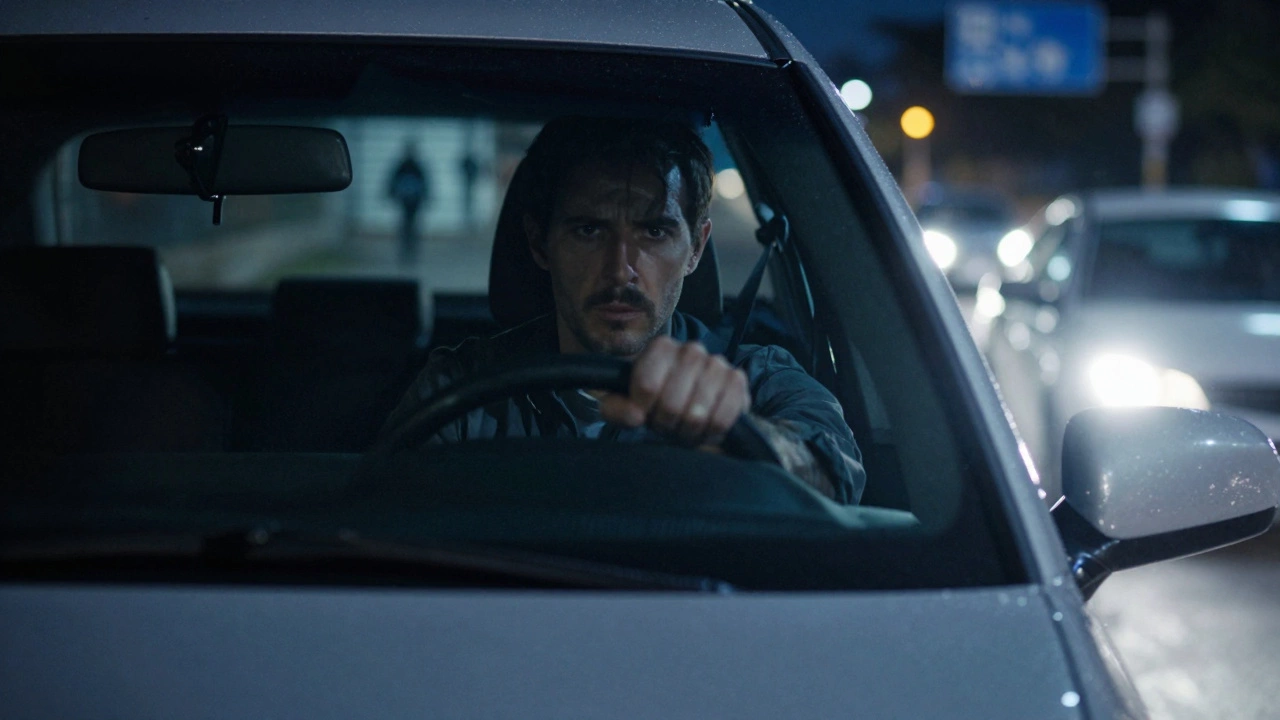
Is 15% window tint too dark for night driving? Learn why it's dangerous, illegal in most of Australia, and what percentage you should actually use for safe visibility after dark.
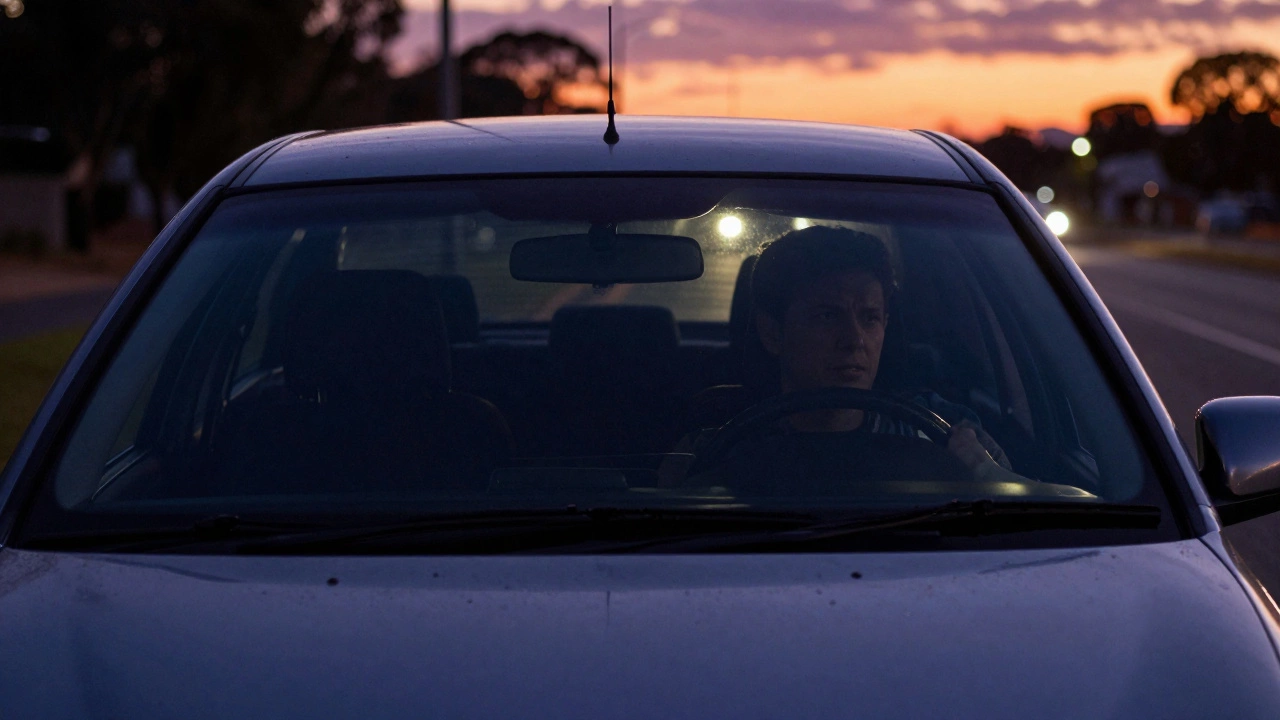
A 20% window tint blocks 80% of light, making it very dark. While it looks stylish, it's illegal on front windows in Australia and reduces night visibility. A 35% ceramic tint offers better safety, legality, and heat control.
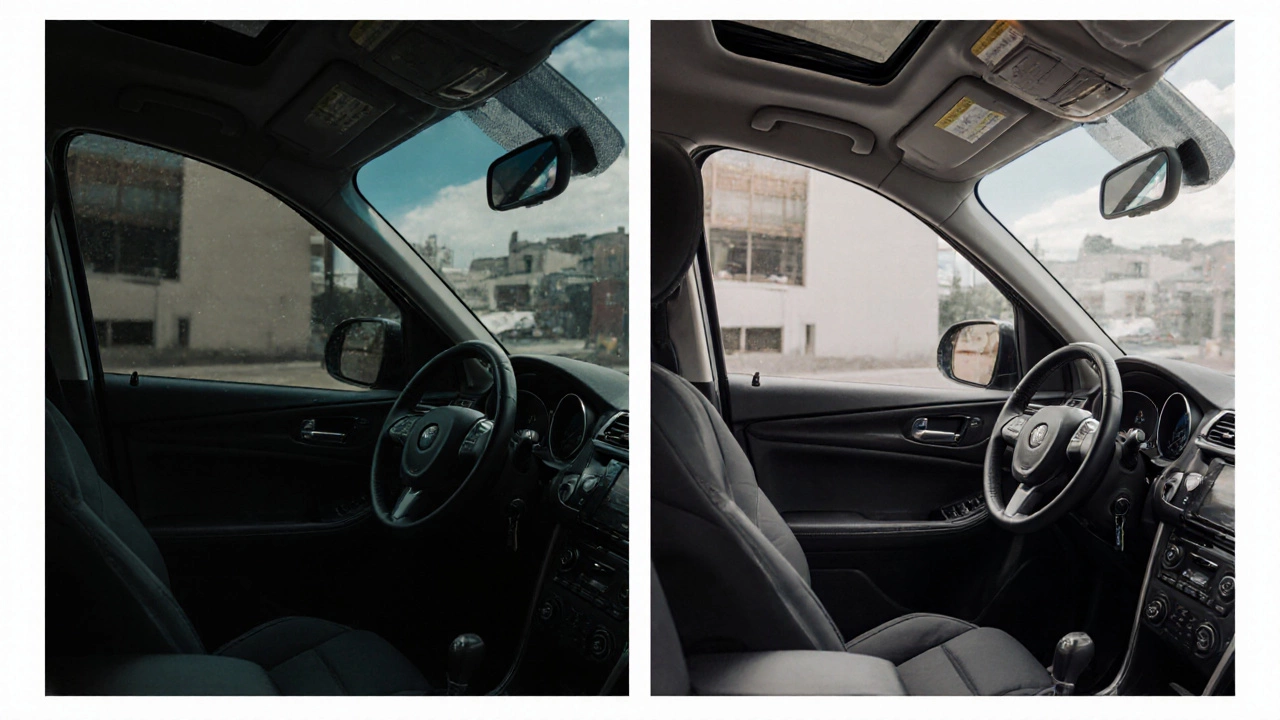
20% window tint is darker than 35%, blocking more light and heat-but it's not always legal or safe. Learn which percentage works best for your car, climate, and local laws.