
When you hear window tint percentage, the amount of visible light that passes through your car’s windows, measured as Visible Light Transmission (VLT). Also known as tint darkness, it’s not just about style—it’s about safety, heat, and the law. A 5% tint lets in almost no light—it’s nearly opaque. A 70% tint is barely noticeable. Most people don’t realize that a 35% tint is the sweet spot for many: enough privacy to keep prying eyes out, but still clear enough to see at night or in rain.
Window tint percentage isn’t a one-size-fits-all choice. Your car’s factory tint might already be around 20-30%, and adding more can push you over legal limits. In the UK, front side windows must allow at least 70% VLT, and the windshield must allow 75%. Rear windows are more flexible, which is why many people go darker back there. But here’s the catch: a shop might install a 20% tint and tell you it’s fine—until you get pulled over and fined. It’s not just about what you can see; it’s about what the police can see through your glass.
Heat and UV protection are tied directly to tint percentage. A 5% tint blocks way more heat than a 50% tint—but it also makes night driving risky. Meanwhile, a 70% tint barely helps with glare or fading dashboards. The real trade-off is between comfort, safety, and legality. That’s why so many drivers settle on 35% for the front and 20% for the back: it’s a practical middle ground that’s common in real-world installs.
And it’s not just about the film. How it’s applied matters. Cheap tint bubbles under the sun. Poor installation causes streaks and bubbles that ruin the look. Even the right percentage won’t help if it’s not done right. That’s why the posts below cover everything from how to wash your car after tinting, to why some tints fade faster than others, and what happens when you mix tint with factory glass. You’ll find real advice from people who’ve been there—no guesswork, no fluff.
Whether you’re wondering if 35% tint lets people see inside, or if darker tint is worth the risk, the answers are in the posts below. We’ve pulled together the most practical, no-nonsense guides on tint performance, legal limits, installation mistakes, and how to make your tint last. No marketing hype. Just what actually works.
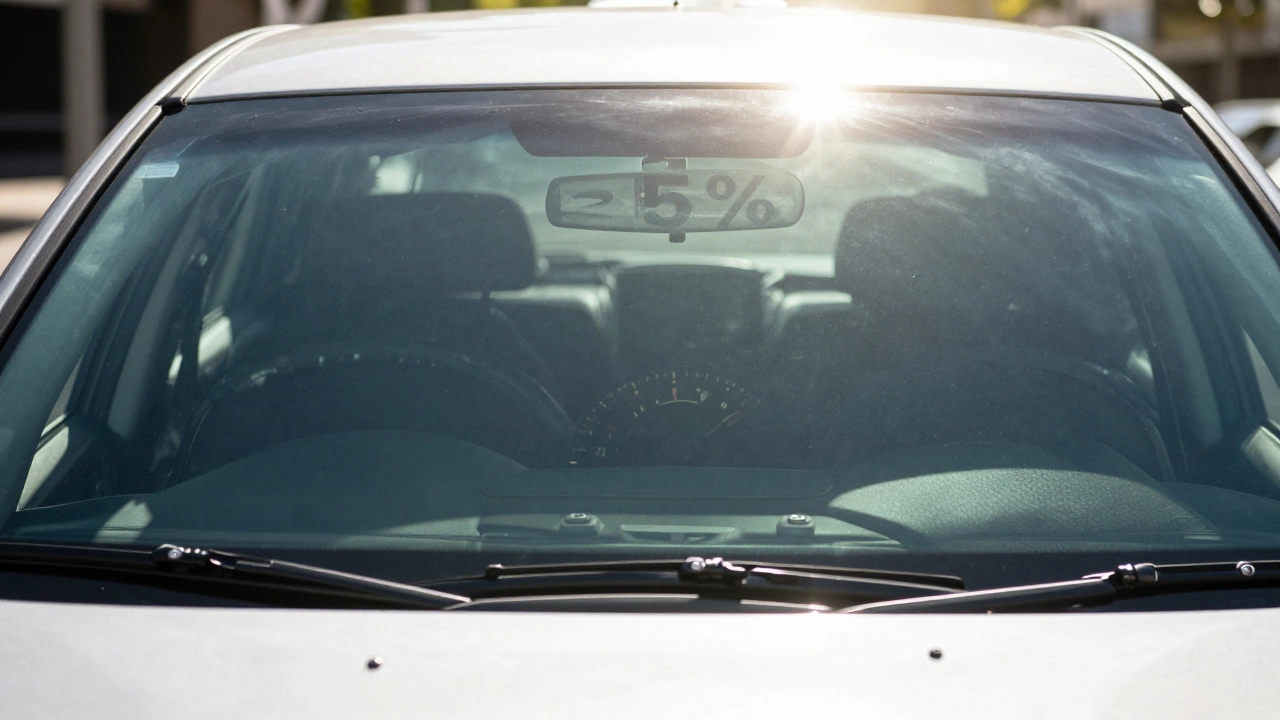
Choosing between 20% and 35% window tint? In Queensland, 35% is the legal limit for front windows and offers the best balance of heat reduction, visibility, and safety. Learn why 20% isn't worth the risk.
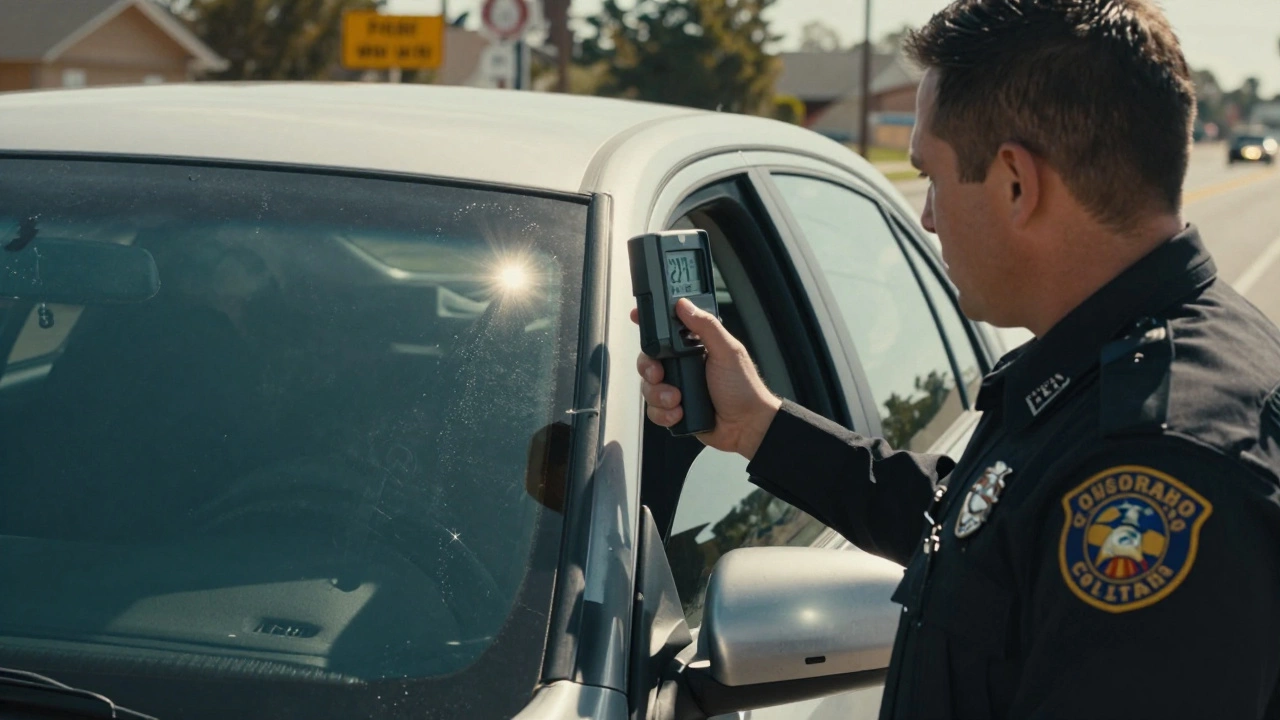
Is 5 percent tint legal in Colorado? No - front windows must be at least 27 percent VLT. Learn the rules, penalties, medical exemptions, and better alternatives for legal, safe tinting.
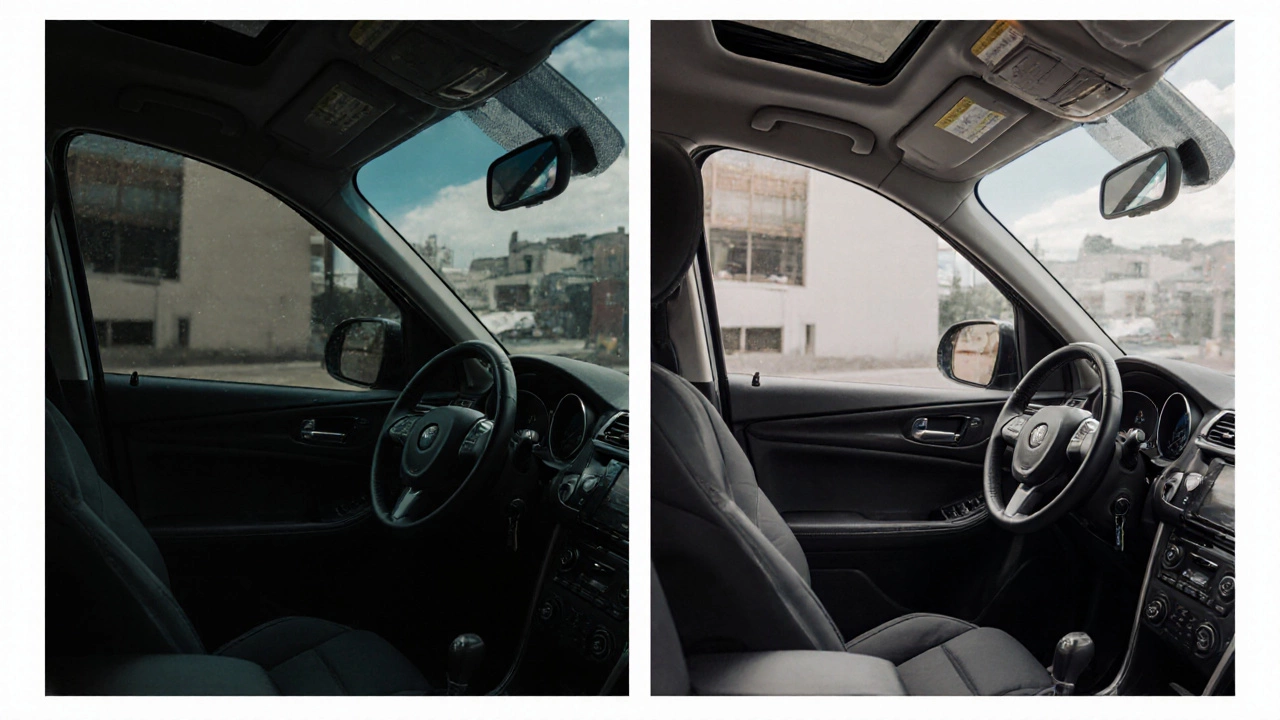
20% window tint is darker than 35%, blocking more light and heat-but it's not always legal or safe. Learn which percentage works best for your car, climate, and local laws.