Lowering Springs Cost Calculator
Compare Costs: Stock vs Lowered Suspension
Enter your annual mileage and estimated repair costs to see how much you'll save by keeping your stock suspension.
Cost Comparison
Stock Suspension
Total Mileage: km
Tire Replacements:
Suspension Repairs:
Total Cost:
Lowered Suspension
Total Mileage: km
Tire Replacements:
Suspension Repairs:
Total Cost:
Lowering springs might look cool - that sleek, hugging-the-road stance on a sports car or a modified sedan - but they come with real, measurable downsides that most people don’t think about until it’s too late. If you’re considering lowering springs just because they look good, you’re missing half the story. The truth is, every time you drop a car, you’re changing how it moves, how it handles, and how long its parts will last. And not always for the better.
It Ruins Your Ride Quality
Lowering springs are stiffer than stock ones. That’s how they work - they compress less under weight, which lowers the car. But stiffness doesn’t just reduce body roll; it also makes every bump in the road feel like a punch. You’ll feel potholes, expansion joints, and even cracked pavement through your seat. In Brisbane, where roads age fast and rain turns potholes into water traps, this isn’t just annoying - it’s exhausting. After a long drive, your back and shoulders will ache more than usual. You’re not just driving a car anymore; you’re riding a jackhammer.
And it’s not just discomfort. That stiffness transfers stress to other parts of the suspension. Control arms, bushings, and even ball joints start wearing out faster. One owner in Ipswich replaced his front ball joints twice in 18 months after installing lowering springs. His stock springs lasted 120,000 km. The lowered setup didn’t make it past 65,000 km.
You’ll Damage Your Suspension and Body
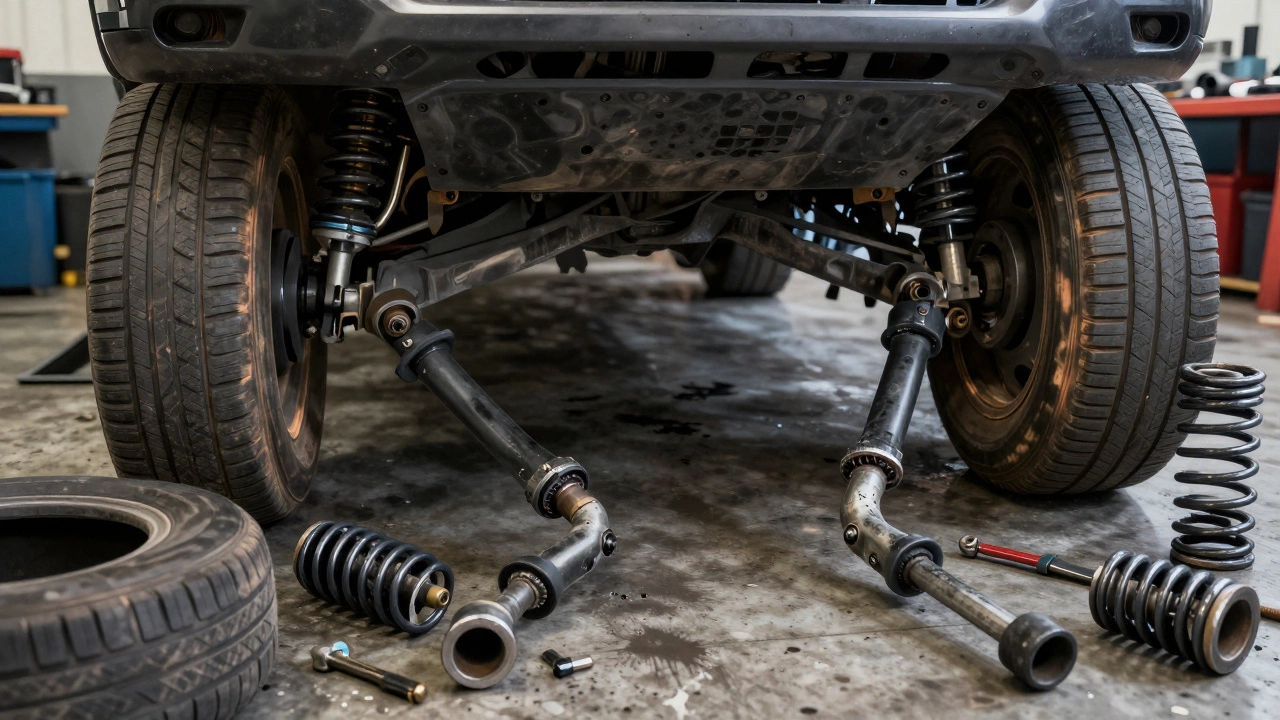
When you lower a car too much, the suspension doesn’t have enough travel left. That means when you hit a curb, go over a speed bump, or even just load the trunk with groceries, the suspension can bottom out. And when it does, it doesn’t just clang - it breaks. Struts, shock absorbers, and even the spring seats inside the wheel wells can crack or deform. I’ve seen cars with shredded rubber bump stops, bent control arms, and cracked subframes from repeated bottoming out.
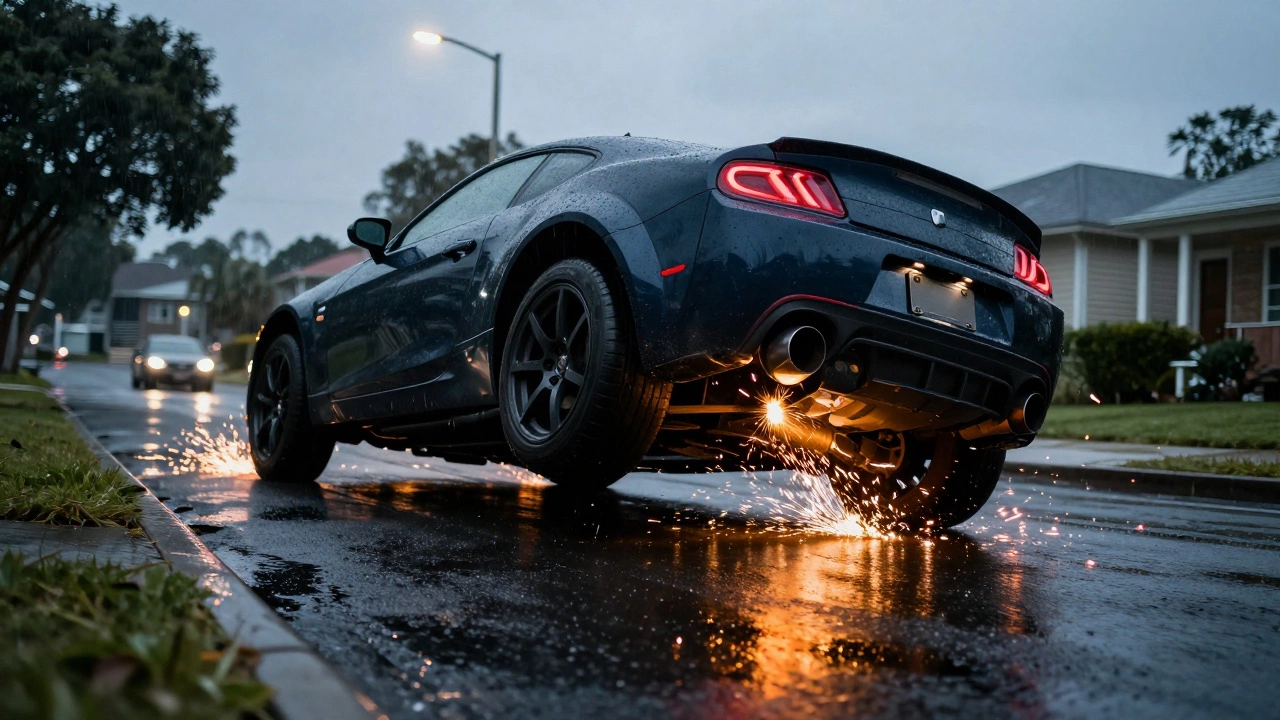
Then there’s the body. Lowered cars scrape. Constantly. On driveways, gas station ramps, even parking garage entrances. That’s not just cosmetic damage - it can tear off side skirts, scrape the underbody, and damage exhaust pipes or oil pans. A friend in Fortitude Valley had his exhaust pipe ripped off after scraping a curb. Repair cost: $1,800. His lowering springs cost $350.
It Kills Tire Wear
Lowering springs change the camber - the angle at which your tires touch the road. Most factory settings are designed for even tire wear over 100,000 km. But when you drop a car 30-50 mm, the top of the tire leans inward. That means the inside edge of the tire bears most of the load. Result? Your tires wear unevenly. You’ll get bald spots on the inside of the tread while the outside still looks new.
One guy in South Brisbane went through a set of premium tires every 18,000 km after lowering his Civic. His stock setup lasted 65,000 km. He was spending $1,200 every year on tires alone. That’s more than the cost of the springs, plus labor, plus alignment tweaks. And alignment won’t fix it if the camber is too extreme. Some shops refuse to align cars with extreme lowering because they know it’s impossible to get it right without aftermarket parts.
Handling Gets Worse - Not Better
Here’s the myth: lowering improves handling. It doesn’t - not unless you’re on a racetrack with perfect pavement. On real roads, lowering makes handling unpredictable. The reduced suspension travel means your tires lose contact with the road more easily. Hit a bump mid-corner? The tire skips, and so does your control. That’s not grip - that’s a surprise.
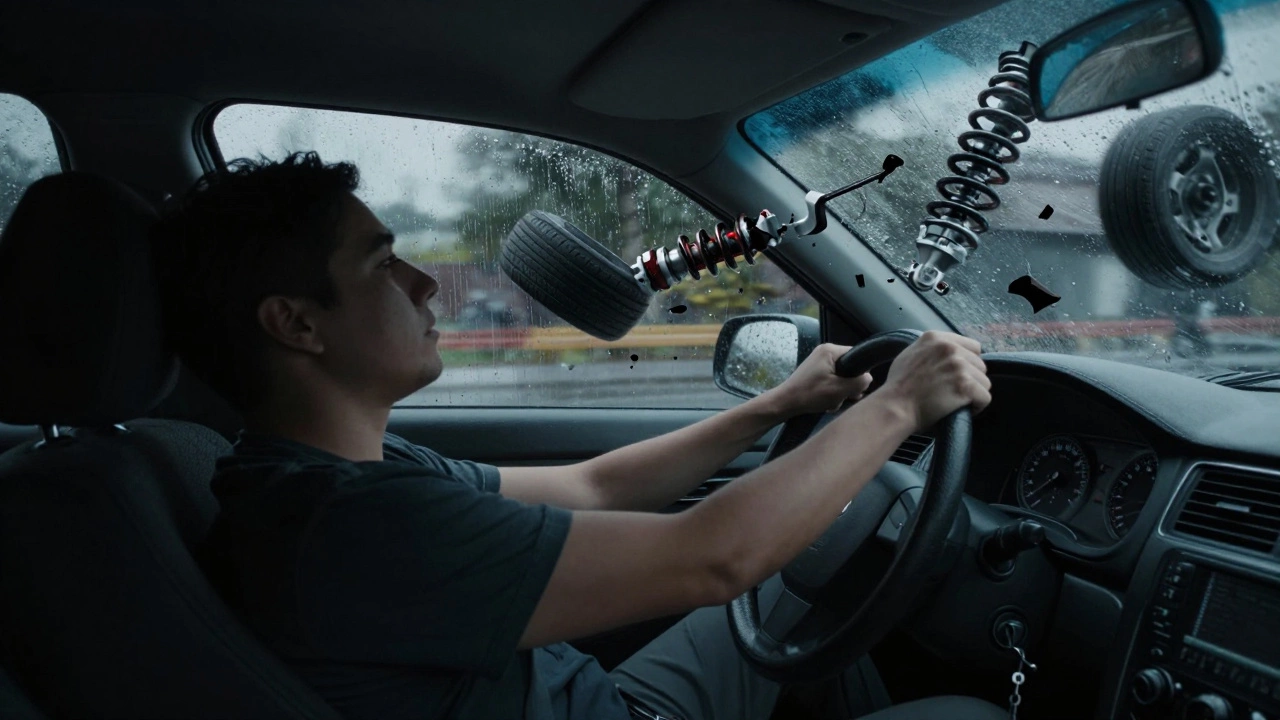
Also, lowering shifts the center of gravity, but not always in a helpful way. If the car is too low, the front end can tuck under on hard braking, causing the rear to lift. That leads to instability. I’ve seen two accidents in Brisbane caused by drivers who thought lowering springs would make their cars “stickier.” Both happened on wet roads after hitting a puddle at speed. The cars lost rear traction and spun out.
It Breaks Your Alignment
Factory suspension geometry isn’t designed for extreme drops. Lowering springs push the suspension beyond its designed range. Even if you get an alignment right after installation, it won’t stay that way. The angles shift as the suspension cycles - over bumps, during cornering, under load. The result? Uneven tire wear, poor steering response, and a car that pulls to one side.
Some people try to fix this with camber kits. But those cost $500-$1,200 extra. And if you’re already spending $400 on springs, $300 on labor, and $800 on tires every year, you’re not saving money - you’re throwing it away.
Insurance and Legal Risks
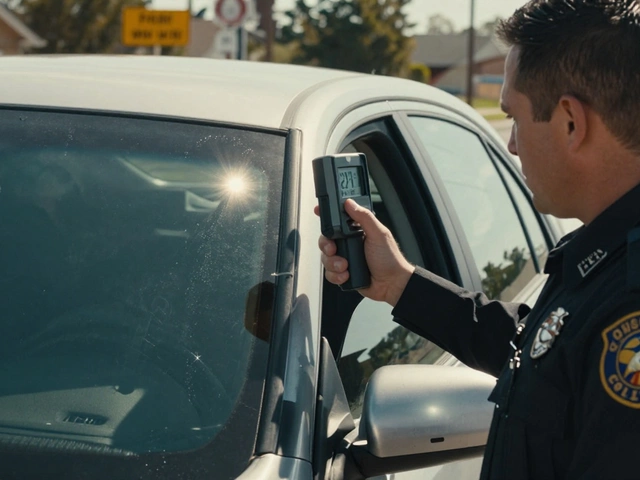
In Australia, modifying your suspension can void your insurance. If you’re in an accident and the insurer finds out you’ve lowered the car without proper certification, they can deny your claim. Some states require a suspension inspection after modifications. Queensland doesn’t have a formal rule yet, but police can still pull you over if your car looks too low - especially if it’s scraping or if your headlights are aimed at the wrong height.
And here’s the kicker: if your car is too low, it fails roadworthiness inspections. In NSW and Victoria, a car that scrapes on a standard ramp is automatically rejected. In Queensland, inspectors are starting to take notes. One mechanic in Logan City told me he turned away five lowered cars last month because they couldn’t pass the underbody clearance test.
What’s the Alternative?
If you want the look without the pain, consider air suspension. It lets you drop the car for shows or parking, then raise it for highway driving. It’s expensive upfront - $3,000-$5,000 - but it saves you money long-term on tires, suspension parts, and repairs. Or go with a mild drop: 15-25 mm. That’s enough to look sporty without wrecking your suspension.
Or better yet - keep the stock setup. Most modern cars are already tuned for great handling. The “race car” look isn’t worth the cost, the damage, or the hassle.
Do lowering springs improve handling?
Not on real roads. Lowering springs reduce suspension travel, which makes tires lose contact over bumps. This reduces grip and makes the car unstable in corners or during braking. On a racetrack with smooth pavement, they might help - but on public roads, they make handling worse.
Can lowering springs damage my car?
Yes. Lowering springs increase stress on shocks, struts, control arms, and ball joints. They also cause the car to bottom out more easily, which can crack subframes, bend suspension components, and damage exhaust systems or underbody panels. Tire wear also accelerates due to improper camber angles.
How much does it cost to fix damage from lowering springs?
It varies, but common repairs include: $800-$1,500 for ball joints and control arms, $600-$1,200 for new shocks or struts, $1,200+ for tire replacement every 18,000 km instead of 65,000 km, and up to $2,000 for exhaust or underbody damage. Many owners end up spending more on repairs than the car’s original value.
Will lowering springs void my warranty?
Yes. Most manufacturers void the suspension and drivetrain warranty if you modify the ride height. Even if the damage isn’t directly caused by the springs, dealers can deny claims if they find aftermarket parts. Some extended warranties also exclude modified vehicles entirely.
Is it legal to drive a lowered car in Australia?
It’s legal, but risky. There’s no national law banning lowered cars, but inspectors can reject a vehicle if it scrapes on standard ramps or if headlights are misaligned. Police can also pull you over if your car looks unsafe. In some states, like NSW and Victoria, clearance is strictly checked during inspections. In Queensland, enforcement is increasing.