Wheel Spacer Safety Checker
Enter your vehicle details and planned modifications below to assess the safety risks of installing 2-inch (50mm) wheel spacers.
Key Recommendations:
You’ve seen them on the forums, you’ve seen them on your mate’s Commodore, and maybe you’re eyeing a set for your own car. Two inches (50mm) is a serious chunk of metal to bolt between your hub and your wheel. It pushes your tires out wide, giving that aggressive, flush stance everyone loves in photos. But here is the nagging question: are 2 inch wheel spacers safe? The short answer is yes, but only if you treat them like critical suspension components rather than cheap plastic trim. If you buy the wrong type or install them poorly, you’re not just risking a wobble; you’re risking your life at highway speeds.
Let’s cut through the noise. Safety isn’t about whether spacers exist; it’s about how they interact with your specific vehicle’s engineering. At 50mm, you are significantly altering the leverage forces acting on your wheel bearings and ball joints. This article breaks down exactly when these thick spacers are safe, when they become dangerous, and what you absolutely must check before tightening those lug nuts.
The Physics of Pushing Your Wheels Out
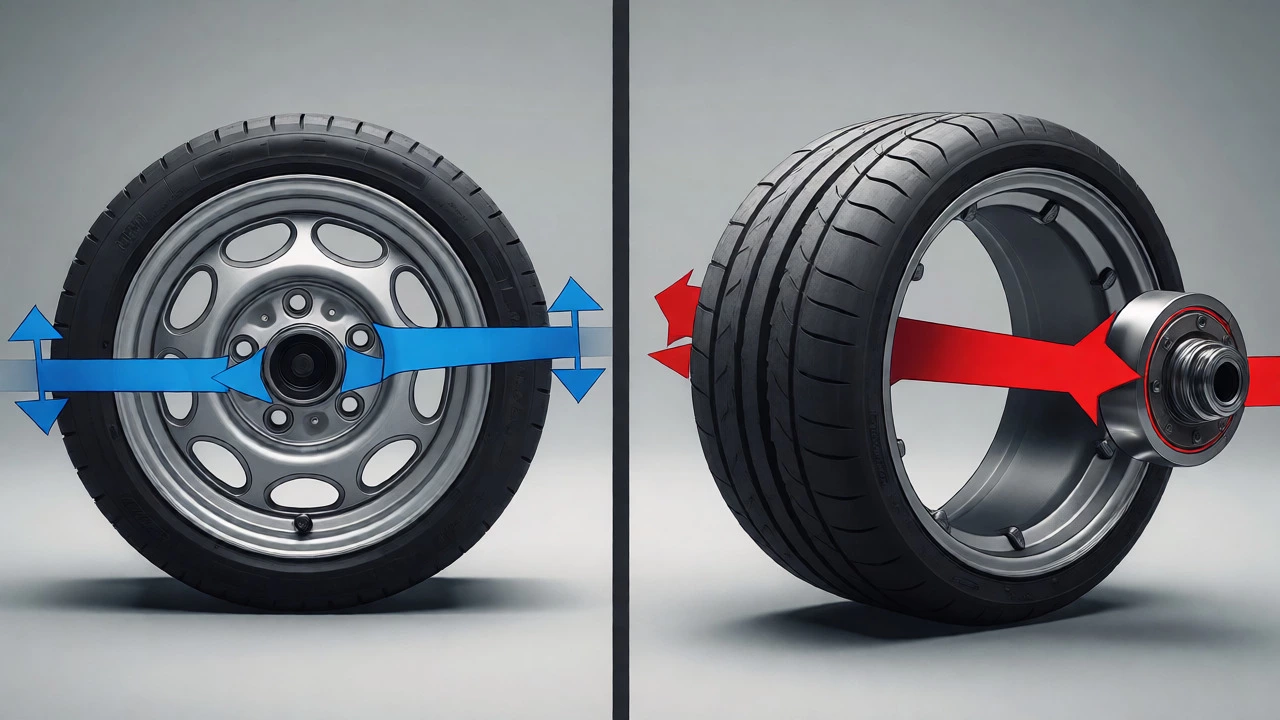
Think of your wheel hub as the pivot point of a seesaw. When the wheel sits directly against the hub, the weight of the car presses straight down into the bearing assembly. It’s efficient and low-stress. Now, imagine adding a 2-inch spacer. You’ve just extended the lever arm. Every bump, every cornering force, and every bit of road vibration now has more distance to create torque against your wheel bearings.
This increased leverage accelerates wear. In stock conditions, wheel bearings might last 150,000 kilometers. With 50mm spacers, that lifespan can drop by 30-40% if you’re driving aggressively. However, this doesn’t mean immediate failure. Modern bearings are robust. The real danger isn’t gradual wear; it’s sudden failure due to improper installation or poor quality hardware. At 2 inches, you are moving from "cosmetic tweak" territory into "structural modification" territory. Treat it with respect.
Hub-Centric vs. Lug-Centric: The Non-Negotiable Choice
If you take away one thing from this guide, let it be this: never use lug-centric spacers at 50mm thickness. Ever. There are two main types of spacers, and their safety profiles are worlds apart.
| Feature | Hub-Centric Spacer | Lug-Centric Spacer |
|---|---|---|
| Centering Mechanism | Uses a raised lip (pilot ring) that fits into the wheel center bore. | Relies entirely on the conical seat of the lug nuts/bolts. |
| Vibration Risk | Very Low. The hub bears the load, not the bolts. | High. Any slight misalignment causes runout and shaking. |
| Safety at 50mm | Safe if machined correctly. | Unsafe. High risk of shearing bolts. |
| Installation Complexity | Moderate. Requires precise machining tolerances. | Easy, but forgiving only at thin thicknesses (<10mm). |
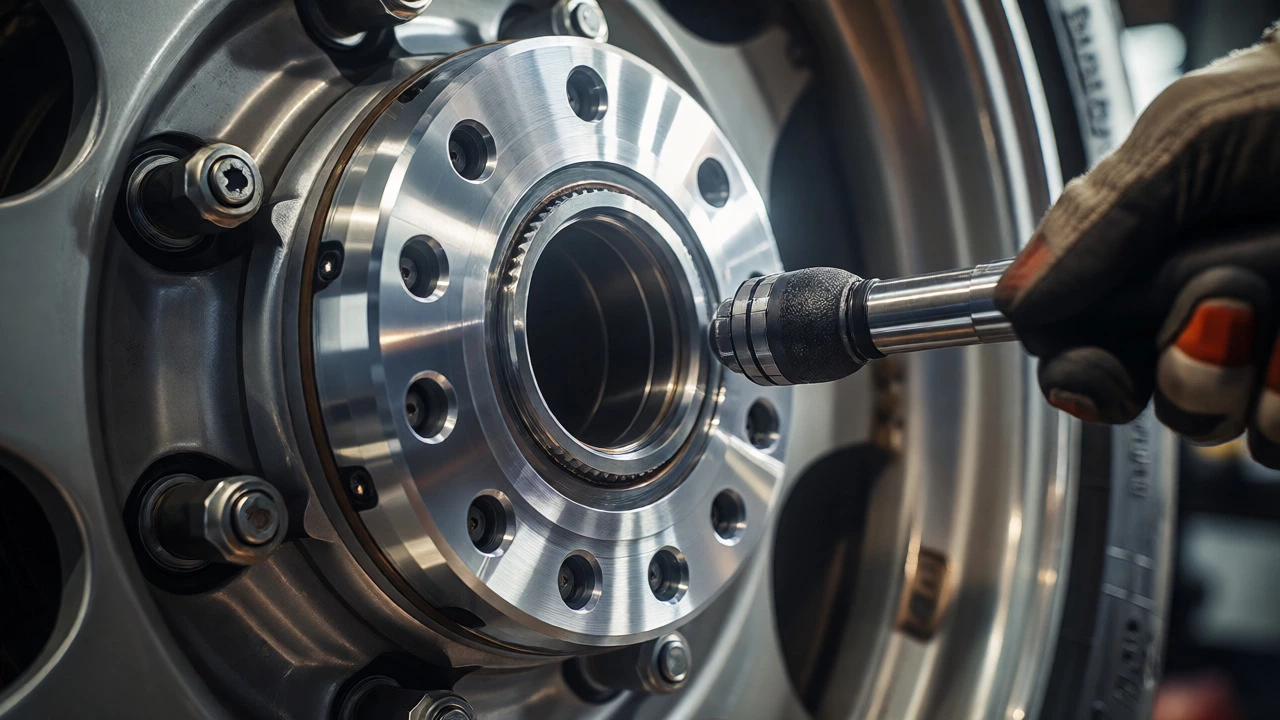
A hub-centric spacer features a protruding pilot ring that matches your vehicle’s hub diameter exactly. This ensures the wheel is perfectly centered on the axle, regardless of how tight you crank the bolts. The lug nuts simply clamp the wheel to the spacer; they don’t hold the wheel in place laterally. For a 2-inch spacer, this precision is vital because any microscopic imbalance gets amplified by the extra mass and distance.
Conversely, a lug-centric spacer relies on the taper of the lug nuts to center the wheel. At 10mm, this might work fine. At 50mm, the margin for error disappears. If the spacer isn’t machined to within 0.01mm tolerance, the wheel will wobble. That wobble destroys bearings and can shear off studs under heavy braking.
Legal Compliance and Roadworthiness in Australia
Living in Brisbane, you know the police aren’t looking for minor aesthetic tweaks, but they do care about safety modifications. In most Australian states, including Queensland, modifying track width via spacers is generally legal provided the wheels remain within the fender line or covered by flares, and the suspension geometry remains functional.
However, "legal" doesn’t always mean "roadworthy." During inspection, an inspector looks for proper clearance. At 2 inches, you risk rubbing against the inner strut or the outer fender liner during full lock or compression. If your tire rubs, it’s not just annoying; it’s a fail. More importantly, ensure your spacers are made from aircraft-grade aluminum (like 6061-T6) or steel. Cheap cast aluminum spacers can crack under stress. Always keep receipts and packaging. If you’re leasing or selling the car soon, document that the spacers were installed by a professional.

Impact on Handling and Suspension Wear
Does pushing the wheels out make the car better or worse? It depends on what you want. Widening the track increases stability during high-speed lane changes and reduces body roll. It lowers the center of gravity relative to the contact patch, making the car feel planted. This is why rally cars and track builds often use spacers.
But there’s a trade-off. Steering effort increases. You’ll notice the wheel feels heavier, especially in parking lots. Turn-in response becomes sharper, which can feel twitchy if you’re used to a soft setup. Additionally, scrub radius changes. If your car uses MacPherson struts (common in many hatchbacks and sedans), widening the track alters the angle at which the tire meets the road during steering. This can lead to uneven tire wear on the inner edges if you don’t get a fresh alignment afterward.
You must get a four-wheel alignment after installing 2-inch spacers. Do not skip this. The geometry has changed, and your toe and camber settings need adjustment to compensate for the new pivot points. Driving without an alignment on thick spacers will eat through a set of tires in 5,000km.
Installation Pitfalls That Kill Safety
Most spacer failures aren’t due to the spacer itself, but human error during installation. Here is the checklist for a safe 50mm install:
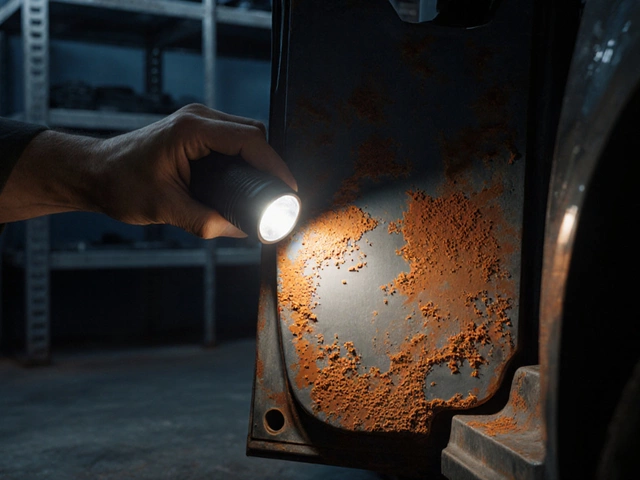
- Clean Everything: Rust or dirt between the hub and spacer prevents proper seating. Even 0.1mm of debris creates a gap, leading to warping and vibration.
- Check Stud Length: Standard studs are often too short for 2-inch spacers. You may need longer studs or double-nutting techniques. If using extension studs, ensure they are rated for the load.
- Torque Sequence: Tighten lug nuts in a star pattern. Do not go round in a circle. Use a calibrated torque wrench, not an impact gun, for the final pass.
- Retorque After 100km: Aluminum expands and settles differently than steel. Go back and re-torque the nuts after the first 100km of driving. This step saves lives.
Also, verify the thread pitch. Most modern cars use M12x1.5 or M14x1.5 threads. Mixing up metric and imperial sizes (rare but possible in older imports) can strip threads instantly. Measure twice, cut once, torque carefully.
When Are They Not Safe?
There are scenarios where 2-inch spacers are a bad idea, regardless of quality. If your wheel bearings are already worn or noisy, spacers will accelerate the failure. Don’t put new spacers on tired bearings. Replace the bearings first.
Similarly, if your suspension is heavily modified with extreme lift kits or lowered springs that reduce travel, adding width might cause binding. Check for clearance at full articulation. On some SUVs, 50mm might push the tire past the bumper mount, causing damage during off-road flex.
Finally, avoid spacers on vehicles with very light-duty hubs, such as some compact kei cars or older economy models not designed for wider tracks. The hub flange itself can bend over time under the extra leverage. If your car weighs less than 1,200kg and has small-diameter hubs, consider sticking to 20mm or 30mm spacers instead.
Final Verdict: Proceed with Caution
Are 2-inch wheel spacers safe? Yes, if you buy hub-centric, high-quality units from a reputable brand, install them on clean hubs with proper torque specs, and follow up with an alignment. They transform the look and stability of a car when done right. But they are unforgiving of laziness. Cut corners on installation, and you pay with vibrations, worn parts, or worse.
If you’re unsure about your mechanical skills, have a shop install them. It’s a quick job for a pro, and they’ll spot clearance issues you might miss. Drive safe, check your torques, and enjoy that aggressive stance.
Do 2 inch wheel spacers void my warranty?
Potentially. While the Magnuson-Moss Warranty Act (in the US) and similar consumer laws in Australia protect owners, dealers can deny claims related to suspension or steering if they prove the spacers caused the damage. If your wheel bearing fails, they might argue the spacers accelerated wear. Keep records of professional installation and use high-quality parts to strengthen your case.
Can I drive fast with 2 inch spacers?
Yes, provided they are hub-centric and properly torqued. Many performance drivers use 50mm spacers on track days. However, always retorque after the first few hundred kilometers. If you hear clicking or feel vibration at speed, stop immediately and inspect the hardware.
Will 2 inch spacers make my car harder to steer?
Slightly, yes. Widening the track increases the scrub radius, which requires more force to turn the wheel, especially at low speeds. Power steering systems usually compensate for this, but you might notice a heavier feel in parking maneuvers compared to stock.
How long do wheel spacers last?
The spacer itself lasts indefinitely if it’s not cracked or corroded. However, the associated components-wheel bearings, tie rods, and CV joints-may wear faster due to increased leverage. Expect to replace wheel bearings sooner than stock intervals, potentially around 80,000-100,000km depending on driving style.
What is the maximum safe spacer size?
There is no universal number, but a general rule of thumb is not to exceed 20-25% of the wheel offset. For most passenger cars, 50mm (2 inches) is considered the practical upper limit before requiring custom studs or extensive suspension modifications. Beyond this, you enter the realm of custom fabrication.