Alloy vs Steel Wheel Decision Tool
Answer these four questions to find out which wheel material fits your needs best.
Select options above to see your result
...
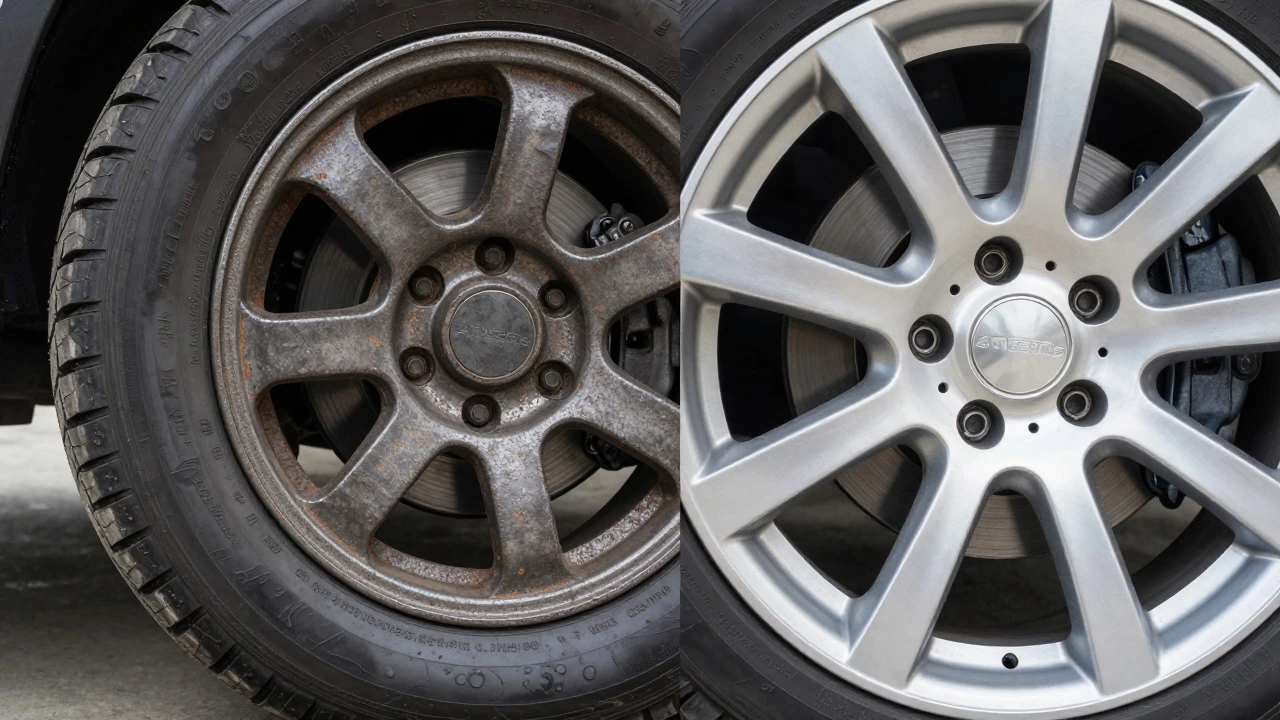
There is a common misconception that alloy wheels are always superior to steel rims. While alloys look sharper and handle better in many scenarios, the "better" choice depends entirely on your driving habits, budget, and vehicle type. If you drive a daily commuter in an urban area, a set of quality steel rims might serve you just as well as expensive alloys, provided you keep them covered with hubcaps. However, if you track your car or prioritize heat dissipation during long highway drives, the material difference becomes critical.
The debate isn't just about aesthetics; it's about physics, cost, and maintenance. Let's break down exactly where each material wins so you can make a decision that fits your specific needs rather than just following trends.
Understanding the Material Difference
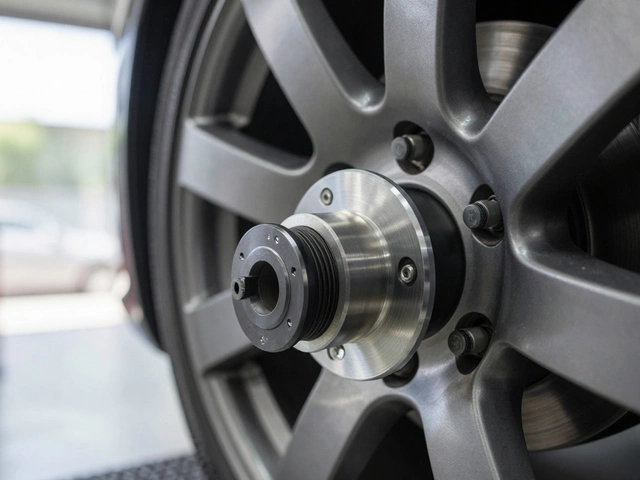
To understand why one might be better than the other, we need to look at what they are made of. Steel rims are typically constructed from high-strength carbon steel. They are simple, robust, and have been the standard for decades. Alloy wheels, on the other hand, are usually cast or forged from aluminum alloy. This composition gives them distinct properties that directly impact how your car feels and performs.
The primary technical distinction lies in weight and thermal conductivity. Aluminum is significantly lighter than steel. For every kilogram of unsprung weight you remove from the wheel assembly, your suspension components work less hard. This translates to quicker steering response and slightly improved fuel efficiency. Conversely, steel conducts heat differently, which can affect brake cooling in extreme conditions, though this is rarely a concern for average drivers.
Performance and Handling
If you care about how your car handles corners, alloy wheels generally offer an advantage. Because they are lighter, they reduce unsprung mass. Unsprung mass refers to the parts of the car not supported by the suspension springs, including the wheels, tires, and brakes. When this weight is lower, the tires maintain better contact with the road surface over bumps and potholes. This results in a more planted feel and improved grip.
However, this advantage has limits. For a standard family sedan driven at moderate speeds, the difference in handling between a heavy steel rim and a light alloy wheel is often negligible. You likely won't notice a significant change in braking distance or cornering speed unless you are pushing the vehicle to its limits. The real performance jump comes when you combine lightweight alloys with high-performance tires and upgraded suspension, creating a synergistic effect that neither component achieves alone.

Durability and Corrosion Resistance
This is where the conversation gets tricky. Many people assume alloys last longer because they don't rust. That is only half the truth. Steel rims are prone to rust if the paint chips, but modern coatings are quite effective. Alloys do not rust, but they suffer from corrosion in a different way: pitting. Road salt, brake dust, and acidic bird droppings can eat into the aluminum surface, creating small pits that are difficult to repair once formed.
In terms of structural integrity, steel is actually stronger under impact. If you hit a large pothole at speed, a steel rim is more likely to bend out of shape than to crack. A bent steel rim can often be straightened by a wheel specialist. An alloy wheel, particularly if it is cast rather than forged, is more brittle and may crack upon severe impact. A cracked alloy wheel usually requires replacement, which is a much higher cost than repairing a bent steel rim.
| Feature | Alloy Wheels | Steel Rims |
|---|---|---|
| Weight | Lighter (approx. 30-40% less) | Heavier |
| Corrosion Type | Pitting/Chemical Etching | Rust/Oxidation |
| Impact Resistance | Prone to Cracking | Prone to Bending |
| Repairability | Limited (often replace) | High (can be straightened) |
| Heat Dissipation | Excellent | Moderate |
| Aesthetics | Wide variety of designs | Basic, usually covered |
Cost Analysis: Upfront vs Long-Term
Let's talk money. A set of aftermarket alloy wheels can range from $800 to over $3,000 depending on the brand, size, and finish. Add in new tires and installation, and the initial investment is substantial. Steel rims, especially if you buy used OEM replacements, can cost as little as $100 to $300 per set. Even new steel rims are significantly cheaper.
However, you must consider the total cost of ownership. Alloys require careful cleaning to prevent pitting. Using harsh chemicals can damage the clear coat, leading to expensive refinishing jobs. Steel rims are easier to clean and less sensitive to chemical cleaners. On the flip side, if you live in an area with poor road infrastructure, the risk of cracking an alloy wheel increases your potential insurance claims or replacement costs. For a budget-conscious driver, steel rims offer a safer financial bet against accidental damage.
Aesthetics and Customization
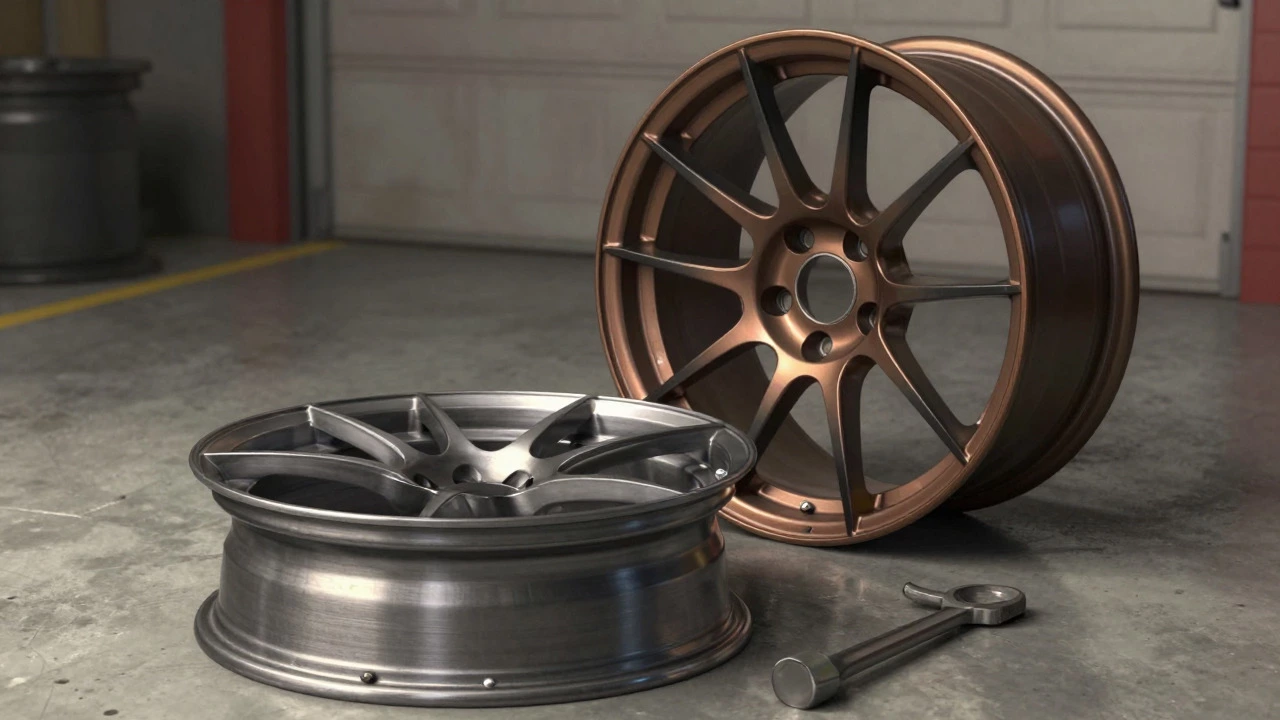
We cannot ignore the visual aspect. Most car owners upgrade to alloy wheels primarily for the look. Steel rims have a utilitarian appearance that few find appealing without coverings. Hubcaps can hide this, but they add another layer of maintenance and can fall off. Alloy wheels come in countless finishes: machined faces, painted accents, blacked-out, bronze, and more. This allows for a high degree of personalization that matches your car's color and style.
If you plan to sell your car in the future, alloy wheels can increase resale value, particularly for sporty or premium models. Buyers often perceive alloys as a sign of better maintenance and higher spec. For classic cars or work trucks, however, steel rims might be preferred for their period-correct look or rugged simplicity.
Which Should You Choose?
So, is alloy better than rim? The answer is situational. Here is a quick guide to help you decide:
- Choose Alloy Wheels if: You drive a sports car, luxury sedan, or SUV where aesthetics matter. You enjoy spirited driving and want improved handling. You have the budget for potential repairs or replacements due to road hazards. You live in an area with good roads and low salting levels.
- Choose Steel Rims if: You drive a work truck, van, or older economy car. You frequently drive on rough, unpaved, or poorly maintained roads. You are on a tight budget and want to minimize upfront costs. You prefer low-maintenance components that are easy to repair if damaged.
Many enthusiasts adopt a two-set strategy. They use lightweight alloy wheels for summer and spirited driving, switching to durable steel rims with all-season or winter tires for colder months and rougher conditions. This approach maximizes performance when it counts while protecting your investment during harsh weather. It requires storing two sets of wheels, which takes up garage space, but offers the best of both worlds.
Ultimately, there is no single "better" option. There is only the right option for your specific use case. Evaluate your driving environment, your vehicle's purpose, and your budget. If you prioritize looks and handling, go with alloys. If you prioritize durability and cost-efficiency, stick with steel. Both materials have served the automotive industry for decades for good reason.
Do alloy wheels wear out faster than steel rims?
Not necessarily. Alloy wheels do not rust, but they can pit from chemical exposure. Steel rims rust if the paint is damaged. In normal driving conditions, both last many years. The main difference is that alloys are more brittle and may crack on severe impacts, whereas steel bends. Therefore, "wear" depends more on impact frequency and chemical maintenance than time alone.
Are alloy wheels worth the extra cost?
For most drivers, yes, if you value aesthetics and slight performance gains. The cost is spread over several years. If you plan to keep the car for 5+ years, the annualized cost is manageable. However, if you are on a very tight budget or drive on rough roads, the risk of cracking may make the extra cost not worth it compared to cheap, replaceable steel rims.
Can I put alloy wheels on any car?
Generally, yes, but you must match the bolt pattern, center bore, and offset. Installing the wrong size or offset can cause clearance issues with fenders or suspension components. Always check your vehicle's specifications or consult a professional installer before purchasing aftermarket wheels to ensure proper fitment.
Which material dissipates brake heat better?
Aluminum alloys conduct heat better than steel. This helps cool the brakes during prolonged downhill driving or repeated hard stops. For street cars, this difference is minimal, but for track days or mountain driving, the superior heat dissipation of alloy wheels can prevent brake fade, making them a functional advantage in those specific scenarios.
How do I maintain alloy wheels to prevent pitting?
Wash your wheels regularly using a pH-neutral wheel cleaner. Avoid acidic cleaners unless specified for iron removal, and rinse thoroughly. Dry the wheels after washing to prevent water spots. Inspect for chips or scratches and touch them up with paint pen immediately to prevent corrosion starting points. Applying a ceramic coating can also provide a protective barrier against contaminants.