Wheel Spacer Safety & Risk Calculator
Configuration Settings
Safety Analysis Result
Moderate Risk
Proceed with caution. Ensure high-quality hardware.
Lug Stud Shear Stress
Increased leverage puts significant strain on studs.
Bearing Lifespan
Radial load increased. Expect faster wear.
Required Action Items
- Verify extended stud length (min 7-10 threads exposed).
- Clean hub surface thoroughly before installation.
Adding width to your stance is one of the most popular modifications for trucks, SUVs, and even sedans. It looks aggressive, fills the wheel wells, and can improve handling geometry in some cases. But when you start talking about wheel spacers, especially larger ones like 2-inch units, the conversation shifts from aesthetics to physics. Are they bad for your car? The short answer is: it depends entirely on how you install them and what hardware you use. A poorly installed spacer is a disaster waiting to happen. A high-quality, properly torqued setup can be safe for daily driving.
You might be scrolling through forums or checking out other local listings while planning your build; for instance, some people browse directories like this resource for various services, but when it comes to mechanical integrity, you need hard facts, not vague opinions. Let’s break down exactly what happens when you push your wheels out by two inches.
What Exactly Is a 2-Inch Spacer?
A wheel spacer is a metal disc that sits between your vehicle's hub and the wheel. It pushes the wheel outward, increasing the track width. A 2-inch spacer adds 50.8 millimeters of distance. That sounds small until you consider leverage. By moving the tire further out, you are increasing the unsprung weight and the moment arm acting on your suspension components.
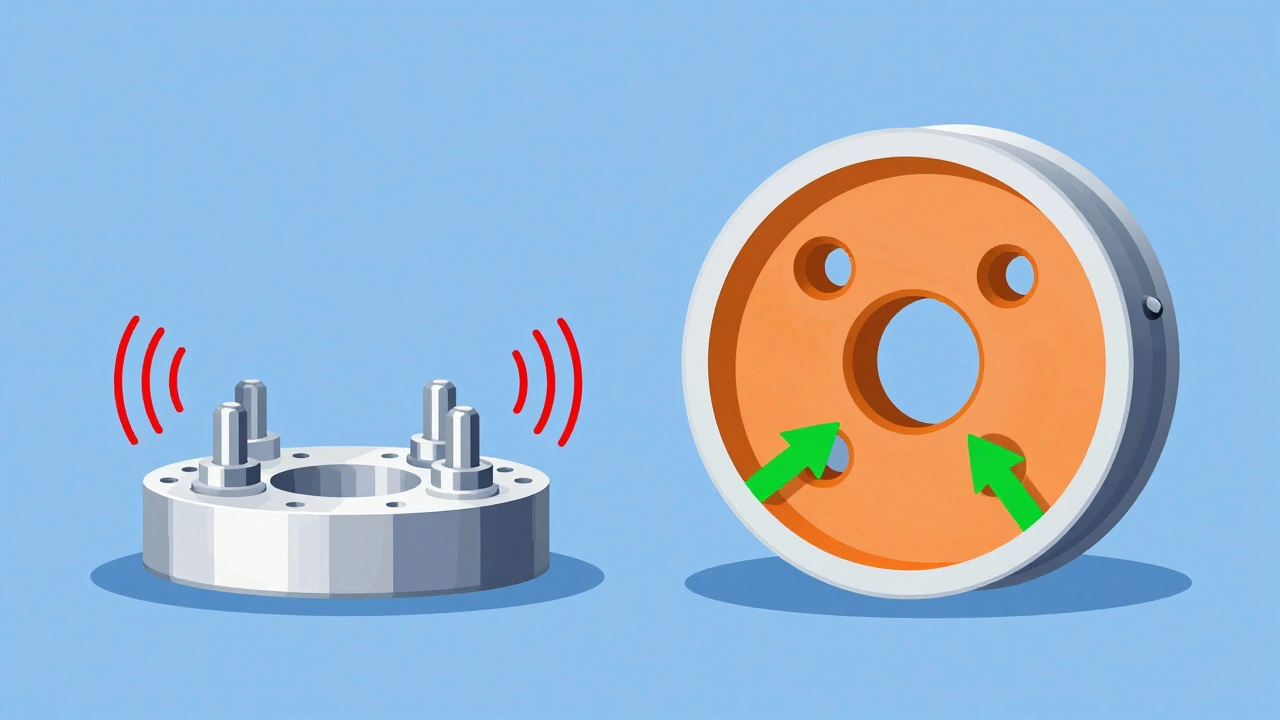
There are two main types of spacers: slip-on and hub-centric. Slip-on spacers rely on the lug nuts to hold the wheel in place, which is generally considered less secure for large offsets. Hub-centric spacers have a center bore that matches your vehicle's hub perfectly, transferring the load through the hub rather than just the studs. For a 2-inch spacer, hub-centric is non-negotiable if you want safety.
The Mechanical Risks of Large Spacers
When you add 2 inches of spacing, you aren't just changing the look; you are altering the stress distribution on several critical parts. Here is where things can go wrong:
- Lug Stud Shear Stress: The lug studs now have to work harder to keep the wheel attached. If the studs are weak or corroded, they can snap under braking forces.
- Bearing Load: Wheel bearings take more radial load. While modern bearings are strong, excessive lateral force can shorten their lifespan significantly.
- Suspension Geometry: Pushing wheels out changes camber and toe angles. This can lead to uneven tire wear or steering vibration if not corrected with an alignment.
Many enthusiasts ignore these factors because "everyone else is doing it." But correlation isn't causation. Just because someone hasn't had a failure yet doesn't mean their setup is safe. We see failures often during extreme cornering or emergency braking, where the leveraged force exceeds the stud's shear strength.
Hub-Centric vs. Lug-Centric: Why It Matters
This is the single most important decision you will make. A lug-centric (or slip-on) spacer relies on the torque of the lug nuts to center the wheel. With a 2-inch offset, any slight imbalance creates a wobble that amplifies at speed. This vibration travels up into the steering column and suspension, causing premature wear and driver fatigue.
Hub-centric spacers, however, fit snugly over your vehicle's existing hub. The hub does the heavy lifting of centering the wheel, while the lug nuts simply clamp everything together. For a 2-inch spacer, you must use extended lug studs or bolts that thread directly into the spacer. Standard lug nuts won't reach far enough to grip the wheel securely. Using the wrong hardware is a common mistake that leads to wheels falling off.
| Feature | Slip-On (Lug-Centric) | Hub-Centric |
|---|---|---|
| Centering Method | Lug Nuts Only | Vehicle Hub + Lug Nuts |
| Vibration Risk | High (especially >1 inch) | Low |
| Hardware Needed | Standard Lug Nuts | Extended Studs/Bolts |
| Safety Rating | Poor for 2-inch | Good (if quality material) |
Material Quality: Aluminum vs. Steel
Not all spacers are created equal. Cheap spacers made from low-grade aluminum alloys can crack under stress. Look for spacers machined from 6061-T6 aluminum. This grade offers a high strength-to-weight ratio and is standard in aerospace applications. Some manufacturers offer steel spacers, which are stronger but heavier. Added unsprung weight hurts acceleration and ride quality, so aluminum is usually the better choice for performance vehicles.
Check the finish as well. Anodized finishes protect against corrosion. Corrosion between the spacer and the hub can cause seizing, making future removal difficult and potentially damaging your studs.
Installation Best Practices
If you decide to proceed with 2-inch spacers, follow these steps to minimize risk:
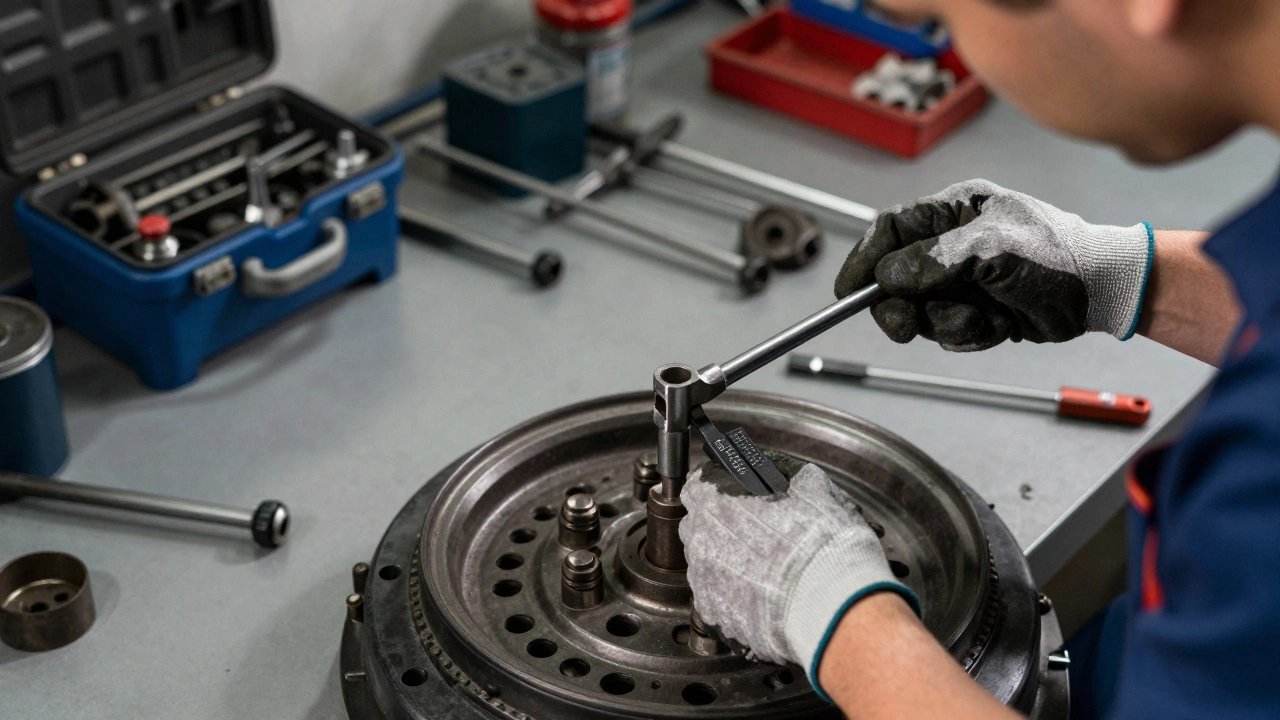
- Clean the Hub Surface: Remove all rust, paint, and debris from the hub face. Any imperfection prevents proper seating and causes vibration.
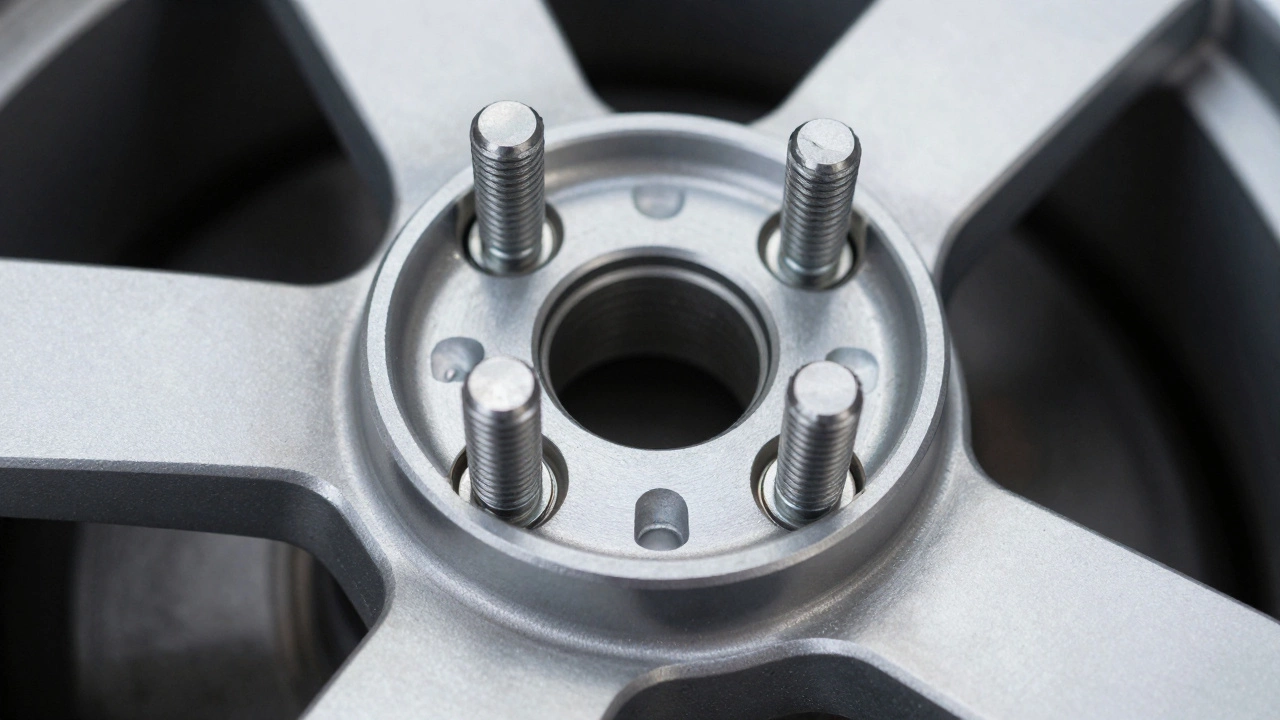
- Use Extended Hardware: Install longer wheel studs or bolts that match the thread pitch of your vehicle. Ensure they protrude enough to engage at least 7-10 threads into the wheel.
- Torque Correctly: Use a calibrated torque wrench. Follow your vehicle manufacturer's specifications. Over-torquing can stretch studs; under-torquing can allow wheels to loosen.
- Re-Torque After 50 Miles: Metal components settle after initial installation. Check torque again after a short drive to ensure everything remains tight.
Legal and Insurance Considerations
In many regions, modifying wheel offset affects vehicle legality. If your tires extend beyond the fender line, you may fail inspection. Additionally, check your insurance policy. Some insurers void coverage if an accident is deemed caused by improper modifications. While rare, it's a risk worth considering. Always keep records of the parts purchased and installation details.
Alternatives to 2-Inch Spacers
If you're worried about the risks, consider smaller spacers (0.5 to 1 inch). These provide a subtle stance improvement with minimal impact on bearing load and stud stress. Another option is aftermarket wheels with a negative offset. These wheels are designed to sit wider without adding extra hardware. They are often safer because the entire assembly is engineered as one unit, tested for structural integrity.
Conclusion: Is It Worth It?
Two-inch spacers are not inherently "bad," but they are not benign either. They introduce significant mechanical changes that require careful attention to hardware quality, installation precision, and ongoing maintenance. If you prioritize appearance over simplicity, they can work. But if you value reliability and ease of ownership, stick to smaller offsets or custom wheels. Never compromise on hub-centric design and proper torque specs. Your safety depends on it.
Can I use 2-inch spacers on my daily driver?
Yes, but only if you use high-quality hub-centric spacers, extended studs, and maintain regular inspections. Daily driving subjects spacers to constant stress, so durability is key.
Do wheel spacers void my warranty?
It depends. If a failure occurs due to the spacers (e.g., broken studs), the manufacturer may deny the claim. However, unrelated issues should still be covered under Magnuson-Moss Warranty Act guidelines in the US.
How do I know if my spacers are too big?
Signs include steering vibration, uneven tire wear, difficulty turning at full lock, or rubbing against fenders/suspension. If you experience any of these, reduce the spacer size or remove them.
Are thicker spacers safer than thinner ones?
Generally, yes. Thicker spacers (over 1 inch) distribute load better across the stud surface. However, they also increase leverage on bearings. Balance thickness with quality materials.
Do I need new lug nuts with spacers?
For slip-on spacers, you often need cone-seat lug nuts to compensate for the gap. For bolt-on/hub-centric spacers, you need extended studs or bolts. Always verify compatibility before buying.