Wheel Spacer MPG Impact Estimator
Enter your details and click Estimate to see the impact on your gas mileage.
You just bolted a set of wheel spacers onto your car to get that wider, aggressive stance. It looks amazing. But then you pull into the station for your next fill-up, and something feels off. Did you really burn through more fuel than usual? Or is it just coincidence?
The short answer is: yes, wheel spacers can affect your gas mileage, but usually not in the way people think. They don’t magically suck energy out of your tank like a vampire. Instead, they change the physics of how your car rolls down the road. If you’re seeing a drop in miles per gallon (MPG), it’s likely due to increased rolling resistance, added weight, or changes in aerodynamics.
How Wheel Spacers Change Your Car's Physics
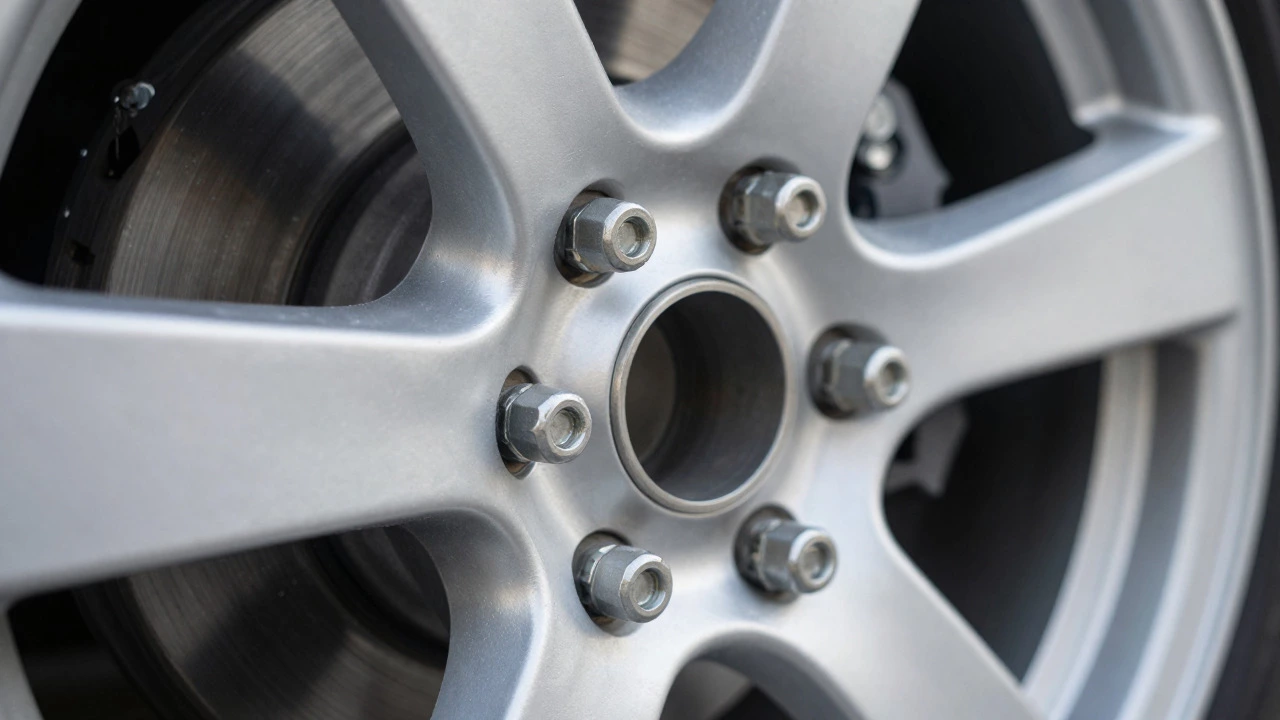
To understand why your fuel economy might take a hit, we have to look at what wheel spacers actually do. A wheel spacer is a simple metal disc placed between your vehicle’s hub and the wheel. Its job is to push the wheel outward, increasing the track width. While this improves handling stability and gives you clearance for bigger brakes or fenders, it introduces new physical variables that your engine has to work harder to overcome.
The biggest culprit isn't the spacer itself-it’s what happens because of it. When you push wheels out, you often change the tire profile, add weight, or alter airflow around the car. Each of these factors demands more power from your engine. More power means more fuel burned. Let’s break down exactly where that extra fuel goes.
The Weight Factor: Unsprung Mass Matters
If you bought cheap, thick aluminum spacers or steel ones, you’ve added weight to your wheels. This is called unsprung weight. Unlike weight on the chassis (like a heavy stereo system), unsprung weight is attached to the suspension components that move up and down with every bump in the road.
Here’s the problem: your engine has to spin heavier wheels faster to maintain speed. Every time you accelerate, the engine burns fuel to rotate that extra mass. If you added two pounds per corner, that’s eight pounds total. It doesn’t sound like much, but rotational mass is far more punishing than static weight. Studies show that reducing unsprung weight by just one pound can feel like removing five pounds from the body of the car. Conversely, adding it makes acceleration sluggish and increases fuel consumption during stop-and-go driving.
- Steel spacers: Heavier, cheaper, worse for MPG.
- Aluminum spacers: Lighter, more expensive, better for efficiency.
- Titanium spacers: Ultra-light, very expensive, negligible impact on MPG.
If you’re chasing fuel economy, stick to high-quality forged aluminum spacers. Avoid cast iron or low-grade steel if you want to keep your MPG as close to stock as possible.
Rolling Resistance: The Silent Fuel Killer
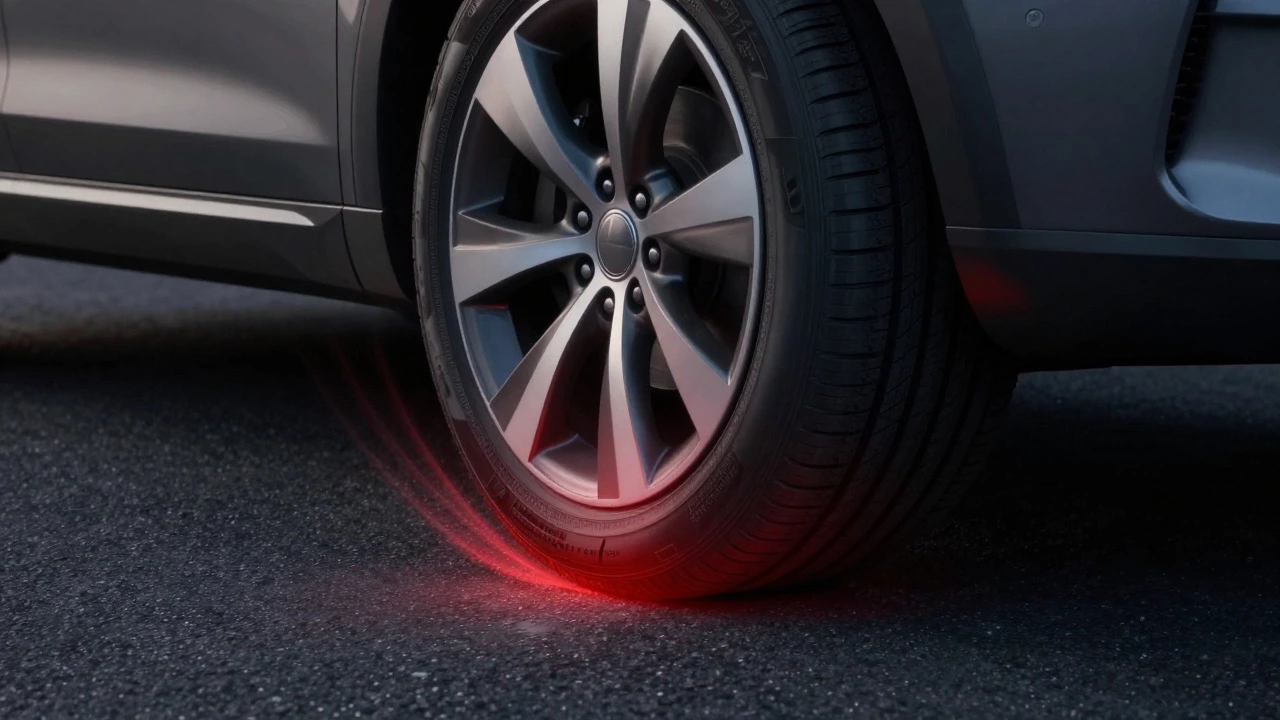
This is the most significant factor affecting gas mileage after installing spacers. Rolling resistance is the force resisting the motion when a tire rolls along a surface. Think of it as friction between the rubber and the asphalt. When you install wheel spacers, you often pair them with wider tires or different offset wheels. Both choices increase rolling resistance.
Wider tires have a larger contact patch with the road. That’s great for grip in corners, but it means more rubber is deforming and generating heat as you drive. Deformation requires energy. Your engine provides that energy by burning gasoline. Even if you keep your original tires, pushing them outward can slightly change the camber angle (the tilt of the tire). Negative camber causes the inner edge of the tire to scrub against the pavement, creating drag. This drag forces your engine to work harder just to maintain highway speeds.
| Modification | Effect on Rolling Resistance | Estimated MPG Impact |
|---|---|---|
| Stock Setup | Baseline | 0% |
| 15mm Spacers + Stock Tires | Slight Increase (due to minor camber shift) | -1% to -3% |
| Spacers + Wider Tires | Moderate Increase (larger contact patch) | -3% to -7% |
| Spacers + Low-Profile Tires | High Increase (stiffer sidewalls, more deformation) | -5% to -10% |
If you noticed a dip in fuel economy, check your tire pressure first. Under-inflated tires combined with spacers amplify rolling resistance dramatically. Keep your tires inflated to the manufacturer’s recommended PSI to minimize losses.
Aerodynamics: Dragging Air Behind You
At highway speeds, air resistance becomes the dominant force your engine fights against. Wheel spacers push your wheels further out from under the body lines of your car. This disrupts the smooth flow of air along the sides of the vehicle.
Imagine water flowing smoothly around a rock versus hitting a jagged stone. Stock wheels sit neatly within the wheel wells, allowing air to slip past cleanly. Spaced-out wheels protrude slightly, creating turbulence. This turbulence creates drag. To overcome this drag, your engine must produce more horsepower. More horsepower equals more fuel burned.
The effect is minimal at city speeds (under 45 mph) but becomes noticeable on long highway trips. If you frequently cruise at 65+ mph, even a small increase in frontal area or side drag can reduce your MPG by half a mile or more. For sports cars with sleek profiles, this disruption is more pronounced than on boxy trucks or SUVs.
Installation Quality and Bearing Stress
Poor installation can indirectly hurt your gas mileage. If wheel spacers are not torqued correctly or if the hub-centric rings don’t fit perfectly, the wheels may wobble slightly. This vibration creates additional friction in the wheel bearings and suspension components.
Over time, stressed wheel bearings generate heat and resistance. Your drivetrain has to push against this internal friction. While modern bearings are robust, constant stress from improper spacing can lead to premature wear. Replacing worn bearings restores some efficiency, but prevention is easier. Always use hub-centric spacers that match your vehicle’s specific hub diameter. Lug-centric spacers rely solely on the lug nuts to center the wheel, which increases the risk of imbalance and bearing strain.
Real-World Scenarios: Who Loses What?
Not everyone experiences the same drop in fuel economy. Your results depend heavily on your driving habits and vehicle type.
City Drivers: If you spend most of your time in traffic, the added unsprung weight matters more. Stop-and-go acceleration burns more fuel with heavier rotating mass. Expect a small decrease, perhaps 1-2 MPG less than before.
Highway Cruisers: Aerodynamic drag and rolling resistance dominate here. If you installed wide tires with your spacers, you’ll see a more noticeable drop. On a long road trip, that could mean an extra tank of gas over 1,000 miles.
Track Enthusiasts: You probably don’t care about MPG. You care about lap times. The wider stance improves cornering stability, allowing you to carry more speed through turns. While you burn more fuel per mile, you might complete laps faster, which is a trade-off many racers happily accept.
Can You Mitigate the Loss?
Yes. If you love the look of spaced wheels but hate wasting fuel, there are steps you can take to minimize the impact.
- Choose Lightweight Materials: Opt for CNC-machined aluminum spacers instead of steel. Every ounce saved on the wheel helps.
- Keep Tire Widths Moderate: Don’t go too wide. Stick to widths that maintain a reasonable contact patch. Consult a tire calculator to ensure you stay within safe limits.
- Maintain Proper Alignment: After installing spacers, get a professional wheel alignment. Correct camber, toe, and caster settings reduce tire scrubbing and rolling resistance.
- Monitor Tire Pressure: Check your tires monthly. Proper inflation reduces rolling resistance significantly.
- Drive Smoothly: Aggressive acceleration negates any efficiency gains. Gentle throttle inputs help preserve fuel economy regardless of modifications.
Conclusion: Is It Worth It?
Wheel spacers will almost certainly lower your gas mileage slightly. The extent depends on material choice, tire selection, and driving conditions. For most daily drivers, the loss is marginal-perhaps 2-5% overall. Unless you’re logging thousands of highway miles weekly, the convenience and aesthetic appeal usually outweigh the minor fuel cost.
However, if fuel economy is your top priority, consider sticking closer to stock offsets. Alternatively, explore lightweight wheel options that achieve a similar visual width without needing spacers. Ultimately, drive smart, maintain your setup, and enjoy the improved stance knowing exactly what trade-offs you’ve made.