Custom Body Kit Cost Estimator
Estimate your project budget by selecting your preferences below. Prices are estimates for 2026 and may vary by region.
Cost Breakdown
You see a sleek, aggressive stance on the highway. The bumper looks like it was carved from a single piece of obsidian. You pull up to the owner at a traffic light and ask, "How much did that cost?" They smile. It’s never just one number. In 2026, custom body kits range from $1,500 for basic universal parts to over $25,000 for bespoke carbon fiber masterpieces. Why the massive gap? Because you aren't just buying plastic. You are paying for design hours, material science, mold creation, and the skilled labor of a panel beater who won't ruin your paint job.
If you're planning to modify your ride, knowing the real price tags before you walk into a shop saves you from sticker shock. Let's break down exactly where your money goes, what drives the price up, and how to get the best bang for your buck without cutting corners that lead to rattles and leaks.
The Three Tiers of Custom Body Kit Pricing
Not all custom work is created equal. Most shops categorize their offerings into three distinct tiers based on complexity and materials. Understanding these helps you budget realistically.
- Entry-Level (Universal & Semi-Custom): $1,500 - $4,000. This usually involves modifying existing mass-produced kits or using flexible polyurethane bumpers that fit multiple models with minor adjustments. Think of this as the "fast food" of body kits-quick, affordable, but not unique.
- Mid-Range (Model-Specific Fiberglass/Gelcoat): $4,000 - $9,000. Here, designers create molds specific to your car model (e.g., a 2024 Supra). Materials are typically fiberglass reinforced plastic (FRP) or gelcoat. These offer better fitment and deeper styling options than universal parts.
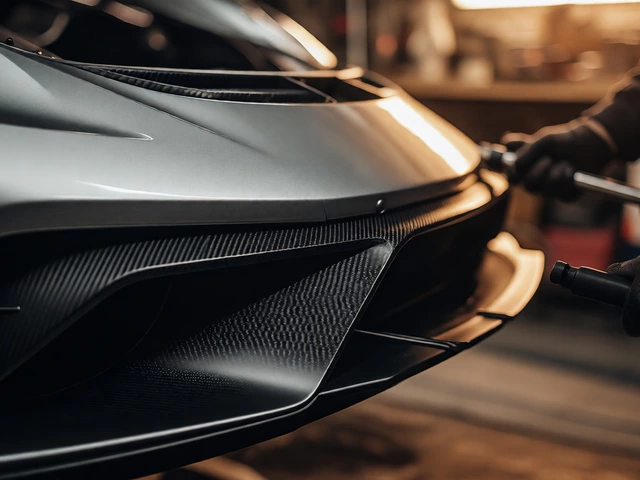
- High-End (Bespoke Carbon Fiber/Aramid): $9,000 - $25,000+. This is true custom work. Every panel is hand-laid or autoclave-cured. You might pay extra for visible weave patterns, clear coat finishes, and aerodynamic testing. If you want a one-off design that no one else has, this is your tier.
Why does the high-end cost so much more? Labor. A simple front lip might take two days to lay up in carbon fiber if done by hand. An autoclave process requires expensive equipment and energy, driving up the unit cost even if the raw material isn't drastically more expensive than fiberglass.
Material Matters: Fiberglass vs. Carbon Fiber vs. Polyurethane
The biggest factor influencing your bill is the material. Each has different properties, costs, and maintenance requirements. You need to choose based on how you drive and where you park.
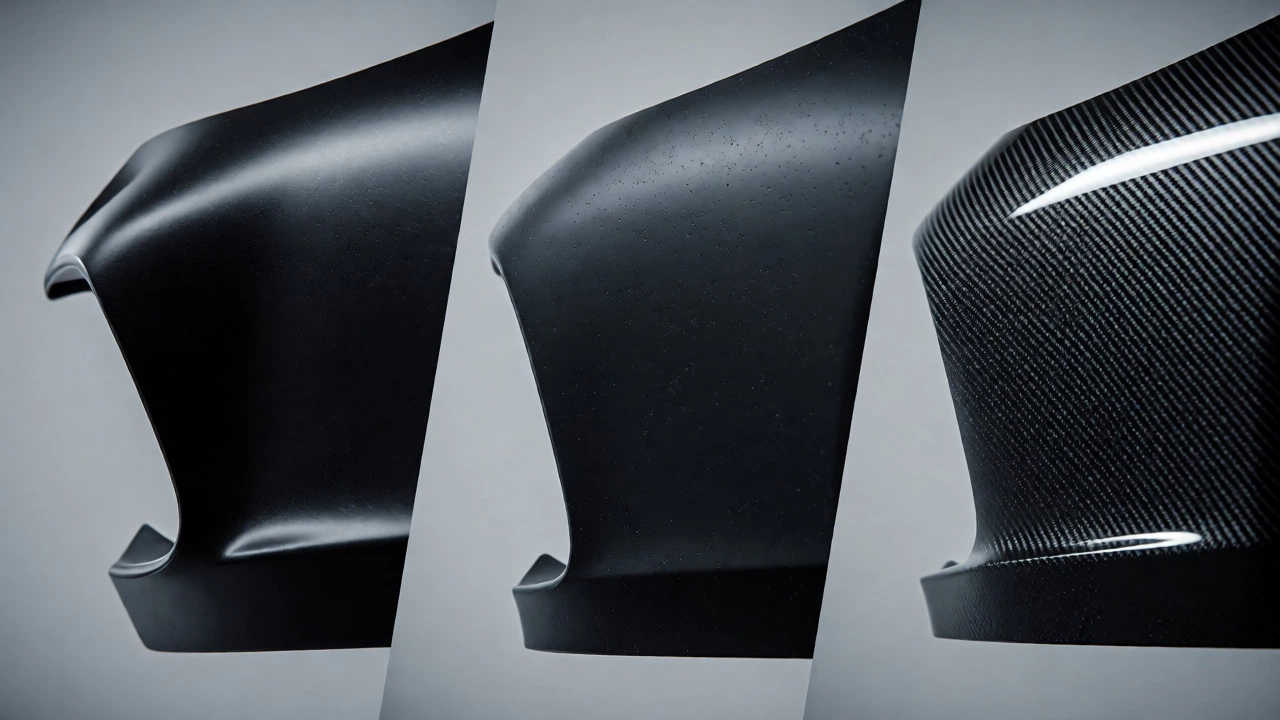
| Material | Avg. Cost Impact | Durability | Best For |
|---|---|---|---|
| Fiberglass | Low ($) | Brittle; cracks on impact | Show cars, low-mileage drivers |
| Polyurethane | Medium ($$) | Flexible; resists cracking | Daily drivers, harsh roads |
| Carbon Fiber | High ($$$$) | Strong; lightweight | Performance, track use, prestige |
| ABS Plastic | Low-Medium ($$) | Resilient; factory-like feel | OEM-style upgrades |
Fiberglass is the cheapest because the raw materials are cheap and the process is well-understood. But here is the catch: fiberglass is brittle. Hit a pothole in Brisbane too hard, and your front splitter might crack. Repairing it is possible but messy.
Polyurethane is often overlooked. It’s flexible. If you scrape it against a curb, it bends back. It doesn’t crack easily. However, painting polyurethane is tricky because it expands and contracts with temperature changes. If the painter doesn’t use flexible primers, the paint will flake off within a year. Ask your shop specifically about their flexibility protocols.
Carbon fiber is the gold standard. It’s lighter than steel and stronger than fiberglass. But beware of "fake" carbon. Many cheap kits are just vinyl-wrapped fiberglass. Real custom carbon fiber uses dry-weave fabrics cured under pressure. It costs significantly more but adds genuine performance value through weight reduction.
Hidden Costs: Design, Molds, and Paint
When you ask for a quote, ensure it includes everything. Often, the "kit price" is just the raw parts. Here is what gets added later:
- Design Fees ($500 - $2,000): If you want a sketch turned into a 3D CAD model, you pay for the designer's time. Some shops waive this if you buy the full package, but most charge separately.
- Mold Creation ($1,000 - $5,000 per part): To make a custom shape, you need a mold. If you are ordering a one-off, you pay for the entire mold cost. If the shop already has a mold for your car model, you skip this fee. Always ask: "Do you have existing tooling for my chassis?"
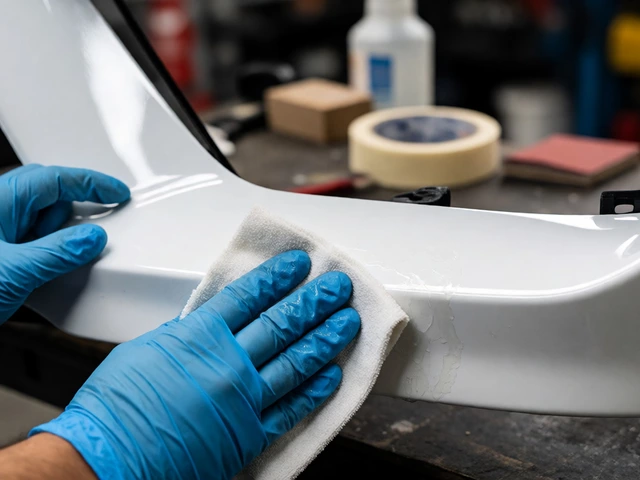
- Paint and Prep ($800 - $2,500): Never assume the kit comes painted. Matching OEM paint codes on new fiberglass can be difficult due to surface porosity. Proper prep involves sanding, sealing, and multiple coats of clear. A bad paint job ruins an expensive kit.
- Hardware and Fasteners ($100 - $300): Custom clips, bolts, and adhesive tapes add up. Don't forget the cost of replacing old bumper brackets if they are damaged during removal.
In Australia, labor rates vary wildly. A reputable panel beater in Brisbane might charge $100-$150 per hour. Installation takes anywhere from 4 hours for a simple lip to 20+ hours for a widebody conversion. Calculate labor carefully. A $3,000 kit can become a $6,000 project once you factor in 20 hours of skilled fitting.
Installation Complexity: DIY vs. Professional
Can you save money by installing it yourself? Maybe. But only if you know what you’re doing.
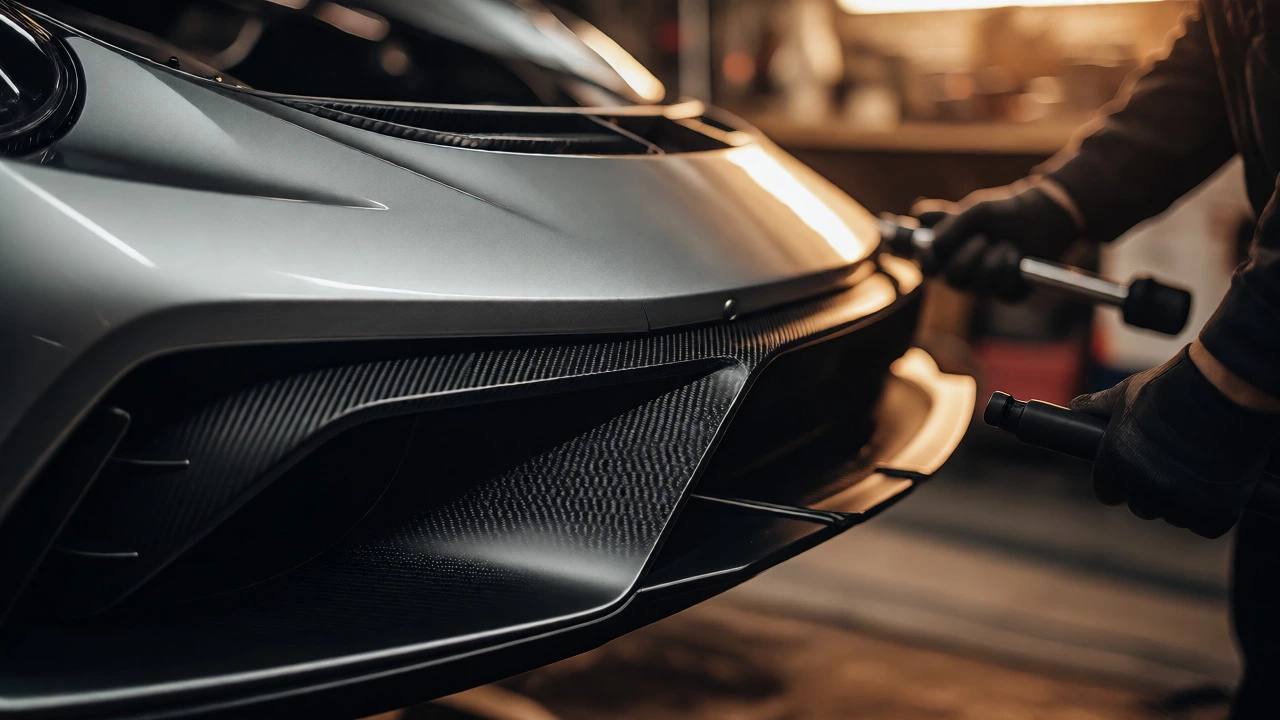
DIY Risks: Misalignment is common. If your fenders don't line up perfectly, the car looks cheap. Worse, improper drilling can cause rust spots or water leaks into wheel wells. If you lack tools like a hydraulic jack, torque wrenches, and heat guns for bending plastic, you will struggle.
Professional Benefits: A pro ensures the kit sits flush. They handle the wiring for fog lights integrated into bumpers. They manage the warranty. If a bracket breaks, they fix it. For complex widebody kits involving riveting and filler work, professional installation is non-negotiable. The labor cost protects your investment.
Regional Factors: Why Location Changes Price
Living in Brisbane means dealing with humidity and UV exposure. Shops here often charge a premium for high-quality clear coats that resist yellowing. In contrast, cooler climates might skimp on UV protection, saving you a few hundred dollars but risking fade in five years.
Shipping is another hidden cost. If you order a custom kit from Europe or the US, freight charges can add $500-$1,500. Customs duties and GST apply upon arrival. Buying locally supports Australian manufacturers who understand local road conditions and legal compliance standards, such as those set by the Department of Transport and Main Roads regarding protruding objects.
Legal Compliance and Certification
In Queensland, modifications must comply with vehicle standards. Sharp edges on bumpers can be flagged during inspection. Ensure your custom kit has rounded edges or protective trim. Some extreme wings require engineering certification, adding $200-$500 to the bill. Don't ignore this. Failing an inspection after spending thousands is a nightmare.
How to Get an Accurate Quote
To avoid surprises, give your fabricator this checklist:
- Car Details: Year, Make, Model, Trim Level (e.g., "2025 Mazda MX-5 RF GT").
- Desired Material: Specify fiberglass, carbon, or polyurethane.
- Scope: Front bumper, rear diffuser, side skirts, spoiler? All or partial?
- Finish: Raw, primered, or color-matched?
- Existing Mods: Do you have lowered suspension? Big brakes? These affect clearance and fitment.
Get three quotes. Compare not just the total, but the breakdown of parts vs. labor. If one quote is 50% cheaper, ask why. Are they using thinner fiberglass? Is the paint included?
Final Verdict: Is It Worth It?
A custom body kit transforms a stock car into a statement piece. For $5,000-$8,000, you can get a high-quality, professionally installed fiberglass kit that turns heads. For $15,000+, you enter the realm of exclusivity and performance. Decide based on your budget and how much you care about uniqueness versus resale value. Remember, modified cars often depreciate faster unless the work is flawless.
Is it cheaper to buy a pre-made kit or go fully custom?
Pre-made kits are almost always cheaper. Fully custom involves creating new molds, which costs thousands. Pre-made kits use existing tooling, spreading the cost across many units. Only go fully custom if you want a unique design that doesn't exist yet.
Does a body kit void my car warranty?
Generally, no. Under Australian Consumer Law, modifications do not automatically void warranties. However, if the modification causes damage (e.g., a loose bumper hitting a sensor), the dealer may deny claims related to that specific part. Keep receipts for professional installation to protect your rights.
How long does a custom body kit take to make?
For semi-custom, expect 2-4 weeks for manufacturing plus 1 week for shipping. Fully bespoke designs can take 2-4 months. This includes design approval, mold making, curing time, and quality checks. Rush jobs cost extra.
Can I install a body kit myself?
Yes, for simple lips and spoilers. Complex widebody kits requiring filler, sanding, and painting are best left to professionals. Mistakes in DIY installation can lead to poor fitment, water ingress, and reduced resale value.
Which material lasts longest?
Carbon fiber is the most durable and resistant to fatigue. Polyurethane is tough against impacts but can degrade with UV exposure if not properly sealed. Fiberglass is durable if protected from physical impacts but is prone to cracking.