Car Wrap Effectiveness Checker
Assess whether your vehicle's imperfections are suitable for vinyl wrapping or if they require bodywork first.
Why this verdict?
Select options and click analyze.
Ready to Assess
Fill out the damage details on the left to see if a wrap is the right solution for you.
You just bought a used car with some annoying door dings, or maybe you scratched your own bumper against a shopping cart. The paint is chipped, the clear coat is peeling, and repainting the whole panel costs hundreds of dollars. So, you wonder: can a car wrap hide these imperfections? The short answer is yes, but with major caveats. A vinyl wrap acts like a high-tech sticker that conforms to your vehicle's surface. It can visually mask minor surface scratches, swirl marks, and small chips. However, it does not fix structural damage or deep gouges. If you try to wrap over significant texture differences, the vinyl will telegraph the defect right through the film, making it look worse than before.
The Reality of Vinyl Thickness vs. Surface Texture
Most people assume vinyl is thick enough to bridge gaps in paint. In reality, standard cast vinyl wraps are incredibly thin-usually between 4 and 5 mils (0.1 mm). To put that in perspective, that’s thinner than a human hair. Because the material is so thin, it hugs the bodywork tightly. This is great for showing off curves, but terrible for hiding bumps.
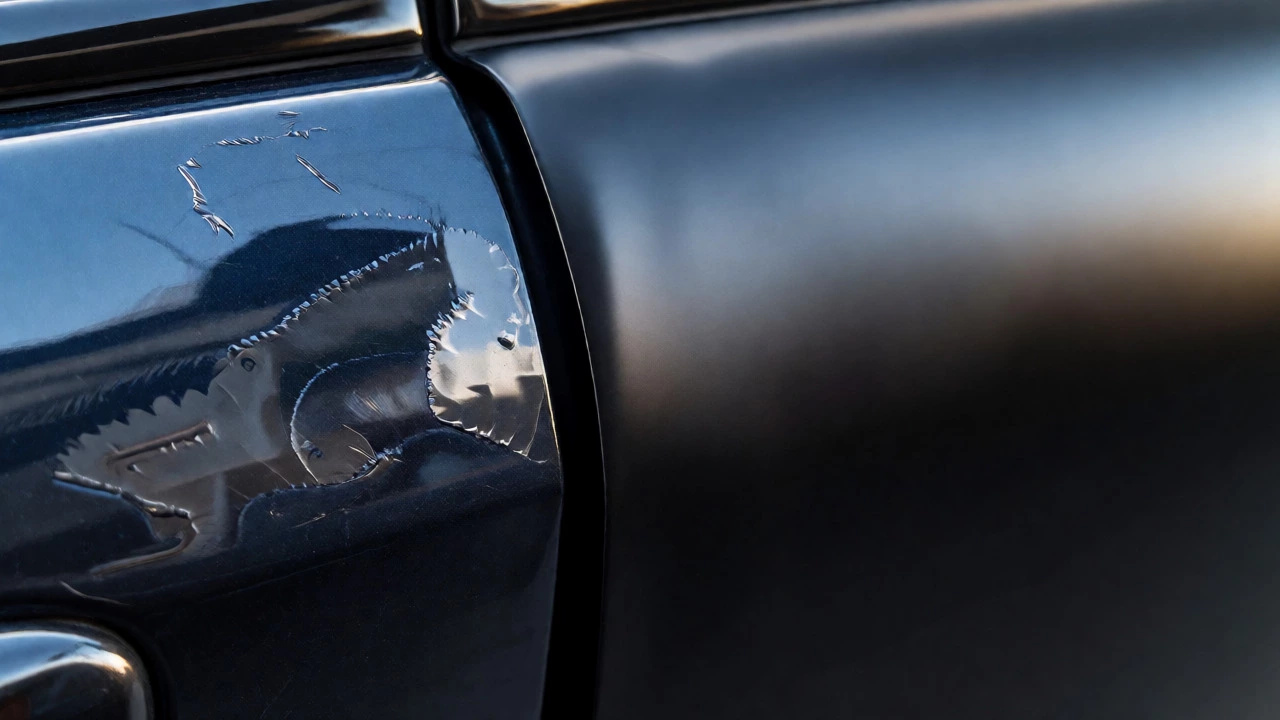
When installers talk about "telegraphing," they mean the visual distortion where the outline of a scratch or dent becomes visible under the new film. Think of putting cling wrap over a bumpy avocado; you still see every bump. The same physics applies here. If the edge of a chip creates a sharp ridge, the vinyl cannot smooth it out. Instead, light reflects off the uneven surface underneath, casting a shadow on top of the wrap. Your eye sees the defect clearly, even if the color matches perfectly.
What Types of Damage Can a Wrap Actually Hide?
Not all damage is created equal. Before you spend money on a full-body wrap, assess what you’re dealing with. Here is how different types of paint defects react to vinyl coverage.
| Type of Damage | Depth/Severity | Wrap Effectiveness | Preparation Required |
|---|---|---|---|
| Clear Coat Swirls | Surface level only | High | Light polishing to remove loose flakes |
| Minor Chips | Less than 1mm depth | Moderate | Filling with spot glaze or primer |
| Door Dings | Shallow dents without cracked paint | Low to Moderate | PDR (Paintless Dent Repair) recommended |
| Deep Gouges | Bare metal exposed, rough edges | Very Low | Full sanding and priming required |
| Rust Spots | Active corrosion | None | Rust must be removed and sealed first |
As you can see, the key factor is depth. If you can catch your fingernail on the scratch, a wrap alone won’t fix it. The vinyl will simply follow the contour of the hole. For shallow swirls from automatic car washes, however, a matte or satin finish wrap works wonders because these finishes diffuse light rather than reflecting it sharply, effectively blurring minor imperfections.
Why Matte and Satin Finishes Are Better at Hiding Flaws
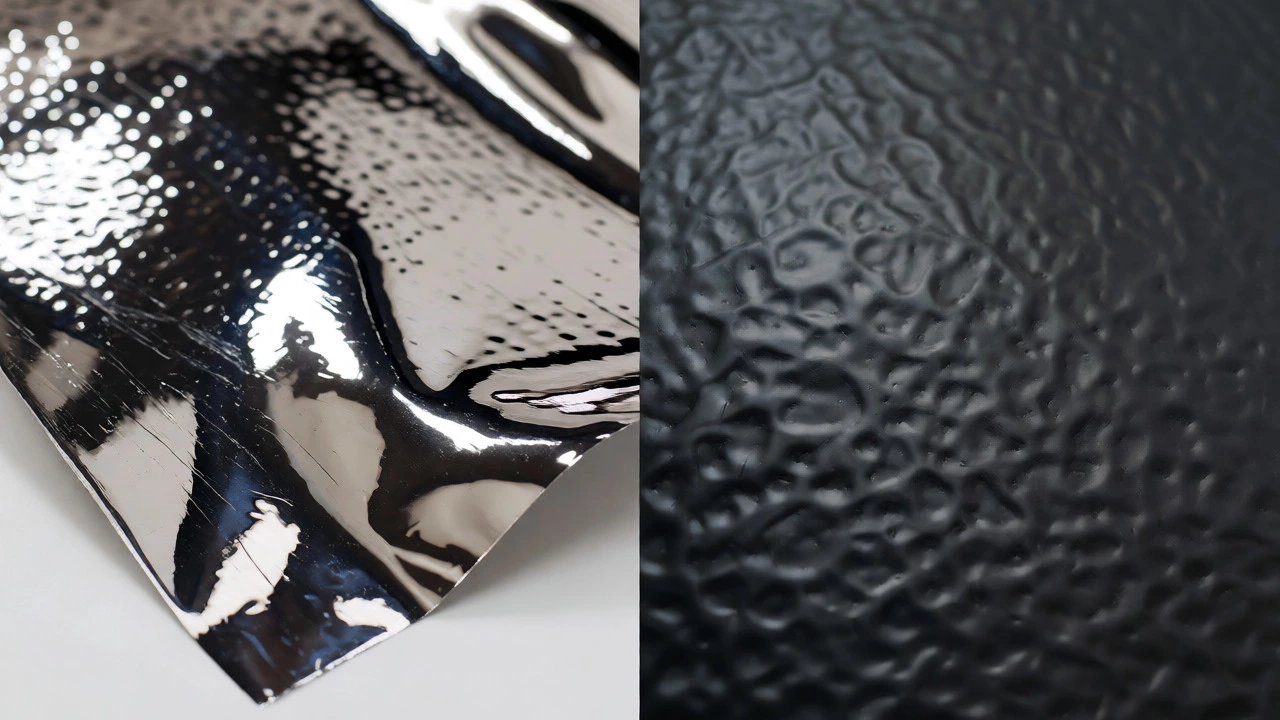
If you are wrapping specifically to hide damage, avoid gloss black or metallic silver films. Gloss finishes act like mirrors. They reflect light directly back to your eyes, highlighting every tiny variation in the surface below. A single speck of dust or a faint scratch becomes glaringly obvious under a high-gloss wrap.
Conversely, matte vinyl and satin vinyl have textured surfaces that scatter light. This diffusion effect softens the appearance of underlying textures. It’s similar to how a frosted glass window hides the view outside better than a clear one. Many owners of older cars choose matte black wraps not just for the aggressive look, but because it makes a 10-year-old paint job look uniform again. Just remember: matte finishes require specific cleaning products. Standard waxes can leave shiny spots on matte vinyl, which looks terrible.
The Critical Role of Surface Preparation
You might think, "I’ll just stick the vinyl over the scratches." That is a recipe for disaster. Professional installers know that 80% of the job is prep work. If you skip this step, your expensive wrap will peel, bubble, or show every flaw within weeks.
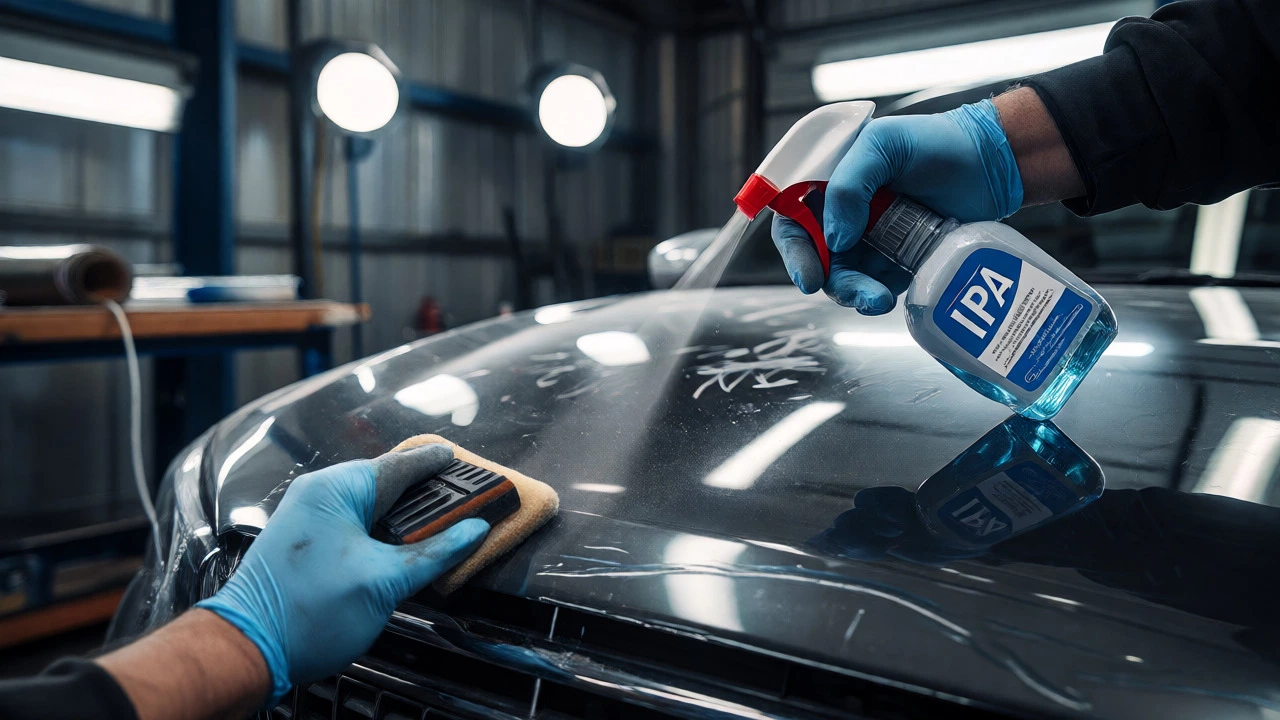
- Clean Thoroughly: Use an IPA (isopropyl alcohol) solution to strip wax, grease, and silicone. Vinyl adheres poorly to contaminated surfaces.
- Sand Down Edges: If there are chipped areas, lightly sand the raised edges of the remaining paint so they taper smoothly into the bare metal or primer. Sharp edges cut through vinyl.
- Fill Deep Spots: For pits deeper than a fingernail catch, use a fast-drying spot filler. Sand it flush once dry. You want a flat canvas, not a relief map.
- Prime Rust: Never wrap over active rust. Moisture trapped under vinyl accelerates corrosion. Treat rust with a converter and seal it with epoxy primer before applying film.
Skipping preparation saves time upfront but costs double later when you have to remove the wrap to fix bubbling or premature failure.
When Repainting Is Still the Better Option
A wrap is a cosmetic overlay, not a restorative repair. There are scenarios where spending $300-$600 on a local body shop touch-up beats a $2,500+ full wrap.
If the damage is localized to one small area, like a single fender, painting that panel is often cheaper and provides a more durable, seamless result. Wraps also have a lifespan of 5-7 years. If you plan to sell the car soon, a fresh paint job might add more resale value than a trendy wrap. Additionally, if the original paint is failing extensively across the entire car, wrapping over flaking paint is risky. As the old paint continues to degrade underneath, it can lift the adhesive bond, causing the wrap to peel off in patches.
Pro Tips for Maximizing Coverage
Want to get the best possible result from your wrap? Follow these rules of thumb:
- Choose Darker Colors: Black, dark blue, and charcoal gray hides shadows from dents better than white or yellow. Light colors highlight every contour change.
- Avoid Chrome Mirrors: Chrome vinyl shows everything. It is unforgiving. Only use chrome if your paint is flawless.
- Inspect Under Direct Sunlight: Before installation, walk around the car in bright sunlight. Mark any spots where the light catches a ridge. These are the spots your installer needs to fill.
- Consider Partial Wraps: If only the hood and roof are damaged, wrap those sections. Leave the pristine doors alone. This saves money and reduces the risk of installing over good paint unnecessarily.
Will a car wrap protect existing scratches from getting worse?
Yes, generally. By covering the exposed metal or compromised clear coat, the vinyl acts as a barrier against UV rays, moisture, and road debris. This prevents further oxidation or rust formation. However, if water gets trapped underneath due to poor installation, it could potentially accelerate hidden corrosion.
Can I remove the wrap later without damaging my original paint?
If the original paint was factory-quality and cured properly, removing a high-quality cast vinyl wrap usually leaves the paint intact. However, if the paint was already peeling or had poor adhesion, the removal process might pull up loose flakes. Always have a professional remove the wrap using heat guns and proper solvents to minimize risk.
Does the thickness of the vinyl matter for hiding scratches?
Slightly, but not enough to solve deep issues. Some premium brands offer slightly thicker films (up to 6 mils), which provide marginally better bridging over very fine textures. However, no consumer-grade vinyl is thick enough to hide a dent or deep gouge without prior filling and sanding.
Is it cheaper to wrap or repaint a scratched car?
For minor scratches across multiple panels, wrapping is often cheaper than a full respray. A full body wrap costs between $2,000 and $4,000 depending on complexity. A full multi-stage paint job can range from $3,000 to $8,000+. However, for isolated damage, spot painting is significantly cheaper than both options.
How long do car wraps last on scratched vehicles?
The lifespan depends more on the condition of the underlying surface than the scratches themselves. If the substrate is stable (cleaned, filled, and primed), expect 5-7 years. If the underlying paint is actively flaking or rusting, the wrap may fail in 1-2 years as the foundation gives way.