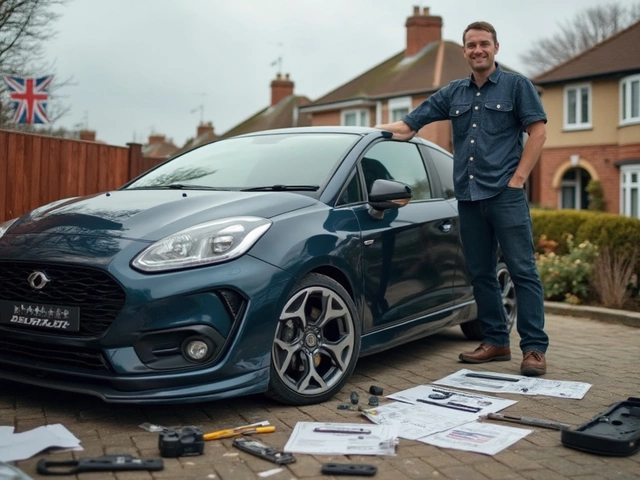
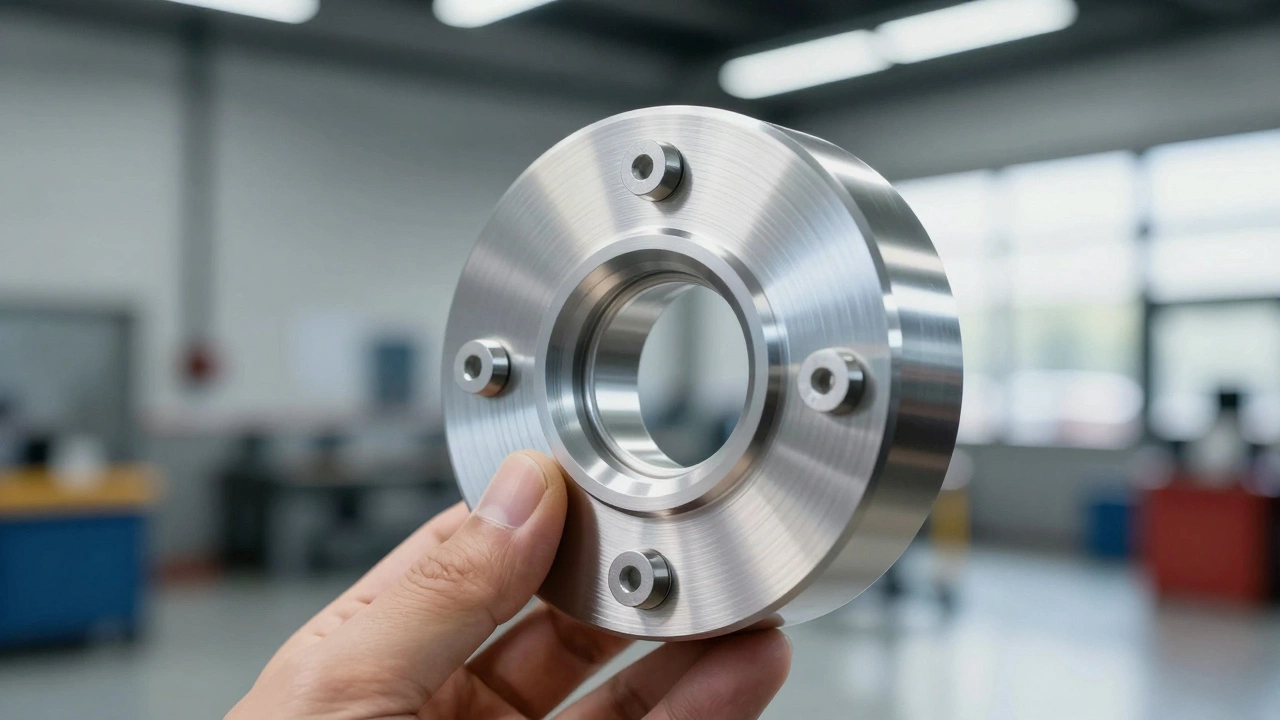
Wheel Spacer Impact Evaluator
Analysis Result:
Key Takeaways for Your Setup
- Spacers don't change your toe or camber angles directly.
- They significantly alter the scrub radius, which affects steering feel.
- Hub-centric spacers are mandatory to avoid vibration and bolt shear.
- Overly wide spacers can increase wear on wheel bearings.
- A professional alignment check is recommended after installation to ensure everything is centered.
The Difference Between Alignment and Geometry
To understand why your car might feel different after installing spacers, we have to separate alignment from geometry. Alignment refers to the specific angles of the wheels-Toe, Camber, and Caster. If you bolt on a 15mm spacer, your toe-in doesn't suddenly become toe-out. The physical parts that set those angles haven't moved. However, you are changing the wheel offset. Offset is the distance from the hub mounting surface to the centerline of the wheel. By adding a spacer, you are effectively reducing the offset. This shifts the pivot point of the wheel relative to the steering axis. This is where the "messing up" happens. It's not an alignment failure; it's a geometry shift. You might notice the steering wheel feels heavier or that the car "tramlines" (follows grooves in the road) more than it used to.The Scrub Radius Problem
This is the most critical part of the conversation. Scrub Radius is the distance between the point where the steering axis hits the ground and the center of the tire's contact patch. When you push the wheel outward with spacers, you increase the positive scrub radius. Think of it like trying to open a heavy door by pushing on the very edge of it instead of near the hinges; it takes more effort and the door wants to swing more violently. In car terms, a larger scrub radius means that any bump in the road sends a stronger kick-back through the steering wheel into your hands. If you go too wide-say, 30mm or more without offsetting the suspension-you might find that the car feels unstable during braking or that the steering is overly sensitive. This often leads people to believe their alignment is "off" when, in reality, they've just created a steering geometry that is too aggressive for daily driving.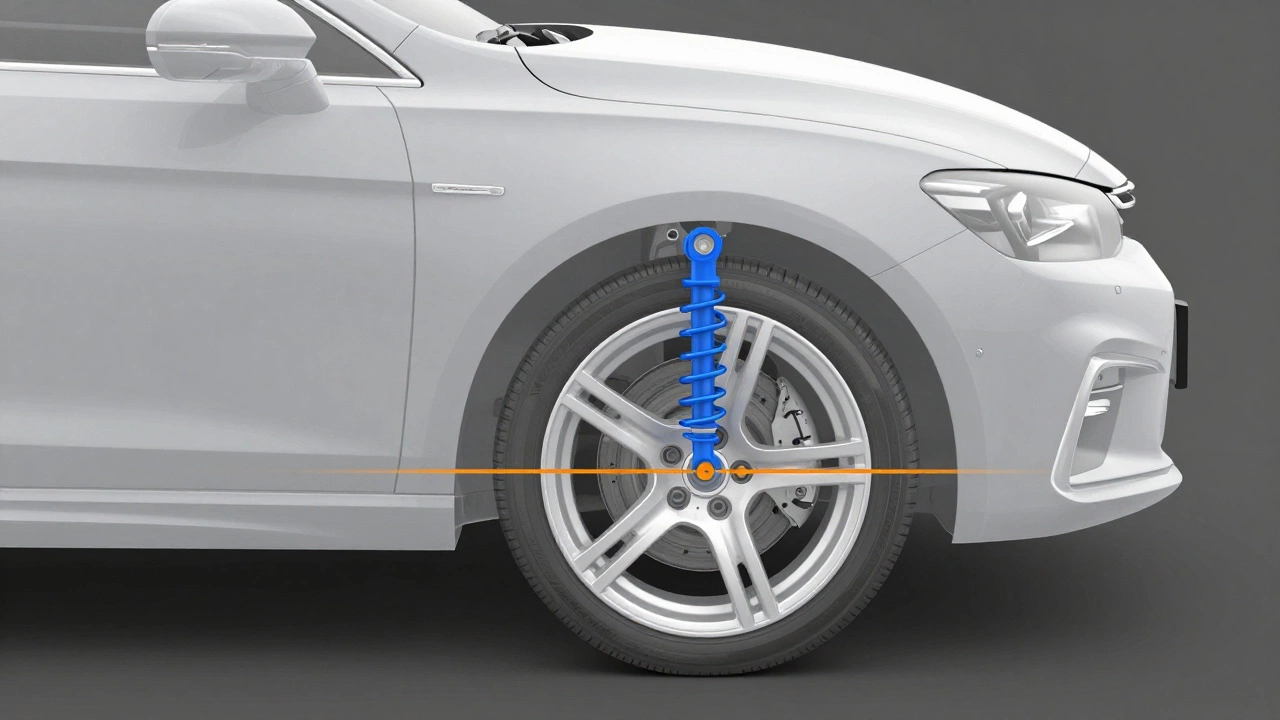
Hub-Centric vs. Lug-Centric Spacers
If you're worried about alignment and stability, the type of spacer you choose is everything. There are two main types, and choosing the wrong one will cause vibrations that feel exactly like a bad alignment.| Feature | Hub-Centric Spacers | Lug-Centric Spacers |
|---|---|---|
| Centering Method | Uses the hub lip to center the wheel | Relies on the lug nuts for centering |
| Vibration Risk | Very Low | High (especially at highway speeds) |
| Installation | Sits flush on the hub | Leaves a gap between hub and wheel |
| Recommended Use | Daily drivers, performance cars | Budget builds, off-roading (rarely) |
Lug-centric spacers are a recipe for disaster. Because the wheel isn't perfectly centered on the hub, you get a slight wobble. At 60 mph, this wobble manifests as a steering wheel shake. Many drivers mistake this for a need for a balance or alignment, but the real issue is that the wheel is orbiting the hub rather than rotating on it. Always use hub-centric spacers to keep the wheel concentric to the axle.
The Impact on Wheel Bearings and Chassis Stress
While spacers don't change your toe or camber, they do change the leverage applied to your Wheel Bearings. Imagine a seesaw. The wheel bearing is the pivot point. By pushing the wheel further out, you're extending the arm of the lever. This means every bump, every corner, and every braking maneuver puts more torque and stress on the bearing. If you run excessively wide spacers, you will likely see your wheel bearings fail much faster than they would with a stock setup. This doesn't "mess up" the alignment in the sense of angles, but it can lead to premature bearing play. Once a bearing develops play, the wheel can tilt slightly. Now you actually *do* have an alignment problem because the wheel is no longer held rigidly in place. This is the point where the geometry shift turns into a mechanical failure.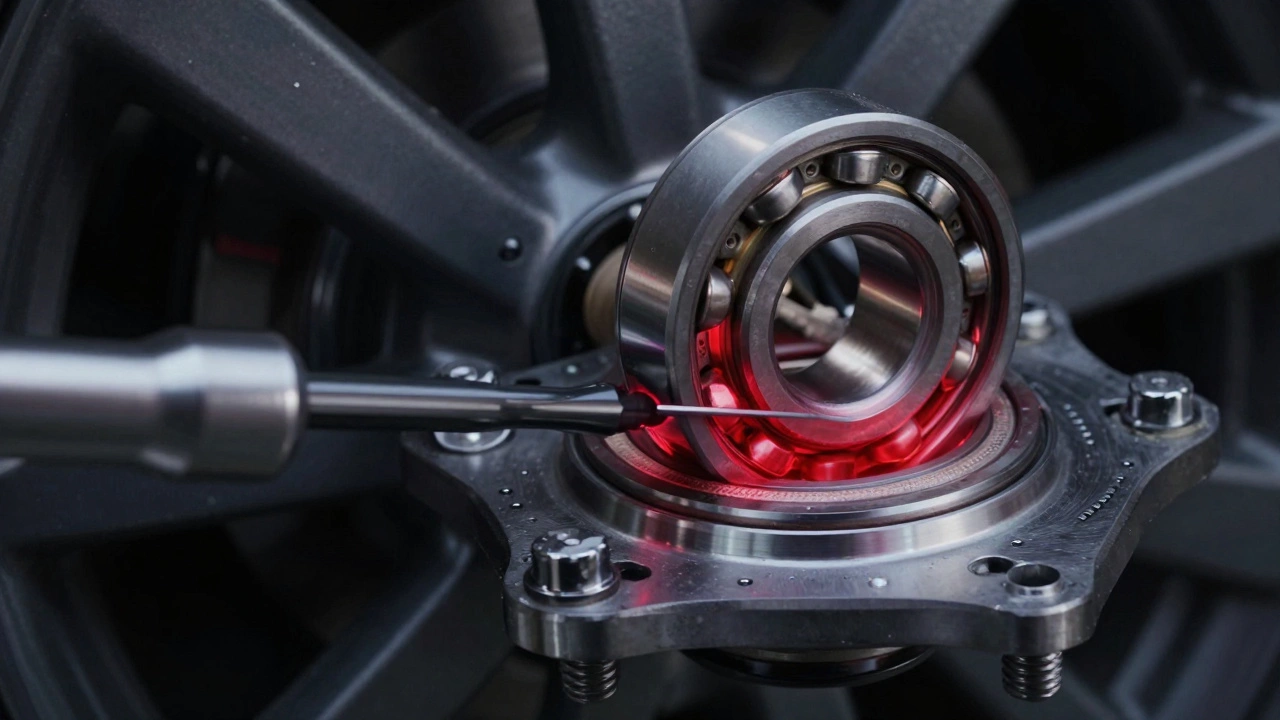
Do You Need an Alignment After Installing Spacers?
Strictly speaking, no. A 10mm spacer won't move your tie rods. However, you should still get a check-up for a few specific reasons. First, you're likely removing and reinstalling wheels and potentially touching other suspension components. Second, because the scrub radius has changed, your current alignment settings might not feel "correct" anymore. For example, if you had a very aggressive toe-out setting for track days, adding spacers might make the car feel twitchy and unstable in a straight line. A technician can help you tweak the toe to compensate for the wider track and a more positive scrub radius, making the car feel more settled. Also, if you've installed spacers to fit wider tires, the increased width can lead to more friction against the inner wheel arches. This can sometimes push against suspension components or cause the car to react differently to bumps, which can subtly shift your settings over time.Will wheel spacers cause my tires to wear out faster?
Not directly. Spacers don't change the angle of the tire. However, if they change the scrub radius significantly, you might find yourself correcting the steering more often, which can increase wear on the inner or outer edges of the tread. Additionally, if you use lug-centric spacers, the resulting vibration can cause uneven "cupping" or spotting on the tire surface.
Can I use spacers to fix a bad alignment?
No. Spacers are for fitment and aesthetics, not for correction. If your car pulls to one side or has uneven wear, you need an alignment rack and adjustable control arms or camber bolts. Adding a spacer to a car with bad alignment will only make the handling feel more unpredictable.
What is the maximum spacer size before it becomes dangerous?
There is no universal number, but generally, staying under 20mm is safe for most street cars. Once you hit 30mm or more, the stress on the wheel bearings and the change in scrub radius become significant. If you need that much width, it's often better to buy wheels with a different built-in offset rather than using massive spacers.
Do spacers affect the ABS or Traction Control?
In the vast majority of cases, no. These systems rely on speed sensors located on the hub or axle, which aren't moved by a spacer. However, if you use extremely cheap, low-quality spacers that cause severe vibration, the sensors might occasionally pick up erratic readings, but this is a result of the vibration, not the spacer itself.
Do I need longer wheel studs when using spacers?
Yes, if you are using slip-on spacers. You need enough thread engagement (typically at least 6-8 full turns) to ensure the wheel is securely fastened. Many high-quality hub-centric spacers come with their own integrated studs to solve this problem, which is the safest way to go.
Troubleshooting and Next Steps
If you've already installed spacers and your car feels "wrong," follow this logic tree to figure out the cause:- Check for Vibration: If the steering wheel shakes at 60-80 mph, you likely have lug-centric spacers or a wheel that isn't seated properly. Upgrade to hub-centric spacers immediately.
- Evaluate Steering Weight: If the steering feels significantly heavier or the car wanders on the highway, your scrub radius has increased too much. You may need to reduce the spacer size or adjust your toe settings.
- Listen for Noise: If you hear a low humming or growling sound coming from the wheels, your bearings might be struggling with the extra leverage. Get them inspected by a mechanic.
- Inspect Tread Wear: Check your tires after 500 miles. If you see accelerated wear on one edge, it's time for a professional alignment to optimize the new geometry.