Suspension Upgrade Selector: Springs vs Coilovers
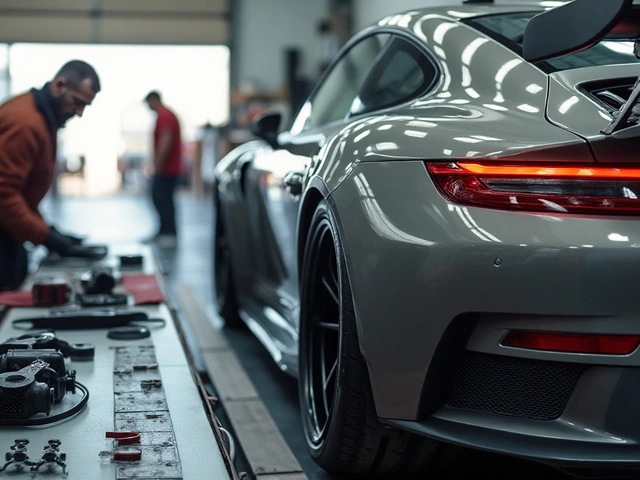
You want your car to look aggressive and handle corners better, but you also need to drive it to work every day. You don't want to bounce around like you're on a trampoline every time you hit a pothole. This is the classic dilemma for car enthusiasts: do you go with cheap lowering springs or invest in adjustable coilovers? The short answer depends entirely on how much you value comfort versus control and whether you plan to track your vehicle.
Many people assume that stiffer always means better handling. That’s not true. For daily driving, the goal is balance. You want enough stiffness to keep the body lean in turns, but enough compliance to absorb road imperfections. Let’s break down exactly what each option does to your car’s dynamics, ride height, and long-term maintenance needs so you can make a choice that fits your lifestyle.
Understanding Lowering Springs
Lowering springs are simply shorter and stiffer versions of your factory suspension springs. They replace the original equipment manufacturer (OEM) springs while keeping your existing shock absorbers and struts. Because they are just one component of the suspension system, they are the most affordable way to drop your car’s stance.
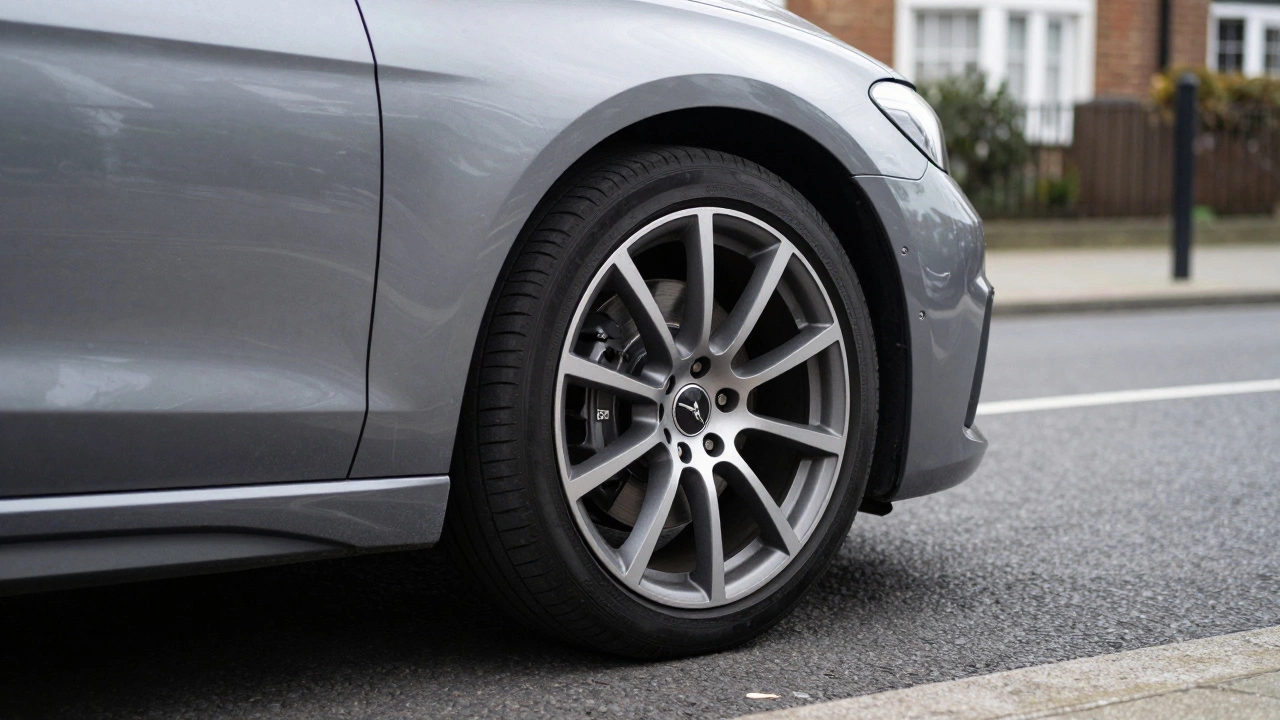
When you install lowering springs, you reduce the vehicle's center of gravity. This immediately reduces body roll during cornering. If you drive a sedan or a coupe that feels floaty at highway speeds, this upgrade will make the car feel more planted. The visual change is significant; even a modest 1-inch drop transforms the car's profile by reducing wheel gap.
However, there is a catch. Your factory shocks are designed to work with factory spring rates. When you add stiffer springs without upgrading the dampers, the shocks have to work harder. Over time, this mismatch can cause the shocks to wear out faster. More importantly, if the springs are too stiff for your local roads, the ride becomes harsh. You will feel every crack in the pavement. In Brisbane, where our summer heat can soften asphalt and create more surface irregularities, a very stiff spring setup might turn a smooth commute into a jarring experience.
Lowering springs are static. Once installed, your ride height is fixed. You cannot adjust it for winter salt, speed bumps, or personal preference. If you buy a set that drops the car 2 inches, it stays at 2 inches until you buy new ones.
The Case for Coilovers
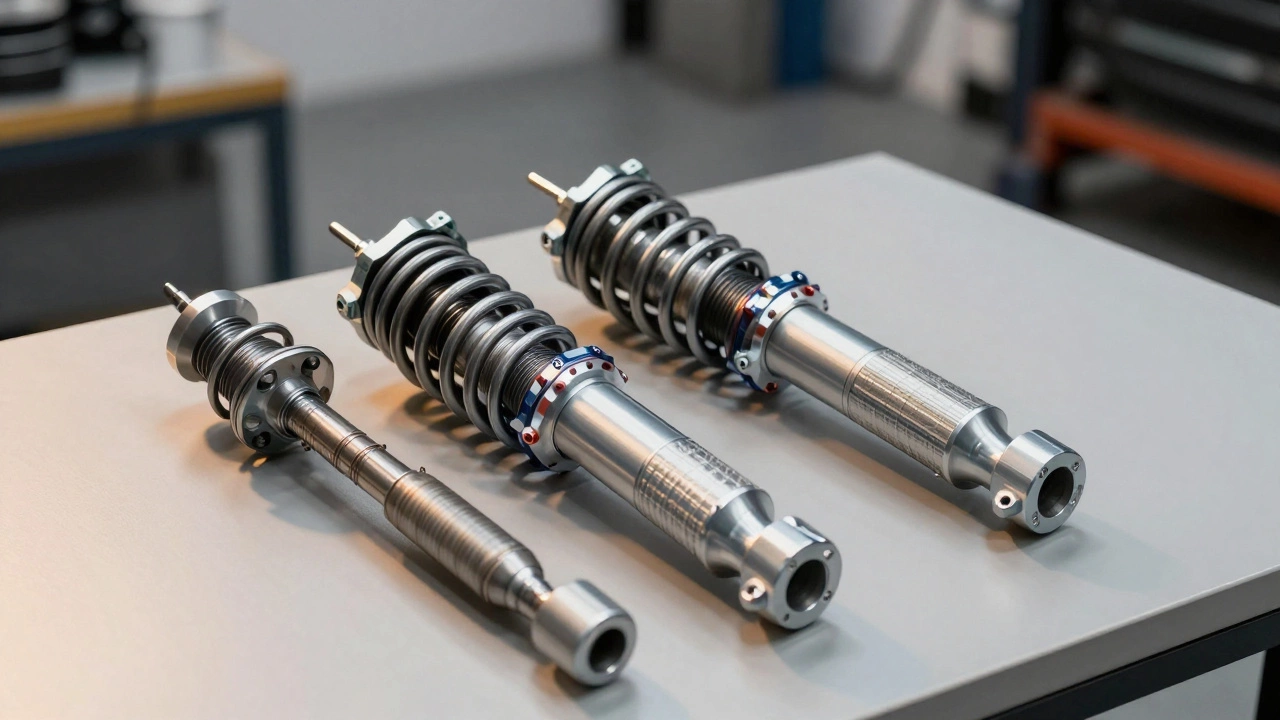
Coilovers, short for coil-over-shock absorbers, are a complete replacement for your entire front strut assembly and rear shock/spring combination. Unlike lowering springs, coilovers integrate the spring and the damper into a single unit. This integration allows for precise tuning of both spring rate and damping force.
The biggest advantage of coilovers is adjustability. Most modern coilover kits come with threaded perches that allow you to change the ride height easily. You can lower the car for show or raise it slightly for bad weather. Many higher-end kits also offer rebound and compression damping adjustments. This means you can tune how quickly the suspension reacts to bumps. Soften the rebound for a smoother city ride, or stiffen it for sharper cornering response.
Because the spring and damper are matched by the manufacturer, the ride quality is often superior to mismatched lowering springs and old factory shocks. High-quality coilovers use gas-charged monotube or twin-tube designs that prevent fade under heavy use. They provide consistent performance whether you are crawling through traffic or taking a spirited drive on the mountain passes near the Gold Coast.
The downside? Cost and complexity. A decent set of coilovers costs three to five times more than a set of lowering springs. Installation is also more involved. It requires an alignment afterward, which adds to the initial expense. Furthermore, cheaper coilovers can be noisy and harsh. Not all coilovers are created equal, and buying a budget kit from an unknown brand can result in a ride worse than stock.
Ride Quality and Comfort Comparison
Comfort is subjective, but physics is not. Stiffness determines how much the suspension compresses under load. Damping determines how fast it returns to position. Lowering springs increase stiffness but leave damping unchanged. Coilovers allow you to optimize both.
If your primary concern is daily comfort, high-quality coilovers with adjustable damping usually win. You can dial in a setting that absorbs small vibrations while still controlling larger impacts. Lowering springs tend to transmit more high-frequency vibration into the cabin because the factory shocks aren't designed to handle the increased spring pressure efficiently. This leads to a "bouncy" or "choppy" ride over rough surfaces.
Consider the type of roads you drive on. If you live in a suburban area with well-maintained streets, lowering springs might be perfectly comfortable. But if you frequently encounter construction zones, potholes, or steep driveways, the lack of travel in lowered suspensions becomes a problem. Both options reduce ground clearance, increasing the risk of scraping the bumper or exhaust. However, with coilovers, you can temporarily raise the car before tackling a steep incline. With lowering springs, you’re stuck.
| Feature | Lowering Springs | Coilovers |
|---|---|---|
| Cost | $150 - $400 AUD | $800 - $3,000+ AUD |
| Adjustability | None (Fixed Height) | Height & Damping (Often) |
| Installation Difficulty | Moderate | High |
| Ride Quality | Stiffer, potentially harsher | Tunable, generally smoother |
| Lifespan | Long (if shocks last) | Medium (seals may wear) |
| Best For | Budget builds, static stance | Daily drivers, track days, fitment |
Handling and Performance Impact
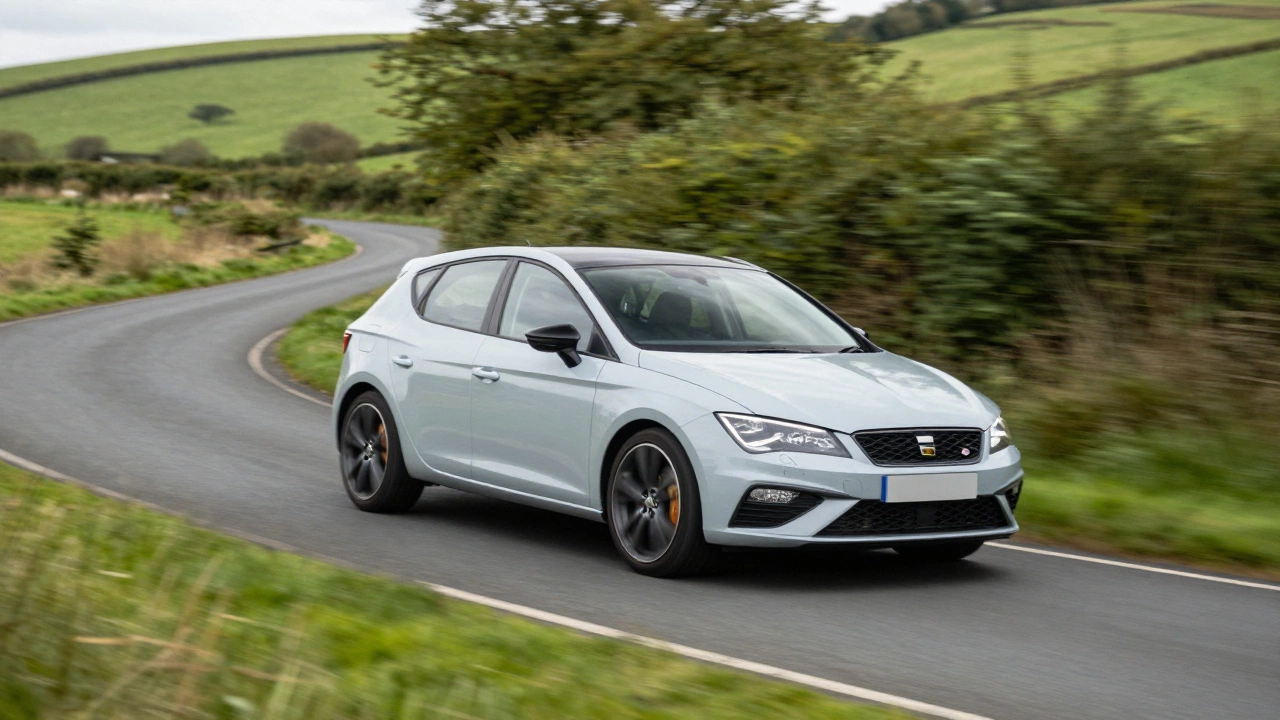
Both upgrades improve handling by lowering the center of gravity. Less body roll means the tires maintain better contact with the road during cornering. This increases grip and allows you to carry more speed through turns safely.
However, coilovers offer a distinct advantage in consistency. Because the damping is matched to the spring rate, the suspension responds predictably. With lowering springs, the factory shocks may bottom out or overshoot, causing the car to wallow after a bump. This unpredictability can be dangerous at high speeds. Coilovers eliminate this wobble by controlling the spring motion precisely.
If you ever plan to take your car to a track day, coilovers are essential. They allow you to stiffen the damping to maximize mechanical grip. Lowering springs alone won’t cut it on a racetrack because the factory dampers will fade quickly under repeated stress. For pure street use, though, the difference is less critical unless you drive aggressively.
Fitment and Wheel Clearance
One overlooked aspect of lowering your car is wheel fitment. Dropping the suspension changes the camber angle-the tilt of the wheels relative to the vertical axis. Excessive negative camber can cause uneven tire wear, specifically eating away the inside edge of your tires. It can also lead to rubbing against the fenders or suspension components when turning.
Coilovers often include camber adjustment features, allowing you to correct alignment issues after installation. Lowering springs do not. If you drop your car more than 1.5 inches with springs, you may need additional hardware like camber bolts or bushings to fix alignment. This adds cost and complexity. Coilovers streamline this process by integrating these adjustments into the assembly.
Also consider tire size. If you run large aftermarket wheels, lowering the car brings them closer to the inner wheel well. Coilovers let you fine-tune the height to ensure perfect clearance. With lowering springs, you hope the manufacturer’s drop specification is accurate for your specific wheel/tire combo.
Maintenance and Long-Term Costs
Let’s talk about money over time. Lowering springs are cheap upfront, but they put extra strain on your factory shocks. Factory shocks are typically filled with oil and air, which can leak or degrade faster under high spring pressure. You might find yourself replacing shocks within two years instead of the usual five.
Coilovers are a bigger initial investment, but they are built to last. Higher-end brands use durable seals and high-quality gas charges that resist fading. While they may require periodic bleeding or seal replacement after several years, they generally outperform factory setups in longevity when used correctly. Plus, because you can adjust the height, you can extend the life of your suspension by raising the car for harsh conditions, reducing stress on components.
Don’t forget alignment costs. Any suspension modification requires a professional wheel alignment. Expect to pay between $100 and $200 AUD for this service. If you choose coilovers with camber plates, the alignment might take longer and cost slightly more due to the extra adjustments needed.
Which Should You Choose?
Your decision should hinge on three factors: budget, driving style, and future plans.
Choose lowering springs if:
- You are on a tight budget and want immediate visual improvement.
- You drive mostly on smooth roads and rarely encounter severe potholes.
- You don’t plan to track your car or make further suspension modifications.
- You prefer a simple installation that doesn’t require complex tuning.
Choose coilovers if:
- You want a customizable ride height and damping for different conditions.
- You prioritize a balanced ride that is both sporty and comfortable.
- You plan to track your car or drive aggressively on winding roads.
- You have large wheels and need precise clearance adjustments.
- You view this as a long-term investment in your car’s performance.
For most daily drivers in Australia, especially those navigating urban environments with mixed road surfaces, mid-range coilovers offer the best value. They provide the aesthetic benefits of lowering springs with the practicality and comfort of a tuned suspension. Brands like Tein, BC Racing, and KW offer excellent entry-level kits that strike a good balance between price and performance.
Avoid the cheapest options in either category. Cheap lowering springs can be brittle and prone to snapping. Cheap coilovers often have poor sealing and noisy operation. Invest in reputable brands that test their products for real-world durability.
Will lowering springs damage my car?
Not necessarily, but improper selection can cause issues. Using springs that are too stiff for your factory shocks can accelerate shock wear. Dropping the car too low can lead to scraping bumpers or exhausts on speed bumps. Always choose springs rated for your specific vehicle model and stick to moderate drop heights (1-1.5 inches) for daily driving.
Do I need an alignment after installing lowering springs?
Yes, absolutely. Changing ride height alters your wheel alignment angles, particularly camber and toe. An improper alignment causes uneven tire wear and poor handling. Get a professional alignment done within a few hundred kilometers of installation to ensure safety and longevity.
Are coilovers legal for street use in Australia?
Generally, yes, as long as they meet safety standards. In Australia, vehicles must comply with state-based registration requirements. Most coilovers are sold as street-legal if they maintain proper ride height and lighting visibility. Check with your local transport authority (like TMR in Queensland) for specific regulations regarding minimum ground clearance and headlight aim.
Can I convert lowering springs to coilovers later?
Yes, but you’ll likely need to replace your factory struts and shocks first. Coilovers are a complete assembly, so you remove the old strut/shock and spring together. Having previously installed lowering springs doesn’t prevent this upgrade, but ensure your mounting points are in good condition.
How much should I spend on coilovers for daily driving?
For a reliable daily driver setup, expect to spend between $800 and $1,500 AUD. Budget kits under $600 often compromise on damping quality and noise levels. Mid-range kits from established brands offer the best balance of comfort, durability, and adjustability without breaking the bank.